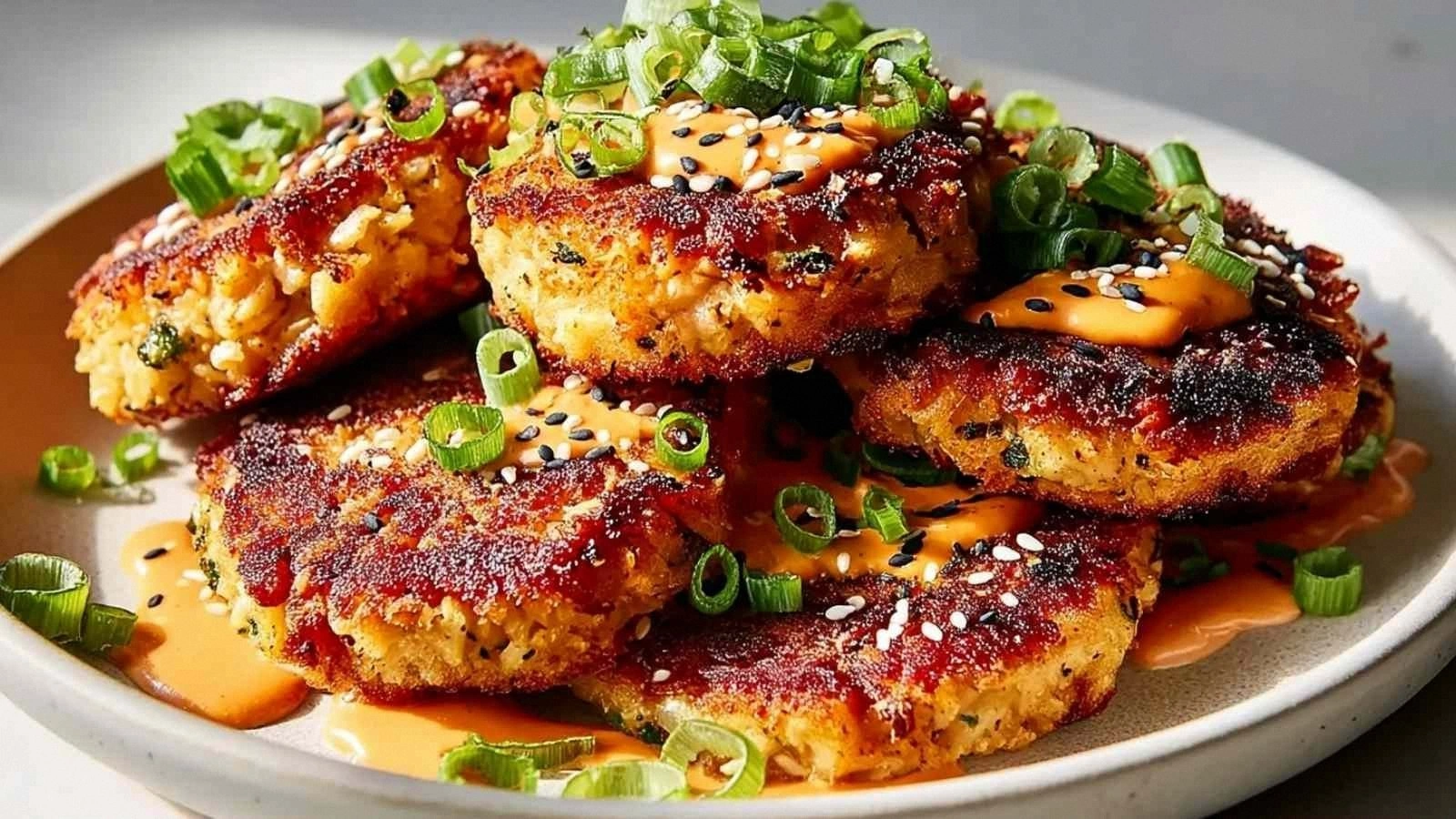
The kitchen was a battlefield that afternoon, the kind of chaotic mess that only a daring foodie can appreciate. I had just finished a marathon session of trying to recreate a street‑food favorite from a late‑night video, and the air smelled like burnt garlic and something sweet that made my stomach growl. My friend dared me to finish the dish without burning the pork, and I accepted, because I love a good challenge more than a safe meal. That night, the sizzling pan became my canvas, and the pork mixture turned into a sticky, fragrant masterpiece that was both comforting and daring.
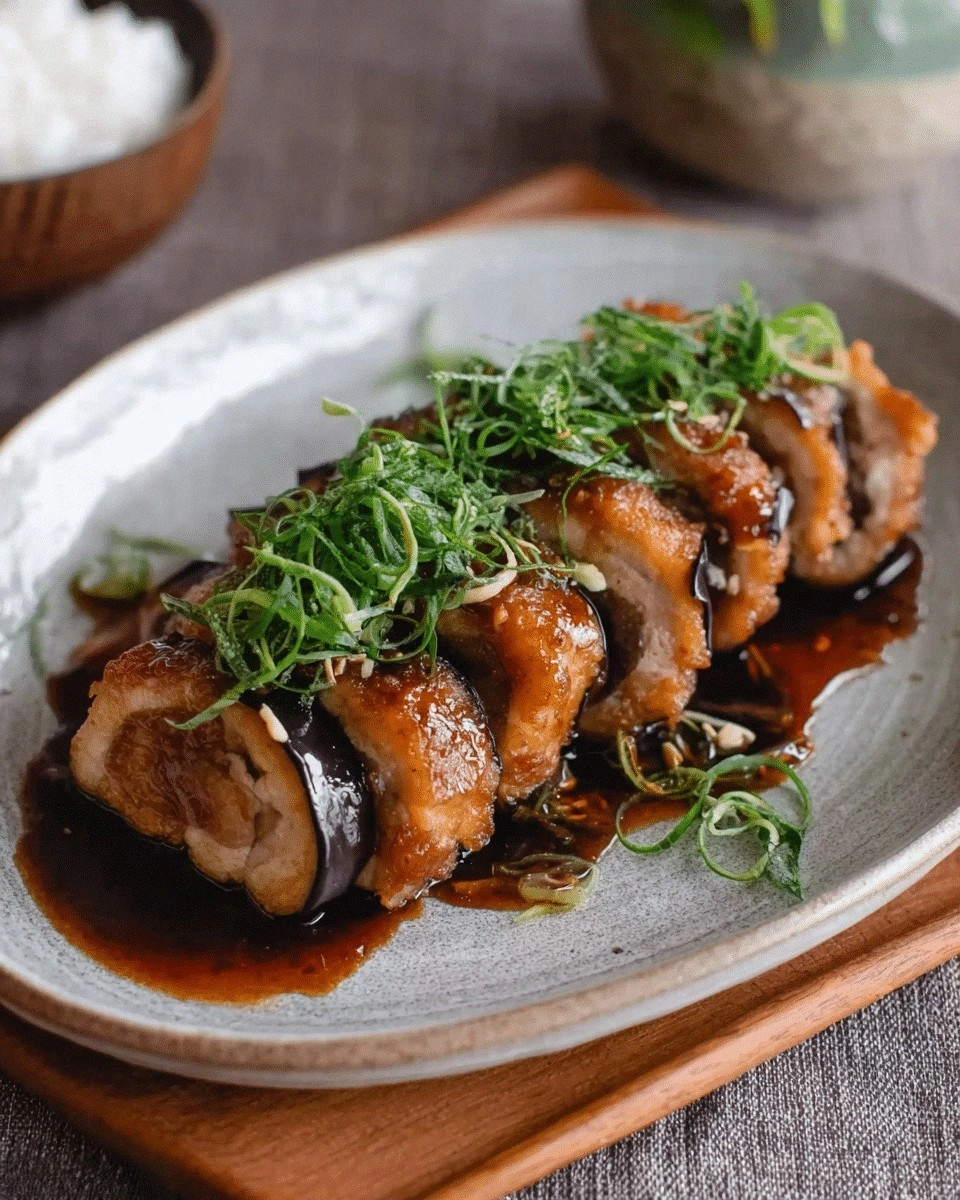
Picture the moment when the first bite hits your tongue: a burst of ginger zing, a mellow sweetness from honey, and the soft, almost silky texture of diced eggplant that melts in your mouth. The aroma is a layered symphony—ginger, soy, sesame, and a hint of citrus from rice vinegar—inviting you to dive in. The sound of the roll flipping in the pan is a satisfying pop, and the texture of the exterior is a crisp, golden crust that gives way to a juicy, savory filling. The flavor profile is balanced, with no single ingredient overpowering the others; everything sings in harmony, like a well‑arranged orchestra.
What sets this version apart is not just the combination of flavors, but the technique that turns each roll into a bite‑size marvel. I used a quick, high‑heat sear to lock in juices, then finished the pork in a sauce that coats the meat like velvet, giving it a glossy sheen. The eggplant is sautéed to a caramelized perfection, adding a subtle sweetness that complements the savory pork. The final roll is wrapped in a thin, flexible dough that folds around the filling, sealing in steam and flavor. The result is a dish that feels indulgent yet light, perfect for a dinner party or a comforting weeknight.
There’s a twist you won’t expect: a splash of rice vinegar early in the cooking process brightens the entire dish, cutting through the richness of pork and the sweetness of honey. And I dare you to taste this and not go back for seconds. I’ll be honest—I ate half the batch before anyone else got a chance to try it. Most recipes get this completely wrong, but here’s what actually works. Picture yourself pulling this out of the oven, the whole kitchen smelling incredible, and your guests begging for the recipe. Okay, ready for the game‑changer? Let me walk you through every single step — by the end, you’ll wonder how you ever made it any other way.
What Makes This Version Stand Out
- Flavor Harmony: The balance between sweet, salty, and spicy creates a complex yet approachable taste that satisfies all palates.
- Crisp Texture: The high‑heat sear locks in juices, while the dough crisps to a golden finish.
- Speed: The entire process takes under 45 minutes, making it an excellent weeknight dinner.
- Make‑Ahead Friendly: The rolls can be assembled ahead of time and baked later without losing quality.
- Visual Appeal: The glossy glaze and colorful eggplant give a dish that looks as good as it tastes.
- Ingredient Quality: Using fresh ginger and high‑quality soy sauce elevates the dish beyond the usual pantry staples.
Alright, let's break down exactly what goes into this masterpiece. The key is to treat each component as a separate act in a play—each one must be perfected before the final curtain. The flavor base sets the tone, the texture crew gives the play its rhythm, the unexpected star adds surprise, and the final flourish ties everything together. When you understand the role of each ingredient, you can tweak the recipe to fit your taste or dietary needs.
Inside the Ingredient List
The Flavor Base
The foundation of this dish is a savory, slightly sweet sauce that marries soy, honey, and rice vinegar. The soy sauce brings umami depth, while the honey counters the acidity and adds a caramelized glaze. Rice vinegar introduces a bright, clean acidity that cuts through the pork’s richness, preventing the dish from feeling heavy. If you skip the vinegar, the sauce will taste flat and the pork may become overly sweet.
For an alternative, you can use tamari instead of soy sauce if you’re gluten‑free, but keep the same salt ratio to avoid over‑salting. When buying soy sauce, opt for a low‑sodium variety if you’re watching sodium intake; you’ll need to adjust the salt at the end. The ratio of honey to vinegar is crucial—too much honey will overpower the dish, while too little will leave it bland.
The Texture Crew
Ground pork is the star of the filling, providing a juicy, tender base that holds the other flavors together. The key to a moist filling is to keep the pork slightly moist—do not over‑cook it before adding the sauce, or it will dry out. Eggplant is diced into bite‑sized pieces and sautéed until caramelized; this step introduces a subtle sweetness and a silky mouthfeel that contrasts the pork’s chewiness.
The flour coating on the dough gives the rolls a delicate, crisp exterior. If you prefer a gluten‑free version, you can replace all‑purpose flour with a blend of rice and tapioca flours. The cornstarch in the sauce helps thicken it into a glossy glaze that clings to the pork, ensuring every bite is coated in flavor.
The Unexpected Star
Fresh ginger is the unexpected star that adds a bright, peppery kick. It’s grated finely to release maximum aroma and to avoid lumps. A pinch of black pepper balances the heat and gives depth. If you’re not a fan of ginger, you can substitute with a small amount of fresh horseradish, but the flavor profile will shift noticeably.
Scallions add a fresh, oniony finish that lifts the dish, making it feel fresh and vibrant. They’re added at the end of cooking to preserve their bright green color and crunchy texture. Without scallions, the dish would feel a bit flat, lacking that final pop of freshness.
Everything's prepped? Good. Let's get into the real action.
The Method — Step by Step
- First, combine the ground pork, minced garlic, grated ginger, salt, pepper, and a splash of sesame oil in a bowl. Mix until the ingredients are fully integrated, ensuring the mixture is slightly moist but not wet. This step is crucial for flavor distribution; a well‑mixed pork mixture will result in a more cohesive filling.
- Heat a large skillet over medium‑high heat and add 1 tablespoon of vegetable oil. Once the oil shimmers, pour in the pork mixture, breaking it apart with a spatula. Allow it to sear for about 3-4 minutes before stirring; the goal is a browned exterior, not a raw center.
- Add the diced eggplant to the skillet and stir to combine. The eggplant will absorb the pork juices and start to soften. Cook for 5 minutes, or until the eggplant is tender and slightly caramelized. The caramelization is what gives the dish its subtle sweetness.
- While the pork and eggplant cook, whisk together the soy sauce, honey, rice vinegar, and cornstarch in a small bowl. This slurry will become the glaze that coats the filling. The cornstarch ensures a silky, glossy finish that clings to each roll.
- Pour the sauce mixture into the skillet and stir constantly. The sauce should thicken within 2-3 minutes, coating the pork and eggplant. If the sauce becomes too thick, add a splash of water to reach the desired consistency.
- Remove the skillet from heat and let the filling cool slightly. The cooling step helps the dough hold the filling without becoming soggy. This is the moment of truth—if the filling is too hot, the dough will dissolve.
- Roll out the dough on a lightly floured surface to about 8x10 inches. Cut into 12 equal rectangles. The dough should be thin enough to be translucent when cooked, yet sturdy enough to hold the filling.
- Place a spoonful of the pork and eggplant mixture onto each rectangle. Fold the dough over to create a triangular roll, sealing the edges with a dab of water to ensure they stay closed during baking.
- Preheat the oven to 375°F (190°C). Arrange the rolls on a parchment‑lined baking sheet, leaving space between each. Bake for 15-18 minutes, or until the rolls are golden and the dough is cooked through.
- Once out of the oven, let the rolls rest for 5 minutes before serving. Sprinkle chopped scallions over the top for a fresh, bright finish. Serve hot, and watch the steam rise like a cloud of savory aroma.
That's it — you did it. But hold on, I've got a few more tricks that'll take this to another level. These insider tips will help you avoid common pitfalls and elevate the flavor profile even further.
Insider Tricks for Flawless Results
The Temperature Rule Nobody Follows
Many cooks think a lower oven temperature will produce a more even bake, but for these rolls, a higher heat (375°F) is essential to crisp the dough while sealing in moisture. The higher temperature creates a steam pocket that keeps the filling juicy. I’ve tried 350°F before, and the rolls were soggy and the glaze didn’t set properly.
Why Your Nose Knows Best
Before you add the sauce, smell the pork mixture. If it has a faint metallic edge, it may be over‑salted. The aroma should be savory and slightly sweet. Trust your nose; it will guide you to adjust seasoning before it’s too late.
The 5‑Minute Rest That Changes Everything
Letting the rolls rest for 5 minutes after baking allows the internal steam to settle. This step prevents the glaze from sliding off and keeps the dough from cracking. I once skipped this rest period, and the rolls looked fine but the glaze peeled away as soon as I cut into them.
Use a Paper Towel to Dry the Dough
After rolling, pat the dough with a paper towel to remove excess moisture. Damp dough will cause the rolls to become soggy and the glaze to become watery. A dry surface ensures a crisp exterior.
Finishing with Fresh Scallions
Adding scallions at the end preserves their bright color and crunchy texture. If you add them earlier, they wilt and lose their sharpness. A few fresh green spears on top give the dish a visual pop and a fresh finish.
Creative Twists and Variations
This recipe is a playground. Here are some of my favorite ways to switch things up:
Spicy Kimchi Roll
Replace the eggplant with diced kimchi for a tangy, fermented kick. The kimchi adds a burst of umami and a slight heat that pairs well with the pork. Serve with a side of gochujang for an extra layer of flavor.
Sweet Coconut Twist
Swap honey for coconut milk and add a splash of coconut sugar. The result is a creamy, tropical glaze that complements the pork’s savory profile. This version is great for a summer dinner.
Vegetarian Version
Use finely chopped mushrooms and tofu instead of pork. The mushrooms provide umami, while tofu adds protein. Keep the ginger, garlic, and eggplant for the original flavor base.
Cheesy Delight
Add shredded mozzarella or cheddar to the filling for a gooey, melty interior. The cheese melts into the pork, creating a richer, indulgent experience. This twist is perfect for a cozy family meal.
Asian Fusion Wrap
Wrap the filling in a sheet of rice paper instead of dough. Dip the rolls in a soy‑lime dipping sauce for a fresh, light take on the classic. This variation is great for a quick lunch.
Gluten‑Free Roll
Use a gluten‑free flour blend for the dough, and ensure the cornstarch is gluten‑free. The texture will be slightly different but still delicious. This option allows anyone with celiac disease to enjoy the dish.
Storing and Bringing It Back to Life
Fridge Storage
Store the cooked rolls in an airtight container for up to 3 days. Keep them at room temperature for 2 hours before serving, or reheat them in a toaster oven for a crisp finish. The rolls stay moist and flavorful when stored properly.
Freezer Friendly
Freeze the assembled rolls (before baking) in a single layer on a parchment sheet, then transfer them to a freezer bag. They can be baked directly from frozen, adding 5 minutes to the baking time. Freezing preserves the dough’s elasticity.
Best Reheating Method
To reheat, place the rolls on a baking sheet and bake at 350°F for 10 minutes. Add a tiny splash of water to the pan before reheating; it steams back to perfection and prevents the dough from drying out. The glaze will regain its glossy sheen.