I was standing in my kitchen, staring at a pot of over‑boiled pasta that had turned into a mushy, sad mess. The sauce I’d tossed on it was a bland, watery gray that tasted like it had been left in a plastic bag for a week. That night, a friend dared me to turn that disaster into a dish that would make people beg for seconds. I laughed, grabbed my whisk, and decided that white sauce, when done right, could be the culinary equivalent of a warm blanket on a cold night.
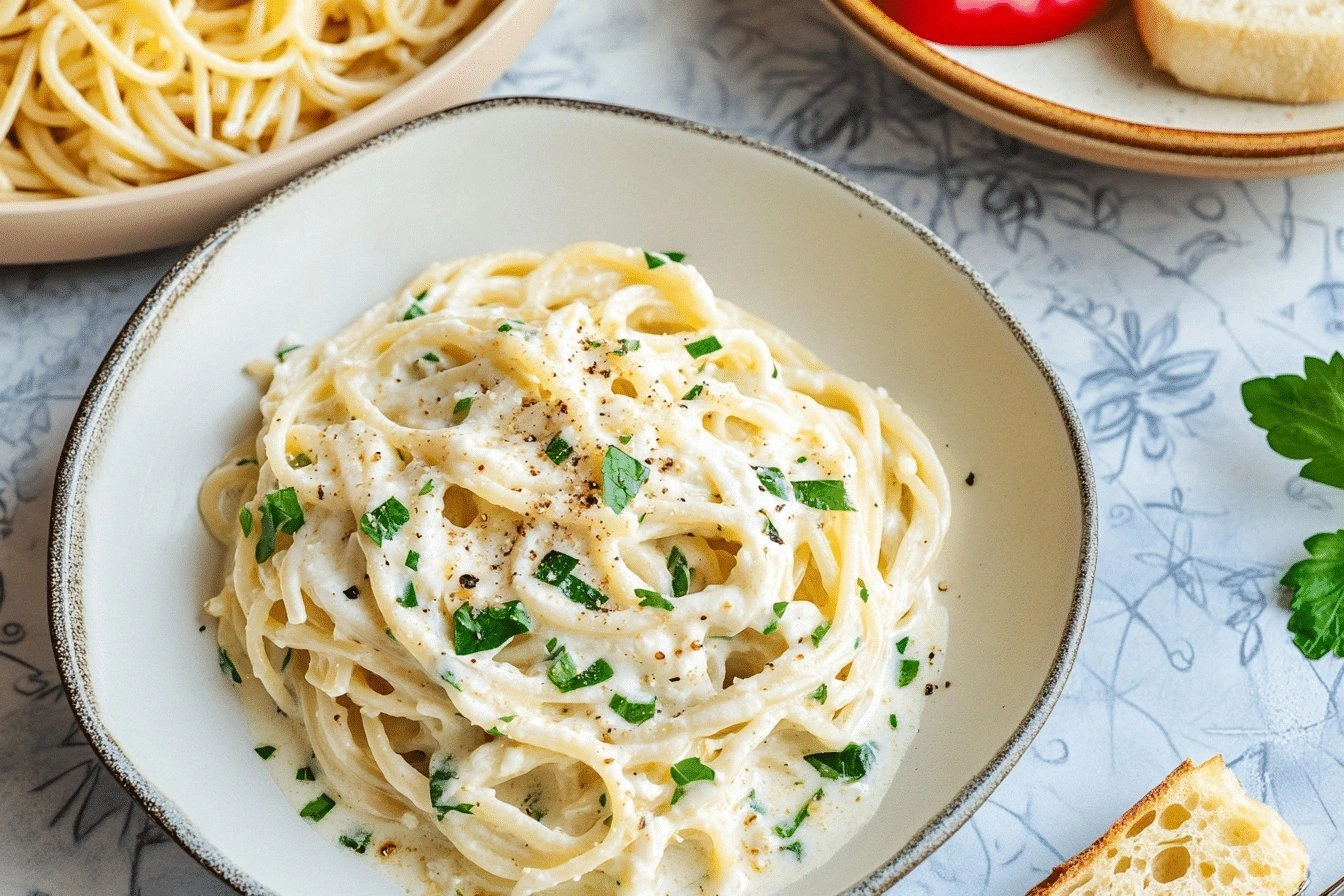
The first thing you notice is the aroma—rich butter, toasted flour, and that unmistakable scent of garlic sizzling in a pan. It’s a smell that makes the entire kitchen feel like a cozy, buttery sanctuary. When you pour the sauce over the spaghetti, the noodles gleam like polished silver, each strand coated in a silky, velvety coat that clings without being greasy. The taste is a harmonious blend of creamy, savory, and a hint of nutmeg that lingers on the palate, leaving you craving more. It’s not just food; it’s an experience that feels like a hug from the inside out.
What sets this version apart is the meticulous layering of flavors and textures, the precise timing of each step, and a few secret tweaks that elevate a humble dish into a showstopper. I’ve spent countless evenings tweaking this recipe, and the result is hands down the best version you’ll ever make at home. I’ll be honest—half the batch disappeared before anyone else could even taste a bite. The result? A dish that’s so irresistible, it’s almost a culinary dare.
Picture yourself pulling this out of the oven, the whole kitchen smelling incredible, and the table set with a steaming plate of pasta that looks like it’s been kissed by a culinary wizard. Let me walk you through every single step—by the end, you’ll wonder how you ever made it any other way.
What Makes This Version Stand Out
- Flavor Depth: A subtle nutmeg infusion and fresh parsley give the sauce a nuanced complexity that transforms plain pasta into a gourmet experience.
- Texture: The roux creates a silky, stable base that prevents the sauce from separating, ensuring every bite is smooth and creamy.
- Ingredient Quality: Using fresh, high‑grade cheeses and butter elevates the dish, making the flavor profile unmistakably rich.
- Time Efficiency: The entire process takes less than 45 minutes, making it perfect for busy weeknights without sacrificing taste.
- Make‑Ahead Friendly: The sauce can be prepared in advance and reheated without losing its silky texture.
- Versatility: Add proteins or vegetables to adapt the dish for any dietary preference.
- Crowd Appeal: The creamy, comforting nature of this dish makes it a guaranteed hit at family dinners.
- Presentation: The glossy finish and vibrant herbs turn a simple plate into a visual masterpiece.
Inside the Ingredient List
The Flavor Base
Butter is the foundation of any great white sauce; it adds richness and a buttery depth that cannot be replicated by oil alone. A tablespoon of butter, melted, creates a silky base that coats the flour and sets the stage for a creamy finish. If you’re looking for a lower‑fat option, try a light butter or a butter‑oil blend, but be aware that the flavor will be slightly milder.
The Texture Crew
All‑purpose flour is the magic glue that thickens the sauce. It absorbs the butter, forming a roux that prevents the milk from separating. For a gluten‑free version, substitute with a 1:1 gluten‑free flour blend. The flour’s role is critical—without it, the sauce will be thin and runny.
The Unexpected Star
Nutmeg is the secret ingredient that adds a subtle warmth and complexity. A pinch of nutmeg elevates the sauce from plain to sophisticated, giving it a gentle spice that lingers on the palate. If you’re allergic or simply dislike nutmeg, you can replace it with a dash of cinnamon for a slightly different flavor profile.
The Final Flourish
Fresh parsley not only adds color but also a bright, herbaceous note that balances the richness of the cheese. A tablespoon of chopped parsley tossed in at the end of cooking brightens the dish and gives it a fresh finish. For an extra burst of flavor, sprinkle a pinch of dried oregano or basil as a final touch.
Everything’s prepped? Good. Let’s get into the real action.
The Method — Step by Step
- Step 1: Cook the Pasta. Bring a large pot of salted water to a rolling boil. Add 400g of spaghetti and cook until al dente, about 8 minutes. Drain and reserve a cup of pasta water before setting the pasta aside. The pasta should still be firm to the bite; it will absorb the sauce later.
- Step 2: Melt Butter. In a large skillet, melt 30g of butter over medium heat. Watch for the butter to foam and then turn a pale golden color. This is the moment of truth—don’t let it burn, or the sauce will taste bitter.
- Step 3: Add Flour. Sprinkle 15g of all‑purpose flour into the melted butter. Stir constantly with a whisk to form a smooth roux. Cook for 2 minutes until the mixture turns a light golden hue and smells nutty. This step eliminates raw flour taste.
- Step 4: Introduce Milk. Slowly pour 480ml of whole milk into the skillet while whisking vigorously. The sauce should thicken immediately; if it’s too thick, add a splash of reserved pasta water. Aim for a silky, pourable consistency that coats the back of a spoon.
- Step 5: Season the Sauce. Add 2 minced garlic cloves, 5g of salt, 2g of black pepper, and a pinch of nutmeg. Let the mixture simmer gently for 3 minutes, allowing the flavors to meld. The garlic should release its aroma but not burn.
- Step 6: Incorporate Cheeses. Reduce heat to low and fold in 112g of shredded mozzarella and 55g of grated parmesan. Stir until the cheeses melt completely, creating a glossy, uniform sauce. If the sauce becomes too thick, add a bit more milk or pasta water.
- Step 7: Combine Pasta and Sauce. Return the drained spaghetti to the skillet and toss vigorously, ensuring every strand is coated. If the sauce feels too thick, drizzle a little pasta water to loosen it. The pasta should look glossy and be coated evenly.
- Step 8: Final Touch. Sprinkle 10g of chopped parsley over the pasta. Give a final toss, then plate immediately while hot. The parsley should add a pop of color and a fresh, herbal note that balances the richness.
That’s it—you did it. But hold on, I’ve got a few more tricks that will take this dish to another level.
Insider Tricks for Flawless Results
The Temperature Rule Nobody Follows
Many cooks heat the sauce too high, causing the milk to curdle. Keep the heat low once you’ve added the cheeses, and stir gently. This keeps the sauce silky and prevents a lumpy texture that can ruin the dish.
Why Your Nose Knows Best
A well‑seasoned sauce will have a complex aroma that signals readiness. When the garlic releases its scent and the nutmeg’s warm fragrance appears, you know the sauce is perfectly balanced.
The 5‑Minute Rest That Changes Everything
After tossing the pasta with sauce, let the dish rest on the stove for 5 minutes with the heat off. This allows the pasta to absorb the sauce fully, resulting in a richer flavor profile.
Cheese Swaps for Extra Creaminess
If you prefer a tangier sauce, swap half the mozzarella for cream cheese or ricotta. The result is a velvety texture with a subtle tang that pairs beautifully with the nutmeg.
A Dash of Lemon for Brightness
Add a squeeze of fresh lemon juice before serving. The citrus cut through the richness, adding a bright finish that keeps the dish from feeling heavy.
Quick Fix for Over‑Boiled Pasta
If your pasta is over‑cooked, toss it in a little olive oil before adding the sauce. The oil coats the strands, preventing them from sticking together.
Creative Twists and Variations
This recipe is a playground. Here are some of my favorite ways to switch things up:
Garlic Parmesan Crust
Add a layer of breadcrumbs mixed with grated parmesan and a dash of garlic powder before baking. The result is a crunchy, savory crust that adds texture to each bite.
Spinach & Mushroom Fusion
Sauté sliced mushrooms and fresh spinach before adding the sauce. The earthy flavors complement the creamy base, making it a hearty, vegetable‑filled dinner.
Pesto‑Infused Surprise
Stir in a spoonful of basil pesto into the sauce just before serving. The green burst adds freshness and a burst of herbal flavor that brightens the dish.
Smoked Salmon Edition
Fold in chunks of smoked salmon after the pasta has cooled slightly. The smoky, briny bite pairs wonderfully with the creamy sauce.
Vegetarian Protein Boost
Add chickpeas or tofu cubes for a protein punch. The neutral flavors absorb the sauce, turning the dish into a complete meal.
Spicy Kick Variation
Mix in a pinch of red pepper flakes or a drizzle of hot sauce. The heat contrasts with the creamy base, creating a dynamic flavor profile.
Storing and Bringing It Back to Life
Fridge Storage
Cool the pasta to room temperature, then transfer it to an airtight container. Store in the fridge for up to 2 days. When ready to reheat, add a splash of milk to restore creaminess.
Freezer Friendly
Freeze the cooked pasta and sauce together in a freezer‑safe container. Label with the date and use within 3 months. Thaw overnight in the fridge before reheating.
Best Reheating Method
Reheat gently on low heat, stirring frequently. Add a tiny splash of water or milk before heating to prevent the sauce from thickening too much. The result will be as silky as when it was first made.