If you've ever struggled with this, you're not alone — and I've got the fix. The next step? Let me walk you through every single step — by the end, you'll wonder how you ever made it any other way. Stay with me here — this is worth it.
What Makes This Version Stand Out
- Taste: The combination of brown sugar, orange juice, and lemon juice creates a layered sweetness that dances on the tongue, leaving a lingering citrus finish that sets it apart from standard raisin pies.
- Texture: A silky glaze coats the raisins and walnuts, while the crust delivers a buttery crunch that shatters like thin ice when you bite into it.
- Simplicity: The recipe uses only eleven ingredients, all of which can be found in any grocery store, making it a go-to for busy cooks.
- Uniqueness: The addition of orange zest and lemon juice provides a bright, refreshing contrast that elevates the classic raisin pie into a modern, sophisticated dessert.
- Crowd Reaction: Friends who’ve tried this version rave about the depth of flavor and the glossy finish, often asking for the recipe after every gathering.
- Ingredient Quality: Using high‑quality raisins, fresh citrus juice, and real walnut pieces ensures a premium experience that no store‑bought pie can match.
- Cooking Method: A two‑stage bake—first to set the crust and then a quick glaze—keeps the filling moist without becoming soggy.
- Make‑ahead Potential: The pie can be assembled a day ahead; the glaze will only intensify, making it a convenient option for entertaining.
Inside the Ingredient List
The Flavor Base
Brown sugar is the backbone of the glaze, providing a deep caramel note that balances the acidity of the citrus. Without it, the pie would taste like a bland fruit tart. When you whisk it into the water, it dissolves quickly, creating a syrup that coats each raisin with a glossy sheen. If you skip brown sugar, the glaze will lack depth, and the pie will feel underseasoned.
The Texture Crew
Cornstarch is the secret agent that thickens the glaze, giving it that silky, cling‑on texture that holds the raisins together. A pinch of cornstarch also prevents the filling from seeping out of the crust during baking. If you omit cornstarch, the filling will be runny, and the crust will become soggy. For a gluten‑free version, consider using arrowroot powder as a substitute.
The Unexpected Star
Walnuts add a subtle nutty crunch that contrasts beautifully with the soft raisins. They also bring healthy fats and a slight earthy flavor that elevates the overall taste profile. If you’re allergic or simply don’t have walnuts on hand, pecans or almonds work well as alternatives. Just keep in mind that different nuts will alter the flavor slightly.
The Final Flourish
Orange zest and lemon juice are the final touches that brighten the entire pie, preventing it from feeling too heavy. The zest brings aromatic oils that linger long after the first bite, while the lemon juice offers a sharp counterpoint to the sweetness. If you prefer a more subtle citrus note, reduce the lemon juice to one tablespoon and increase the orange zest.
Everything's prepped? Good. Let's get into the real action.
The Method — Step by Step
- Preheat your oven to 375°F (190°C). While the oven warms, roll out one pie crust on a lightly floured surface, then transfer it to a 9‑inch pie dish. This first crust will serve as the base; its buttery flavor is crucial for a balanced pie. Let the crust rest on a sheet of parchment to keep it from drying out.
- In a medium saucepan, combine 1 cup brown sugar, 1 1/3 cups water, and 3 tablespoons cornstarch. Stir until the cornstarch is fully dissolved, then bring the mixture to a gentle simmer over medium heat. The glaze should thicken to a syrupy consistency; you’ll notice it starts to coat the back of a spoon. This is the moment of truth—if it’s too thin, the pie will be soggy.
- Add 1/2 cup orange juice and 3 tablespoons lemon juice to the saucepan. Stir vigorously; the citrus juices will react with the sugar, creating a bright, tangy base. Keep the mixture simmering for 3–4 minutes, or until it reaches a glossy sheen. The aroma at this stage should be intoxicating, a sweet citrus perfume that fills the kitchen.
- Stir in 1 teaspoon orange zest and 1/2 cup chopped walnuts. The zest will release essential oils, while the walnuts will add a nutty crunch that contrasts the soft raisins. Let the mixture cook for an additional 2 minutes, allowing the flavors to meld. This step is crucial for achieving the depth of flavor that sets this pie apart.
- Fold 2 cups raisins into the glaze, ensuring each raisin is coated. The raisins will absorb the sweet citrus mixture, becoming plump and glossy. If you want a more intense raisin flavor, let the mixture sit for a few minutes before adding the raisins, allowing them to soak up the glaze fully.
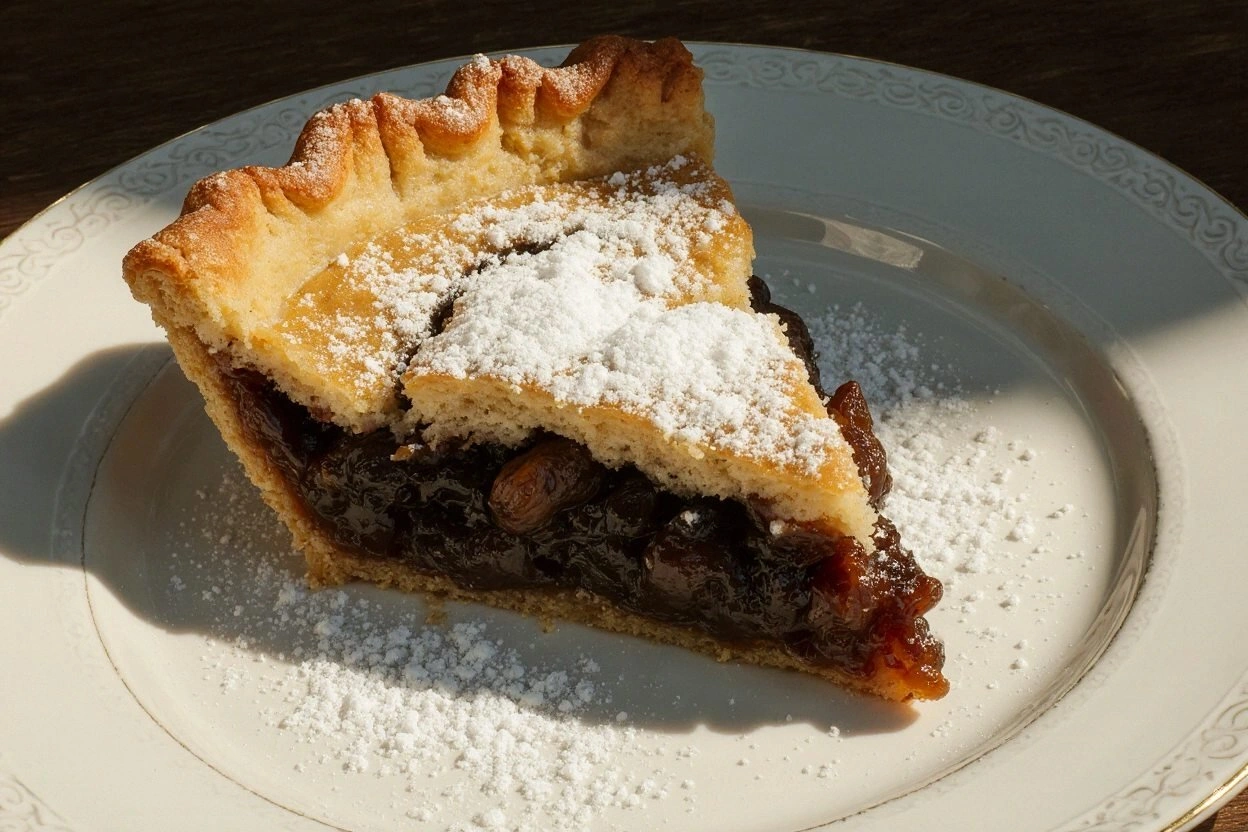
- Transfer the raisin mixture to the prepared crust, spreading it evenly. The filling should sit just above the crust line, creating a perfect border. This is where the pie’s visual appeal starts to take shape; a neat, even layer will bake into a beautiful, glossy surface.
- Roll out the second pie crust and place it over the filling. Trim the edges of the top crust to match the bottom, then crimp the edges together to seal the pie. This double‑crust method locks in moisture and creates a classic, flaky top. Don’t forget to cut a few slits in the top to allow steam to escape.
- Brush the top crust with 1 egg white, then sprinkle 1–2 teaspoons granulated sugar over the surface. The egg white gives the crust a beautiful golden sheen, while the sugar creates a subtle caramelized crust that adds crunch. Place the pie in the preheated oven and bake for 30 minutes, or until the crust is golden brown and the filling bubbles.
- Remove the pie from the oven and let it rest on a wire rack for 10 minutes. This rest period allows the filling to set, preventing it from spilling when sliced. The aroma will be irresistible—sweet, citrusy, and nutty all at once. If you’re hungry, the pie is ready to serve now, but for best results, allow it to cool completely.
That's it — you did it. But hold on, I've got a few more tricks that'll take this to another level.
Insider Tricks for Flawless Results
The Temperature Rule Nobody Follows
Many bakers bake at 350°F, but for a crisp crust and a moist filling, 375°F is ideal. The higher temperature ensures the crust browns evenly without drying out the filling. If your oven runs hot, reduce the temperature by 25°F to avoid over‑browning.
Why Your Nose Knows Best
During the glaze simmer, the scent of caramelizing sugar will signal when it’s ready. A strong, sweet aroma indicates the glaze has thickened enough to coat the raisins. If it smells too sweet, the glaze may be overcooked, leading to a burnt taste.
The 5-Minute Rest That Changes Everything
After baking, let the pie rest for 5 minutes before cutting. This rest period allows the glaze to set, preventing the filling from spilling out of the crust. The first slice will be the most beautiful, with a glossy finish and a balanced bite.
The Crust Sealing Technique
When sealing the top crust, use a fork to press the edges together. This not only creates a decorative pattern but also ensures the filling stays inside during baking. A tight seal also prevents steam from forming pockets that can cause the crust to puff unevenly.
The Quick Glaze Trick
If you want an extra shine, brush the top crust with a beaten egg yolk instead of an egg white. The yolk’s fat content gives a richer, deeper color. However, be careful not to over‑apply; too much yolk can make the crust greasy.
Creative Twists and Variations
This recipe is a playground. Here are some of my favorite ways to switch things up:
Maple Walnut Delight
Swap the orange juice for maple syrup and replace the lemon juice with a splash of vanilla extract. The result is a sweet, caramel‑like filling that pairs perfectly with toasted walnuts.
Spiced Ginger Twist
Add 1 teaspoon ground ginger and 1/4 teaspoon cinnamon to the glaze. The warm spices bring a cozy, holiday feel to the pie, making it ideal for winter gatherings.
Cranberry & Almond Variation
Use dried cranberries instead of raisins and substitute almond flour for the crust. The tart cranberries balance the sweet glaze, while the almond crust adds a nutty undertone.
Chocolate Raisin Fusion
Fold in 1/4 cup dark chocolate chips into the raisin mixture before baking. The chocolate melts into the glaze, creating a rich, decadent flavor profile that satisfies any chocolate craving.
Almond Joy Inspired
Top the pie with shredded coconut and a drizzle of almond butter after baking. The coconut adds texture, while the almond butter gives a nutty, buttery finish reminiscent of the classic candy bar.
Storing and Bringing It Back to Life
Fridge Storage
Wrap the cooled pie tightly in plastic wrap and store in the refrigerator for up to 3 days. The glaze will firm up, giving the pie a more substantial bite. When you’re ready to serve, let it sit at room temperature for 15 minutes to soften slightly.
Freezer Friendly
Place the pie in a freezer‑safe container or zip‑lock bag, ensuring it’s well wrapped to prevent freezer burn. Freeze for up to 2 weeks. Thaw overnight in the refrigerator before reheating.
Best Reheating Method
Reheat the pie in a preheated 350°F oven for 10 minutes, or until the crust is crisp again. Before reheating, add a tiny splash of water to the center of the filling; the steam will revive the moistness without making it soggy.