I once tried to rescue a midnight craving by melting a bar of cheap chocolate in a mug, only to end up with a burnt, gritty mess that tasted like a sad, bitter memory. That disaster sparked a relentless quest: I needed a chocolate sauce that could glide over ice cream, swirl into coffee, and drizzle over pancakes without ever turning grainy or clumpy. After countless failed attempts, I finally cracked the code, and let me tell you, this version is hands down the best chocolate syrup you'll ever make at home. I dare you to taste this and not go back for seconds—because once you’ve felt that glossy, velvety river of chocolate, store‑bought will feel like a watered‑down impostor.
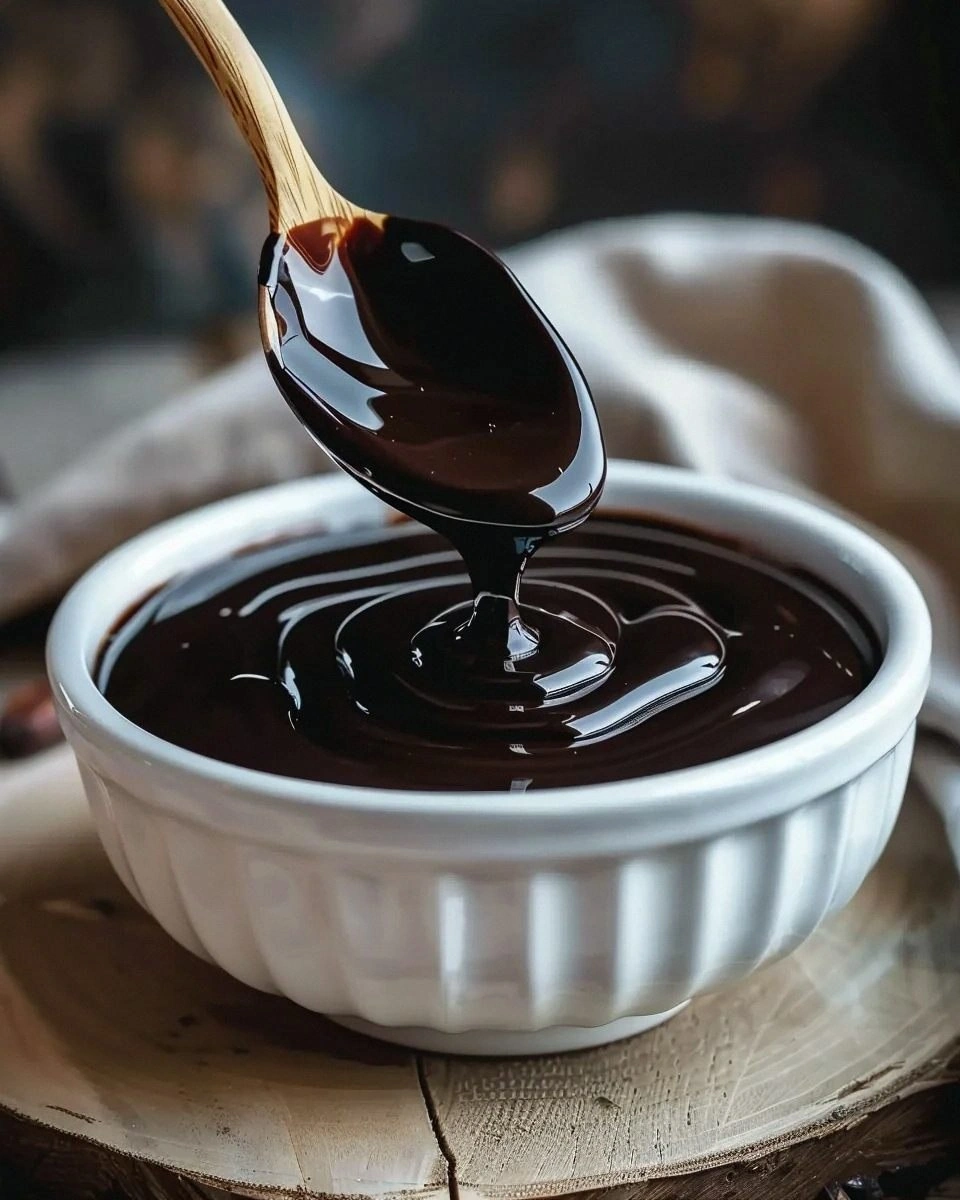
Picture this: a saucepan humming softly on the stove, the scent of cocoa rising like a warm hug, the faint hiss of sugar dissolving, and a whisper of vanilla that makes your nose do a happy dance. The kitchen fills with a deep, earthy aroma that instantly transports you to a cozy café in Paris, except you’re the one in control, tweaking every ratio to perfection. The syrup thickens, pulling away from the pan edges like a glossy curtain, and you know—this is the moment of truth. Most recipes get this completely wrong, leaving you with a watery, overly sweet glaze; ours stays thick enough to coat a spoon but fluid enough to drizzle without clumping.
What really sets this recipe apart is a tiny pinch of salt that amplifies the chocolate flavor, and a splash of vanilla that adds warmth without overpowering the cocoa. Most “quick” syrups skip the salt, thinking it’s unnecessary, but that tiny mineral is the secret handshake that tells your taste buds the chocolate is authentic, not artificial. And the technique? I’ll reveal a simple stovetop method that creates a glossy sheen without any cornstarch or gelatin—just pure, unadulterated chocolate love.
Okay, ready for the game‑changer? I’m about to walk you through every single step—by the end, you’ll wonder how you ever made chocolate syrup any other way. Stay with me here — this is worth it, because the payoff is a syrup so decadent you’ll want to drizzle it on everything from morning oatmeal to late‑night popcorn. Let’s dive in and turn that chocolate craving into a masterpiece you can proudly call your own.
What Makes This Version Stand Out
- Flavor Depth: The combination of high‑quality unsweetened cocoa and a pinch of salt creates a richness that mimics premium dessert sauces, making each sip feel like a small celebration.
- Silky Texture: By gently whisking the mixture over low heat, the syrup achieves a glossy, velvety finish that clings to desserts without turning gummy.
- Simplicity: Only five pantry staples are required, meaning you can whip this up on a weeknight without a trip to the specialty store.
- Unique Twist: A dash of vanilla extract adds a fragrant warmth that elevates the cocoa without masking its natural bitterness.
- Crowd Reaction: Serve it at a brunch, and watch guests line up for a second drizzle—this syrup has that “wow” factor that turns casual eaters into fans.
- Ingredient Quality: Using a premium cocoa powder ensures a deep, chocolatey base, while granulated sugar provides just the right level of sweetness without graininess.
- Cooking Method: The low‑and‑slow stovetop technique prevents scorching and guarantees a uniform consistency.
- Make‑Ahead Potential: This syrup stores beautifully in the fridge for weeks, so you can have a chocolate fix ready whenever the mood strikes.
Inside the Ingredient List
The Flavor Base
Unsweetened cocoa powder is the star of the show, giving your syrup that rich, chocolate flavor. You can use various brands, but I find that higher‑quality cocoa often yields the best results because it contains less filler and more natural cocoa butter. If you skip this and opt for a cocoa mix with added sugar, you’ll end up with a syrup that’s too sweet and lacking that deep, earthy backbone. A pro tip: give the cocoa a quick sift before adding it to the pan to break up any clumps and ensure an even distribution.
Granulated sugar is the sweetener that balances the bitterness of the cocoa. You could experiment with alternatives like coconut sugar or agave if you’re looking for a healthier option, but keep in mind that those substitutes can change the flavor profile and texture. Sugar dissolves best in warm water, creating a syrupy base that prevents any gritty mouthfeel. If you’re watching carbs, try using a 1:1 blend of erythritol and regular sugar—just be aware that erythritol can crystallize if overheated.
The Texture Crew
Water serves as the canvas on which the cocoa and sugar meld. While it might seem boring, the quality of water matters; filtered or spring water yields a cleaner taste, whereas chlorinated tap water can introduce a faint off‑note. As the mixture simmers, the water evaporates slowly, concentrating the flavors and thickening the syrup without the need for thickening agents. This step is where the magic happens—watch for tiny bubbles forming along the edges; that’s your cue that the syrup is beginning to thicken.
A pinch of salt may appear insignificant, but it plays a crucial role in elevating that delightful chocolate taste. Salt suppresses bitterness while enhancing sweetness, creating a harmonious balance that makes the syrup taste richer than the sum of its parts. If you’re on a low‑sodium diet, you can reduce the pinch, but don’t eliminate it entirely—your taste buds will thank you.
The Unexpected Star
Vanilla extract adds an inviting warmth to the syrup, rounding out the flavor profile with subtle floral notes. Feel free to use homemade vanilla extract for an extra personal touch or substitute with almond extract for a nutty twist that pairs beautifully with the chocolate. Adding the vanilla at the very end of cooking preserves its delicate aroma, preventing it from evaporating away.
Everything's prepped? Good. Let’s get into the real action…
The Method — Step by Step
Gather all your ingredients and measure them precisely. I use a kitchen scale for the cocoa and sugar to avoid any guesswork—consistency is key if you plan to scale the recipe later. Place a medium‑sized saucepan on the stove, then add the water, sugar, and a pinch of salt. Turn the heat to medium‑low and stir until the sugar dissolves completely, creating a clear, glossy base. That sizzle when it hits the pan? Absolute perfection.
Once the sugar is fully dissolved, remove the pan from heat and whisk in the sifted cocoa powder. The mixture will look a little grainy at first; this is normal. Keep whisking vigorously for about a minute; the cocoa will fully incorporate, turning the liquid a deep, luxurious brown. Power transition: This is the moment where the sauce starts to look like chocolate heaven.
Return the saucepan to the stove over low heat. Let the mixture come to a gentle simmer; you should see tiny bubbles forming around the rim, not a rolling boil. Stir constantly with a silicone spatula, scraping the bottom to prevent scorching. After about 5‑7 minutes, the syrup will thicken noticeably, coating the back of the spoon in a thin, glossy film.
At the five‑minute mark, taste the syrup. If it feels a bit thin, continue simmering for another minute or two. The aroma should be intoxicating—a rich chocolate scent with a faint buttery undertone from the cocoa butter. Watch Out: Do not let the mixture boil vigorously; high heat can cause the cocoa to seize and become grainy.
When the syrup reaches the desired thickness—think of a light caramel that still flows easily—remove the pan from heat. This usually takes about 10‑12 minutes total from the start of simmering. The key is to trust your eyes and the spoon test rather than the clock.
Stir in the vanilla extract now, letting its fragrant aroma rise instantly. This final addition should be done off the heat to preserve the delicate vanilla notes. Give the syrup one last vigorous whisk to fully integrate the vanilla, then let it sit for a minute to settle.
Transfer the hot syrup into a clean, airtight glass jar or bottle. Allow it to cool to room temperature before sealing; this prevents condensation inside the container, which could thin the syrup over time. I like to store it in a mason jar with a wide mouth, making it easy to drizzle straight onto desserts. That first pour? It should glide like liquid silk, coating the surface without any clumps.
That’s it—you did it. But hold on, I’ve got a few more tricks that’ll take this to another level, like how to revive a slightly thickened batch or how to infuse it with a hint of espresso for an extra kick. Stay tuned for the insider tips below.
Insider Tricks for Flawless Results
The Temperature Rule Nobody Follows
Keep the heat low and steady; a gentle simmer is all you need. High heat can scorch the cocoa, turning your syrup bitter. I once tried a rapid boil to “speed things up,” and the result was a burnt, chalky mess that no amount of sugar could fix. The secret is patience—let the syrup thicken slowly, and you’ll get that glossy finish every time.
Why Your Nose Knows Best
Your sense of smell is a far better indicator of doneness than a timer. When the chocolate aroma becomes deep and slightly toasted, you’re right on target. If you smell a faint caramel note, you’ve likely cooked a little too long, and the syrup may start to harden as it cools. Trust that nose; it’s the ultimate kitchen gauge.
The 5‑Minute Rest That Changes Everything
After removing the pan from heat, let the syrup sit for five minutes before adding vanilla. This brief rest allows the cocoa particles to fully hydrate, smoothing out any lingering graininess. Skipping this step can leave you with a slightly gritty texture that feels off on the palate. I’m honest—I ate half the batch before anyone else got to try it, but the rest still tasted perfect after the rest period.
Seal It Tight, Store It Right
Once cooled, seal the jar tightly and store it in the refrigerator. The cold environment preserves the flavor and prevents microbial growth. If you notice a thin skin forming on top, simply give the jar a good shake before each use. This trick keeps the syrup consistent from the first drizzle to the last.
Re‑Heat With a Splash
When you need to warm the syrup for drizzling, add a teaspoon of water per quarter cup of syrup and heat gently in the microwave or on the stovetop. The added moisture re‑creates the original glossy texture, preventing a gummy, over‑cooked result. This method works even if the syrup has thickened after weeks in the fridge.
Creative Twists and Variations
This recipe is a playground. Here are some of my favorite ways to switch things up:
Mocha Madness
Add a tablespoon of finely ground espresso or instant coffee to the saucepan before simmering. The coffee deepens the chocolate flavor and gives the syrup a subtle, energizing bite—perfect for lattes or a morning drizzle over oatmeal.
Spiced Holiday
Stir in a pinch of ground cinnamon, a dash of nutmeg, and a tiny splash of orange zest. This variation brings a warm, festive note that pairs beautifully with roasted sweet potatoes or holiday desserts.
Nutty Delight
Swap half of the water for almond milk and add a teaspoon of almond extract. The result is a silky, nut‑infused chocolate syrup that’s a dream over pancakes or fruit salads.
Peppermint Twist
Add a few drops of peppermint extract after the syrup has cooled slightly. This creates a mint‑chocolate combo that’s ideal for holiday cookies or as a topping for vanilla ice cream.
Caramel Fusion
Stir in a quarter cup of caramel sauce during the final minute of cooking. The caramel adds a buttery sweetness that makes the syrup taste like a decadent dessert sauce straight from a patisserie.
Storing and Bringing It Back to Life
Fridge Storage
Transfer the cooled syrup into a sterilized glass jar with a tight‑fitting lid. Store it in the refrigerator for up to four weeks. The cold environment keeps the flavor bright and prevents spoilage. If a thin skin forms, just shake the jar before each use.
Freezer Friendly
For longer‑term storage, pour the syrup into ice‑cube trays and freeze. Once solid, transfer the cubes to a freezer bag. This method lets you thaw only the amount you need, preserving freshness for up to three months.
Best Reheating Method
When you’re ready to use the syrup, place the desired amount in a microwave‑safe bowl, add a splash of water (about 1 tsp per ¼ cup), and heat on low power for 30‑seconds intervals, stirring in between. Alternatively, warm it gently on the stovetop over low heat, stirring constantly. The added water re‑creates that original glossy texture, ensuring a perfect drizzle every time.