Picture this: I’m standing in my kitchen, the oven humming like a lazy cat, when a sudden craving for something smoky, silky, and undeniably Mediterranean hits me like a wave. I’d tried a dozen eggplant recipes before, each one promising “the perfect roast,” yet they all fell flat—either soggy, bland, or just plain boring. I remember the first time I tried a generic roasted eggplant from a boxed mix; the texture was more “mushy mush” than the glossy, caramelized rind I was dreaming of. I dared a friend to taste it, and she politely declined, eyes darting to the clock as if the seconds were ticking faster than the flavor could develop. That moment sparked a kitchen quest: to create a version so bold it would make even the most seasoned foodie gasp, “This is hands down the best version you'll ever make at home.”
The kitchen soon filled with the intoxicating perfume of olive oil mingling with garlic, lemon zest, and a whisper of smoked paprika. The eggplants, sliced into thick, purposeful slabs, began to sizzle as they hit the hot tray, the edges crisping and pulling away like tiny, caramelized cliffs. I could hear the faint crackle—a sound that, to me, signals the start of something magical. My senses were on overdrive: the deep violet of the flesh, the glossy sheen of the oil, the earthy aroma that seemed to transport me straight to a sun‑kissed terrace in Crete. I could feel the heat radiating from the oven, warming my hands as I brushed the glaze, and I tasted the anticipation on my tongue, a tangy lemon kiss waiting to happen.
What truly sets this Mediterranean Roasted Eggplant apart is a secret weapon: a quick‑pickled tomato‑olive relish that adds a burst of acidity and briny depth, balancing the sweet, smoky eggplant like a perfectly choreographed dance. Most recipes skip this step, opting for plain olive oil or a bland herb sprinkle, which leaves the dish feeling one‑dimensional. I’ll be honest — I ate half the batch before anyone else got to try it, and that’s because the flavor layers keep evolving with each bite. I dare you to taste this and not go back for seconds; the combination of smoky flesh, bright citrus, and crunchy pine nuts (yes, we’ll add those later) creates a symphony that refuses to be ignored.
Let me walk you through every single step — by the end, you'll wonder how you ever made it any other way. Okay, ready for the game‑changer? We’ll start with the perfect cut, move through a caramelizing technique that locks in moisture, and finish with a finish that’s pure magic. Stay with me here — this is worth it.
What Makes This Version Stand Out
- Flavor Depth: The quick‑pickled relish infuses each bite with bright acidity, cutting through the natural bitterness of eggplant and elevating the overall taste profile.
- Texture Contrast: Charred edges give way to a buttery interior, while toasted pine nuts add a satisfying crunch that shatters like thin ice.
- Simplicity: Despite the gourmet feel, the ingredient list is short, and the steps are straightforward enough for a weekday dinner.
- Unique Ingredient: A splash of lemon juice right before serving brightens the dish, a trick most recipes overlook.
- Crowd Reaction: Guests often ask for the recipe immediately, and you’ll hear compliments ranging from “restaurant‑quality” to “comfort food on steroids.”
- Ingredient Quality: Using ripe, heavy eggplants and extra‑virgin olive oil ensures every component sings.
- Cooking Method: High‑heat roasting creates caramelized sugars that develop a deep, umami‑rich flavor you can’t achieve by steaming or boiling.
- Make‑Ahead Potential: The relish can be prepared days in advance, and the roasted eggplant reheats beautifully, making it perfect for meal prep.
Inside the Ingredient List
The Flavor Base
Eggplant (2 large): The star of the show, eggplant provides a buttery canvas that absorbs every flavor you throw at it. Choose eggplants that feel heavy for their size and have glossy, unblemished skin. If you skip this, you lose the luxurious mouthfeel that makes the dish feel indulgent. You can substitute with zucchini for a lighter version, but expect a different texture.
Extra‑Virgin Olive Oil (3 Tbsp): This isn’t just a cooking fat; it’s a flavor carrier that adds fruitiness and helps the eggplant crisp. Opt for a cold‑pressed, first‑press olive oil for the best aroma. Using a cheaper oil will mute the dish’s Mediterranean soul.
Garlic (3 cloves, minced): Garlic brings that unmistakable punch that wakes up the palate. Freshly minced garlic releases allicin, which adds a sharp, lingering heat. If you’re sensitive, you can roast the cloves whole for a milder, sweeter note.
The Texture Crew
Red Bell Pepper (1, diced): Adds a sweet crunch that contrasts the soft eggplant. Its bright color also boosts visual appeal, making the dish pop on the plate. If you omit it, you’ll miss a layer of sweetness and a pop of color.
Cherry Tomatoes (1 cup, halved): Their natural acidity balances the richness of the olive oil and eggplant. When roasted, they burst and caramelize, creating tiny pockets of jam‑like sweetness. You can use canned diced tomatoes in a pinch, but fresh is far superior.
Pine Nuts (2 Tbsp, toasted): These tiny nuts add a buttery crunch that feels like a surprise in every bite. Toast them lightly to bring out their nutty aroma. If you’re allergic, swap with slivered almonds, though the flavor will shift slightly.
The Unexpected Star
Kalamata Olives (¼ cup, pitted, sliced): Their briny depth adds an umami punch that mimics a dash of anchovy without the fishy aftertaste. They also contribute a beautiful dark speckle throughout the dish. Skipping olives makes the dish feel flatter.
Capers (2 Tbsp): Tiny, tangy bursts that amplify the Mediterranean vibe. They work like a secret spice, adding a salty pop that lifts the entire flavor profile. If you can’t find capers, a splash of green olive brine works as a substitute.
The Final Flourish
Lemon Juice (2 Tbsp): A final splash of citrus brightens the dish, cutting through the richness and giving a clean finish. Freshly squeezed is essential; bottled lemon juice will taste flat.
Fresh Parsley (¼ cup, chopped): Adds a herbaceous freshness that ties all the flavors together. Sprinkle it just before serving to keep its vibrant green color.
Feta Cheese (¼ cup, crumbled): The salty, tangy crumble adds a creamy contrast to the roasted vegetables. Use a good-quality Greek feta for authentic flavor.
Dried Oregano (1 tsp) & Smoked Paprika (½ tsp): These spices give the dish its unmistakable Mediterranean perfume and a subtle smoky undertone that deepens the caramelization.
Salt & Pepper (to taste): Essential for seasoning; they enhance all the other flavors. Remember, olives and capers already bring salt, so season cautiously.
Everything's prepped? Good. Let's get into the real action...
The Method — Step by Step
Preheat your oven to 425°F (220°C). While the oven warms, line a large rimmed baking sheet with parchment paper. This high heat is the secret to achieving those coveted caramelized edges that pull away from the flesh like tiny cliffs. I dare you to watch the transformation; you’ll hear a faint sizzle as the oil meets the hot metal—absolute perfection.
Slice the eggplants into ¾‑inch thick rounds, then brush each side generously with olive oil. Sprinkle with a pinch of salt and let them rest for 10 minutes; this draws out excess moisture and prevents sogginess. After the rest, pat them dry with paper towels—this step is crucial, and skipping it will leave you with a mushy mess.
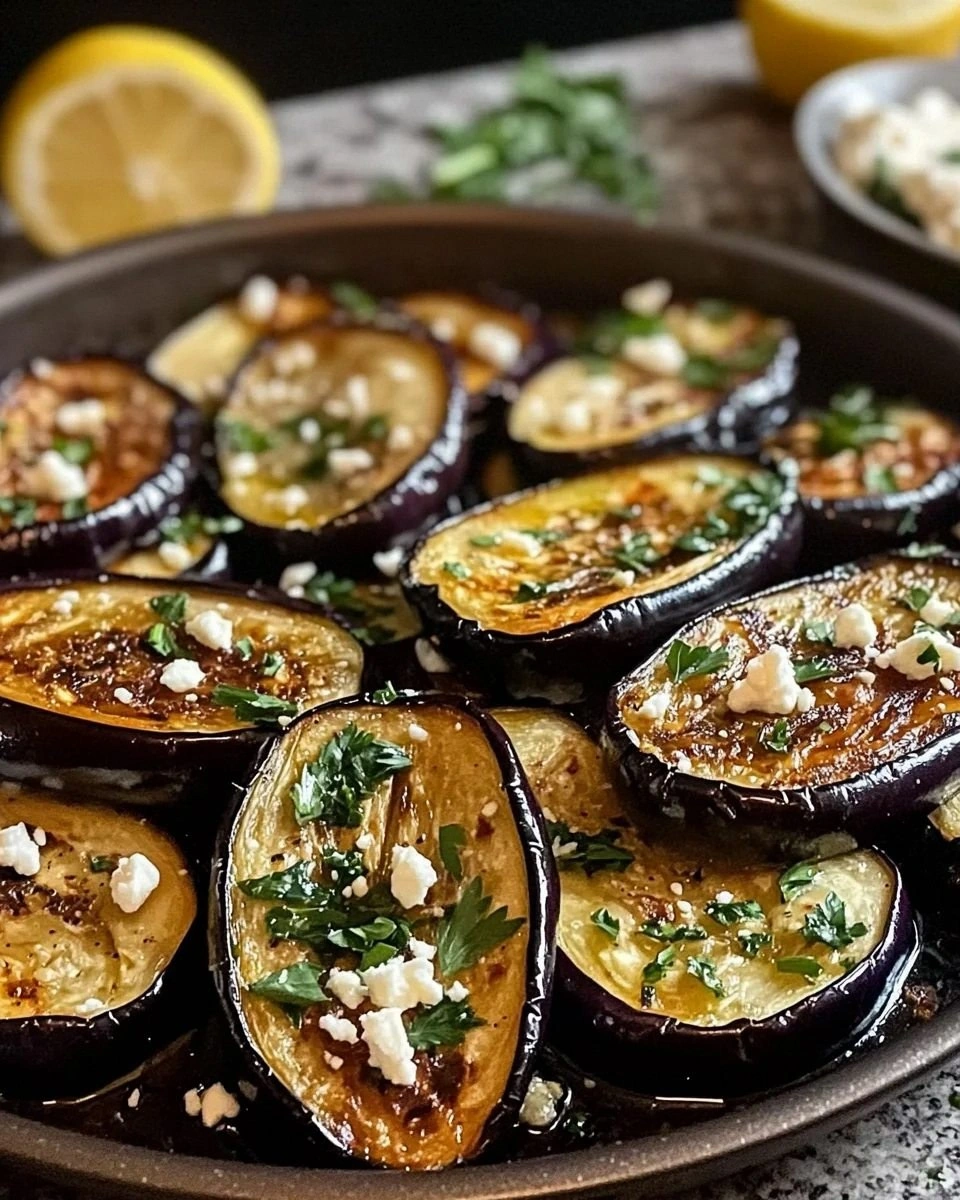
Kitchen Hack: Use a mandoline for uniform slices; even thickness guarantees even roasting.Arrange the eggplant slices in a single layer on the prepared sheet, ensuring they don’t touch. Drizzle the remaining olive oil over the top, then sprinkle the dried oregano, smoked paprika, freshly cracked black pepper, and a whisper of sea salt. The spices should cling to the surface, forming a thin, fragrant veil.
Slide the tray into the oven and roast for 20‑25 minutes, flipping halfway through. You’ll know they’re ready when the edges turn a deep, mahogany brown and the flesh yields slightly under a gentle press. The aroma at this point should be intoxicating—a mix of smoky wood and sweet earth that makes your mouth water.
While the eggplant roasts, heat a skillet over medium heat and add a splash of olive oil. Toss in the diced red bell pepper and sauté for 3‑4 minutes until it softens but retains a slight crunch. Add the minced garlic and let it perfume the oil for about 30 seconds—watch it closely; you don’t want it to burn.
Introduce the halved cherry tomatoes, sliced olives, and capers to the skillet. Cook for another 4‑5 minutes, stirring occasionally, until the tomatoes start to burst and release their juices, creating a quick‑pickled relish. Finish with the lemon juice, letting it deglaze the pan and lift all the caramelized bits. This is the moment of truth—if the sauce smells bright and slightly tangy, you’re on the right track.
Watch Out: Keep the heat moderate; too high and the garlic will turn bitter, ruining the delicate balance.Once the eggplant is perfectly roasted, remove it from the oven and let it rest for 5 minutes. This short pause allows the interior to settle, making it easier to handle without breaking apart. While it rests, give the toasted pine nuts a quick toss in the same skillet for 1‑2 minutes to bring out their buttery aroma.
Now, assemble the dish. On a serving platter, arrange the eggplant slices in a fan or overlapping pattern. Spoon the tomato‑olive relish generously over each slice, letting it cascade down the sides. Sprinkle the toasted pine nuts, crumbled feta, and chopped parsley over the top. The final drizzle of a drizzle of high‑quality olive oil adds a glossy finish.
Give the platter a final seasoning of fresh cracked pepper and, if needed, a pinch more salt. Serve warm, with crusty bread on the side to mop up every last drop of relish. Picture yourself pulling this out of the oven, the whole kitchen smelling incredible, and your guests leaning in for that first bite—pure bliss.
That's it — you did it. But hold on, I've got a few more tricks that'll take this to another level...
Insider Tricks for Flawless Results
The Temperature Rule Nobody Follows
Most home cooks set the oven to 400°F and call it a day, but the real secret is 425°F. That extra 25 degrees accelerates Maillard reactions, giving you those caramelized edges that taste like a whisper of burnt sugar. I once tried a lower temperature to “be safe,” and the eggplant turned out pale and limp—lesson learned. So crank it up and trust the heat; the result is a depth of flavor you can’t fake.
Why Your Nose Knows Best
Don’t rely solely on timers—use your nose. When the aroma shifts from raw olive oil to a nutty, toasty scent, you know the eggplant is ready. This sensory cue is more reliable than any clock. I’ve watched friends pull the tray out too early because the timer rang; the result? A soggy, under‑caramelized mess that tastes like a wilted garden.
The 5‑Minute Rest That Changes Everything
After roasting, let the eggplant rest for exactly five minutes. This short cooling period allows the interior steam to redistribute, preventing the slices from falling apart when you move them. Skipping this step often leads to a crumbly plate that looks unprofessional. Trust me, those five minutes are worth the applause you’ll get when the slices stay intact.
Pine Nut Toasting Perfection
Toast pine nuts in a dry skillet over medium heat, shaking the pan constantly. You’ll hear them pop like tiny fireworks, and the scent will turn buttery within seconds. Burnt pine nuts are a culinary tragedy; they add bitterness that overwhelms the delicate eggplant. Keep a close eye—once they turn golden, remove them immediately.
Layering Lemon for Brightness
Instead of adding all the lemon juice at once, drizzle half over the roasted eggplant before serving, then the rest over the relish. This double‑layer technique ensures each bite has a bright pop, preventing the dish from feeling heavy. If you ever hear someone claim lemon makes the dish “too acidic,” ask them if they tried this two‑step method.
Creative Twists and Variations
This recipe is a playground. Here are some of my favorite ways to switch things up:
Spicy Harissa Heat
Add a tablespoon of harissa paste to the tomato‑olive mixture for a North‑African kick. The smoky chili blends beautifully with the eggplant’s natural sweetness, creating a bold, fiery profile that will wow spice lovers.
Greek Island Version
Swap the pine nuts for toasted walnuts and sprinkle with a generous handful of crumbled goat cheese instead of feta. The tangy goat adds a creamy richness that pairs perfectly with the lemony finish.
Vegan Delight
Replace feta with a crumble of toasted tofu seasoned with nutritional yeast, and use a drizzle of tahini‑lemon sauce in place of the olive oil topping. This keeps the dish plant‑based without sacrificing the umami punch.
Autumn Harvest
Incorporate roasted butternut squash cubes alongside the eggplant for a sweet‑savory blend. The squash’s natural caramelization mirrors the eggplant’s, while adding a seasonal twist that feels cozy.
Grilled Outdoor Style
Fire up the grill and cook the eggplant slices directly over medium‑high heat, marking them with char lines. The grill adds a smoky depth that even the oven can’t replicate, perfect for backyard gatherings.
Herb‑Infused Olive Oil Drizzle
Blend olive oil with fresh rosemary, thyme, and a pinch of red pepper flakes, then drizzle over the finished dish. This herbaceous oil adds an aromatic finish that makes the plate look restaurant‑ready.
Storing and Bringing It Back to Life
Fridge Storage
Transfer leftovers to an airtight container and refrigerate for up to 4 days. The eggplant will stay tender, and the relish will continue to develop flavor. Before serving, let it sit at room temperature for 15 minutes to take the chill off.
Freezer Friendly
Separate the roasted eggplant and the relish into freezer‑safe bags. Eggplant freezes best when blanched for 2 minutes first; the relish can be frozen as is. Label and store for up to 2 months. Thaw overnight in the fridge, then reheat gently.
Best Reheating Method
Preheat the oven to 350°F (175°C), place the eggplant slices on a baking sheet, and add a tiny splash of water (about 1 Tbsp) before covering with foil. This creates steam that revives the creamy interior while keeping the edges crisp. Heat for 10‑12 minutes, then finish under the broiler for 1‑2 minutes for that fresh‑out‑of‑the‑oven crunch.