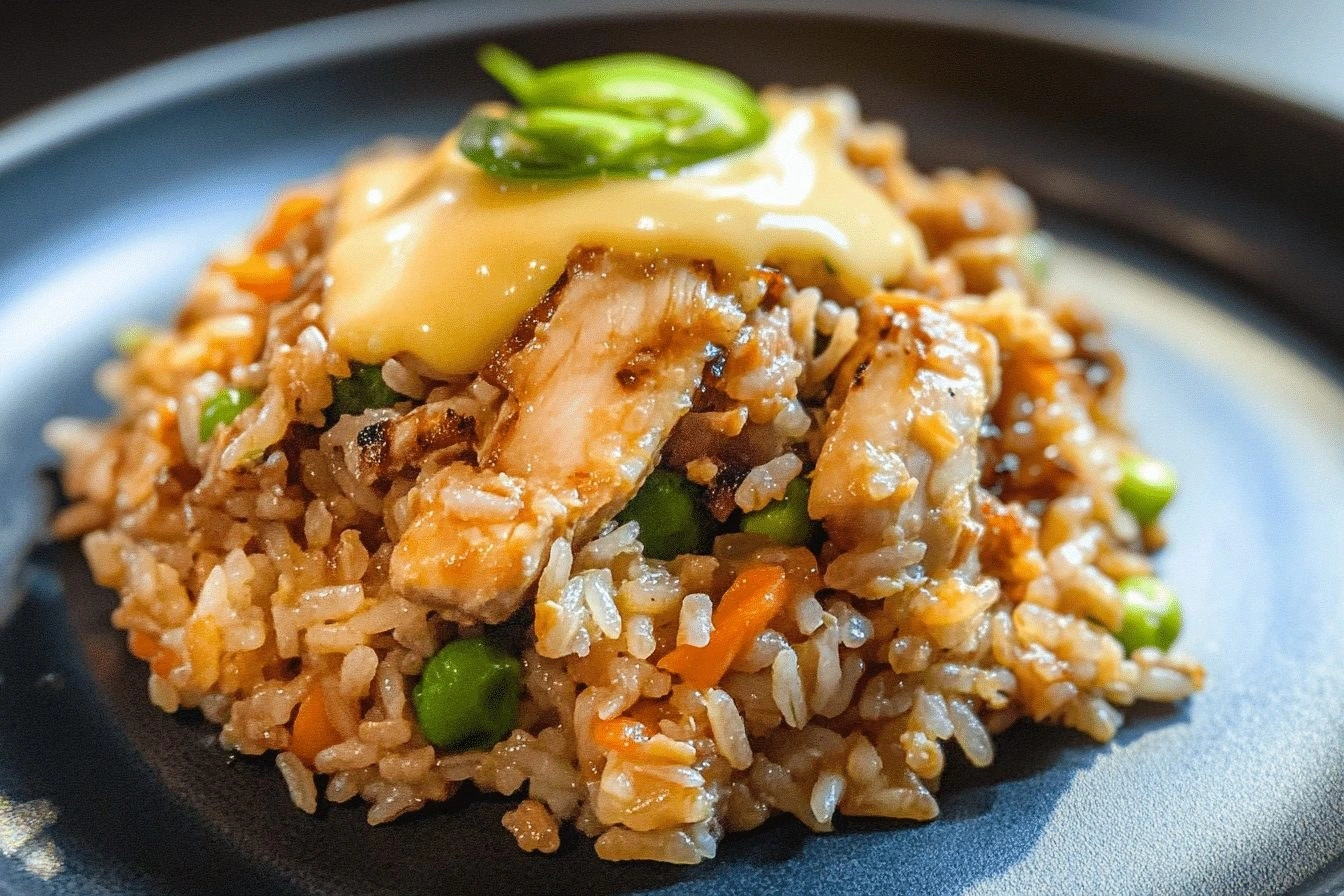
Picture this: a rainy Thursday night, the kind where the kitchen smells like a busted dishwasher and the only thing keeping me sane is the promise of a take‑out box from the nearest Japanese restaurant. I was staring at my empty pantry, the clock ticking louder than my stomach, when a sudden craving for that buttery, smoky hibachi chicken fried rice hit me like a freight train. I tossed a bag of frozen veggies in the freezer, grabbed the last chicken breast from the fridge, and declared war on bland leftovers. The result? A dish so bold it made the take‑out place I usually order from look like an amateur.
The moment the pan hit the burner, the air filled with a sizzle that sounded like applause. The garlic and ginger hit the oil, releasing an aroma that reminded me of a bustling Tokyo street market at midnight, while the chicken started to caramelize, its edges turning a deep, golden brown that shivered like thin ice under a weighty foot. When the rice finally joined the party, it absorbed the soy‑sesame glaze and turned glossy, each grain separating with a pop that felt like fireworks in a bowl. The green onions added a fresh burst, and the whole thing smelled like a celebration waiting to happen.
Most fried rice recipes out there either drown the rice in sauce, leaving it soggy, or they under‑season, resulting in a bland, mushy mess. I’ve tried those, and I’ll be honest — I ate half the batch before anyone else got to try it, because it was that good. This version stands out because it respects the integrity of each ingredient, layering flavors in a way that mimics a real hibachi grill without the expensive equipment. The secret? A splash of sesame oil at the very end that adds a nutty perfume reminiscent of a restaurant’s open kitchen, and a quick high‑heat toss that gives the rice a crispy edge that shatters like thin ice.
And now, the fun part: I’m about to hand you the exact steps, the exact ratios, and a few cheeky hacks that will make you look like a seasoned chef even if you’ve never used a wok before. Let me walk you through every single step — by the end, you’ll wonder how you ever made it any other way.
What Makes This Version Stand Out
- Flavor Explosion: The combination of soy sauce, garlic, ginger, and a finishing drizzle of sesame oil creates a umami punch that coats every grain like velvet, making each bite unforgettable.
- Texture Mastery: Day‑old rice ensures each grain stays separate and develops a crisp edge, while the chicken stays juicy, delivering a satisfying contrast between crunchy and tender.
- Simplicity Meets Sophistication: Only nine core ingredients, all pantry‑friendly, yet the result feels like a dish you’d order at a high‑end hibachi table.
- Ingredient Quality: Using chicken thighs (or breast) and fresh aromatics guarantees depth of flavor that cheap shortcuts can’t replicate.
- Crowd‑Pleaser Factor: I dare you to taste this and not go back for seconds; it’s a guaranteed hit at family dinners, potlucks, or solo midnight cravings.
- Make‑Ahead Potential: The rice holds up beautifully in the fridge, and the flavors meld even more after a night’s rest, meaning you can prep ahead and still serve a fresh‑tasting dish.
- Versatile Cooking Method: You can achieve the same results in a large skillet, a wok, or even a cast‑iron pan—no special equipment required.
- Speedy Execution: From prep to plate in under 45 minutes, this dish fits perfectly into a busy weekday schedule without sacrificing flavor.
Inside the Ingredient List
The Flavor Base
Chicken breast or thighs: This is the protein backbone. Thighs bring extra juiciness thanks to their higher fat content, while breasts keep it lean. Skipping the chicken means you lose that savory, meaty depth; you could substitute tofu for a vegetarian version, but the texture will change.
Soy sauce: The salty, umami anchor that binds everything together. Use a low‑sodium variety if you’re watching salt, but don’t skimp—its depth is what makes the rice sing. A splash of mirin could add a subtle sweetness, but it’s optional.
Garlic and ginger: Classic aromatics that give the dish its warm, spicy backbone. Freshly minced garlic releases a pungent, slightly sweet aroma, while ginger adds a bright, peppery note that cuts through the richness.
The Texture Crew
Cooked white rice: Day‑old rice is essential; it’s drier and less sticky, allowing each grain to crisp up. Freshly cooked rice will turn mushy, defeating the purpose. If you only have fresh rice, spread it on a tray and chill for at least an hour before using.
Vegetables (carrots, peas, onions): These add color, crunch, and a subtle sweetness. Carrots bring a sweet earthiness, peas a pop of freshness, and onions a savory bite. You can swap in bell peppers or corn for a different texture profile.
Eggs: Scrambled into the rice, they add richness and a silky coating that makes each bite feel luxurious. If you’re avoiding eggs, try a splash of tofu crumble for a similar texture.
The Unexpected Star
Sesame oil: A drizzle at the end provides a nutty aroma that instantly transports you to a hibachi grill. It’s potent, so a little goes a long way. Using toasted sesame oil instead of regular will deepen the flavor even further.
Green onions: Added at the finish, they bring a fresh, mild onion flavor and a bright green pop that lifts the dish. Skip them and you’ll miss that final burst of freshness.
The Final Flourish
Vegetable oil or canola oil: A neutral oil that can handle high heat without burning, allowing you to achieve that coveted wok‑hei (breath of the wok) flavor. Olive oil would smoke too quickly and alter the taste.
Everything's prepped? Good. Let's get into the real action...
The Method — Step by Step
-
Heat a large skillet or wok over high heat until a drop of water sizzles and evaporates instantly. Add 2 tbsp of vegetable oil, swirling to coat the surface. The oil should shimmer like liquid gold; that’s your cue that the pan is hot enough for a proper sear.
While the pan heats, pat the chicken pieces dry with paper towels. Season lightly with salt and pepper; you’ll finish seasoning later with soy sauce, so keep it modest.
-
Place the chicken into the pan in a single layer. Let it sizzle undisturbed for about 2‑3 minutes; you’ll hear a satisfying crackle as the surface caramelizes. Flip the pieces once they develop a deep amber crust, then cook another 2‑3 minutes until cooked through.
Remove the chicken to a plate and set aside. This step ensures the chicken stays juicy while the rice gets its own moment in the spotlight.
-
Lower the heat to medium‑high and add another splash of oil if the pan looks dry. Toss in the minced garlic and ginger, stirring quickly. Within 15 seconds you’ll notice the fragrance blooming, a scent that says “we’re about to create magic.”
Kitchen Hack: Use a micro‑plane for ginger; it creates fine shreds that release more flavor without leaving chunky bits. -
Push the aromatics to the side of the pan and crack the two eggs directly into the cleared space. Let them sit untouched for about 10 seconds, then scramble gently, allowing them to set but still remain slightly runny. The partially cooked eggs will later coat the rice beautifully.
Once the eggs are just about set, fold them together with the garlic‑ginger mixture, creating a fragrant base for the rice.
-
Now comes the rice. Add the 3 cups of day‑old rice, breaking up any clumps with the back of your spatula. Toss vigorously, letting each grain meet the hot surface. You should hear a gentle sizzle as the rice begins to crisp on the edges.
Watch Out: If the pan cools down too much, the rice will steam instead of fry, resulting in soggy texture. Keep the heat steady and work quickly.Continue stirring for 3‑4 minutes until the rice is evenly heated and some grains turn golden brown.
-
Add the mixed vegetables (carrots, peas, onions) and the cooked chicken back into the pan. Stir everything together, ensuring the vegetables are evenly distributed and the chicken re‑warms.
Season with 3 tbsp of soy sauce, letting it drizzle over the mixture. The soy sauce should caramelize slightly, giving the rice a glossy sheen.
-
Finish with a drizzle of 2 tsp sesame oil and a generous handful of sliced green onions. Toss one final time; the sesame oil should perfume the dish instantly, and the green onions will add a fresh crunch.
Kitchen Hack: Sprinkle a pinch of toasted sesame seeds right before serving for an extra nutty crunch.Give it a final taste—if you need a touch more salt, a splash more soy sauce will do, but remember the dish should taste balanced, not salty.
-
Transfer the fried rice to a serving bowl, garnish with an extra sprinkle of green onions, and serve immediately while the edges are still crisp. That first bite? Pure, unapologetic comfort with a hint of restaurant‑level finesse.
That’s it — you did it. But hold on, I’ve got a few more tricks that'll take this to another level...
Insider Tricks for Flawless Results
The Temperature Rule Nobody Follows
Never let the pan sit idle. A truly great fried rice needs continuous high heat; otherwise the rice will steam and become gummy. I once tried cooking on medium heat to “be safe,” and the result was a soggy mess that tasted like boiled rice. Keep the burner at medium‑high to high, and have all ingredients pre‑measured so you can toss without pausing.
Why Your Nose Knows Best
When the garlic and ginger hit the oil, you’ll notice a fragrant “pop.” That’s your signal to move on to the eggs. If the aroma isn’t strong enough, give the aromatics another 10 seconds; the scent is a reliable indicator that the flavors have fully developed.
The 5‑Minute Rest That Changes Everything
After cooking, let the rice sit in the pan for a brief 2‑3‑minute rest with the heat turned off, covered loosely with a lid. This short rest allows the steam to redistribute, making each grain even fluffier. I tried skipping this step once—my rice was dry in the center, and the texture was off.
Seasoning Layering Mastery
Instead of dumping all the soy sauce at once, add half during the cooking and the rest at the end. This technique prevents the rice from becoming overly salty and ensures the sauce penetrates every grain, giving a uniform flavor profile.
Don’t Forget the Finish
The final drizzle of sesame oil isn’t just for flavor; it also adds a glossy finish that makes the dish look restaurant‑ready. Skipping this step leaves the rice looking dull and flat, no matter how good it tastes.
Creative Twists and Variations
This recipe is a playground. Here are some of my favorite ways to switch things up:
Pineapple‑Hibachi Fusion
Swap half the peas for diced pineapple and add a splash of teriyaki sauce. The sweet‑tangy contrast pairs beautifully with the savory chicken, creating a tropical twist that’s perfect for summer barbecues.
Spicy Szechuan Kick
Stir in 1 tsp of Szechuan peppercorn oil and a pinch of red pepper flakes during the soy sauce step. The numbing heat adds a bold dimension that will impress anyone who loves spice.
Veggie‑Only Version
Replace the chicken with extra tofu cubes or tempeh, and double the vegetable mix. Use a splash of mushroom soy sauce for depth. This makes a hearty vegetarian main that still delivers the classic hibachi vibe.
Garlic‑Butter Deluxe
Finish the dish with a tablespoon of melted garlic‑infused butter instead of sesame oil. The buttery richness elevates the dish to comfort‑food status, ideal for a cozy night in.
Kimchi‑Infused Fried Rice
Add ½ cup of chopped kimchi during the final toss for a tangy, fermented kick. The kimchi’s acidity balances the soy‑sesame glaze, creating a Korean‑Japanese hybrid that’s surprisingly addictive.
Storing and Bringing It Back to Life
Fridge Storage
Transfer any leftovers to an airtight container and refrigerate within two hours of cooking. It will keep fresh for up to 3 days. When reheating, add a splash of water or broth, then stir‑fry over medium heat to revive the crispness.
Freezer Friendly
Portion the fried rice into freezer‑safe bags, flattening them for even thawing. It freezes well for up to 2 months. To reheat, thaw overnight in the fridge, then stir‑fry with a drizzle of oil and a splash of soy sauce.
Best Reheating Method
The secret to perfect reheating is steam. Place a few tablespoons of water in the pan, cover with a lid, and let it steam for 2‑3 minutes before uncovering and giving it a quick toss. This restores the original texture without turning the rice mushy.