Love this? Pin it for later! 📌
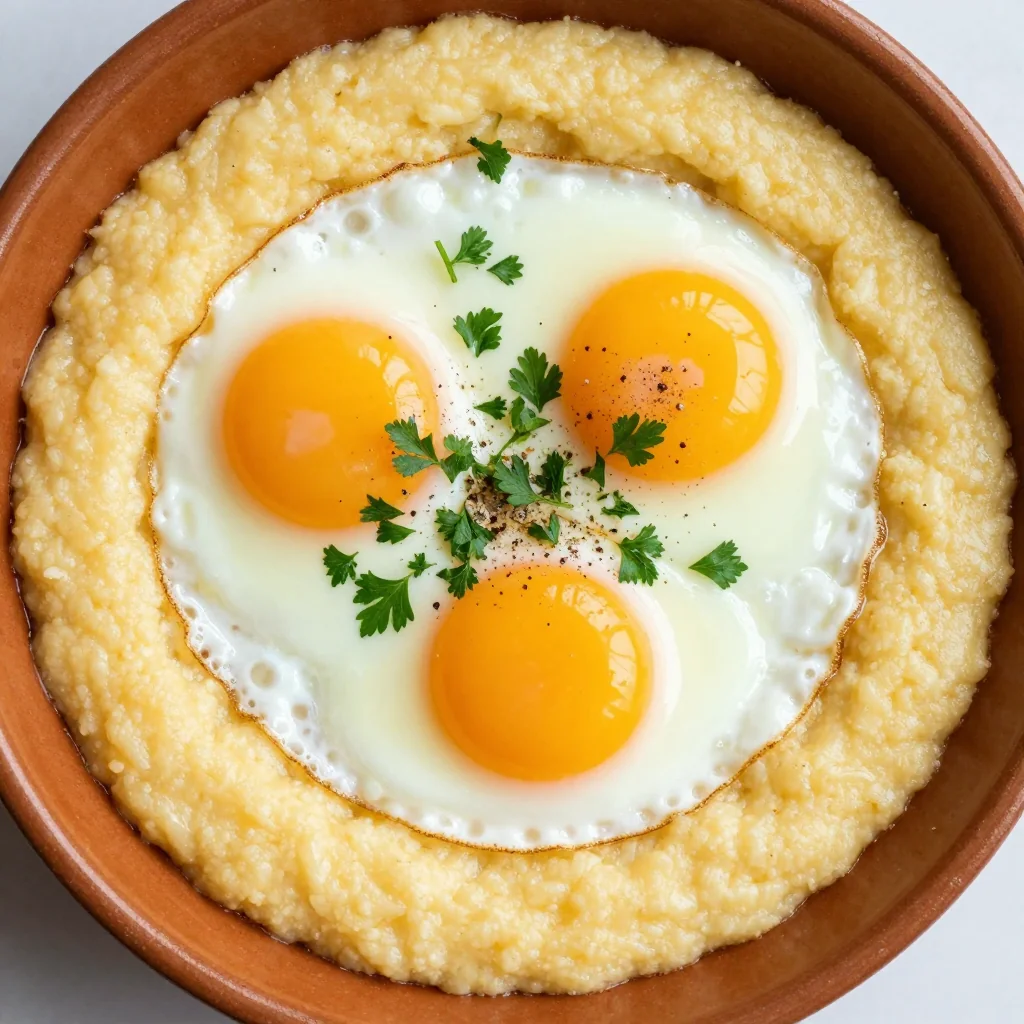
I still remember the first morning I tasted polenta for breakfast. It was a late-summer trip to the Veneto, the kind of trip where the air smells of sun-warmed figs and the espresso is so strong it makes your ears ring. My host, Nonna Liliana, shuffled into her tiny kitchen at dawn, humming under her breath while she stirred a pot of creamy golden polenta. She cracked two fresh eggs straight into the simmering porridge, covered the pot, and five minutes later handed me a bowl that tasted like sunrise on the Adriatic—nutty, velvety, and inexplicably comforting. That bowl rewrote my breakfast map. Since then I’ve re-created the ritual in my own kitchen, trimming the butter, swapping in stone-ground cornmeal, and timing everything so the polenta and eggs finish together in one harmonious, healthy tangle. The result is this Healthy Breakfast Polenta with Eggs—an Italian-inspired morning hug that’s week-day quick, week-end luxurious, and gentle on your waistline while still feeling indulgent. Whether you have ten minutes before Zoom calls or a slow Sunday with jazz on the radio, this recipe will transport you to a sun-drenched terrazzo, even if your reality is a city apartment and a percolator that spits like an angry cat.
Why This Recipe Works
- One-Pan Wonder: The polenta and eggs cook in the same pot—fewer dishes, more sleep.
- Whole-Grain Comfort: Stone-ground cornmeal keeps the germ intact for fiber and minerals.
- Slow-Release Energy: Complex carbs plus 14 g protein from eggs stabilize blood sugar all morning.
- Silky Without Butter: A touch of olive oil and starchy corn water create creamy texture.
- Veggie-Ready: Stir in spinach, zucchini ribbons, or roasted peppers for extra nutrients.
- Make-Ahead Friendly: Reheat portions with a splash of broth; poach or fry eggs to order.
- Gluten-Free & Vegetarian: Naturally celiac-safe and meat-free without sacrificing satisfaction.
Ingredients You'll Need
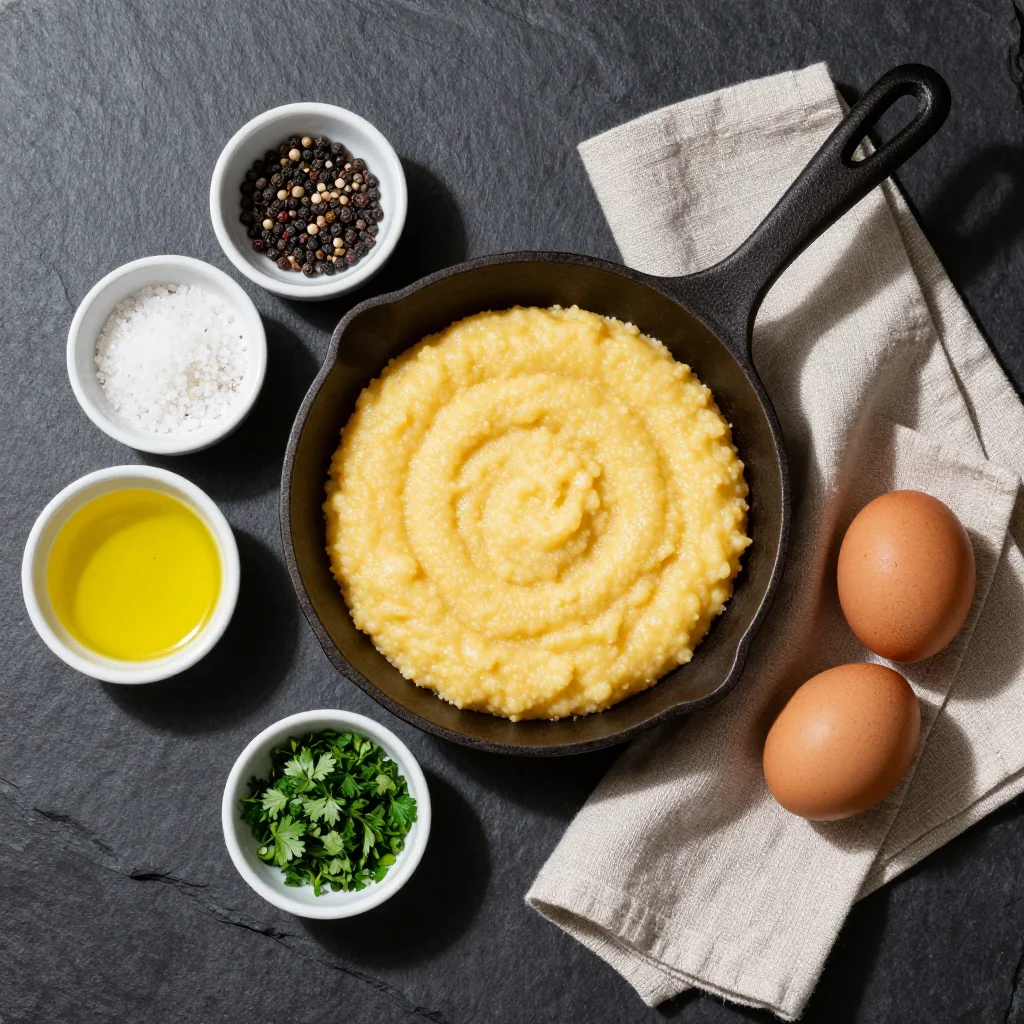
Great polenta begins with great cornmeal. Look for stone-ground, whole-grain cornmeal (sometimes labeled “polenta” but check the ingredient list—corn only). The coarse grind gives you that pleasant, barely-toothy texture that Italians call casalinga. If you only have fine cornmeal, cut the cooking liquid by 10 % and whisk like you mean it to avoid lumps. In a pinch, instant polenta works, but you’ll sacrifice fiber and flavor; reduce cooking time to 3 minutes and skip the resting step.
For the liquid, I combine water and low-sodium vegetable broth half-and-half. The broth sneaks in umami without salt overload. If you prefer a dairy undertone, swap the water for unsweetened oat milk; it’s creamier than almond and keeps the dish plant-forward.
Olive oil replaces the traditional knob of butter. Use a fragrant, grassy extra-virgin variety; you’ll taste it in the finish. If your olive oil has been sitting next to the stove since last Thanksgiving, treat yourself to a fresh bottle—polenta is a blank canvas and the oil is part of the paint.
Eggs are the star garnish. I specify large, pasture-raised eggs for their sunset-orange yolks and superior omega-3 profile. Bring them out of the fridge when you start the polenta so they lose the chill and cook evenly. If you’re vegan, swap in silken-tofu “egg” cubes simmered gently for 3 minutes, or top with a spoon of white-bean puree and a sprinkle of black salt for sulfuric aroma.
Garlic is optional but highly recommended—one clove, smashed, infuses the porridge without overwhelming your morning breath. During spring, add a handful of fresh peas with the eggs; in winter, ribbons of kale or chard stand up to the heat. Finish with fresh herbs: parsley for brightness, basil for sweetness, or rosemary if you want a pine-forest vibe. Finally, a shower of lemon zest wakes everything up and balances the corn’s natural sweetness.
How to Make Healthy Breakfast Polenta with Eggs for Warm Italian Mornings
Warm Your Broth
In a medium heavy-based saucepan, bring 2 cups water and 2 cups low-sodium vegetable broth to a gentle simmer over medium heat. Starting with hot liquid shortens the overall cooking time and prevents the cornmeal from seizing. Keep a ladle nearby; you’ll be adding liquid gradually.
Toast the Cornmeal
While the liquid heats, measure 1 cup stone-ground cornmeal. In a dry skillet, toast it over medium heat for 90 seconds, stirring constantly, until it smells like popcorn. Toasting deepens flavor and drives off excess moisture so the grains stay separate when they hit the water.
Rain & Whisk
When the liquid is steaming, salt it with ½ tsp fine sea salt. With one hand, slowly rain the toasted cornmeal into the pot like falling sand; with the other, whisk continuously. This prevents clumps and the dreaded “polenta ball.” Once all the cornmeal is in, decrease heat to low.
Low & Slow Simmer
Switch to a wooden spoon and stir every 2–3 minutes, scraping the corners. Polenta thickens and can erupt like a volcano, so use a splatter screen or partially cover. Cook 20 minutes for coarse meal, 8 minutes for medium. If it becomes stiff, add ¼ cup hot broth and stir.
Season & Enrich
Stir in 1 Tbsp extra-virgin olive oil, 1 smashed garlic clove, and a few cracks of black pepper. Taste; add more salt if needed. The polenta should flow like slow lava. Remove the garlic if you want a whisper of flavor, or leave it for a stronger bite.
Create Wells for Eggs
Using the back of your spoon, make two to four indentations in the surface, depending on how many eggs you want. Crack one egg into each well. The whites will spread slightly; that’s fine. Cover the pot with a tight lid and reduce heat to the lowest setting.
Steam the Eggs
Let the eggs steam 4 minutes for runny yolks, 6 minutes for jammy, 8 minutes for hard-cooked. Avoid lifting the lid too often; steam escapes and cooking time extends. While you wait, warm your serving bowls so breakfast stays hot to the last bite.
Finish & Serve
Turn off the heat. Sprinkle ¼ cup grated Parmigiano-Reggiano (or nutritional yeast for dairy-free) over the surface. Add a fistful of baby spinach if you like; the residual heat wilts it instantly. Finish with lemon zest, chopped parsley, and a final drizzle of olive oil. Spoon into bowls, ensuring each portion gets its sunny egg.
Expert Tips
Overnight Soak
Combine cornmeal and cold broth (1:4 ratio) in the pot the night before. In the morning, turn the heat on and whisk; you’ll cut cooking time by 30 % and improve digestibility.
Temperature Guard
Place a heat-diffuser plate between burner and pot if your stove runs hot; scorched polenta tastes bitter and can’t be rescued.
Stir Wet
Keep a mug of hot water or broth nearby. Polenta thickens as it sits; a splash rehydrates without diluting flavor.
Double Batch
Make twice the polenta, pour the extra into a parchment-lined pan, chill, then grill for dinner wedges—breakfast and meal-prep solved.
Salt Late
Corn absorbs salt as it swells. Taste at the end and adjust; early salting can lead to over-seasoning after evaporation.
Color Boost
Add ⅛ tsp turmeric for an extra-golden hue and anti-inflammatory perks; it disappears flavor-wise but photographs like sunrise.
Variations to Try
- Mushroom & Thyme: Sauté 1 cup sliced creminis in olive oil, fold into finished polenta with fresh thyme leaves.
- Caprese Style: Top each egg with diced fresh tomato, a mini mozzarella ball, and torn basil; finish with balsamic drizzle.
- Spicy Calabria: Stir 1 tsp Calabrian chili paste into the polenta and sprinkle with shaved pecorino Romano.
- Apple-Cinnamon Sweet: Omit garlic and pepper, substitute oat milk, swirl in diced apple and ½ tsp cinnamon; serve with a soft-boiled egg for salty-sweet contrast.
- Green Goddess: Blend ½ cup parsley, ¼ cup basil, 2 Tbsp tahini, and lemon juice; dollop over finished bowls for creamy herbaceous punch.
Storage Tips
Refrigerate: Cool leftover polenta to room temperature, transfer to an airtight container, and refrigerate up to 4 days. Press plastic wrap directly onto the surface to prevent a dry skin. Eggs are best stored separately; keep them peeled if soft-boiled, submerged in cold water, and use within 2 days.
Freeze: Portion cold polenta into silicone muffin cups, freeze until solid, then pop out and store in a zip-top bag up to 2 months. Thaw overnight in the fridge or microwave on 50 % power for 2 minutes, stirring halfway.
Reheat: Warm polenta gently with a splash of broth or milk, whisking until silky. If reheating in a pot, add liquid before the polenta is fully thawed to prevent scorching. Eggs can be reheated 20 seconds in the microwave with a damp paper towel cover, or serve freshly cooked eggs over reheated polenta for best texture.
Make-Ahead Brunch Party: Prepare a double batch of polenta the night before and spread it into a parchment-lined 9×13 pan. In the morning, cut into squares and grill 2 minutes per side. Top each square with a freshly fried egg and herb salad for a crowd-worthy brunch that feels gourmet but is secretly meal-prepped.
Frequently Asked Questions
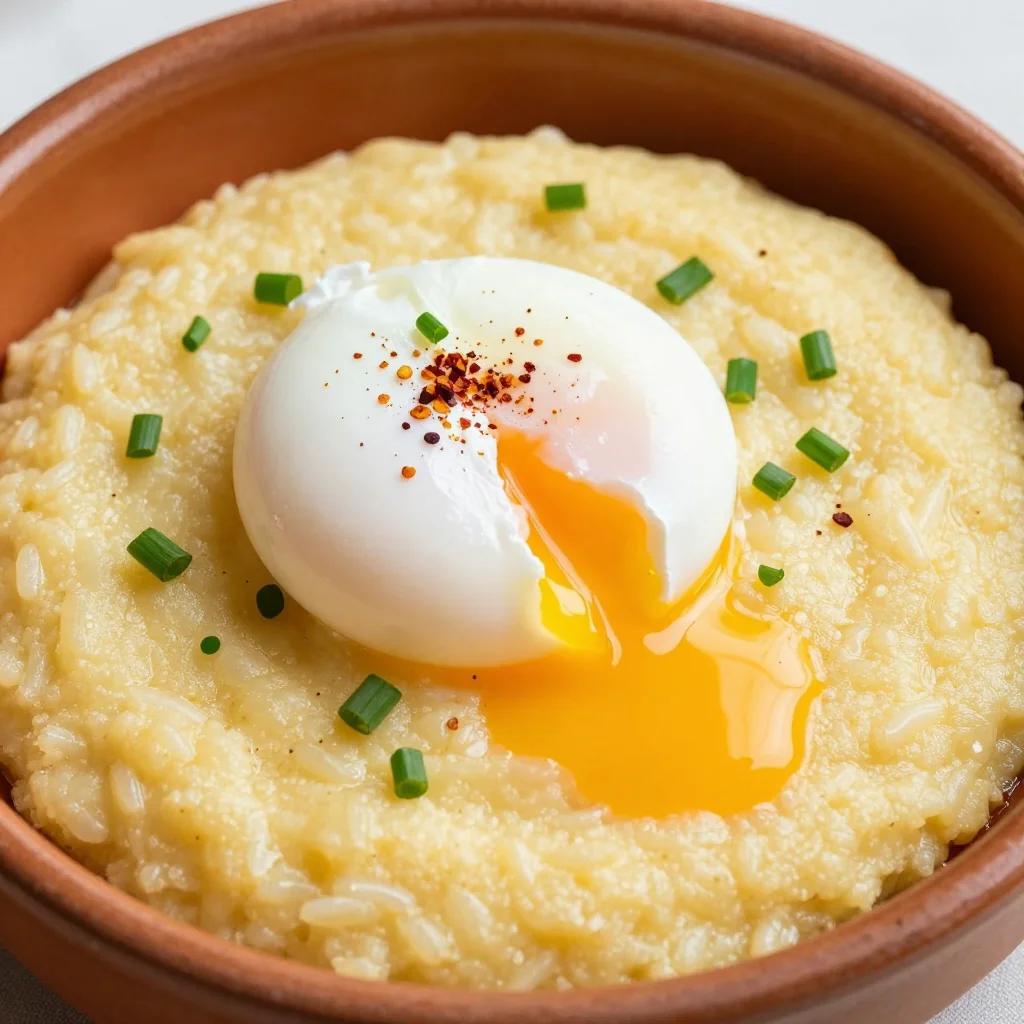
Healthy Breakfast Polenta with Eggs for Warm Italian Mornings
Ingredients
Instructions
- Simmer Liquid: Combine water and broth in a medium saucepan; bring to a gentle simmer over medium heat.
- Toast Cornmeal: In a dry skillet, toast cornmeal 90 seconds until fragrant; remove from heat.
- Whisk In: Salt the simmering liquid, then slowly rain in toasted cornmeal while whisking continuously. Reduce heat to low.
- Cook & Stir: Cook 20 minutes, stirring every 2–3 minutes and adding hot liquid as needed to maintain a creamy consistency.
- Season: Stir in olive oil, smashed garlic, and a few grinds of pepper. Taste and adjust salt.
- Add Eggs: Make wells in the surface; crack one egg into each. Cover pot and steam on lowest heat 4–6 minutes for runny yolks.
- Finish: Remove garlic if desired. Sprinkle cheese, spinach, lemon zest, and parsley. Spoon into bowls and serve hot.
Recipe Notes
For extra creaminess without dairy, swap 1 cup of water for unsweetened oat milk. Leftover polenta firms up; slice and grill for dinner wedges.