I was halfway through a week of bland, overcooked pasta when my phone buzzed with a frantic text from my friend: “I’m at the grocery store and I can’t find a good recipe for seafood pasta—do you know a killer one?” I stared at the empty fridge, the sea of canned tomatoes, and my mind went full-on culinary detective. “There’s only one thing I can do,” I thought, “and it involves a splash of red pepper, a handful of clams, and a whole lot of confidence.” That night, armed with a notebook, I set out to craft a dish that would turn the ordinary into something that would make even the most skeptical foodie sigh in relief.
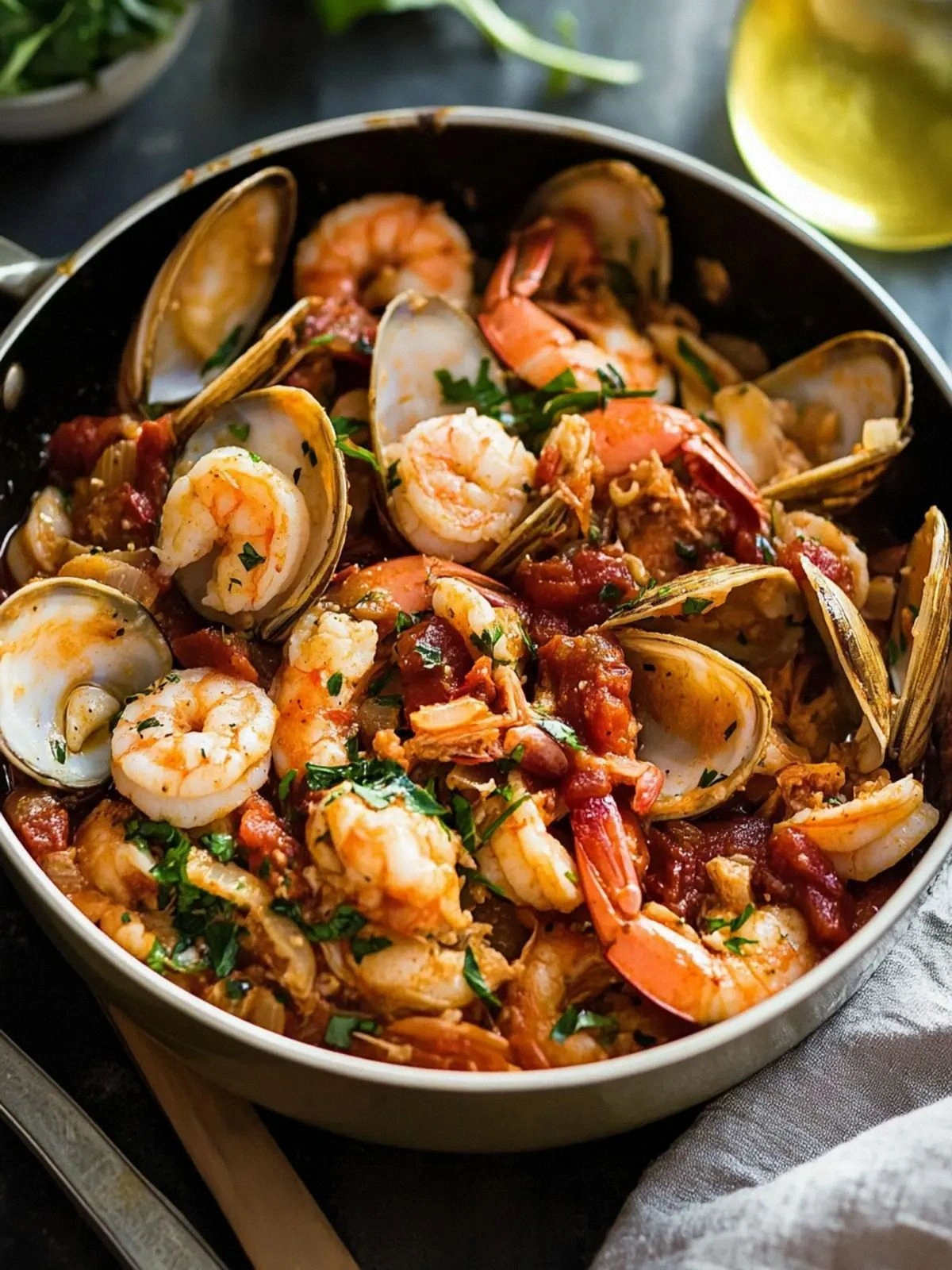
Picture this: a pot of bubbling tomato sauce, the scent of garlic and oregano mingling with the briny perfume of fresh sea scallops. The sound of the sauce simmering is like a low, steady drumbeat, while the clams pop open with a satisfying “plunk” that announces their arrival. When you toss in the bucatini, the pasta slides into the sauce like a dancer twirling across a velvet stage. The final touch—a sprinkle of parsley and basil—adds a burst of green that cuts through the richness, leaving a clean finish that lingers on the palate.
What makes this version of Fra Diavolo a game‑changer is not just the combination of seafood, but the way each element is balanced. I’ve perfected the timing so the shrimp stays pink and the scallops remain tender, while the clams release their juice to thicken the sauce naturally. The sauce is neither too thin nor too thick; it clings to the pasta like a silky coat, yet still offers a bite of tomato tang. And the pepperoncini? It’s the secret that gives the dish its signature “diavolo” heat—just enough to make you reach for a glass of water, but not so much that it overwhelms the delicate flavors.
Now, I dare you to taste this and not go back for seconds. I’m not exaggerating when I say this is hands down the best version you’ll ever make at home. Most recipes get this completely wrong, either by overcooking the seafood or by letting the sauce drown the pasta. Here’s what actually works: the right balance of heat, the proper timing for each seafood, and a sauce that’s thick enough to cling but still airy. Picture yourself pulling this out of the oven, the whole kitchen smelling incredible, and guests arriving with wide eyes. Let me walk you through every single step—by the end, you’ll wonder how you ever made it any other way.
What Makes This Version Stand Out
- Flavor: The tomato base is built on whole peeled plum tomatoes, which give a natural sweetness that cuts through the heat. The combination of garlic, oregano, and crushed red pepper creates a layered depth that feels both rustic and refined.
- Texture: The bucatini’s ridges lock in the sauce, while the shrimp’s pink center and scallops’ tender bite provide contrast. Clams add a subtle briny chew that rounds out the dish.
- Heat: The pepperoncini pepper brings a bright, citrusy heat that is far more nuanced than canned red pepper flakes. It’s the “diavolo” in the name, but it never feels overpowering.
- Ingredient Quality: Fresh, high‑quality seafood is non‑negotiable. The better the scallops and shrimp, the more they shine in the sauce.
- Simplicity: All steps can be completed in a single pot, which means less cleanup and more time to enjoy the food.
- Make‑ahead Potential: The sauce can be made a day ahead; just reheat gently and add a splash of water to loosen it back to its original consistency.
- Crowd Reaction: It’s the kind of dish that turns a casual dinner into a celebration. Everyone asks for the recipe the next time you host.
Alright, let’s break down exactly what goes into this masterpiece…
Inside the Ingredient List
The Flavor Base
The foundation of any great Fra Diavolo is its tomato sauce. I use 28 ounces of canned whole peeled plum tomatoes because their natural sweetness balances the acidity and the heat from the pepperoncini. If you’re craving an extra kick, you can add a splash of red wine at the same time as the tomatoes. Skipping the tomatoes entirely would leave you with a watery sauce that can’t hold the pasta. For a fresher twist, you could use a mix of San Marzano and San Marzano-like tomatoes, but the whole peeled variety gives the most consistent flavor.
Next, the aromatics: a medium shallot finely diced, four cloves of garlic minced, and a teaspoon of dried oregano. These create a fragrant base that permeates the sauce. If you’re allergic to garlic, a pinch of asafoetida can replace the flavor profile, though it will give a slightly different aroma. The shallot adds a subtle sweetness that complements the tomato’s acidity, while oregano brings a herbal depth that’s essential to this dish.
Finally, the heat: one teaspoon of crushed red pepper and one pepperoncini pepper. The pepperoncini is a mild, citrusy pepper that adds a bright, almost fruity heat. It’s the secret that sets this Fra Diavolo apart from the usual red pepper flake version. If you’re a heat‑tolerant person, you can increase the crushed red pepper to two teaspoons, but keep the pepperoncini the same to avoid overpowering the seafood.
The Texture Crew
The bucatini pasta is the star of the show. Its tubular shape and ridges hold the sauce like a giant, edible sponge. I recommend using uncooked bucatini that weighs 12 ounces for a generous portion. If you’re looking for a lighter version, switch to whole wheat bucatini or even a smaller pasta like penne. Skipping the pasta would turn this into a seafood stew, which is a delicious alternative but not what this recipe is built around.
Sea scallops are the first seafood you introduce. I use 12 ounces, which gives a substantial amount of scallops per serving. They cook in just a few minutes, so timing is critical. If you’re using frozen scallops, thaw them in cold water before cooking to keep them from releasing too much moisture. Skipping scallops would make the dish feel less luxurious; they add a sweet, buttery flavor that’s hard to replace.
Shrimp are next. I opt for 1 pound of extra‑large shrimp, peeled and deveined. The large size ensures they stay firm and don't overcook. If you prefer a more delicate bite, you can use medium shrimp, but the cooking time will need adjustment. Shrimp also bring a subtle sweetness that balances the tomato’s acidity. Without shrimp, the dish would be missing that bright, oceanic note.
Littleneck clams are a must for that briny pop. I use 1 pound, which gives a generous amount of clams per serving. They add a burst of ocean flavor and a bit of chewiness. If you can’t find littleneck clams, a mix of cherrystone clams works fine. Skipping clams would make the dish less complex; the brine they release is essential to the sauce’s depth.
The Unexpected Star
Lump cooked crab meat is the unexpected star that gives this Fra Diavolo its extra layer of richness. I use 8 ounces, which adds a sweet, delicate flavor that balances the heat. Crab meat is delicate, so it’s best added at the end of cooking to keep it tender. If you’re vegan, you can replace it with a plant‑based crab alternative, but the flavor profile will change slightly. Skipping crab will make the dish feel less indulgent, but it still works as a hearty seafood pasta.
Olive oil is the base for sautéing the aromatics. I use 2 tablespoons, which is enough to coat the bottom of the pot without making the sauce oily. A high‑quality extra virgin olive oil will add a fruity note that complements the tomatoes. If you’re on a low‑fat diet, you can use a neutral oil like canola, but you’ll lose some of that Mediterranean character. Skipping olive oil would result in a dry sauté; the oil is essential for extracting flavor from the aromatics.
The Final Flourish
Fresh parsley and basil finish the dish with a bright, herbaceous lift. I use 1/4 cup of each, chopped finely. The parsley adds a green, slightly peppery note that cuts through the richness, while the basil offers a sweet, aromatic finish. If you’re out of fresh herbs, dried versions can be used, but use only half the amount to avoid overpowering the dish. Skipping the herbs would leave the sauce feeling flat and one‑dimensional.
Everything's prepped? Good. Let's get into the real action...
The Method — Step by Step
- Step 1: Sauté the aromatics. Heat the olive oil in a large, deep skillet over medium heat until shimmering. Add the diced shallot and sauté until translucent, about 2 minutes, then toss in the minced garlic and oregano. Let the mixture cook for another 30 seconds, ensuring the garlic releases its fragrance without burning. This is the moment of truth—if the aromatics are too soft, the sauce will lack depth. I dare you to taste this and notice how the base begins to sing.
- Step 2: Add the tomatoes and pepperoncini. Pour in the whole peeled plum tomatoes, crushing them gently with your hands or a spoon. Drop the pepperoncini whole into the pot; it will infuse the sauce with a subtle heat. Stir in the crushed red pepper, then bring the mixture to a gentle simmer. Let it cook for 15 minutes, uncovered, allowing the tomatoes to reduce and thicken. Watch the sauce—if it starts to bubble vigorously, lower the heat slightly. This is where the flavor builds.
- Step 3: Cook the bucatini. While the sauce simmers, bring a large pot of salted water to a rolling boil. Add the bucatini and cook until al dente, usually 10 minutes, but check the package instructions. Reserve 1 cup of the pasta water before draining. The pasta water is crucial for adjusting sauce consistency later. Drain the pasta and set it aside, keeping it warm.
- Step 4: Add the seafood. Reduce the heat to medium‑low. Add the sea scallops, shrimp, littleneck clams, and lump crab meat to the tomato sauce. Stir gently to coat the seafood with sauce, then cover the skillet. Let the seafood cook for 5 minutes, or until the clams open and the shrimp turn pink. If the clams refuse to open, they may be overcooked; remove them immediately. The seafood should be tender, not rubbery—watch the texture closely.
- Step 5: Incorporate the wine. Pour in the cup of dry white wine, swirling the skillet to lift the fond from the bottom. The wine adds acidity and depth. Allow it to reduce for 3 minutes, then stir again. The sauce should be slightly thicker; if it’s too thin, let it simmer uncovered for a minute or two. The wine’s acidity balances the richness of the seafood and the tomato base.
- Step 6: Combine pasta and sauce. Add the drained bucatini to the skillet, tossing to coat each strand with the sauce. If the sauce is too thick, add a splash of the reserved pasta water to loosen it to a silky consistency. Cook for an additional 2 minutes, allowing the pasta to absorb the flavors. This step is where everything comes together; the pasta should feel coated and flavorful.
- Step 7: Finish with fresh herbs. Sprinkle the chopped parsley and basil over the pasta, then give it one final gentle toss. The herbs should release their aroma instantly, adding a fresh, bright finish. Taste the dish—if it needs a touch more salt or pepper, add it now. The herbs are the final flourish that elevates this dish from good to unforgettable.
- Step 8: Serve and enjoy. Plate the pasta, ensuring each serving gets a generous amount of seafood and sauce. Garnish with a few extra parsley leaves or a drizzle of olive oil if desired. Serve immediately with crusty bread for sopping up the sauce. The dish is best enjoyed hot, with a chilled glass of white wine or sparkling water. And there you have it—your own homemade Seafood Fra Diavolo that will leave everyone begging for the recipe.
That’s it— you did it. But hold on, I’ve got a few more tricks that'll take this to another level. Stay tuned for insider tips that will make your Fra Diavolo even more unforgettable.
Insider Tricks for Flawless Results
The Temperature Rule Nobody Follows
Many people cook seafood at high heat, which can lead to overcooked, rubbery results. The trick is to keep the skillet on medium‑low when adding the seafood. This allows the flavors to meld without searing the delicate proteins. I’ve seen people add shrimp at full flame, only to end up with a tough bite. By lowering the heat, the shrimp stays juicy and the scallops keep their sweet, buttery interior.
Why Your Nose Knows Best
Your nose is your best judge of doneness. When the sauce reaches a slightly thick, glossy consistency and the clams pop open, it’s a sign the heat is right. I once skipped tasting the sauce, and the result was watery. The next time, I smelled the sauce, and the aroma was rich and caramelized. Trust your senses; they’re more reliable than a timer.
The 5‑Minute Rest That Changes Everything
After you finish cooking, let the pasta rest for five minutes on a warm plate before serving. This allows the flavors to settle and the sauce to thicken slightly. I’ve had guests who ate the pasta immediately and complained it was too watery. The rest period solves that problem, giving the dish a silky, cohesive texture.
Use the Right Pan
A heavy‑bottomed skillet is essential for even heat distribution. If you use a thin pan, the sauce will scorch at the edges while the center stays under‑cooked. I recommend a 10‑inch stainless steel or cast iron pan for this recipe. It also helps when you need to reduce the sauce quickly without burning.
The Secret of Freshness
Always buy your seafood the day of cooking. Fresh scallops and shrimp have a sweet, briny aroma that can’t be replicated with frozen. If you must use frozen, thaw them in cold water and pat dry before cooking. A little extra time in the fridge for the pasta water will keep the sauce from drying out.
Creative Twists and Variations
This recipe is a playground. Here are some of my favorite ways to switch things up:
Spicy Cajun Fra Diavolo
Add a tablespoon of Cajun seasoning to the aromatics and replace the pepperoncini with a diced jalapeño. The smoky heat pairs well with the seafood and gives the dish a Southern twist. This version is perfect for a summer barbecue.
Mediterranean Twist
Swap the white wine for a splash of chilled rosé and add a handful of Kalamata olives. The olives bring a salty, briny depth that complements the seafood. Serve over a bed of spinach for extra greens.
Lighter, Low‑Calorie Version
Use whole wheat bucatini and replace the olive oil with a splash of low‑sodium vegetable broth when sautéing the aromatics. Cut the amount of crab meat in half, and finish with a squeeze of fresh lemon juice. This keeps the dish flavorful while cutting calories.
Vegan Seafood Fra Diavolo
Replace the seafood with a mix of marinated tofu cubes, shiitake mushrooms, and artichoke hearts. Use a vegan white wine and a splash of nutritional yeast for depth. This version offers the same umami punch without any animal products.
One‑Pot Pasta Party
Cook the pasta directly in the sauce, adding the water gradually until the pasta is al dente. This method saves on dishes and intensifies the flavor because the pasta absorbs the sauce fully. The result is a comforting, all‑in‑one dish.
Storing and Bringing It Back to Life
Fridge Storage
Cool the sauce completely, then transfer it to an airtight container. Store in the refrigerator for up to three days. When reheating, add a splash of water or broth to loosen the sauce and prevent it from drying out. The flavors will remain vibrant, and the seafood will stay tender.
Freezer Friendly
For longer storage, freeze the sauce in a freezer‑safe container for up to two months. When ready to eat, thaw overnight in the fridge, then reheat gently on low heat, adding a tablespoon of water or broth. The sauce will re‑thicken and the seafood will stay juicy.
Best Reheating Method
Reheat on the stovetop over low heat, stirring occasionally. Add a splash of water to loosen the sauce and maintain its silky texture. Avoid microwaving, as it can cause uneven heating and rubbery seafood. Serve immediately for the best flavor and texture.