Picture this: a cramped kitchen, a pantry that feels like a treasure trove, and a sudden craving for something that feels both exotic and comforting. I was rummaging through the canned goods aisle when I spotted a 10‑oz can of tuna, its silver sheen promising a quick fix. That moment sparked an idea that would later become the most crowd‑pleasing appetizer on my menu. I grabbed a handful of panko breadcrumbs, a dash of soy sauce, and a splash of sesame oil, thinking the simple combination could rise to greatness. Little did I know that this humble mix would transform into a crispy, umami‑laden masterpiece.
At that instant the kitchen smelled of impending adventure, the faint tang of fresh cilantro cutting through the air. I whisked the tuna with the breadcrumbs, the green onions, and the aromatic ginger, letting the flavors mingle like old friends in a lively tavern. The mixture felt like a thick, golden batter that promised both crunch and tenderness. I added a beaten egg, the final binder that would hold the cake together like a secret handshake. The sizzling anticipation of the first fry was almost tangible, as if the stove were a stage waiting for the main act.
That first bite was a revelation—crisp on the outside, silky inside, and a burst of savory brightness that left my taste buds dancing. I was so thrilled I couldn't resist sharing the recipe with my friends, but the real test came when a group of college roommates demanded more. They asked if it could be made ahead, if the texture would hold up, and whether it could be served as a finger food at parties. I answered with a confident grin, promising that this version would stand out from any other tuna cake I'd ever made. I knew I had to document every detail so that anyone could replicate the magic.
Fast forward to today, and I’ve refined the technique to a point where the cakes consistently turn out golden and flaky, with a subtle citrusy finish from fresh cilantro. The secret lies in the balance of wet and dry, the precise amount of sesame oil, and the timing of the pan‑fry. I dare you to taste this and not go back for seconds because the flavor profile is so addictive that you’ll crave the next bite instantly. I’ve also discovered that a small splash of water before reheating can bring the texture back to life, a trick I’ll reveal later. If you’re ready to elevate your appetizer game, let me walk you through every single step—by the end, you’ll wonder how you ever made it any other way.
The best part of this recipe is that it’s incredibly versatile—add a splash of lime juice for a zesty twist, or sprinkle toasted sesame seeds for an extra nutty crunch. I’ve experimented with different types of breadcrumbs, from panko to panko‑mixed‑with‑rice, each giving a slightly different mouthfeel. The result? A dish that’s as adaptable as it is delicious, capable of fitting into a brunch, lunch, dinner, or even a midnight snack. The key is to keep the mixture moist but not too wet, so the cakes hold together during frying. This version is hands down the best you’ll ever make at home, and I’m excited to share every trick with you.
Picture yourself pulling a batch of these golden beauties out of the pan, the kitchen smelling incredible, and your guests’ eyes lighting up as they take their first bite. The anticipation builds as you watch the edges crisp up, turning from translucent to a perfect amber hue. The aroma is a heady mix of soy, sesame, and fresh herbs that lingers long after the last bite. This is the moment when the simple act of cooking transforms into a celebration of flavors and textures. Stay with me here—this is worth it, and the final result will make you feel like a culinary superstar.
What Makes This Version Stand Out
- Flavor: The combination of soy sauce, sesame oil, and fresh ginger creates an umami depth that feels like a well‑seasoned broth in every bite. The subtle heat from the ginger lifts the tuna, preventing it from feeling flat or bland. The cilantro adds a bright, almost citrusy note that cuts through the richness of the fish. This harmony of flavors makes each cake a stand‑out experience.
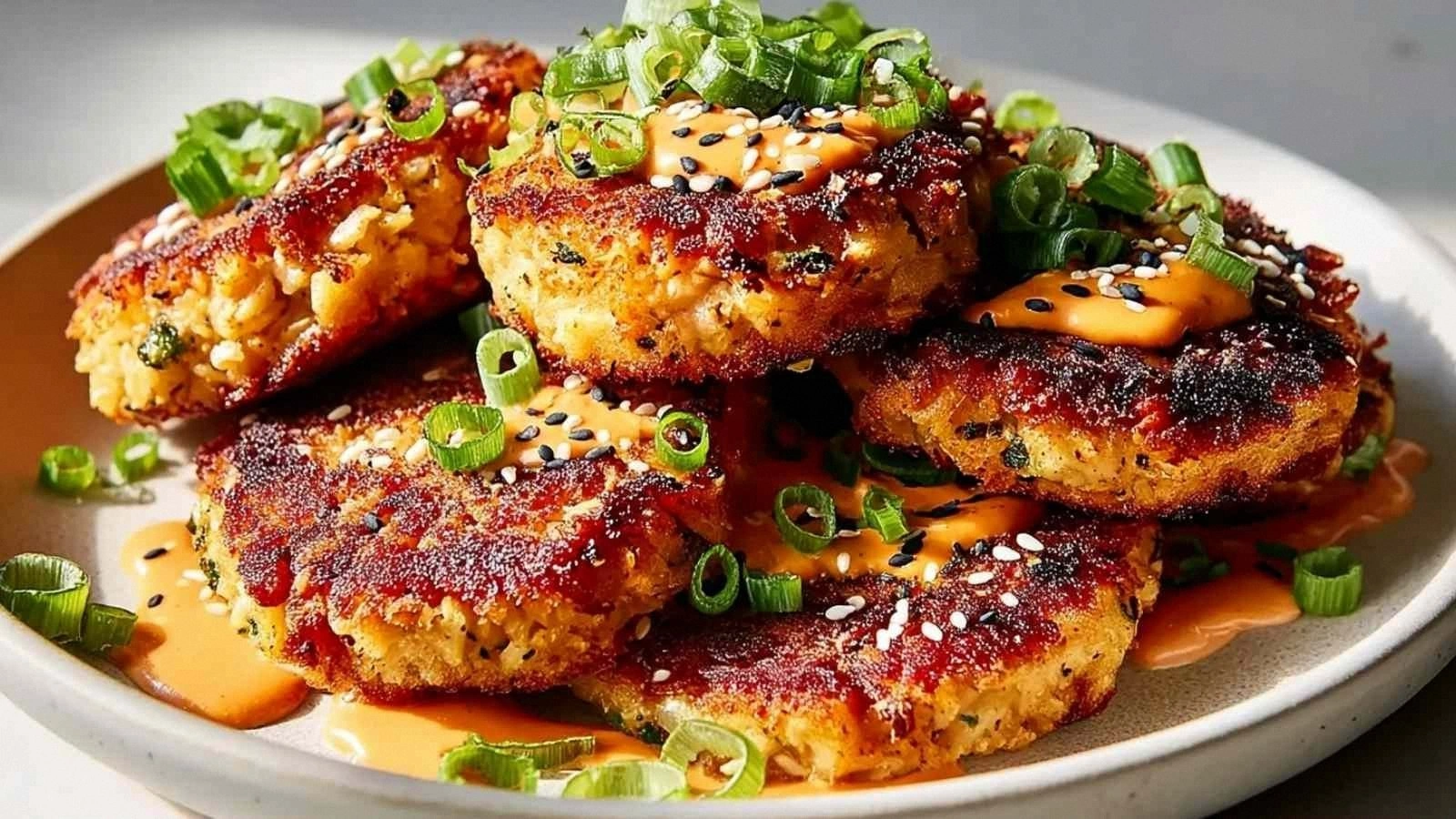
- Texture: The panko breadcrumbs give a light, airy crunch that contrasts beautifully with the moist tuna center. When fried, the edges puff up into a golden shell that shatters like thin ice upon biting. The egg binder keeps the mixture cohesive, ensuring the cakes hold together during the high heat of pan‑frying. The result is a textural journey from crisp to tender in a single bite.
- Simplicity: With only ten ingredients, this recipe is a no‑fuss affair that anyone can master. The steps are straightforward, and the cooking time is short—ideal for a busy weeknight or a spontaneous gathering. Even if you’re new to Asian-inspired dishes, the flavors are approachable and familiar. You’ll find yourself whipping up a batch in minutes without sacrificing quality.
- Crowd Reaction: Friends who try these cakes often remark that they taste like they were made in a high‑end restaurant, yet they’re so easy to prepare at home. The golden crust and savory interior make them an instant crowd‑pleaser at parties, potlucks, or dinner parties. Many guests ask for the recipe after the first bite, eager to recreate the magic in their own kitchens.
- Ingredient Quality: Using fresh, high‑quality tuna ensures a clean, buttery flavor that pairs perfectly with the savory seasonings. Fresh ginger and garlic bring warmth, while fresh cilantro adds a bright, herbal finish. Choosing panko over regular breadcrumbs provides the coveted lightness and crunch that elevate the dish. The quality of each component matters, and the final product reflects that attention to detail.
- Cooking Method: Pan‑frying at medium‑high heat gives the cakes a crisp exterior while keeping the interior juicy. The technique is forgiving; even if the heat is slightly off, the cakes still come out delicious. The method also allows for quick adjustments—if you prefer a darker crust, simply let them fry a few seconds longer.
- Make‑Ahead Potential: These cakes can be assembled ahead of time and stored in the refrigerator for up to 24 hours. Reheating in a hot skillet or oven restores the crispness without drying out the interior. This makes them ideal for meal prep, catering, or a last‑minute dinner solution. The flexibility of this recipe is one of its greatest strengths.
Inside the Ingredient List
The Flavor Base
At the heart of these tuna cakes lies a trio of seasonings that work together to create a complex, savory foundation. Soy sauce adds a salty, umami punch that balances the mildness of the tuna. Sesame oil introduces a subtle nutty aroma, elevating the dish from ordinary to extraordinary. Fresh ginger, finely grated, brings a warm, peppery kick that cuts through the richness of the fish, preventing the cakes from feeling heavy.
The garlic, minced to perfection, contributes a mellow, sweet depth that rounds out the flavor profile. When combined, these aromatics form a harmonious blend that permeates every bite. If you’re a fan of a slightly sweeter profile, a teaspoon of honey or a splash of mirin can be added to the soy sauce before mixing. This subtle adjustment will give the cakes a silky glaze that caramelizes beautifully during frying.
Fresh cilantro is the final flourish that brightens the dish with its citrusy, slightly peppery notes. The herb’s bright green leaves add a visual pop, making the cakes look as good as they taste. If you’re not a cilantro fan, you can substitute with fresh basil or mint for a different herbal nuance. The key is to use plenty of fresh herbs, as dried versions will not provide the same vibrant flavor.
The Texture Crew
The tuna itself is the star of the show, offering a tender, buttery base that carries the seasonings. Using a high‑quality canned tuna in water or light oil ensures a clean, unseasoned flavor that absorbs the other ingredients beautifully. Flaking the tuna finely helps it integrate seamlessly with the breadcrumbs, creating a cohesive mixture. If you prefer a chunkier texture, simply reserve some whole flakes for a heartier bite.
Panko breadcrumbs are essential for achieving that coveted airy crunch. Their light, airy structure expands during frying, resulting in a crisp exterior that contrasts with the moist interior. If you can’t find panko, regular breadcrumbs will work, but the texture will be denser and less fluffy. For an extra touch of crunch, toast the panko in a dry skillet before adding it to the mixture.
The beaten egg acts as the glue that holds everything together. It coats each ingredient, ensuring the cakes remain intact during frying and preventing the tuna from falling apart. If you’re looking for a lighter version, you can replace the egg with a tablespoon of aquafaba or a splash of soy milk, though the texture will be slightly different. The egg also adds a subtle richness that enhances the overall mouthfeel.
The Unexpected Star
Green onions, often overlooked in favor of more glamorous herbs, are the secret to the cakes’ subtle sharpness. Their mild, oniony flavor pairs perfectly with the savory tuna, adding a fresh bite that cuts through the richness. The white base of the onion provides a slightly sweet undertone, while the green tops contribute a mild peppery finish. Together, they create a layered flavor profile that feels both familiar and exciting.
When chopping the green onions, aim for uniform, small pieces so they distribute evenly throughout the mixture. This ensures each bite receives a balanced amount of onion flavor. If you prefer a milder taste, you can reduce the quantity or replace the green tops with scallions. The key is to maintain the visual contrast—white and green—that makes the cakes visually appealing.
In addition to flavor, green onions add a subtle crunch that complements the panko. Their fibrous texture provides a pleasant bite that contrasts with the soft tuna center. If you’re cooking for someone with a sensitive palate, you can leave the green tops out entirely, focusing on the white base. This flexibility makes the recipe adaptable to a wide range of tastes.
The Final Flourish
Vegetable oil is the unsung hero that ensures a crisp, golden crust. Its high smoke point allows the cakes to fry at a steady temperature without burning, resulting in an even, caramelized exterior. Using a neutral oil, such as canola or sunflower, keeps the focus on the tuna and seasonings. If you prefer a more aromatic oil, sesame or peanut oil will add a subtle nutty note.
When heating the oil, aim for a temperature of around 350°F (175°C). This allows the cakes to cook through while achieving a beautiful golden color. If the oil is too hot, the exterior will brown too quickly while the interior remains undercooked. If it’s too cool, the cakes will absorb excess oil and become greasy.
After frying, placing the cakes on a paper towel-lined plate helps absorb any excess oil, keeping them light and airy. The paper towels also prevent the cakes from sitting in a pool of oil, which could soften the crispness. This simple step ensures each bite remains crisp from the first to the last.
The Method — Step by Step
- Drain the tuna thoroughly, pressing it with a paper towel to remove excess moisture. This step is critical because too much liquid will make the mixture soggy and prevent a crisp crust. While the tuna is draining, finely chop the green onions and cilantro, setting them aside. The fresh herbs will add brightness to the final dish.
- In a large mixing bowl, combine the drained tuna, panko breadcrumbs, chopped green onions, and cilantro. Use a fork to break up any clumps of tuna, ensuring an even distribution of ingredients. The goal is a uniform mixture that holds together when formed into cakes.
- Add the soy sauce, sesame oil, grated ginger, minced garlic, and beaten egg to the bowl. Mix thoroughly until the batter is cohesive and the breadcrumbs are fully coated. This is the moment of truth—watch the mixture transform into a thick, golden batter.
- Shape the mixture into 1‑inch thick patties, about 3 inches in diameter. Press the mixture firmly into a pan‑shaped mold, ensuring the edges are smooth to prevent cracking during frying. If you prefer smaller bites, cut the patties into bite‑size squares.
- Heat the vegetable oil in a large skillet over medium‑high heat until shimmering but not smoking. Place the patties in the pan, leaving space between each to avoid crowding. The sizzle that follows is the soundtrack of flavor—listen for that crackle as the crust begins to form.
- Cook the cakes for 3–4 minutes on each side, or until a golden brown crust forms and the interior is heated through. Flip carefully with a spatula, watching for the edges to puff up like a small, edible cloud. The aroma should be a mouth‑watering mix of soy, sesame, and fresh herbs.
- Once cooked, transfer the cakes to a paper towel‑lined plate to drain excess oil. This step preserves the crispness and prevents the cakes from becoming greasy. Let them rest for a minute; the residual heat will finish the cooking process.
- Serve the tuna cakes immediately, accompanied by a light dipping sauce such as a mixture of soy sauce, rice vinegar, and a touch of honey. The sauce should be tangy enough to cut through the richness of the cakes, yet sweet enough to complement the sesame oil. Garnish with extra cilantro or a sprinkle of toasted sesame seeds for an elegant finish.
- If you’re planning ahead, allow the cakes to cool completely before refrigerating them in an airtight container. Reheat them in a hot skillet or oven at 350°F (175°C) for 5 minutes to restore the crispness. A splash of water before reheating will keep the interior moist, preventing it from drying out.
Insider Tricks for Flawless Results
The Temperature Rule Nobody Follows
Many cooks assume that a higher heat always produces a crispier crust, but the truth is that a moderate, steady heat yields the best results. Setting the skillet to medium‑high and letting it come to temperature before adding the cakes ensures even cooking. If the oil is too hot, the exterior will brown too quickly while the interior remains undercooked. If it’s too cool, the cakes will absorb excess oil and become greasy. This simple adjustment can make the difference between a mediocre and a memorable dish.
Why Your Nose Knows Best
Before you even taste the first bite, your nose is already telling you whether the cooking is on track. A slight, sweet aroma indicates that the sesame oil is caramelizing just right. If the scent is overwhelmingly greasy, the oil is too hot or the cakes are overcrowded. Trusting your olfactory senses will help you catch mistakes before they become flavor disasters. I’ve learned to pause and inhale before flipping each patty, ensuring a perfect finish.
The 5‑Minute Rest That Changes Everything
After frying, let the cakes rest on a wire rack for five minutes. This step allows the steam to escape, preventing the interior from becoming soggy. It also gives the crust time to firm up, making the cakes easier to cut and serve. Many people skip this step, resulting in a less crisp product. I’ve found that a short rest elevates the overall texture and presentation.
Keep the Green Onions Fresh
Green onions can wilt quickly, especially when chopped and stored. To keep them crisp, store the uncut onions in a paper towel wrapped in a plastic bag in the refrigerator. When you’re ready to use them, wash and chop just before mixing. This ensures the onions retain their bright green color and fresh flavor, preventing the cakes from feeling flat.
Use a Hot Skillet, Not a Cold One
Placing the tuna cakes in a cold skillet can cause them to stick and break apart. Heat the oil first, letting it shimmer before adding the patties. This creates a non‑stick surface and ensures the cakes seal quickly, forming a protective crust. If you’re cooking multiple batches, keep the skillet hot between batches to maintain consistent results. A hot pan is the secret to a flawless crust.
Reheating Without Losing Crunch
When reheating leftovers, avoid the microwave—it will steam the cakes and ruin the crispness. Instead, place the cakes in a preheated oven at 350°F (175°C) for 5–7 minutes. If you’re in a hurry, a quick sauté in a hot skillet works well, but watch for excess oil. Adding a splash of water before reheating helps the interior stay moist, giving you the same delightful texture as fresh.
Creative Twists and Variations
This recipe is a playground. Here are some of my favorite ways to switch things up:
Spicy Sriracha Tuna Cakes
Stir in a tablespoon of sriracha sauce into the batter for a fiery kick that pairs perfectly with the sesame oil. The heat will contrast beautifully with the mild tuna, creating a dynamic flavor profile. Serve with a cooling yogurt dip to balance the spice. This version is a hit at summer gatherings where heat is welcome.
Thai Peanut Tuna Cakes
Swap the soy sauce for a mixture of tamarind paste and fish sauce, and add a spoonful of creamy peanut butter to the batter. The peanut butter provides a nutty sweetness that complements the tuna’s subtle flavor. Garnish with crushed peanuts and lime wedges for an extra burst of freshness. This rendition feels like a street‑food snack with a gourmet twist.
Herbed Mediterranean Tuna Cakes
Replace the cilantro with chopped parsley and dill for a Mediterranean flair. Add a pinch of dried oregano and a splash of lemon zest to brighten the dish. The herbs will give the cakes a fragrant, herbaceous aroma. Pair with a cucumber yogurt sauce for a refreshing contrast.
Vegan Tuna Cakes
Use a plant‑based tuna alternative, such as a chickpea‑based product, and replace the egg with a flaxseed egg. The chickpeas will mimic the texture of tuna while keeping the dish fully vegan. Keep the rest of the ingredients the same for a familiar flavor profile. This version is perfect for plant‑based diners who still crave a savory, crispy bite.
Cheesy Tuna Cakes
Fold in a half cup of shredded mozzarella or cheddar into the batter for a gooey, melty center. The cheese will add a creamy layer that contrasts with the crunchy exterior. Sprinkle grated Parmesan on top before frying for an extra savory crust. This cheesy twist is a crowd‑pleaser at family gatherings.
Gluten‑Free Tuna Cakes
Replace panko breadcrumbs with crushed gluten‑free crackers or rice flakes to keep the cakes gluten‑free. The texture will remain light and airy, and the flavor will stay intact. Be sure to check the seasoning of the crackers to avoid overpowering the tuna. This variation ensures everyone can enjoy the dish without dietary restrictions.
Storing and Bringing It Back to Life
Fridge Storage
Cool the cooked tuna cakes completely before placing them in an airtight container. Store them in the refrigerator for up to 24 hours. When ready to serve, reheat them in a hot skillet or oven to restore crispness. The quick reheating process preserves the texture and flavor, making leftovers feel like fresh.
Freezer Friendly
For longer storage, place the cooled cakes on a parchment‑lined tray and freeze until solid. Once frozen, transfer them to a freezer bag, removing as much air as possible. They can be stored for up to 3 months. To reheat, bake at 350°F (175°C) for 10–12 minutes, or use a microwave with a quick burst of water to keep them moist.
Best Reheating Method
The oven is the best option for preserving crunch, but a skillet works well if you’re short on time. Preheat the oven to 350°F (175°C) and place the cakes on a wire rack to allow air circulation. Heat for 5–7 minutes, checking for desired crispness. Adding a splash of water before reheating helps keep the interior juicy, preventing the cakes from drying out.