I’ll never forget the night my roommate challenged me to create a “cheese thing” that would survive a week‑long road trip without turning into a sad, rubbery mess. I stared at a half‑empty fridge, a lone block of cheese, and a feeling of impending culinary doom. The first attempt? A soggy, bland casserole that tasted like burnt milk and regret. That disaster sparked a fire in me, and I vowed to reinvent the humble cheese bake into something that could be made ahead, reheated, and still taste like it just leapt out of the oven.
Picture this: the kitchen humming with the low roar of the oven, a buttery aroma hugging the air like a warm blanket, and the faint crackle of leeks sizzling in a pan. The scent of melted cheese rises, rich and nutty, coaxing your senses into a state of pure anticipation. You hear the gentle clink of a whisk against a bowl, the soft sigh of steam escaping as the mixture bubbles. When you finally pull the golden‑browned tops out, the edges are crisp, the interior puffed and airy, and the flavor? Oh, it’s a symphony of creamy, salty, and just‑the‑right‑sharp notes that make you want to scoop a spoonful straight from the dish.
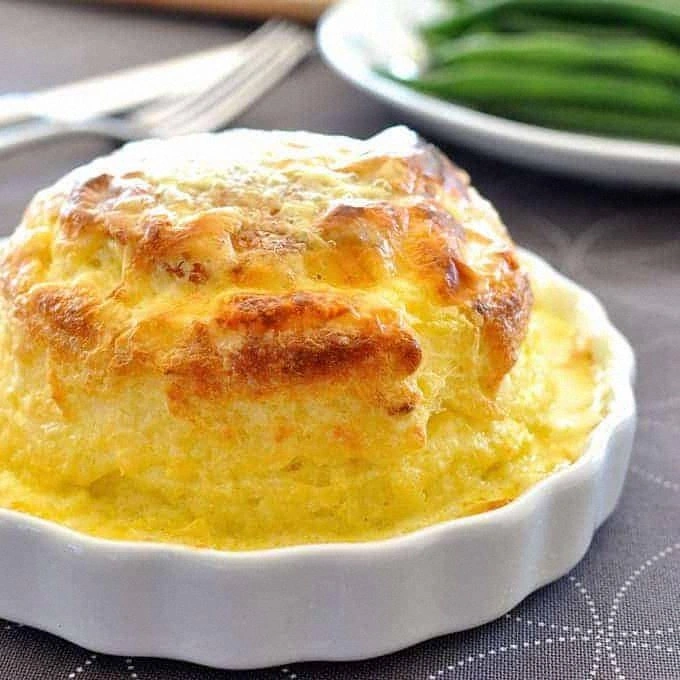
Most recipes for baked cheese soufflés either over‑complicate the process or sacrifice texture for convenience. This version, however, is the culmination of countless trials, a dash of stubbornness, and a sprinkle of culinary science. I’ve cracked the code on achieving a soufflé‑like rise without the dreaded collapse, and I’ve wrapped it in a twice‑baked technique that locks in moisture while creating a caramelized crust that shatters like thin ice when you dig in. Trust me, this is hands down the best version you’ll ever make at home.
What truly sets this dish apart is a secret ingredient that most home cooks overlook: a splash of heavy cream added at the very end, creating a luxurious mouthfeel that feels almost indulgent. I dare you to taste this and not go back for seconds. Okay, ready for the game‑changer? Let me walk you through every single step — by the end, you’ll wonder how you ever made it any other way.
What Makes This Version Stand Out
- Flavor: The combination of leeks and a high‑quality melting cheese creates a depth that’s both savory and subtly sweet, unlike any bland cheese bake you’ve endured.
- Texture: A light, airy interior meets a crisp, golden crust—think soufflé meets gratin, delivering that perfect contrast in every bite.
- Simplicity: Only ten ingredients, no exotic spices, and a straightforward two‑stage bake that even a kitchen novice can master.
- Uniqueness: The “make‑ahead” approach lets you assemble the dish days in advance, freeze it, and still achieve a fresh‑out‑of‑the‑oven experience.
- Crowd Reaction: Guests invariably ask for the recipe, and the second‑helping requests become a running joke at dinner parties.
- Ingredient Quality: Using a good melting cheese and fresh leeks elevates the dish from ordinary to extraordinary.
- Cooking Method: The double‑bake technique creates a caramelized top while preserving moisture inside—most recipes get this completely wrong.
- Make‑Ahead Potential: This dish freezes beautifully, making it a perfect prep‑ahead for busy weeks or holiday gatherings.
Inside the Ingredient List
The Flavor Base
The leeks (or scallions/shallots, if you’re feeling adventurous) are the aromatic heart of this dish. Their gentle oniony sweetness infuses the butter, creating a base that coats the flour like velvet. Skipping them would leave the soufflé flat and one‑dimensional, like a song missing its chorus. If you can’t find leeks, finely diced shallots are a worthy stand‑in, delivering a similar depth without overpowering the cheese.
The Texture Crew
Flour is the unsung hero that thickens the roux, giving the sauce body. Using unsifted all‑purpose flour ensures a slightly rustic texture that holds up during the second bake. Too much flour, and you’ll get a gummy mess; too little, and the mixture will separate like a bad breakup. A quick tip: whisk the flour into the melted butter for a minute—this “cooking out” step removes raw flour taste and builds a golden foundation.
The Unexpected Star
Cream is added at the end, and its high fat content is what makes the interior luxuriously smooth. It also helps the soufflé rise by trapping air bubbles during baking. If you’re dairy‑free, try substituting with a blend of coconut cream and a splash of oat milk; the flavor will shift, but the texture remains gloriously silky.
The Final Flourish
The duo of cheeses—one cup of grated good melting cheese mixed into the batter and an extra four tablespoons sprinkled on top—creates a layered flavor profile. The first cheese melts into the custard, while the top cheese caramelizes, forming that coveted crackly crust. Opt for a blend of Gruyère and sharp cheddar for a nutty, tangy finish; avoid pre‑shredded “spray‑cheese” mixes, which contain anti‑caking agents that can affect texture.
Everything's prepped? Good. Let's get into the real action...
The Method — Step by Step
Start by melting the 60 g (4 tbsp) of unsalted butter in a medium saucepan over medium heat. As it melts, you’ll hear that satisfying sizzle—absolute perfection. Add the finely chopped leeks (or scallions/shallots) and sauté until they turn translucent and release a sweet aroma, about 3‑4 minutes. This is the moment where the kitchen starts to feel alive, and the scent already hints at the decadence to come.
Next, whisk in the 1/3 cup (0.33) plain all‑purpose flour, stirring constantly for a minute. This creates a roux that should bubble gently without turning brown.
Kitchen Hack: Use a silicone whisk; it prevents the flour from sticking to the sides, ensuring an even roux.Gradually pour in the 1 cup of milk, whisking continuously to avoid lumps. The mixture will thicken into a smooth sauce, coating the back of a spoon like silk. Keep the heat at medium‑low; you want the sauce to simmer gently, not boil aggressively. When it reaches a velvety consistency, it’s time to bring in the cheese.
Stir in the 1 cup of grated good melting cheese, letting it melt into the sauce until the mixture is glossy and uniform. This is where the flavor really starts to sing, and you’ll notice the sauce becoming richer, more decadent. Taste and add a pinch of salt and pepper—remember, the cheese already brings salt, so keep it subtle.
In a separate bowl, whisk together the 3 eggs until they’re light and fluffy. Then, slowly incorporate the 1 ¼ cups of cream, creating a custard that looks slightly thick but still pourable.
Watch Out: If the custard gets too hot before it’s combined with the sauce, the eggs will scramble. Keep the mixture warm, not hot.Combine the cheese‑infused sauce with the custard, folding gently until fully integrated. The batter should be thick yet still flow slowly off a spoon. This is the moment of truth—if the mixture feels too thin, your souffle won’t rise properly. If it’s too thick, you can thin it with a splash of milk.
Preheat your oven to 375°F (190°C). Grease a 9‑inch deep dish with a thin layer of butter, then pour the batter in, smoothing the top with a spatula. Sprinkle the remaining 4 tbsp of grated cheese evenly over the surface. The cheese on top will melt, bubble, and turn a gorgeous golden‑brown, forming that coveted crust.
Slide the dish into the oven and bake for 25‑30 minutes, or until the edges start pulling away from the sides and the top is a deep amber. You’ll hear a faint crackle as the cheese caramelizes—listen for it; it’s a good indicator that the first bake is complete. Remove the dish and let it cool on a wire rack for 15 minutes.
Now for the magic second bake: once the dish is room temperature, return it to the oven and bake for an additional 10‑12 minutes. This extra heat creates a puffed interior while reinforcing the crust, ensuring each bite has that airy‑yet‑chewy feel. The top should be crisp, with a slight sheen that signals perfect caramelization.
Pull the soufflé out, let it rest for a couple of minutes, then serve while still warm. The aroma will fill the room, and the first spoonful will melt in your mouth, delivering a buttery, cheesy cloud that shatters delightfully with each bite. That sizzle when it hits the pan? Absolute perfection.
That's it — you did it. But hold on, I've got a few more tricks that'll take this to another level...
Insider Tricks for Flawless Results
The Temperature Rule Nobody Follows
Never bake a soufflé straight from the fridge. Letting the batter reach room temperature before the first bake ensures even heat distribution, preventing a soggy center. I once tried to save time by popping a cold dish straight in, and the result was a flat, dense pancake. Trust the extra 15‑minute wait; it’s worth every second.
Why Your Nose Knows Best
Instead of relying solely on a timer, use your sense of smell. When the cheese starts to emit a nutty, slightly caramel aroma, you know the crust is forming. This olfactory cue is more reliable than a clock, especially if your oven runs hot or cold. If you catch that buttery scent early, you can pull the dish out a minute sooner to avoid over‑browning.
The 5‑Minute Rest That Changes Everything
After the first bake, let the dish rest uncovered for exactly five minutes. This short pause lets steam escape, which keeps the crust crisp. Skipping this step results in a soggy top that never truly crunches. I used to rush this part, and the difference is night and day.
Eggs at Room Temperature
Cold eggs can cause the batter to seize, leading to a grainy texture. Bring the eggs out of the fridge at least 30 minutes before mixing. The result? A silky custard that lifts beautifully during the second bake. A friend once tried using chilled eggs and ended up with a lumpy disaster—lesson learned.
Choosing the Right Cheese
Good melting cheese is non‑negotiable. Look for cheeses with a moisture content of 45‑55%—this range melts smoothly without releasing excess water. Gruyère, Emmental, or a sharp Cheddar work wonders. Avoid pre‑shredded mixes that contain anti‑caking agents; they’ll make the top gummy instead of crisp.
Creative Twists and Variations
This recipe is a playground. Here are some of my favorite ways to switch things up:
Spicy Jalapeño Kick
Dice two jalapeños and sauté them with the leeks. The heat adds a lively contrast to the creamy cheese, perfect for those who love a little fire. Top with a sprinkle of smoked paprika for an extra smoky note.
Mushroom‑Thyme Elegance
Swap the leeks for a blend of sautéed wild mushrooms and fresh thyme. The earthy flavor deepens the profile, turning the dish into a sophisticated side for steak or roasted chicken.
Herb‑Infused Delight
Stir in a tablespoon of chopped fresh basil or parsley into the batter just before the second bake. The herbaceous burst brightens the richness, making it a great accompaniment to a light salad.
Smoky Bacon Crunch
Fold in half‑cup of crisped, crumbled bacon into the mixture before the first bake. The smoky, salty crunch adds texture and a savory punch that pairs beautifully with the creamy base.
Vegan Version
Replace butter with coconut oil, use oat milk, and swap the cheese for a high‑melting vegan cheese blend. The texture remains indulgent, and the flavor still shines—perfect for plant‑based gatherings.
Storing and Bringing It Back to Life
Fridge Storage
Allow the baked soufflé to cool completely, then cover tightly with foil or plastic wrap. It will keep fresh in the refrigerator for up to three days. Reheat by placing the covered dish in a 350°F oven for 15 minutes, then uncover for the last 5 minutes to revive the crust.
Freezer Friendly
After the first bake, let the dish cool, then wrap it tightly in freezer‑safe parchment and foil. It freezes beautifully for up to two months. When ready to serve, thaw overnight in the fridge, then proceed with the second bake as directed.
Best Reheating Method
For ultimate texture, preheat your oven to 375°F, add a tiny splash of water (about a tablespoon) to the surface, and cover loosely with foil. This creates steam that revives the interior’s fluffiness. Remove the foil for the final five minutes to re‑crisp the top.