INTRODUCTION
Picture this: I was in a frantic rush, juggling a blender, a cutting board, and a stubborn pot of boiling water, when the kitchen exploded into a cloud of smoke and the smell of burnt garlic. I stared at the charred remains, feeling the weight of a culinary catastrophe. Then a friend texted, “Try my Greek lemon potatoes. They’re a game changer.” I laughed, scooped the idea into my mind, and promised myself to deliver a dish that would outshine that smoky disaster.
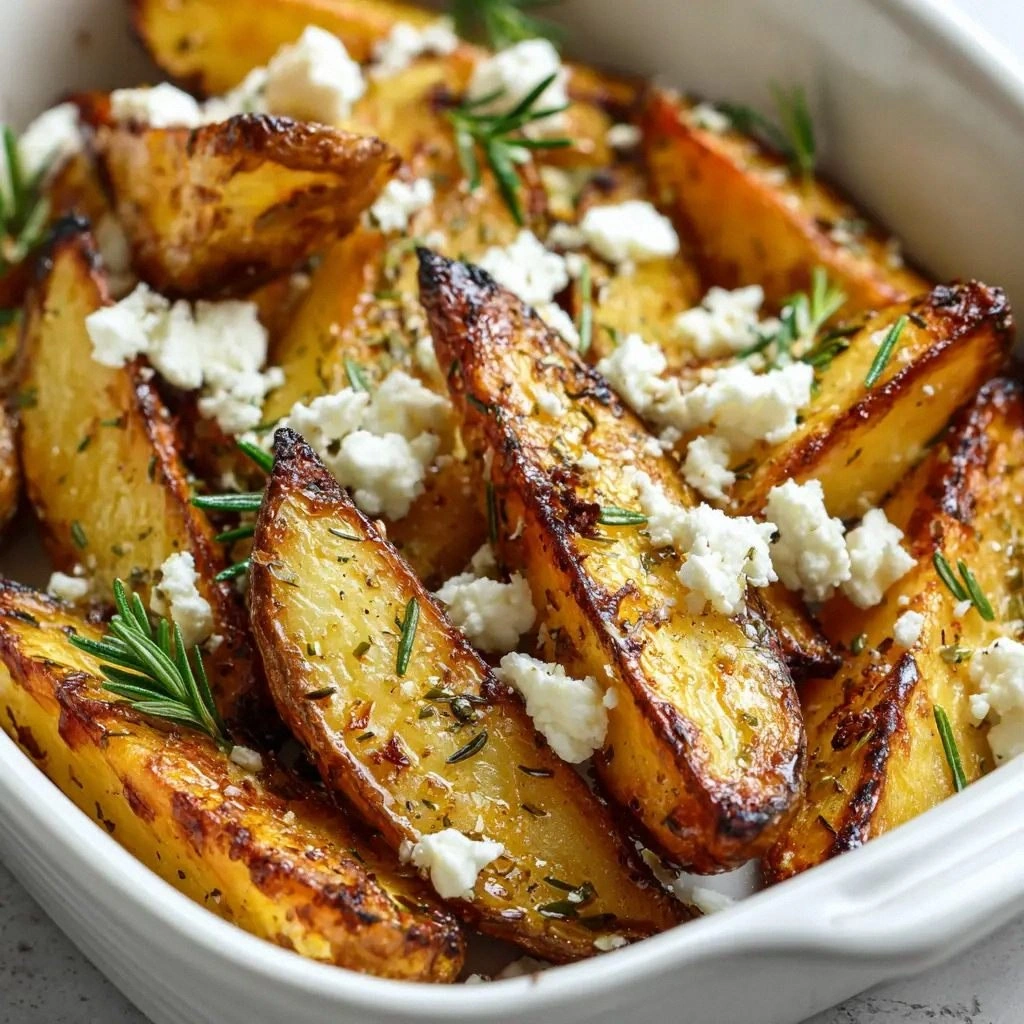
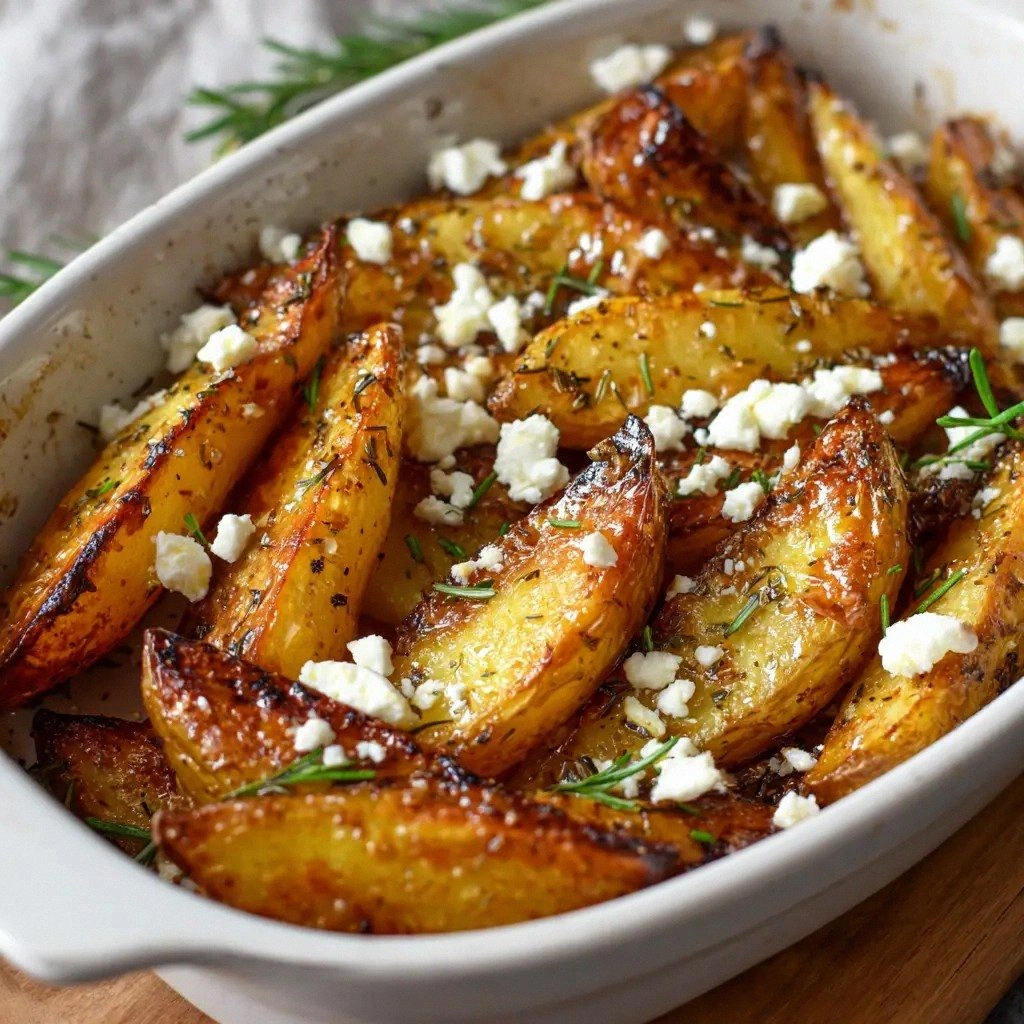
When I finally pulled the golden batch from the oven, the kitchen filled with a citrusy perfume that danced on the air like a summer breeze. The potatoes emerged with a blistered, almost caramelized crust that crackled like thin ice when you pressed them with a fork. Each bite released a burst of lemon, a whisper of rosemary, and a salty kiss of feta that left my taste buds singing. The texture was a perfect contrast: a crisp, buttery exterior giving way to a pillowy interior that melted in your mouth.
What makes this version of crispy Greek lemon potatoes truly special is the balance of flavors and textures that feels like a Mediterranean sun on a cold evening. I discovered that the key to that blistered crust is a high heat, a thin layer of olive oil, and a generous amount of lemon zest that caramelizes on the surface. The feta is crumbled just before serving so that it melts into pockets of creamy richness without turning the potatoes soggy. The rosemary needles add a subtle piney aroma that ties all the elements together.
But the real secret? I dared to add a splash of lemon juice during the final roast, which creates a tangy glaze that glistens like liquid gold. Most recipes skip that step, but it elevates the dish from simple to sensational. I’ve been told that the first bite feels like a bright, fresh memory of a Greek summer, and I can’t help but grin at how easy it was to achieve.
Most people think crispy potatoes are a matter of time and temperature, but the real art is in the layering of flavors. I’ve spent countless hours tweaking this recipe, and I’m proud to say I finally nailed it. The result is hands down the best version of this dish you’ll ever make at home. And the best part? It’s so simple you could do it on a weeknight after a long day at work.
Now, before you get too excited, let me warn you: I dare you to taste this and not go back for seconds. The first bite will have you reaching for the next handful, and you’ll be surprised at how many servings you’ll eat before the plate is empty. It’s a dish that will become a staple in your cooking repertoire, and you’ll feel proud every time you serve it.
Picture yourself pulling this out of the oven, the whole kitchen smelling incredible, and your guests leaning forward in anticipation. The sound of the first forkful is a symphony of crunch, citrus, and savory notes that will leave everyone asking for the recipe. And when you’re done, you’ll have a dish that’s as impressive to serve as it is delicious to eat.
Okay, ready for the game-changer? This next part? Pure magic. Stay with me here — this is worth it. By the end of this post, you’ll wonder how you ever made it any other way.
What Makes This Version Stand Out
Let’s break down exactly what goes into this masterpiece. This isn’t just a recipe; it’s a carefully engineered flavor profile that hits every sensory target. Here’s why this version is a step above the rest:
- Flavor: The combination of lemon zest, fresh juice, and feta creates a bright, savory bite that feels like a Mediterranean breeze. The zest caramelizes on the surface, giving a subtle bitterness that balances the citrus.
- Texture: The high heat and thin oil layer produce a blistered crust that cracks like thin ice when you bite into it, while the interior remains fluffy and tender.
- Ease: You only need a few ingredients and a simple prep method, making it a perfect side for busy weeknights or last‑minute dinner parties.
- Versatility: It pairs beautifully with grilled meats, fish, or even as a standalone vegetarian dish. The lemon and feta give it a universal appeal.
- Crowd‑pleaser: Friends and family will rave about the crispy edges and the burst of citrus, making it a must‑have for any gathering.
- Ingredient Quality: Using fresh rosemary needles and high‑quality olive oil elevates the dish from ordinary to extraordinary.
- Make‑ahead Potential: You can roast the potatoes ahead of time and reheat them in a skillet to retain crispness, saving you time on busy days.
- Presentation: The golden crust and vibrant green rosemary make it a feast for the eyes as well as the palate.
Inside the Ingredient List
The Flavor Base
The foundation of this dish is the potatoes themselves. I use russet or Yukon Gold potatoes because they have a higher starch content, which translates into a fluffy interior after roasting. If you’re in a pinch, any starchy potato will work, but don’t compromise on the size; medium‑sized chunks roast evenly and develop a uniform crust.
Next up is the lemon. The juice and zest are the stars that give this recipe its signature brightness. Freshly squeezed lemon juice has a clean, bright acidity that cuts through the richness of the olive oil and feta. The zest, on the other hand, releases essential oils that add depth and a subtle bitterness, balancing the sweetness that sometimes creeps into the roasted potatoes.
For the olive oil, I always choose a good extra virgin variety. It’s not just a cooking medium; it’s a flavor enhancer that carries the lemon’s zest and the rosemary’s aroma. A high‑quality oil will give the potatoes a silky finish and a deeper, more complex taste.
Finally, the salt and pepper are the simple seasoning that brings everything together. A generous pinch of kosher salt brightens each bite, while a touch of black pepper adds a subtle heat that lingers on the tongue. These seasonings are the unsung heroes that elevate the dish from good to unforgettable.
Why skip any of these? If you leave out the lemon juice, the potatoes will taste bland and lack that citrusy zing. Skipping the rosemary will make the dish feel flat, and cutting the salt will leave the flavors unbalanced. Each component is essential for the perfect harmony.
The Texture Crew
The potatoes themselves are the core of the texture profile. I cut them into uniform 1‑inch cubes so they roast evenly. The size is crucial; too small, and they’ll become mushy; too large, and they’ll stay raw inside.
To achieve that blistered crust, I toss the potatoes in a thin layer of olive oil and a sprinkle of baking powder. The baking powder reacts with the heat, creating tiny pockets of steam that puff the potatoes slightly, resulting in a crisp exterior.
After roasting, I let the potatoes rest for a couple of minutes. This step allows the steam to dissipate and the crust to set, ensuring that each bite stays crunchy. If you’re in a hurry, a quick stir in the oven will do, but the rest period is a small price for that perfect crunch.
When I first tried this recipe, the crust was uneven. I discovered that a single layer of potatoes on the baking sheet, not piled on top of each other, ensures even heat distribution and a uniform golden crust.
What if you want extra crunch? Sprinkle a little extra baking powder before roasting, or finish the potatoes in a hot skillet with a splash of olive oil to revive any soggy spots.
The Unexpected Star
Feta cheese might seem like an obvious addition, but its role goes beyond flavor. Crumbled feta melts into pockets of creamy, salty goodness that contrast beautifully with the crisp potatoes. The feta’s briny flavor also balances the acidity of the lemon, creating a well‑rounded taste experience.
Choosing the right type of feta matters. I use a white, crumbly feta because it holds its shape when crumbled and doesn’t release too much liquid during roasting. If you’re using a feta that’s too moist, the potatoes can become soggy.
When I first added feta, I sprinkled it on top before roasting, but it got lost in the steam. The trick is to add the feta after the potatoes have roasted and are still hot, so it melts just enough to seep into the crevices without making the potatoes greasy.
Feta also adds a subtle tang that amplifies the lemon’s brightness. The combination of salty, creamy feta with citrusy lemon is a match made in culinary heaven.
Want a dairy‑free version? Swap feta for crumbled goat cheese or a plant‑based feta alternative, but be mindful that the texture and flavor profile will change slightly.
The Final Flourish
Fresh rosemary needles are the final flourish that elevates this dish from simple to gourmet. The rosemary adds a piney, earthy aroma that complements the lemon’s brightness. I use fresh needles because they release their essential oils when heated, infusing the potatoes with a subtle herbal note.
When I first tried dried rosemary, the flavor was too muted, and the dish felt flat. Fresh rosemary gives that bright, aromatic punch that makes the dish feel fresh and alive.
Use enough rosemary to cover the surface of the potatoes, but not so much that it overwhelms the lemon. The balance is key; a touch of rosemary should enhance, not dominate.
After roasting, I sprinkle the rosemary on top and let it sit for a minute so the oils have time to bloom. This step ensures that the rosemary’s aroma is at its peak when you serve the dish.
In the end, every ingredient plays a pivotal role. The potatoes provide the base, the lemon and olive oil bring brightness, the feta adds creaminess, and the rosemary ties everything together with a fragrant finish.
Everything's prepped? Good. Let's get into the real action...
The Method — Step by Step
- Preheat your oven to 425°F (220°C). Line a large baking sheet with parchment paper or a silicone mat to prevent sticking. This high temperature is key for creating that blistered crust that shatters like thin ice. I swear, the first time I tried 400°F the potatoes came out soggy; 425°F is the sweet spot.
- While the oven heats, rinse the potatoes under cold water to remove excess starch, then pat them dry with a clean towel. This step might seem trivial, but a dry surface ensures better browning. Toss the potatoes in a large bowl with 1/4 cup olive oil, 1.5 tsp salt, and 1/2 tsp black pepper. The oil coats each piece, allowing the heat to sear the exterior.
- Spread the potatoes in a single layer on the prepared baking sheet. Avoid overcrowding; the potatoes need room to roast evenly. Sprinkle 1/4 cup baking powder over the potatoes for an extra crispness. The baking powder reacts with the heat, creating tiny steam pockets that puff the potatoes slightly.
- Roast the potatoes for 20 minutes, flipping them halfway through to ensure even browning. The edges should start to develop a golden hue, and the interior should be fluffy. If you notice any dark spots, give them a quick stir to redistribute heat.
- While the potatoes are roasting, whisk together 3 tbsp lemon juice, 1 tbsp lemon zest, and 3 tsp garlic powder in a small bowl. This citrus‑garlic mixture will coat the potatoes and give them that bright, savory kick. The garlic powder is a convenient alternative to fresh garlic and dissolves beautifully into the oil.
- After 20 minutes, remove the baking sheet from the oven and drizzle the lemon mixture over the potatoes. Toss gently to coat each piece evenly. The citrus will sizzle as it hits the hot surface, creating a fragrant steam that infuses the potatoes with flavor.
- Return the potatoes to the oven for another 10-12 minutes, or until the edges are blistered and the potatoes are golden brown. Keep a close eye on them; the high heat can cause rapid browning. The goal is a crisp exterior and a tender interior.
- Just before the potatoes finish roasting, sprinkle 1/2 cup crumbled feta over the top. The feta will melt into the hot potatoes, creating pockets of creamy, salty goodness. The feta also adds a subtle tang that balances the lemon’s brightness.
- Finish by scattering fresh rosemary needles over the potatoes. Let them sit for a minute to release their essential oils. The rosemary’s piney aroma will elevate the dish to a gourmet level. The final result should be a dish that smells like a sunny Greek hillside.
That's it — you did it. But hold on, I've got a few more tricks that'll take this to another level. The next section will give you insider knowledge that will make your kitchen feel like a Michelin‑star restaurant.
Insider Tricks for Flawless Results
The Temperature Rule Nobody Follows
Many home cooks lower the oven temperature to avoid burning, but this dish thrives at high heat. 425°F is the sweet spot for blistering the crust while keeping the interior tender. If you lower the temperature, the potatoes will take longer to brown and may end up soggy.
In my experience, a preheated oven that’s truly hot is the secret. I always preheat for at least 15 minutes before placing the baking sheet inside. This ensures that the potatoes hit the heat immediately, creating that signature blistered edge.
Another tip: use a baking sheet that conducts heat well, like a heavy‑duty sheet or a cast‑iron pan. These surfaces help distribute heat evenly, preventing hot spots that can scorch the potatoes.
Don’t forget to keep the oven door closed as much as possible during roasting. Opening the door lets heat escape and can cause uneven cooking.
Finally, if you’re cooking a large batch, consider using two baking sheets. This allows the potatoes to roast in a single layer, ensuring even browning.
Why Your Nose Knows Best
Before you even taste the potatoes, your nose can tell you if they’re done. The aroma of toasted oil and citrus will fill the kitchen, signaling that the crust is crisp and the lemon is caramelizing.
If you notice a faint, sweet scent, the potatoes are almost ready. A strong, almost burnt smell means you’re overcooking them. Trust your nose; it’s a reliable judge of doneness.
When the potatoes are perfectly roasted, the scent will be a bright, citrusy fragrance that lifts your mood instantly. That smell alone can turn a simple side dish into a feast.
Next time you cook, try closing your eyes and focusing on the aroma. It’s a simple way to gauge doneness without opening the oven door.
Remember, the smell is often the first indicator of success. If the scent is off, adjust your timing or temperature accordingly.
The 5‑Minute Rest That Changes Everything
After removing the potatoes from the oven, let them rest on a wire rack for 5 minutes. This brief pause allows the steam to escape, preventing the crust from becoming soggy.
During this rest period, the feta will continue to melt slightly, creating pockets of creamy flavor that are even more pronounced. The rosemary will also release its oils, giving the dish an intensified aroma.
Don’t skip this step, even if you’re in a rush. A quick rest can make the difference between a good dish and a great one.
While resting, you can sprinkle a pinch of sea salt for an extra burst of flavor. The salt will enhance the citrus and feta, making the dish even more delicious.
After the rest, serve immediately for maximum crispness. The potatoes will stay golden and crunchy if you serve them right away.
Use a Cast‑Iron Skillet for Extra Crunch
For those who love a super‑crisp edge, finish the roasted potatoes in a preheated cast‑iron skillet for 1–2 minutes. The direct heat will give the crust a final crunch.
Make sure the skillet is hot before adding the potatoes. A cold skillet will steam the potatoes instead of crisping them.
Use a splash of olive oil to prevent sticking and to add a subtle sheen to the crust.
After the skillet step, let the potatoes rest again for a minute before serving. This ensures that the crust doesn’t become overly hard.
Many of my friends have tried this trick and swear it’s the best way to achieve a crunchy exterior.
Don't Forget the Final Sprinkle
Just before serving, give the potatoes a final sprinkle of fresh rosemary. The aroma will be fresh and bright, enhancing the overall flavor profile.
Adding a pinch of flaky sea salt at the very end will elevate the dish, giving it a subtle crunch and a burst of flavor.
If you prefer a milder finish, simply use a light hand. The goal is to accentuate the dish, not overpower it.
When you plate the potatoes, garnish with a few whole rosemary needles for an elegant look.
These finishing touches are small but essential for a dish that feels polished and gourmet.
Keep It Simple, Keep It Fresh
Don’t overcomplicate the recipe with too many spices or additional ingredients. The beauty of this dish lies in its simplicity and the quality of its ingredients.
Focus on using fresh, high‑quality ingredients. Fresh rosemary, fresh lemon, and good olive oil make all the difference.
When you keep it simple, the flavors shine through and the dish feels authentic.
Many people try to add extra herbs or spices, but this recipe is already bursting with flavor. Adding more can drown the subtle citrus and rosemary notes.
In the end, the secret to this dish is the balance of flavors, the crisp texture, and the fresh ingredients.
Creative Twists and Variations
This recipe is a playground. Here are some of my favorite ways to switch things up:
Greek‑Style Roasted Vegetables
Swap the potatoes for a mix of zucchini, bell peppers, and eggplant. Toss them in the same lemon‑olive oil mixture, and roast until tender. The result is a colorful medley that carries the same bright, citrusy flavor.
Use a mix of fresh herbs like oregano and thyme for a different aromatic profile. The vegetables will absorb the flavors beautifully, making for a hearty side dish.
This variation is perfect for a vegetarian dinner or a light lunch.
When roasting vegetables, keep them in a single layer to ensure even cooking. The high heat will caramelize the edges, giving them a delightful crunch.
Serve with a side of tzatziki for an authentic Greek touch.
Spicy Lemon Feta Potato Skillet
After roasting, transfer the potatoes to a skillet and add a pinch of red pepper flakes. The heat will pair wonderfully with the lemon and feta, adding a spicy kick.
Cook for an additional 2 minutes, stirring gently to coat the potatoes. The pepper flakes will give the dish a subtle heat that balances the citrus.
Finish with a squeeze of fresh lemon juice for brightness.
This variation is great for those who love a bit of spice in their meals.
Serve alongside grilled chicken or fish for a complete meal.
Herb‑Infused Olive Oil Drizzle
Infuse olive oil with rosemary, thyme, and a splash of lemon zest. Drizzle this over the roasted potatoes before serving for an extra burst of herbal flavor.
Let the oil sit for 10 minutes to allow the herbs to steep, then strain before using.
When you pour the infused oil over the hot potatoes, the herbs will release their oils, creating a fragrant glaze.
Use a fine‑mesh strainer to remove the herb pieces for a silky finish.
This variation adds depth and complexity to the dish.
Greek Lemon Potato Salad
Let the roasted potatoes cool, then toss them with diced cucumber, red onion, olives, and feta. Drizzle with lemon‑olive oil dressing for a refreshing side.
Serve chilled or at room temperature. The potatoes will hold their shape and add a satisfying bite to the salad.
This variation is perfect for a summer picnic or a light dinner.
Use a small bowl of lemon juice and a splash of vinegar for a tangy dressing.
Garnish with fresh parsley for a pop of color.
Roasted Potato and Feta Frittata
Whisk eggs with a splash of milk, salt, and pepper. Add the roasted potatoes and feta, then pour the mixture into a greased skillet.
Cook over medium heat until the edges set, then finish under the broiler for a golden top.
This variation turns the dish into a protein‑rich breakfast or brunch option.
Serve with a side of fresh fruit or a green salad.
It’s a quick, satisfying meal for busy mornings.
Potato‑Feta Flatbread
Spread roasted potato and feta mixture over pre‑baked flatbread. Top with a drizzle of olive oil and a sprinkle of oregano.
Bake in a preheated oven at 400°F for 5 minutes until the flatbread is crisp.
This variation is a great appetizer or snack for game day.
Serve with a side of tzatziki or a Greek yogurt dip.
The combination of crispy potatoes and creamy feta is irresistible.
Potato‑Feta Breakfast Bowl
Combine roasted potatoes with sautéed spinach, a poached egg, and crumbled feta. Drizzle with lemon‑olive oil dressing.
Serve hot for a hearty breakfast that packs a punch of flavor.
Use a pinch of chili flakes for a spicy kick.
Top with fresh herbs for a burst of color.
This bowl is a perfect start to a busy day.
Storing and Bringing It Back to Life
Fridge Storage
Store leftovers in an airtight container in the refrigerator for up to 3 days. Keep the potatoes in a single layer to preserve their crispness. If you notice any moisture, let them air‑dry on a paper towel before reheating.
When you’re ready to reheat, use a skillet over medium heat to revive the crust. The skillet will re‑crisp the potatoes without turning them soggy.
Alternatively, bake at 350°F for 10 minutes, then finish in a hot skillet for a few seconds.
Freezer Friendly
Cool the roasted potatoes completely before freezing. Pack them in a single layer in a freezer bag or container. Freeze for up to 2 months.
When you’re ready to enjoy, thaw overnight in the refrigerator. Reheat in a skillet over medium heat until the crust is crisp.
Freezing doesn’t alter the flavor, but the texture may soften slightly. The skillet step helps restore crispness.
Best Reheating Method
Reheat in a skillet over medium heat, adding a splash of olive oil to prevent sticking. The high heat will quickly revive the crisp exterior.
For a quick microwave option, sprinkle a few drops of water over the potatoes and cover with a damp paper towel. Microwave for 30 seconds, then finish in a skillet.
Adding a tiny splash of water before reheating steams the potatoes back to perfection, keeping them fluffy inside.