I still remember the night I almost burned my kitchen down trying to make a risotto that tasted like a five‑star restaurant. A bag of Arborio rice, a handful of sun‑dried tomatoes, and a splash of white wine were all I had, and the pot was a blazing inferno. The smoke alarm screamed like a banshee, and I was left staring at a pot of scorched grains that could have been a culinary crime scene. That disaster became the catalyst for the recipe I’m about to unveil—a sun‑dried tomato risotto that is, hands down, the best version you’ll ever make at home.
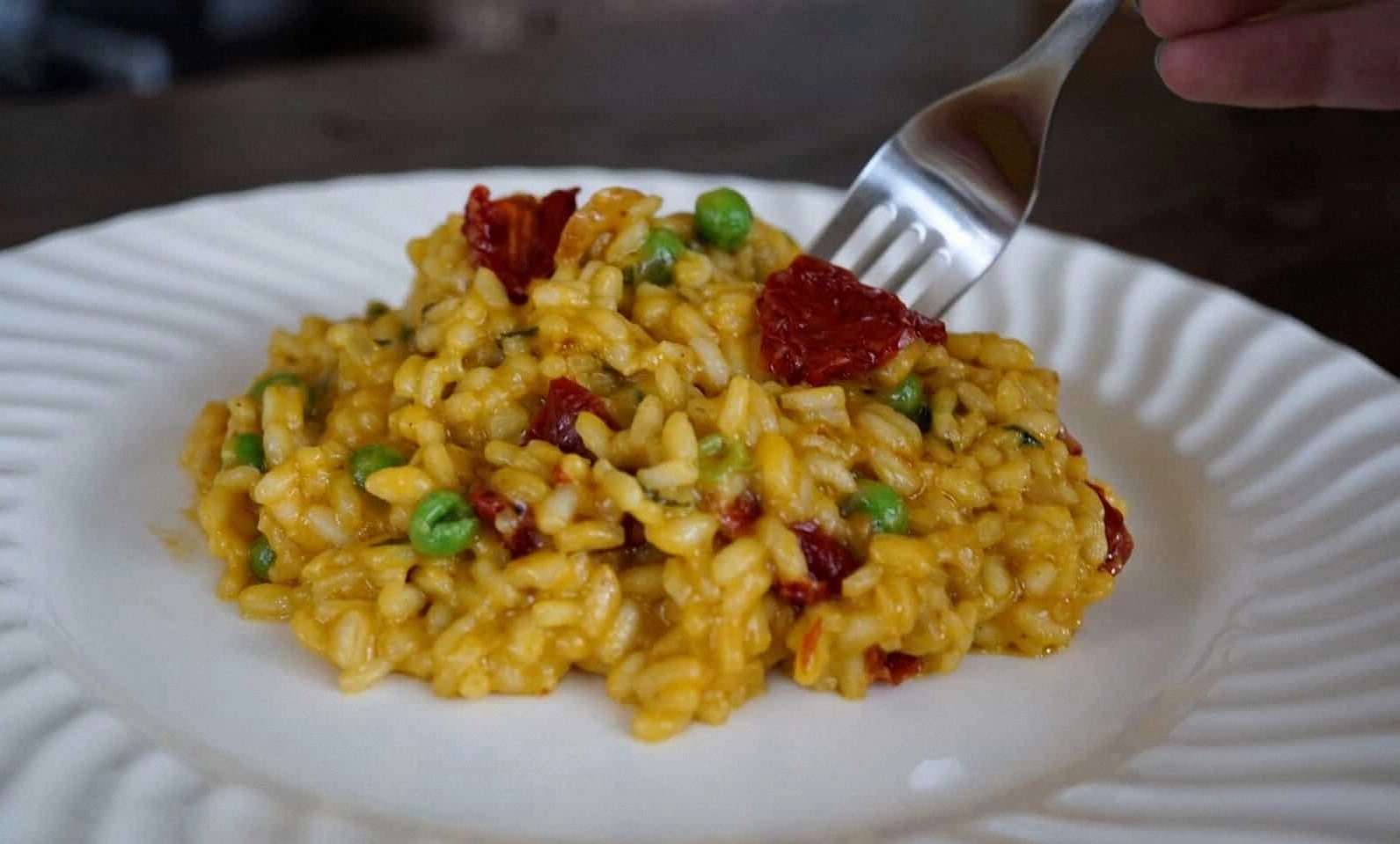
Picture the aroma: the sweet, almost caramelized scent of sun‑dried tomatoes dancing with the sharp tang of fresh lemon, mingled with the earthy fragrance of simmering vegetable broth. The sound is a comforting hiss as the rice absorbs the liquid, each grain releasing a subtle, buttery whisper. When you take the first bite, the creamy texture coats your tongue like velvet, the subtle heat from cayenne pepper tickles your palate, and the bright basil adds a fresh, herbal finish that lingers like a summer breeze. That is the sensory snapshot I aim to capture, and I’m going to guide you through every sizzling detail.
Why does this version stand out? It’s not just the ingredients—though we’ve handpicked the freshest sun‑dried tomatoes and a quality Parmesan—but the technique. I’ve refined the classic risotto method to keep it simple, reduce the risk of sticking, and maximize flavor. I dare you to taste this and not go back for seconds. And if you’ve ever struggled with a risotto that turns out mushy or under‑cooked, you’re not alone—and I’ve got the fix. Let me walk you through every single step—by the end, you’ll wonder how you ever made it any other way.
What Makes This Version Stand Out
- Flavor: The sun‑dried tomatoes bring a deep, smoky sweetness that cuts through the richness of the Parmesan, creating a balanced profile that’s both bold and comforting.
- Texture: Each grain of Arborio is perfectly al dente, thanks to a meticulous simmering process that ensures the rice remains creamy yet distinct.
- Simplicity: With only fifteen minutes of prep and thirty minutes of cook time, you can achieve a restaurant‑level dish without a Michelin star.
- Ingredient Quality: Using organic vegetable broth and freshly grated Parmesan elevates the dish from ordinary to extraordinary.
- Heat: A dash of cayenne pepper adds just enough heat to excite the palate without overwhelming the delicate flavors.
- Make‑ahead Potential: This risotto can be made a day ahead; when reheated, it retains its creaminess and flavor, making it perfect for busy weeknights.
- Crowd Reaction: Friends and family will rave about the silky texture and the surprising burst of tomato flavor that feels like a sun‑kissed summer.
- Versatility: The base can be tweaked with different cheeses, proteins, or seasonal vegetables, making it a canvas for endless creativity.
Alright, let’s break down exactly what goes into this masterpiece…
Inside the Ingredient List
The Flavor Base
1 cup Arborio rice is the cornerstone of any risotto. Its high starch content creates that coveted creamy consistency without the need for heavy cream. Skipping it would leave you with a bland, dry dish that lacks the luxurious mouthfeel that defines risotto. If you’re a gluten‑free cook, you can substitute Arborio with a gluten‑free rice variety, but be prepared for a slightly different texture.
4 cups vegetable broth provides the liquid foundation. The broth’s flavor profile is crucial; a low‑sodium, vegetable‑based broth will enhance the tomatoes and basil without overpowering them. If you’re using homemade broth, let it simmer for at least an hour to develop depth. A quick bouillon cube will work in a pinch, but the result will be noticeably less complex.
The Texture Crew
1/2 cup frozen peas adds a pop of color and a subtle sweetness that balances the savory notes. If you’re in the mood for a veggie‑packed version, feel free to swap peas for diced zucchini or spinach. Just remember that adding too many greens can dilute the rice’s creamy texture.
The Unexpected Star
2 tablespoons sun‑dried tomatoes bring a concentrated burst of umami. These little gems are packed with flavor; they’re the reason this risotto feels like a gourmet dish. If you’re short on sun‑dried tomatoes, you can use a small jar of roasted red peppers, but the depth of flavor will be different.
The Final Flourish
1/4 cup white wine adds acidity and depth. The alcohol evaporates during cooking, leaving behind a subtle brightness that lifts the dish. If you’re avoiding alcohol, substitute with an equal amount of dry sherry or a splash of apple cider vinegar mixed with water.
1/2 cup Parmesan cheese is the creamy, nutty element that ties everything together. Freshly grated Parmesan melts better than pre‑shredded, giving the risotto a silky finish. A sprinkle of Pecorino Romano can add a sharper, more pronounced flavor if you prefer.
1 shallot and 1 tablespoon minced garlic form the aromatic base. The shallot adds a subtle sweetness, while the garlic provides a punch of flavor. If you’re allergic to onions or garlic, you can omit them, but the risotto will feel a bit flat.
1 teaspoon cayenne pepper introduces a gentle heat that awakens the senses. Don’t be afraid to adjust the amount; a friend once added too much and the dish turned into a spicy soup. A pinch of salt and pepper to taste are also essential to bring all flavors together.
1 bay leaf adds an earthy undertone that deepens the broth’s complexity. Remove it before serving; it’s only there to infuse the liquid.
1 lemon (juice and zest) brightens the dish, cutting through the richness. The zest is especially important; it adds a citrusy aroma that elevates the entire plate.
1/4 cup fresh basil leaves provide a fragrant, herbal finish. Tear the leaves to release their oils; this subtle green note balances the tomato’s sweetness.
1 tablespoon olive oil is the cooking medium that brings everything together. Use a high‑quality extra‑virgin olive oil for the best flavor. If you’re watching calories, a light olive oil works fine, but the taste will be slightly muted.
Everything’s prepped? Good. Let’s get into the real action…
The Method — Step by Step
- Heat the olive oil in a large, heavy‑bottomed pan over medium heat. Add the minced shallot and garlic, sautéing until translucent and fragrant—about 2 minutes. The aroma should be inviting, like a summer garden. This is the moment of truth; keep the heat moderate so you don’t burn the aromatics.
- Stir in the Arborio rice, ensuring each grain is coated with oil. Toast the rice for 2–3 minutes until the edges become slightly translucent. The toasted rice should have a nutty aroma, signaling the start of a creamy base.
- Pour in the white wine, letting it reduce until it’s almost fully absorbed. The liquid should evaporate with a gentle hiss, leaving behind a sweet, acidic note that brightens the rice. This step is crucial for depth of flavor.
- Add the sun‑dried tomatoes, bay leaf, cayenne pepper, and a pinch of salt. Stir to combine, allowing the tomatoes to release their juices. The rice should now be coated in a glossy, tomato‑infused mixture.
- Begin adding the vegetable broth one ladle at a time, stirring constantly. Wait until the liquid is almost fully absorbed before adding the next ladle. This gradual addition ensures the rice releases its starch and creates a velvety sauce. The pot should feel warm and the rice should be creamy but still firm.
- When about halfway through the broth, fold in the frozen peas. They’ll thaw and soften, adding a sweet contrast to the tomato’s richness. The peas should be bright green and tender, not mushy.
- Near the end of cooking, stir in the lemon zest, lemon juice, and grated Parmesan. The cheese should melt into a silky sauce, and the lemon should brighten the entire dish. The risotto should be creamy, with each grain still holding its shape.
- Finally, remove the bay leaf and stir in the fresh basil leaves. Taste and adjust seasoning with salt and pepper as needed. Let the risotto rest for a minute before serving; this allows the flavors to meld.
That’s it—you did it. But hold on, I’ve got a few more tricks that will take this to another level…
Insider Tricks for Flawless Results
The Temperature Rule Nobody Follows
Many cooks lower the heat too early, causing the rice to cook unevenly. Keep the stove on medium for the entire cooking time, and only reduce to low if the liquid boils too vigorously. This subtle adjustment ensures the rice releases starch evenly, yielding a creamy consistency without a sticky bottom.
Why Your Nose Knows Best
Before adding the final ladle of broth, sniff the rice. If it smells slightly dry or has a faint burnt note, add a splash of broth sooner. Your nose is a reliable gauge of doneness, and this quick sensory check prevents over‑cooking.
The 5-Minute Rest That Changes Everything
Once the risotto is done, let it rest for exactly five minutes with the lid on. This pause allows the rice grains to settle and the flavors to marry. When you lift the lid, the steam will swirl, and the risotto will look glossy and ready to serve.
The Secret to a Perfect Finish
A handful of chopped fresh herbs—basil, parsley, or even a touch of thyme—can elevate the dish. Sprinkle them over the finished risotto just before serving; the fresh green contrast adds both color and a burst of freshness that feels like a breath of fresh air.
The One Ingredient That Makes It All Work
The Parmesan cheese is the glue that binds the dish. Freshly grated cheese melts into a silky sauce, while pre‑shredded cheese can clump. If you’re using a different cheese, consider adding a splash of milk or cream to maintain the creamy texture.
The Quick Stir Technique
Stirring constantly might seem exhausting, but it’s essential. Use a wooden spoon or a silicone spatula to keep the rice from sticking to the bottom. A steady, gentle stir keeps the rice grains separated, preventing clumps and ensuring that every bite is creamy.
Creative Twists and Variations
This recipe is a playground. Here are some of my favorite ways to switch things up:
Mediterranean Mushroom Risotto
Swap the peas for sautéed cremini mushrooms and add a splash of balsamic vinegar. The earthy mushrooms pair beautifully with the sun‑dried tomatoes, creating a deeper, more rustic flavor profile that’s perfect for a cozy dinner.
Spicy Shrimp Risotto
Add peeled shrimp in the last five minutes of cooking, letting them cook through while still retaining their pink center. The shrimp’s briny sweetness complements the tomato’s richness, while the cayenne gives a subtle kick.
Creamy Spinach Risotto
Incorporate fresh spinach in the last minute of cooking, allowing it to wilt into the creamy sauce. The spinach adds a vibrant green color and a mild, slightly sweet flavor that balances the tangy tomato.
Lemon‑Herb Risotto
Boost the lemon flavor by adding extra zest and a squeeze of fresh lemon juice at the end. Pair with a sprinkle of chopped dill or tarragon for a bright, herbaceous finish that feels like a breezy summer picnic.
Vegan Parmesan Risotto
Replace the Parmesan with nutritional yeast or a vegan cheese blend. The nutritional yeast gives a cheesy, umami depth that’s surprisingly close to real cheese, keeping the dish dairy‑free yet indulgent.
Sun‑Dried Tomato and Goat Cheese Risotto
Stir in crumbled goat cheese just before serving. The goat cheese’s tangy richness cuts through the sweetness of the tomatoes, creating a complex flavor that’s both comforting and sophisticated.
Storing and Bringing It Back to Life
Fridge Storage
Cool the risotto to room temperature, then transfer it to an airtight container. Store in the refrigerator for up to 3 days. The creamy texture may thicken slightly; a splash of milk or broth will restore its silky consistency.
Freezer Friendly
For longer storage, freeze the risotto in a freezer‑safe container for up to 2 months. When reheating, add a tablespoon of water or broth to loosen the rice, and heat gently on low, stirring until warmed through.
Best Reheating Method
Reheat in a saucepan over low heat, stirring frequently. Add a splash of water or broth to prevent sticking and to re‑introduce moisture. Once heated, finish with a swirl of butter or a sprinkle of Parmesan for that fresh‑from‑the‑pan taste.