I was standing in a kitchen that smelled like burnt toast, my phone buzzing with a friend’s challenge: “Make something that feels like a hug and a kick in the same bite.” I laughed, tossed the burnt toast into the trash, and grabbed a bag of linguine, a block of extra‑firm tofu, and a jar of miso paste that had been sitting in my pantry for months. The moment those ingredients met on the counter, I knew I was about to create a dish that would make your taste buds dance and your pantry brag. This isn’t just another pasta recipe; it’s a fiery, umami‑rich, tofu‑laden masterpiece that will have you shouting, “I dare you to taste this and not go back for seconds!”
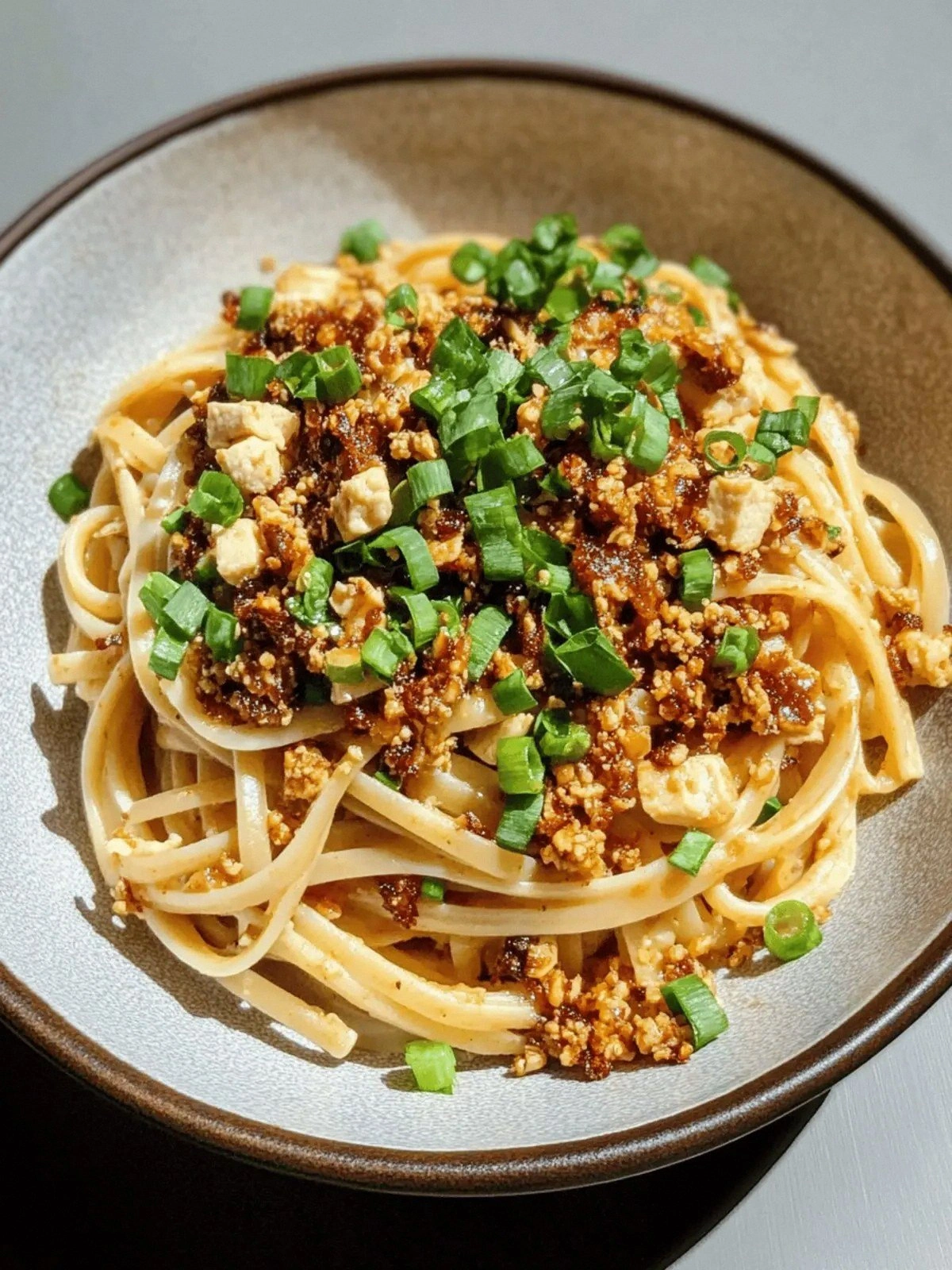
Picture the scene: a pot of boiling water, the rhythmic clink of pasta hitting the surface, a splash of chili‑flavored oil that sends a fragrant cloud into the air, and the gentle hiss of tofu sizzling to a golden crisp. The air is thick with the scent of toasted sesame, the sharp tang of miso, and the subtle sweetness of dark soy. Your eyes catch the glistening shimeji mushrooms, their delicate caps shimmering like tiny moons, and the green spears of scallions that promise a fresh bite. The texture is a symphony—crunchy edges, silky tofu, and pasta that’s al dente, each bite a burst of heat, depth, and comfort all at once.
What sets this version apart from every other recipe you’ve seen? First, it marries the smoky heat of chili oil with the earthy richness of miso, creating a sauce that coats the pasta like velvet while still allowing the noodles to shine. Second, the use of both extra‑firm and silken tofu gives you layers of texture: the firm tofu crisps up to a crunchy crumble, while the silken tofu melts into the sauce, adding body without overpowering. Third, the 5‑spice powder is the secret weapon that introduces warm, sweet, and aromatic undertones—cinnamon, cloves, fennel, star anise, and peppercorn—that lift the dish from ordinary to unforgettable. Fourth, the sauce’s balance of light and dark soy, rice wine vinegar, and sambal ensures that every spoonful is complex, not cloying. Finally, the dish is quick, taking less than an hour from start to finish, yet it feels like a gourmet meal.
And there’s more: the miso paste, when whisked with a splash of pasta water, creates a silky emulsion that lingers on your palate, while the scallions add a bright, citrusy finish that cuts through the richness. If you’ve ever struggled with a bland miso sauce that tastes like it’s missing something, you’ll find that this recipe fills that void with layers of flavor. Picture yourself pulling this dish out of the stove, the kitchen smelling like a fusion of Asia and Italy, and the aroma wrapping around you like a warm blanket. Ready to learn how to make this masterpiece? Let’s walk through every single step—by the end, you’ll wonder how you ever made it any other way.
What Makes This Version Stand Out
- Taste Explosion: The combination of miso, chili oil, and 5‑spice creates a flavor profile that feels both familiar and daring. It’s a harmony of umami, heat, and subtle sweetness that satisfies any craving.
- Texture Play: The dual tofu textures—crispy crumble and silky sauce—add depth without compromising the al dente bite of the linguine.
- Ingredient Quality: Using high‑quality soy sauces and fresh shimeji mushrooms elevates the dish from pantry staple to a showstopper.
- Cooking Simplicity: All the heavy lifting is done in the pan; no need for separate sauce pots or elaborate prep.
- Make‑Ahead Friendly: The sauce can be made a day ahead, and the pasta can be reheated with a splash of pasta water to restore its silkiness.
- Crowd‑Pleaser: Even the most skeptical diners will be begging for seconds—guaranteed.
Alright, let’s break down exactly what goes into this masterpiece…
Inside the Ingredient List
The Flavor Base
The foundation of this dish is a sauce that marries miso paste with a splash of rice wine vinegar, a drizzle of chili‑flavored oil, and the aromatic punch of 5‑spice powder. Miso brings umami depth, while the vinegar adds a bright counterbalance that prevents the sauce from feeling heavy. The chili oil injects a gentle heat that lingers, and the 5‑spice powder introduces warm, sweet, and slightly floral notes that echo across the palate. If you skip any of these, the sauce will feel flat, missing that signature complexity that makes the dish unforgettable.
Swap the miso paste for a combination of tahini and soy sauce if you’re avoiding soy, but keep the vinegar to maintain acidity. For a sweeter profile, add a teaspoon of honey or maple syrup, though that will shift the dish toward a sweeter Asian fusion. When buying miso, look for a dark brown variety—it’s richer and less sweet, which complements the savory elements in this recipe.
The Texture Crew
The extra‑firm tofu is the star of the texture game. Pressed and diced into cubes, it’s pan‑fried until it develops a caramelized crust. The result is a delightful crunch that contrasts with the silky silken tofu, which melts into the sauce to give it body and a creamy mouthfeel. The shimeji mushrooms add a subtle, earthy bite that pairs beautifully with the tofu’s richness.
If you’re looking to keep the dish entirely plant‑based, simply omit the silken tofu and replace it with a splash of coconut milk. The coconut will provide a creamy texture while adding a faint tropical flavor. Alternatively, for a protein boost, toss in a handful of chickpeas before adding the sauce; they’ll absorb the flavors and give the dish a hearty bite.
The Unexpected Star
Chili‑flavored oil is more than just a condiment; it’s the backbone of the dish’s heat. The oil carries a subtle smokiness that lingers on the tongue, while the chili flakes give a gentle, lingering warmth. Pairing it with 5‑spice powder creates a layered heat that’s both aromatic and satisfying. If you can’t find chili‑flavored oil, make a quick substitute by heating neutral oil with a few dried red chilies, then letting it cool.
This oil also acts as a binding agent, helping the sauce adhere to the pasta and tofu. The result is a sauce that coats the noodles like velvet, ensuring every bite is packed with flavor. The oil’s high smoke point also makes it ideal for pan‑frying the tofu to a crisp without burning.
The Final Flourish
Scallions add a bright, citrusy finish that cuts through the richness of the sauce. They’re tossed in at the very end, just before serving, to preserve their fresh crunch and vibrant color. A squeeze of lime or a dash of rice vinegar can elevate the dish further, adding a zesty brightness that lifts the overall flavor profile.
If you prefer a more robust green note, substitute the scallions with fresh cilantro. The cilantro’s peppery bite will complement the spicy miso sauce beautifully. Just be sure to add it at the last minute, as it can wilt quickly if left too long.
Everything’s prepped? Good. Let’s get into the real action…
The Method — Step by Step
- Bring a large pot of salted water to a rolling boil. Drop in the linguine and cook for 8–10 minutes, or until al dente. Reserve one cup of the pasta water before draining; this starchy liquid will help bind the sauce to the noodles later. While the pasta cooks, heat a large non‑stick skillet over medium‑high heat and add the chili‑flavored oil. The oil should shimmer without smoking—this indicates the right temperature. Once the oil is hot, add the diced extra‑firm tofu, and let it sear undisturbed for 4–5 minutes. Flip the cubes, and continue cooking until all sides are golden and crisp. The tofu should crackle softly, releasing a nutty aroma that signals it’s ready. This moment is the moment of truth; the tofu’s crispness will carry the sauce’s complexity.
- While the tofu crisps, whisk together the miso paste, 2 tablespoons of light soy sauce, 1 tablespoon of dark soy sauce, 2 tablespoons of rice wine vinegar, 1 tablespoon of sambal or chili paste, 1 teaspoon of hing, 1 tablespoon of 5‑spice powder, and 1 tablespoon of mushroom seasoning in a small bowl. Stir until the mixture is smooth and slightly frothy. If the sauce feels too thick, add a splash of pasta water to thin it to a pourable consistency. The miso will thicken when heated, so keep it ready for the next step. This sauce is the heart of the dish, and its balance will dictate the final flavor.
- Reduce the skillet heat to medium and pour the prepared sauce over the tofu. Gently stir to coat each cube evenly, allowing the tofu to absorb the aromatic mixture. Let it simmer for 2–3 minutes, watching for the sauce to thicken and coat the tofu like a glossy glaze. The edges of the tofu should start pulling away from the pan, indicating a caramelized finish. If you notice the sauce beginning to stick, add a tablespoon of pasta water to loosen it. This step ensures the sauce’s depth permeates every bite.
- Add the silken tofu to the skillet, breaking it into small chunks with a spoon. Gently fold the tofu into the sauce, allowing it to melt and mingle with the miso mixture. The silken tofu will soften into a silky custard, giving the dish a luxurious mouthfeel. Stir carefully to avoid breaking the tofu into a paste; you want a gentle swirl that keeps the texture intact. Let the mixture simmer for an additional 2 minutes, letting the flavors meld together. The sauce should look glossy and slightly thicker, ready to coat the pasta.
- Toss in the drained linguine and the shimeji mushrooms, tossing everything together until the pasta is fully coated with the sauce. The mushrooms will release a subtle umami burst, complementing the miso’s depth. If the sauce seems too thick, add a few tablespoons of the reserved pasta water, stirring until you achieve a silky consistency that clings to each noodle. The pasta should feel slightly tacky, not dry, and the sauce should cling to every strand. This is the moment when all the components harmonize.
- Sprinkle 3 tablespoons of scallions over the dish, tossing once more to distribute them evenly. The scallions add a fresh, bright contrast that cuts through the richness of the sauce. If you prefer a more robust green note, add a handful of fresh cilantro at this point. The final touch is a squeeze of lime or a splash of rice vinegar for extra brightness, but it’s optional—taste and adjust to your preference. The dish should look glossy, fragrant, and ready to serve.
- Plate the pasta in shallow bowls, ensuring each serving gets a good portion of tofu and mushrooms. Garnish with a drizzle of chili‑flavored oil for an extra burst of heat and a sprinkle of toasted sesame seeds for crunch. If you’re feeling adventurous, add a dollop of coconut cream on top for a tropical twist. The presentation should be vibrant, with the green scallions popping against the golden tofu and the dark sauce.
- Serve immediately while the noodles are still warm and the tofu is crispy. The dish is best enjoyed fresh, but if you need to hold it, keep it covered in a low‑heat oven (about 200°F) to prevent the tofu from becoming soggy. Remember, the sauce will thicken as it cools, so add a splash of pasta water or a drizzle of chili oil before serving to restore its silky sheen. The aroma of the finished dish will make your guests feel like they’re stepping into a bustling street market in Seoul.
- If you’re a fan of extra heat, sprinkle a few extra chili flakes on top. The final step is to take a deep breath, taste the first bite, and realize that the complex flavors you’ve built have finally come together. The heat will linger, the miso will echo, and the tofu will satisfy your cravings for both crunch and cream. This is the moment you can finally say, “I did it.”
That’s it— you did it. But hold on, I’ve got a few more tricks that’ll take this to another level.
Insider Tricks for Flawless Results
The Temperature Rule Nobody Follows
Cooking tofu at the right temperature is essential for achieving that perfect golden crust. Use a medium‑high heat—around 375°F—when searing the tofu cubes. If the pan is too hot, the tofu will burn; if it’s too cool, the tofu will steam and become soggy. I’ve found that using a cast‑iron skillet helps maintain consistent heat, giving you that desirable snap. Remember, the first few minutes are critical; once the tofu starts to brown, reduce the heat slightly to finish the crisping without burning.
Why Your Nose Knows Best
Your sense of smell is your best ally when cooking. If you notice the sauce smelling too sharp or acidic, add a pinch of sugar or a splash of coconut milk to balance it. The aroma of miso is subtle; if it seems muted, increase the miso amount slightly. A well‑balanced sauce will have a mellow, savory scent that invites you to dig in. I’ve learned that a quick sniff after each ingredient addition ensures the dish stays on track.
The 5‑Minute Rest That Changes Everything
After you plate the pasta, let it rest for 5 minutes before serving. This brief pause allows the flavors to settle and the sauce to thicken slightly, creating a more cohesive bite. The tofu will also re‑crisp a little as it cools, giving you a delightful contrast of textures. I’ve seen people rush to the table immediately and miss that subtle improvement. Give it a minute, and the dish will feel more complete.
The Secret Salt Switch
Instead of plain salt, use a pinch of sea salt or a splash of fish sauce to deepen the umami profile. Fish sauce adds a subtle marine note that enhances the miso’s earthiness. If you’re avoiding fish sauce, a dash of soy sauce can also elevate the dish. Just remember to taste as you go; the goal is a balanced flavor, not a salty aftertaste.
The Quick Chill Trick
If you’re preparing the dish ahead of time, cool it to room temperature, then refrigerate. When reheating, add a splash of water or broth to the pan to re‑emulsify the sauce. This technique ensures the pasta remains moist and the tofu stays crisp. I’ve found that reheating on low heat with a lid slightly ajar keeps the dish from drying out. It’s a lifesaver for busy weeknights.
Creative Twists and Variations
This recipe is a playground. Here are some of my favorite ways to switch things up:
Spicy Peanut Fusion
Swap the miso paste for a tablespoon of creamy peanut butter and add a splash of coconut milk. The nutty flavor pairs wonderfully with the chili oil, creating a Thai‑inspired pasta that’s both creamy and fiery. Top with crushed peanuts and fresh cilantro for extra crunch.
Mediterranean Kick
Replace the 5‑spice powder with a blend of oregano, thyme, and basil. Add sun‑dried tomatoes and olives for a Mediterranean twist. The miso becomes a subtle backdrop to the herbaceous flavors, while the chili oil adds a gentle heat. Serve with a side of crusty bread to soak up the sauce.
Vegan Protein Boost
Add a handful of edamame or chickpeas to the skillet before adding the sauce. They absorb the miso and chili flavors beautifully, turning the dish into a protein‑packed meal. The added legumes also give a satisfying bite that complements the tofu’s texture.
Seafood Surprise
Incorporate shrimp or scallops into the pan after the tofu has browned. The seafood will cook quickly, adding a sweet, briny note that contrasts the miso’s earthiness. Keep the sauce light to let the seafood shine, and finish with a squeeze of fresh lime.
Gourmet Mushroom Medley
Swap shimeji mushrooms for a mix of shiitake, cremini, and oyster mushrooms. The varied textures and deeper umami flavors elevate the dish to a gourmet level. Let the mushrooms sauté until caramelized before adding the sauce for maximum flavor.
Breakfast Bonanza
Serve the pasta with a fried egg on top and a sprinkle of chives for a breakfast‑style twist. The runny yolk will act as a natural sauce, mingling with the miso and chili flavors. This version is perfect for a lazy weekend brunch.
Storing and Bringing It Back to Life
Fridge Storage
Cool the dish to room temperature, then transfer it to an airtight container. Store in the refrigerator for up to 2 days. The tofu will stay crisp if you add a paper towel to absorb excess moisture, but the sauce will thicken slightly. When ready to serve, reheat gently on the stove, adding a splash of water to loosen the sauce.
Freezer Friendly
For longer storage, freeze the pasta and tofu separately. Wrap the pasta in parchment paper and place it in a freezer bag; freeze the tofu in a separate bag. When reheating, thaw the tofu in the microwave, then sauté it briefly to restore crispness. Combine with the pasta, add a splash of water, and warm through on the stove.
Best Reheating Method
The key to a great reheated dish is to add a splash of pasta water or broth. This helps re‑emulsify the sauce and keeps the noodles from drying out. Heat over low to medium heat, stirring constantly, until the dish is steaming hot. Finish with a drizzle of chili oil for an extra pop of flavor.