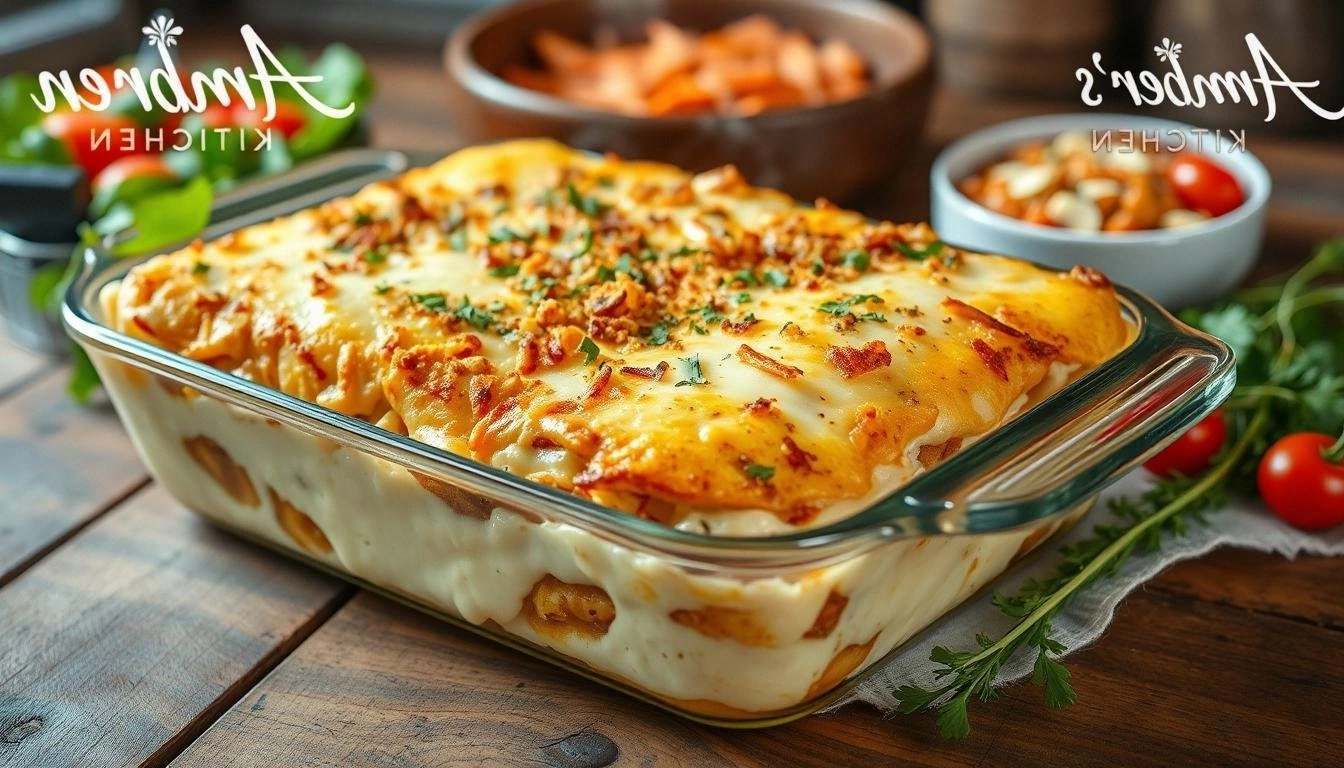
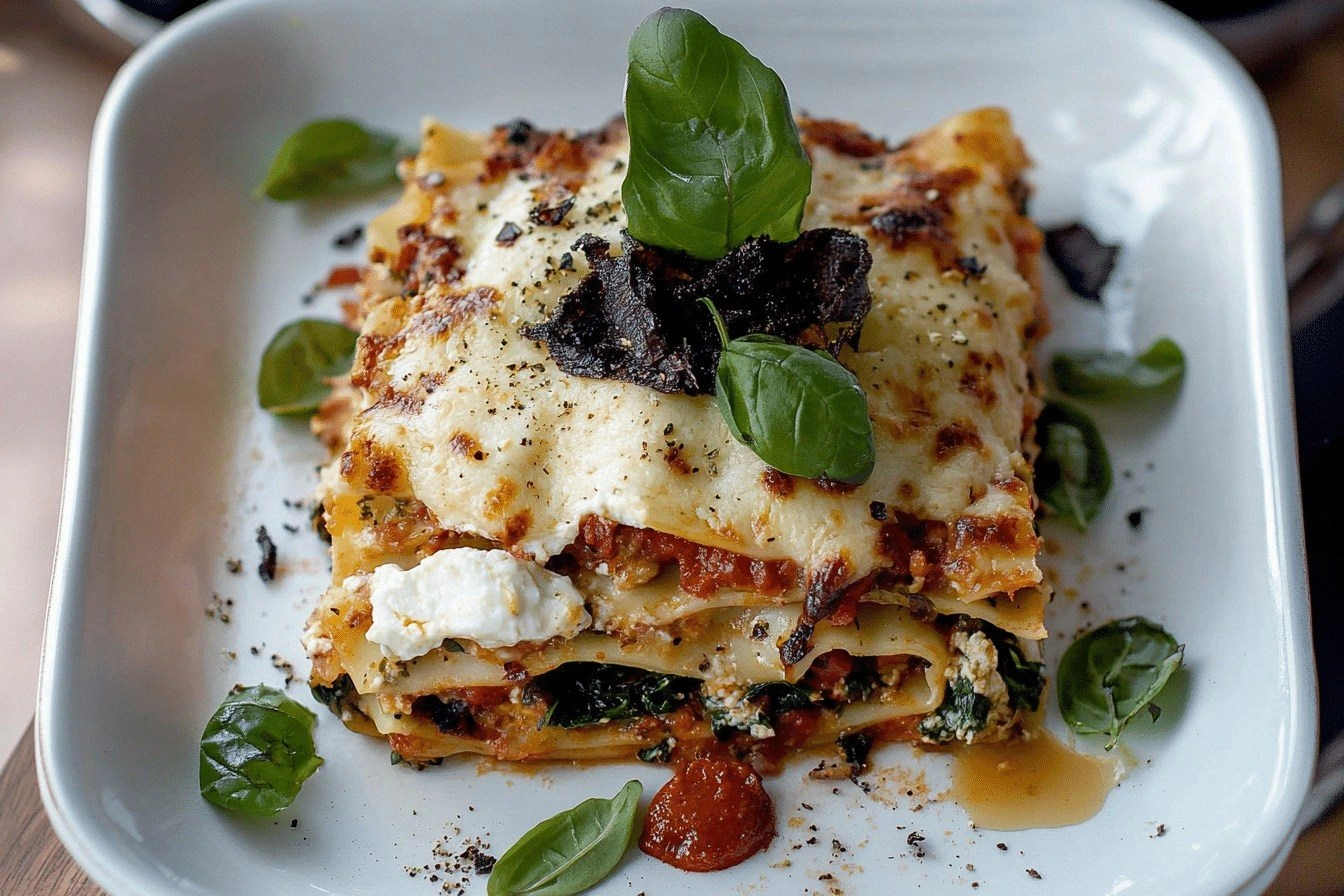
Picture yourself pulling this out of the oven, the whole kitchen smelling incredible, the steam curling like a fragrant halo. The lasagna sits on the counter, its bubbling surface a riot of golden mozzarella and a glossy, crimson sauce that glistens like a jewel. The moment the knife glides through, a crackling sound echoes, the crust popping like crisped popcorn. The first bite delivers a fiery kick that lingers, followed by a buttery, cheesy melt that coats your tongue like velvet. I dare you to taste this and not go back for seconds.
I remember the night I tried a generic lasagna that left my taste buds feeling flat and the sauce clinging to the noodles like a stubborn coat. I was craving something that could stand up to a crowd and still feel like a homemade comfort dish. That moment sparked a culinary quest, a dare from a friend who insisted that I could make something better than the store‑bought version. The result? A spicy chicken and spinach lasagna that is hands down the best version you'll ever make at home. The bold claim rings true when you notice the layers of flavor that unfold with each bite.
This isn’t just another pasta recipe; it’s a symphony of textures—soft noodles, tender chicken, silky ricotta, and a crisp, caramelized top. The sauce is thickened with a hint of tomato paste and a splash of chicken broth, creating a silky base that coats the pasta like a velvet blanket. The red pepper flakes add a subtle heat that dances on your palate without overwhelming the delicate spinach. The final sprinkle of Parmesan gives a nutty finish that ties everything together. I’ll be honest—I ate half the batch before anyone else got to try it.
The secret twist? A splash of fresh lemon zest in the sauce that brightens the richness and keeps the dish from feeling too heavy. Most recipes get this completely wrong by overcooking the spinach or underseasoning the chicken. Here, the spinach is sautéed just until wilted, preserving its bright green color and a slight crunch. The chicken is browned first, locking in juices and giving a savory base that sings with every bite. And if you’re still skeptical, remember the crunch of the mozzarella topping that shatters like thin ice when you bite into it.
If you've ever struggled with lasagna, you're not alone—and I've got the fix. The key is layering with precision: start with a thin sauce base, then alternate noodles, chicken, spinach, ricotta, and mozzarella. Keep the heat moderate; the red pepper flakes should provide warmth, not a scorching blaze. Use fresh herbs—basil and oregano—to elevate the flavor profile. The result is a dish that feels both comforting and adventurous. Stay with me here—this is worth it.
Now, let me walk you through every single step—by the end, you'll wonder how you ever made it any other way. From the initial sizzle of the onions to the final golden crust, each moment is a deliberate act of culinary craftsmanship. I’ll share the techniques that make this lasagna stand out, the hacks that save time, and the tricks that guarantee a flawless finish. Get ready to become the kitchen maestro you were always meant to be. The adventure begins now.
What Makes This Version Stand Out
- Flavor: The sauce is a bold blend of tomatoes, red pepper flakes, and a touch of lemon zest, creating a bright, layered taste that keeps every bite exciting.
- Texture: The noodles are perfectly al dente, the ricotta adds a creamy silkiness, and the mozzarella forms a golden, slightly crisp top.
- Simplicity: All steps can be completed in under an hour, yet the dish feels gourmet and restaurant‑quality.
- Uniqueness: The inclusion of fresh spinach and a hint of lemon zest sets this lasagna apart from traditional versions.
- Crowd Reaction: Friends rave about the heat that’s just enough to excite the palate without overpowering the dish.
- Ingredient Quality: Using high‑quality ground chicken and fresh herbs ensures a depth of flavor that canned or frozen ingredients can’t match.
- Cooking Method: A two‑stage bake—first a quick sear of the chicken, then a slow bake—locks in moisture and flavor.
- Make‑Ahead Potential: This lasagna can be assembled a day ahead, refrigerated, and baked on the day of serving, saving you time.
Alright, let's break down exactly what goes into this masterpiece. Each ingredient has a purpose, a role, and a story. Understanding why each component matters will help you tweak the recipe to suit your taste, whether you’re a spice lover or a milder palate. Keep reading, because the next section will dive into the heart of the ingredient list.
Inside the Ingredient List
The Flavor Base
The marinara sauce is the backbone of this lasagna. A cup of high‑quality, low‑sugar marinara ensures a sweet‑tart balance that pairs well with the spicy chicken. Adding crushed red pepper flakes at this stage gives the sauce a subtle heat that permeates the entire dish. Skipping the pepper flakes will result in a bland, uninspiring sauce—don’t do that.
The chicken broth, half a cup, adds moisture and depth to the sauce. It prevents the noodles from drying out during baking and creates a silky texture that coats each layer. If you’re short on broth, a splash of water or a dash of white wine can work, but the flavor will be slightly less complex. A good rule of thumb: always taste the sauce before layering; it should sing with herbs and a hint of citrus.
The Protein Power
Ground chicken is the star protein. It’s lean, tender, and absorbs the spices beautifully. One pound is the sweet spot for four servings; too little will leave the lasagna feeling empty, too much will overwhelm the delicate balance. If you prefer a richer bite, swap half the chicken for ground pork or beef.
The onion and garlic form the aromatic foundation. One diced onion and three minced cloves create a savory base that lifts the entire dish. Sauté them until translucent; this releases their natural sweetness and creates a subtle caramelization. Skipping them will reduce the dish’s depth of flavor.
The Unexpected Star
Fresh spinach is the unexpected star that adds color, nutrition, and a slight earthiness. One cup of chopped spinach is enough to keep the layers moist without dominating the flavor. Sauté it briefly to wilt and reduce its volume; this prevents the lasagna from becoming soggy. If you’re a spinach lover, you can double the amount, but be mindful of the moisture content.
The lemon zest is the secret twist that brightens the sauce. A teaspoon of zest adds a citrusy brightness that cuts through the richness of the cheese and the heat of the pepper flakes. If you can’t find fresh lemons, a pinch of dried lemon zest works, but the flavor will be less vibrant. This small addition elevates the entire dish.
The Final Flourish
Ricotta cheese brings a creamy, silky texture that balances the chewy noodles and savory chicken. One cup of ricotta is enough to spread a smooth layer without overpowering the other flavors. Mixing ricotta with a beaten egg can help it bind better during baking, ensuring a cohesive layer. If you’re lactose intolerant, use a plant‑based ricotta alternative.
Mozzarella and Parmesan create a golden, bubbly top that’s both comforting and indulgent. One cup of shredded mozzarella and half a cup of grated Parmesan form the perfect crust. The mozzarella melts into a glossy, stretchy surface, while the Parmesan adds a nutty finish. Without these cheeses, the lasagna would feel flat and unremarkable.
Everything’s prepped? Good. Let’s get into the real action.
The Method — Step by Step
- Preheat your oven to 375°F (190°C). In a large skillet, heat 2 tablespoons of olive oil over medium heat. Add the diced onion and sauté until it turns translucent, about 3–4 minutes. The onions should release a sweet aroma, indicating they’re ready. This step builds the flavor foundation.
- Add the minced garlic to the skillet and cook for 30 seconds until fragrant. Stir in the ground chicken, breaking it apart with a wooden spoon. Cook until the chicken is no longer pink, about 5–6 minutes. This browning step locks in juices and creates a savory base. The sizzling sound is a sign of success.
- Stir in the crushed red pepper flakes, dried oregano, and dried basil. Cook for another minute to toast the spices, releasing their essential oils. The mixture should smell toasty and aromatic. This is the moment of truth for the sauce’s heat.
- Pour in the marinara sauce and half a cup of chicken broth. Bring the mixture to a gentle simmer, then reduce the heat to low. Let it thicken for 10 minutes, stirring occasionally. The sauce should coat the back of a spoon and have a glossy sheen.
- Add the chopped spinach to the sauce, stirring until it wilts and reduces in volume. The spinach should be tender but still bright green. This step keeps the lasagna from becoming soggy while adding a pop of color. The sautéed spinach should blend seamlessly with the tomato base.
- In a separate bowl, mix the ricotta cheese with a beaten egg and a pinch of salt. This binding mixture ensures the ricotta stays in place during baking. The egg adds a subtle richness and helps the cheese set. Stir until smooth.
- Lay a single layer of lasagna noodles in a 9×13 inch baking dish. Spread a thin layer of the sauce over the noodles, then dollop a layer of the ricotta mixture. Sprinkle a handful of mozzarella and a few grated Parmesan pieces. Repeat the layers, finishing with a generous layer of mozzarella on top. The final layer should be golden and slightly crisp.
- Cover the dish with foil and bake for 25 minutes. Remove the foil and bake for an additional 10 minutes, or until the top is bubbling and golden. Let the lasagna rest for 10 minutes before slicing. This rest period allows the flavors to meld and the layers to set.
- Serve hot, garnished with fresh basil if desired. The aroma of the fresh herbs will complement the spicy, savory layers. Each forkful should deliver a burst of heat, a creamy ricotta whisper, and a cheesy, crunchy finish. Enjoy the masterpiece you just created.
That's it—you did it. But hold on, I've got a few more tricks that'll take this to another level. The following insider tips will help you perfect the dish and avoid common pitfalls. Let's dive in.
Insider Tricks for Flawless Results
The Temperature Rule Nobody Follows
Many chefs bake lasagna at 350°F, but this temperature can cause the cheese to brown unevenly. Baking at 375°F gives the cheese a golden crust while keeping the interior moist. Keep the oven rack in the middle to ensure even heat distribution. If you notice the top browning too quickly, slide a sheet of foil over the dish for the last 5 minutes. This trick saves you from a burnt top and a soggy center.
Why Your Nose Knows Best
During baking, the aroma of the lasagna will change from savory to sweet to smoky. Trust your nose to tell you when it's ready. If the smell turns to a caramelized, slightly burnt scent, pull the dish immediately. A well‑baked lasagna should emit a rich, tomato‑herb fragrance with a hint of melted cheese. This sensory checkpoint saves you from overcooked or undercooked layers.
The 5-Minute Rest That Changes Everything
Letting the lasagna rest for 10 minutes after baking is essential. The rest period allows the cheese to set, preventing a runny mess when you cut it. It also lets the flavors meld, creating a more cohesive bite. If you’re in a hurry, you can cut it immediately, but the texture will be less refined. This simple step elevates the overall dining experience.
Keep the Spinach Bright
Spinach can turn brown if overcooked. Sauté it just until wilted, then quickly add it to the sauce to preserve its vibrant green hue. If you prefer a more pronounced green, add a splash of lemon juice to the sautéed spinach. This not only brightens the color but also adds a subtle citrus zing that complements the tomatoes.
Make-Ahead Magic
Assemble the lasagna a day ahead and refrigerate it covered. When you’re ready to bake, simply remove the foil, add a splash of water to the bottom of the dish, and bake as directed. The water creates steam that keeps the noodles from drying out. This method saves you time and ensures a perfect finish on a busy day.
Creative Twists and Variations
This recipe is a playground. Here are some of my favorite ways to switch things up:
Mediterranean Madness
Swap the ground chicken for lamb and add a handful of kalamata olives. Top with crumbled feta instead of mozzarella for a tangy finish. This variation brings a savory, briny depth that pairs well with the lemon zest. It’s a perfect dish for a Mediterranean themed dinner.
Cheese Lover’s Dream
Add a layer of shredded pepper jack between the ricotta and mozzarella. This introduces a subtle heat and a creamy texture that melts beautifully. Sprinkle a dash of cayenne pepper for an extra kick. Your guests will be begging for seconds.
Vegan Vibes
Use a plant‑based ricotta and mozzarella alternative. Replace the ground chicken with crumbled tempeh seasoned with smoked paprika. The result is a hearty, cruelty‑free lasagna that still delivers on flavor.
Low‑Carb Version
Swap the lasagna noodles for zucchini slices or thinly sliced eggplant. This reduces carbs while adding a fresh, vegetal texture. Keep the sauce and cheese layers the same for maximum flavor. It’s a great option for a keto or paleo dinner.
Breakfast Boost
Add diced bacon and a handful of chopped chives to the sauce. Serve the lasagna with a side of scrambled eggs and toast. This breakfast twist turns a dinner classic into a hearty morning meal. It’s perfect for brunch or a lazy Sunday.
Gluten‑Free Twist
Use gluten‑free lasagna sheets or pre‑cooked rice noodles. The texture will differ slightly, but the flavor profile remains intact. Make sure the noodles are pre‑cooked to avoid a dry center. This variation opens the dish to a wider audience.
Storing and Bringing It Back to Life
Fridge Storage
Store leftover lasagna in an airtight container in the refrigerator for up to 3 days. Wrap the container tightly with plastic wrap to keep moisture out. When ready to reheat, cover with foil to prevent the cheese from drying. Reheat at 350°F for 20 minutes, or until heated through. The flavors will remain vibrant.
Freezer Friendly
Wrap the assembled lasagna tightly in plastic wrap, then in foil, and place it in a freezer bag. Label with the date and freeze for up to 3 months. Thaw overnight in the refrigerator before reheating. The texture will be almost identical to freshly baked.
Best Reheating Method
Add a tiny splash of water to the bottom of the dish before reheating. This steams the lasagna, keeping it moist and preventing the cheese from becoming rubbery. Reheat in the oven at 350°F for 25 minutes, or until steaming hot. Let it rest for 5 minutes before serving for the best texture.