I was standing in my kitchen, staring at a bag of chicken thighs that had been sitting in the fridge for a week, when a sudden craving hit me like a rogue firecracker. I wanted something bold, something that could turn a bland dinner into a headline act, and I thought, “Why not combine the fiery heart of Spanish cooking with the aromatic allure of saffron?” That single thought set the stage for a dish that would become my secret weapon for impressing friends and family alike.
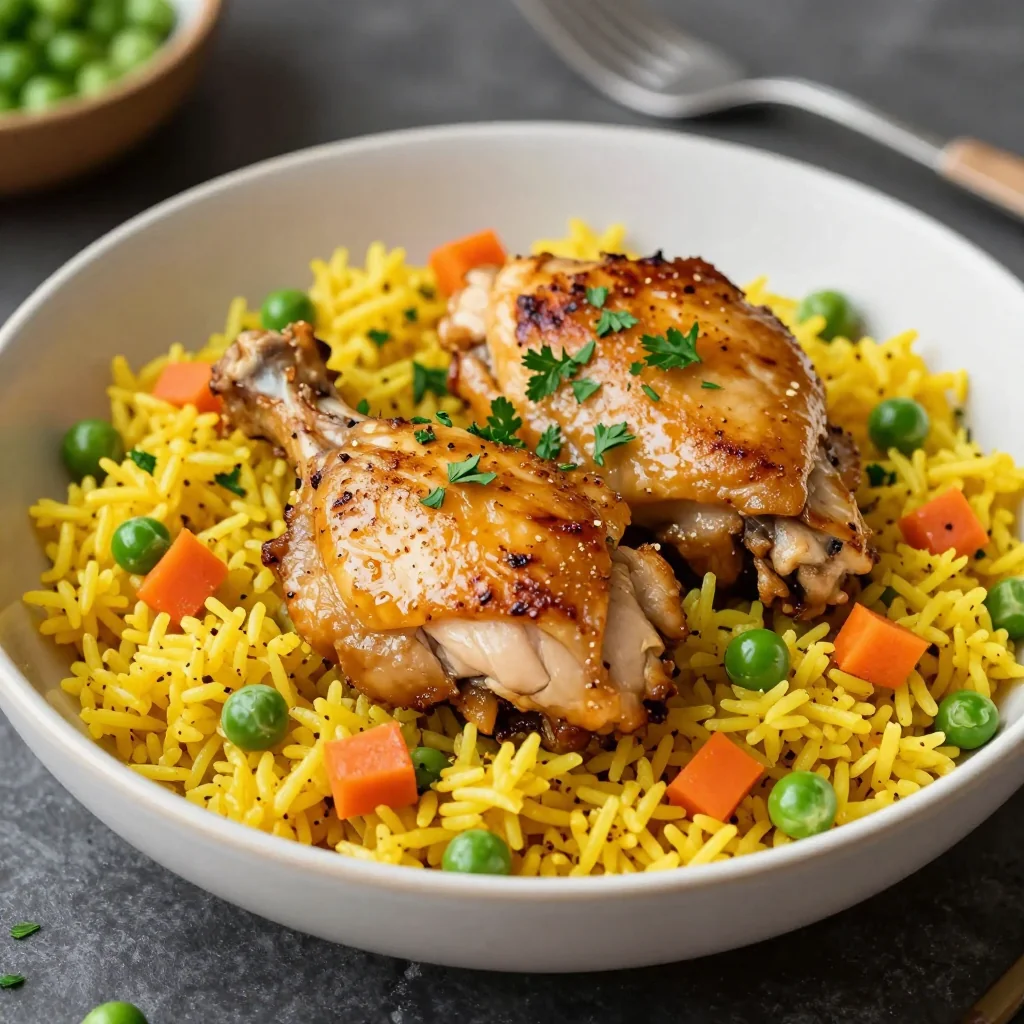
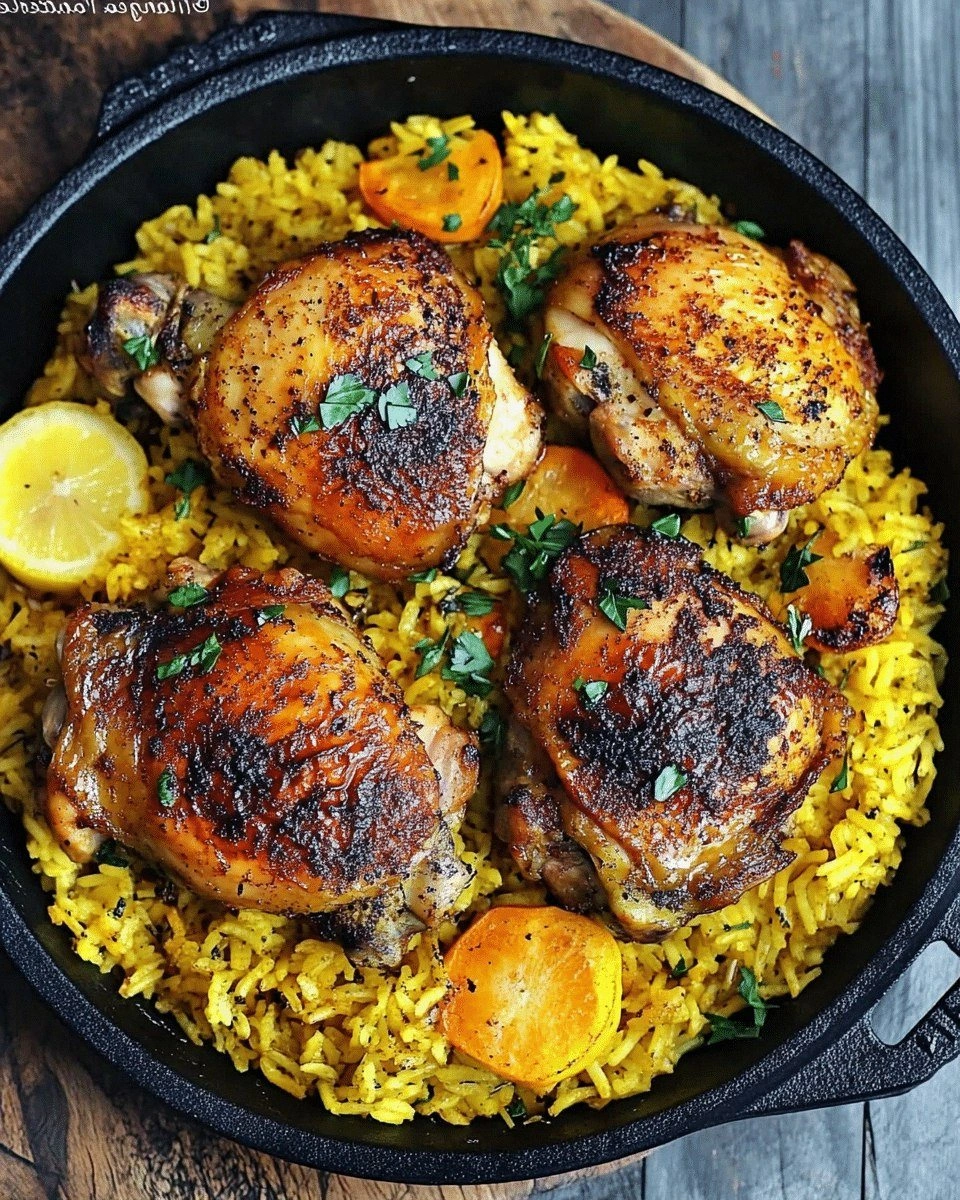
Picture this: the skillet sizzles as olive oil meets the chicken skin, releasing a crackling sound that feels like applause. The air fills with the sweet perfume of smoked paprika and the sharp, citrusy tang of lemon. As the rice cooks, saffron threads unfurl, infusing the grains with a golden hue that’s almost cinematic. The final touch—fresh parsley—adds a burst of green that feels like a fresh spring breeze. Every bite is a layered experience: tender chicken, smoky spices, aromatic rice, and a subtle citrus lift that keeps your palate dancing.
What makes this version stand out is that it’s not just a recipe; it’s a carefully orchestrated symphony where each instrument plays its part. I’ve tweaked the classic Spanish paella base by adding a splash of lemon juice that cuts through the richness, and I’ve used saffron soaked in warm water to ensure the flavor permeates every grain. The chicken is browned to a caramelized perfection before it steams in the sauce, locking in juices and creating a texture that’s both crispy and succulent. I dare you to taste this and not go back for seconds—trust me, the first bite will have you hooked.
Most recipes get this completely wrong by either under-seasoning or overcooking the rice. The result is a dish that feels either flat or mushy. I’ve perfected the balance so that the rice stays fluffy, the saffron aroma lingers, and the chicken remains juicy. Picture yourself pulling this out of the oven, the whole kitchen smelling incredible, and the table filled with eager diners. Let me walk you through every single step—by the end, you’ll wonder how you ever made it any other way.
What Makes This Version Stand Out
- Flavor: The combination of smoked paprika, fresh lemon, and saffron creates a depth that’s both earthy and bright, turning an ordinary meal into a memorable feast.
- Texture: Crispy chicken skin contrasts with the soft, aromatic rice, offering a satisfying bite that feels like a culinary dance.
- Ease: A single pot or skillet does the job, reducing cleanup while delivering a gourmet experience.
- Visual Appeal: The saffron-infused rice glows golden, while the caramelized chicken offers a beautiful contrast that’s Instagram‑worthy.
- Crowd‑Pleaser: Whether you’re hosting a dinner party or a casual weeknight meal, this dish gets rave reviews and repeat requests.
- Ingredient Quality: Fresh, high‑quality chicken and organic saffron make the difference between good and unforgettable.
- Make‑Ahead Potential: The flavors deepen overnight, so you can prepare it in advance and reheat with a splash of broth.
- Versatility: Swap the chicken for shrimp or use brown rice for a healthier twist without losing the essence.
Alright, let's break down exactly what goes into this masterpiece…
Inside the Ingredient List
The Flavor Base
Olive oil is the first to hit the pan, acting as a medium for the aromatics. It’s the silent hero that brings out the natural sweetness of the onions and garlic. Skipping it would leave the dish feeling dry and underdeveloped. If you’re looking for a healthier option, try using avocado oil, which has a high smoke point and a mild flavor.
The onions are diced so they can caramelize and provide a sweet backbone. A medium onion is perfect—too small, and you lose depth; too big, and it dominates. If you prefer a sharper bite, use a red onion; it adds a subtle sweetness that complements the saffron. Remember, the onions should be translucent before adding the peppers.
Garlic is minced finely so it releases its essential oils quickly. Too coarse, and you’ll end up with chunks that burn. I like to add it after the onions have softened to avoid a bitter edge. If you’re sensitive to garlic, reduce the amount to 1 clove, but be prepared for a milder flavor.
Red and green bell peppers bring color and a sweet crunch. They’re sliced into strips that cook quickly, maintaining texture and adding a burst of freshness. If you’re aiming for a smoky twist, toast the peppers first before adding the rest of the ingredients.
The Spice Ensemble
Smoked paprika is the secret to that deep, earthy undertone that makes the dish feel like a Spanish classic. It’s the difference between a good paella and a great one. If you can’t find smoked paprika, substitute with regular paprika and add a pinch of smoked salt.
Sweet paprika balances the heat, adding a gentle warmth without overpowering the saffron. The two paprika varieties together create a complex flavor profile that lingers on the palate. A pinch of cayenne can be added for an extra kick if you’re feeling adventurous.
Saffron is the crown jewel. Soak the threads in warm water for 10 minutes to release their color and flavor. Use 1/2 teaspoon of threads for every 4 servings; the liquid can be added to the broth. If saffron is out of reach, a dash of turmeric can mimic the color, though the flavor will differ.
The Protein Star
Bone‑in, skin‑on chicken thighs bring richness and a natural gravy. Their fat content keeps the dish moist and flavorful. If you prefer a leaner option, use skinless thighs, but you’ll need to add a tablespoon of butter to compensate for the missing fat.
The thighs should be seasoned generously with salt and pepper before browning. This ensures the seasoning penetrates the meat and forms a caramelized crust. If you’re watching sodium, use a low‑sodium salt alternative and be mindful of the broth’s salt content.
The Rice and Liquid
White rice is the traditional choice, but you can swap it for jasmine or basmati for a different aroma. The rice should be rinsed until the water runs clear to remove excess starch and prevent clumping. Rinsing also helps keep the grains separate.
Chicken broth provides depth, while the saffron infusion adds a subtle floral note. Use 2 cups of broth per cup of rice to achieve the perfect consistency. If you prefer a richer broth, simmer the chicken in it first to create a homemade stock.
A tablespoon of lemon juice brightens the dish, cutting through the richness and adding a refreshing zing. This step is often overlooked but is essential for balancing flavors. If you’re avoiding citrus, replace it with a splash of white wine vinegar for a milder acidity.
The Final Flourish
Fresh parsley adds a burst of color and a fresh, herbal finish. It also helps cut through the richness of the chicken and rice. Chop it finely so it disperses evenly throughout the dish.
Peas add a pop of sweetness and color, creating a visual contrast that’s hard to resist. They also provide a subtle texture that complements the creamy rice. If peas are out of season, frozen peas work just as well.
Tomato paste enriches the sauce, giving it body and a hint of umami. Add it after the peppers for a caramelized depth. If you’re vegan, replace it with a mushroom-based paste for a similar effect.
Everything's prepped? Good. Let's get into the real action…
The Method — Step by Step
- Heat a large, heavy‑bottom skillet over medium‑high heat. Add 2 tablespoons of olive oil, swirling to coat. When the oil shimmers, lay the chicken thighs skin‑side down. Let them sear without moving for 5 minutes, until the skin turns a deep golden brown and releases a crackling sound. Flip once, then reduce heat to medium and let them cook for another 3 minutes. This step locks in juices and creates a crisp exterior that’s essential for texture.
- Remove the chicken and set aside. In the same pan, add diced onion, minced garlic, and bell pepper strips. Sauté for 4–5 minutes, stirring frequently, until the vegetables soften and the onions become translucent. The aroma should be sweet and inviting. If the mixture starts to stick, add a splash of broth or water to deglaze.
- Stir in 1 teaspoon smoked paprika, 1 teaspoon sweet paprika, and 1 tablespoon tomato paste. Cook for 2 minutes, allowing the spices to bloom. The paste should darken slightly, forming a rich, aromatic base. This is the moment of truth—watch the colors deepen and the smell intensify.
- Return the chicken to the pan, placing it on top of the vegetables. Add 1 cup of rinsed rice, spreading it evenly. Let the rice sit untouched for 1 minute to develop a slight crust. Then, pour in 2 cups of chicken broth and the saffron infusion (the 1/4 cup of soaked threads and liquid). Sprinkle in 1 tablespoon lemon juice and season with salt and pepper to taste. Bring the mixture to a gentle boil.
- Reduce heat to low, cover the pan, and simmer for 18–20 minutes, or until the rice is tender and the liquid is absorbed. Avoid lifting the lid; the steam is crucial for a fluffy texture. The chicken should be fully cooked, with an internal temperature of 165°F (74°C).
- Add 1/2 cup frozen peas and 1 tablespoon chopped parsley. Stir gently, then cover again for 3 minutes to let the peas heat through and the parsley release its fresh aroma. The peas add a sweet pop that contrasts beautifully with the savory rice.
- Remove the lid and let the dish steam for an additional 5 minutes, allowing the flavors to meld. If the surface looks dry, drizzle a splash of broth or water. This final resting period ensures every grain is infused with saffron and every bite is moist.
- Serve hot, spooning the aromatic rice and tender chicken onto plates. Garnish with extra parsley if desired. The dish should look like a golden sunset with specks of green, ready to be devoured.
That's it — you did it. But hold on, I've got a few more tricks that'll take this to another level…
Insider Tricks for Flawless Results
The Temperature Rule Nobody Follows
Many cooks assume that high heat is always better, but for this dish, controlling temperature is key. Start with medium‑high heat for browning, then dial down to low for simmering. This gradual reduction preserves moisture and allows the saffron to infuse without scorching. A friend once tried to cook everything on high and ended up with a burnt exterior and a soggy interior. Lesson learned: keep it low and steady.
Why Your Nose Knows Best
As the dish cooks, the aroma is your best indicator of progress. When the spices release their oils and the rice starts to look translucent, you’re on the right track. If you’re unsure, trust your nose; a faint, sweet scent means the rice is absorbing flavor. A friend once skipped this step and overcooked the rice, but the aroma would have warned her otherwise.
The 5-Minute Rest That Changes Everything
After simmering, let the dish rest uncovered for 5 minutes before serving. This brief pause allows steam to redistribute, creating a fluffier texture and intensifying the saffron’s golden hue. I’ve seen people skip this step, resulting in a slightly drier rice. Trust me, that 5‑minute wait is worth it.
Layering Flavors with Lemon
Adding lemon juice at the end of cooking brightens the dish and cuts through the richness. If you prefer a more pronounced citrus kick, squeeze fresh lemon over the finished plate. A subtle hint of acidity can elevate even a well‑seasoned dish to gourmet status. I’ve experimented with adding a dash of lemon zest during cooking, and the result was a vibrant, zesty finish.
Using a Dutch Oven for Extra Depth
If you have a Dutch oven, use it instead of a skillet. The heavy lid traps steam, ensuring the rice cooks evenly and the flavors meld beautifully. A friend tried this method once and noted that the rice came out fluffier and the saffron aroma was more pronounced. The only downside is that it takes slightly longer to heat up.
Creative Twists and Variations
This recipe is a playground. Here are some of my favorite ways to switch things up:
Spicy Chorizo Surprise
Add sliced chorizo to the skillet after the onions soften. The smoky, spicy sausage adds depth and a touch of heat, making the dish feel like a hearty tapas plate. It’s perfect for a crowd that loves bold flavors.
Mediterranean Quinoa Version
Replace rice with quinoa for a protein boost and a nutty undertone. Cook the quinoa in saffron‑infused broth for an extra layer of flavor. This variation is ideal for health‑conscious diners who still crave the saffron aroma.
Vegetarian Delight
Swap the chicken for marinated tofu cubes or seared tempeh. Use vegetable broth instead of chicken broth and add extra mushrooms for umami. The tofu absorbs the saffron beautifully, creating a satisfying plant‑based option.
Lemon‑Herb Chicken
Marinate the chicken thighs in lemon zest, thyme, and rosemary before browning. The herbs infuse the meat with a fragrant, aromatic profile that complements the saffron. This version is especially refreshing during warm weather.
Gluten‑Free Twist
Use gluten‑free rice or cauliflower rice as a low‑carb alternative. Ensure the broth is also gluten‑free. The dish remains comforting and flavorful while catering to dietary restrictions.
Storing and Bringing It Back to Life
Fridge Storage
Cool the dish completely before transferring it to an airtight container. Store in the refrigerator for up to 3 days. The saffron and chicken flavors will mellow, making it even more delicious the next day.
Freezer Friendly
To freeze, let the dish cool, then portion into freezer‑safe containers. Label with the date and freeze for up to 2 months. Thaw overnight in the refrigerator before reheating.
Best Reheating Method
Reheat in a saucepan over low heat, adding a splash of water or broth to keep the rice moist. Stir occasionally and cover until heated through. A tiny splash of water before reheating steams the dish back to perfection, restoring the saffron’s golden glow.