Love this? Pin it for later! 📌
Slow-Roasted Pork Loin with Citrus Glaze & Root-Vegetable Feast
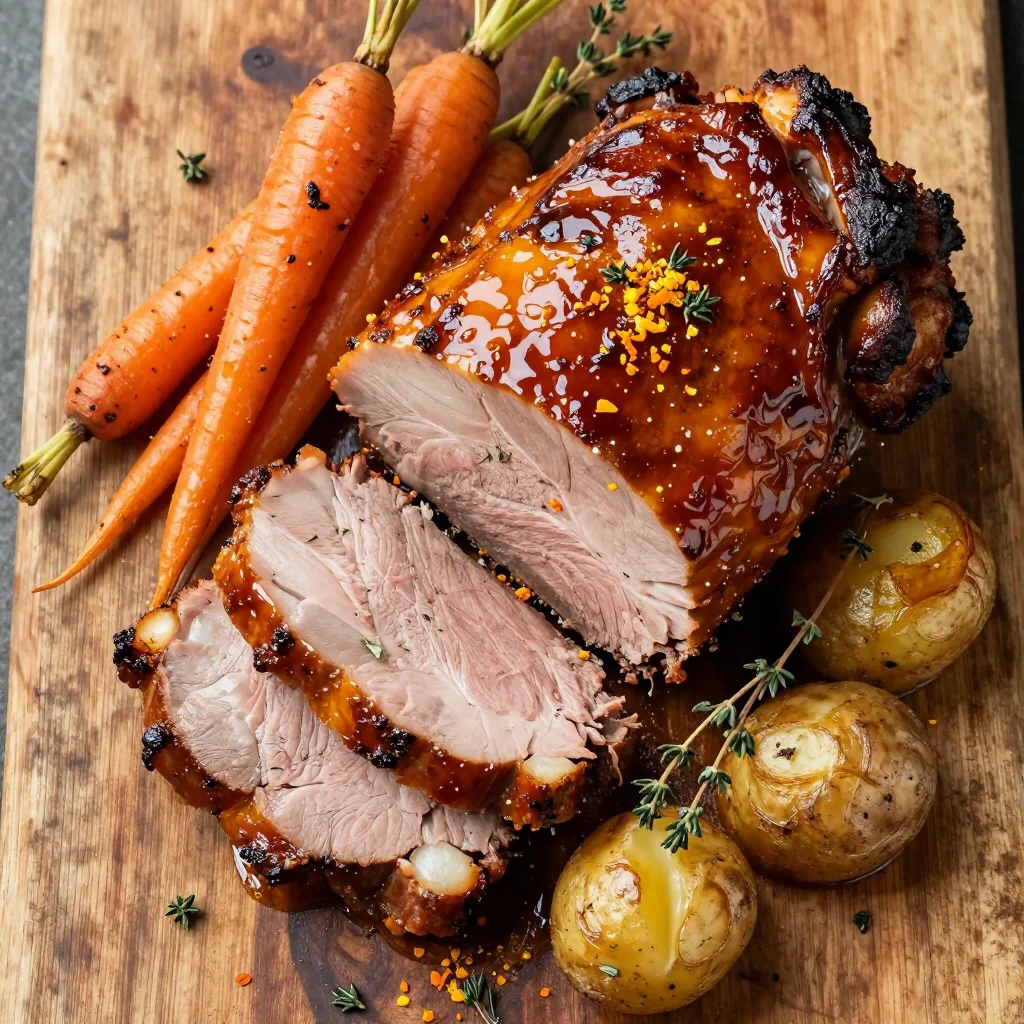
There’s a certain magic that happens when pork loin spends three lazy hours in a gentle, low oven. The exterior bronzes into a glistening mahogany, the internal marbling melts into buttery pockets of flavor, and the entire kitchen smells like a Norman Rockwell painting—warm, familiar, and just a little bit nostalgic. I first served this exact centerpiece on a frost-dusted December evening when my parents were driving in from Ohio. We’d spent the afternoon stringing popcorn garlands and arguing over which radio station qualified as “real Christmas music.” By the time the sun dipped behind the sugar maples, the roast had reached that sweet spot between fork-tender and sliceable, and the citrus glaze had lacquered itself into a shiny, sticky cloak that crackled under the heat of the broiler for the final two minutes. My dad—who claims he “doesn’t eat sweet stuff with meat”—went back for thirds. My mom asked for the recipe before she’d even pushed her chair in. And my kids, who normally stage a root-vegetable revolt, cheerfully polished off every last carrot coin and parsnip baton. If you’re hunting for a show-stopping roast that feels fancy enough for company yet forgiving enough for a distracted cook, this is it. Slide it into the oven after lunch, open a novel, and let time (and a quick glaze) do the heavy lifting.
Why This Recipe Works
- Low-and-slow heat: 275 °F guarantees evenly cooked, blush-pink meat without the dreaded bullseye of gray edges.
- Citrus glaze built in two stages: A bright, honey-orange mop during the roast and a final high-heat lacquer for mirror-like shine.
- One-pan vegetables: carrots, parsnips, and baby potatoes roast underneath, basting in citrusy pork drippings.
- Make-ahead friendly: Season the night before; the dry brine amplifies flavor and buys you flexibility on serving day.
- Minimal knife work: One bowl for glaze, one sheet pan for veg, one probe thermometer for precision.
- Leftover goldmine: Slice thin for sandwiches, cube for tacos, or shave into fried rice.
Ingredients You'll Need
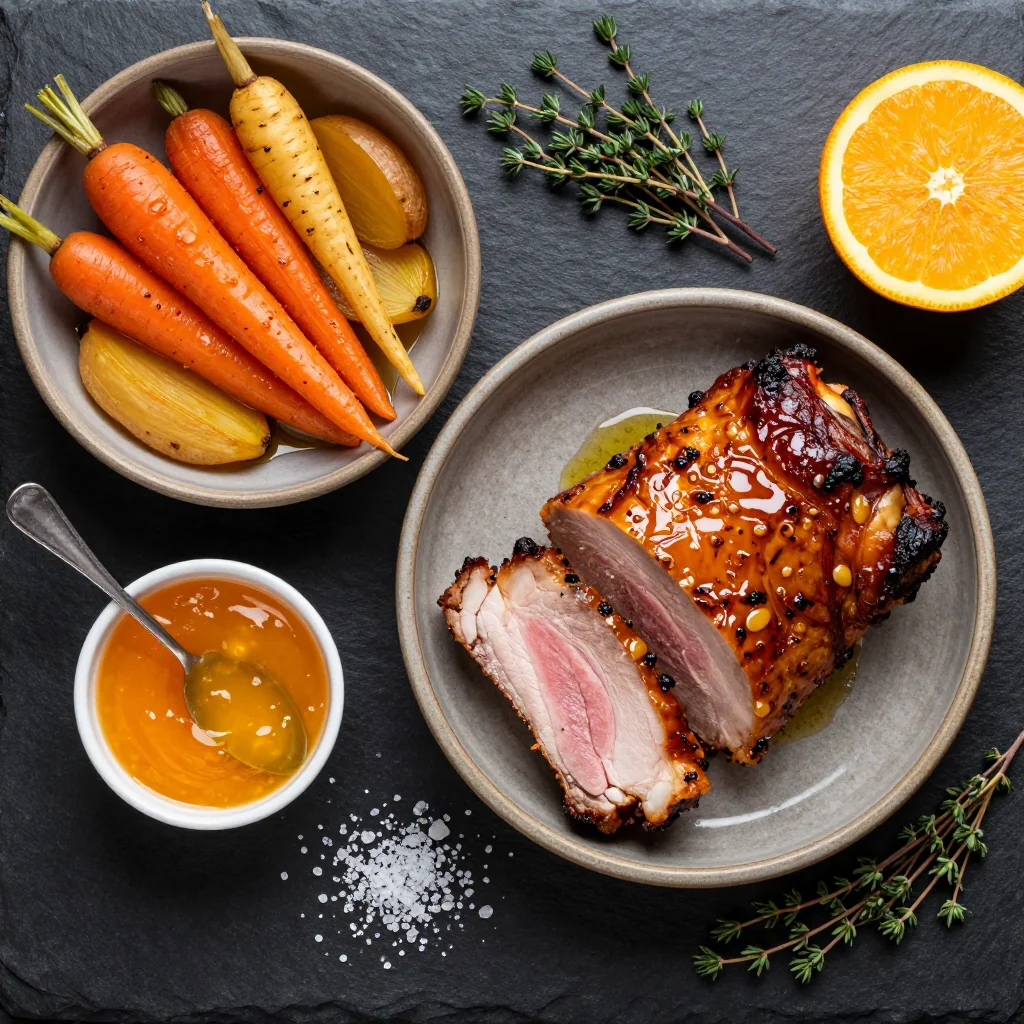
Great pork begins at the butcher counter. Ask for a center-cut loin roast that still wears a thin cap of fat; this self-basting layer renders slowly and insulates the meat. If you can only find a lean “Pork Loin Filet,” buy two and tie them together so they roast at a similar thickness—otherwise you’ll end up with shoe leather at the tapered tail. For the citrus component, I blend navel orange juice (sweet), ruby grapefruit zest (bitter perfume), and a squeeze of lime (sharp top note). In a pinch, bottled OJ works, but avoid concentrates packed with corn syrup—they scorch. Honey is my sweetener of choice because its subtle floral notes echo the orange blossom in the juice, yet brown sugar or even maple syrup can stand in. When selecting root vegetables, think color contrast: candy-stripe beets, purple carrots, and golden parsnips paint the platter like confetti. Buy them in similar diameters so they finish cooking at the same moment. Finally, keep a knob of cold butter on standby; whisking it into the finished glaze adds restaurant-grade body and an irresistible satin sheen.
How to Make Slow-Roasted Pork Loin with Citrus Glaze & Root-Vegetable Feast
Dry-brine the roast
Pat the pork loin dry with paper towels. Combine 1 Tbsp kosher salt, 1 tsp smoked paprika, ½ tsp freshly cracked black pepper, and ¼ tsp ground coriander. Rub mixture evenly over meat, including the underside. Place on a wire rack set inside a rimmed baking sheet and refrigerate, uncovered, 8–24 hours. The skin will feel leathery and taut—exactly what you want for superior browning.
Heat & prep vegetables
Remove pork from fridge 45 minutes before roasting. Preheat oven to 275 °F (135 °C). Toss 1 lb baby potatoes (halved), 4 large carrots (cut into 2-inch batons), and 2 medium parsnips (same cut) with 2 Tbsp olive oil, 1 tsp salt, and a few grinds of pepper. Spread on a parchment-lined half-sheet pan, creating a vegetable “rack” in the center for the pork.
Insert probe thermometer
Set the pork fat-side up atop the vegetables. Insert a probe thermometer horizontally through the fat cap into the thickest section, avoiding bone if you’re using a bone-in roast. Connect the cable to the digital base outside the oven. This prevents heat loss from repeated door-opening later.
Slow-roast to 135 °F
Slide the sheet pan onto the middle rack and roast until the internal temperature reads 135 °F (57 °C), about 2 hours 15 minutes for a 3-lb roast. The low oven temp allows enzymes to break down collagen, translating to silky slices. Meanwhile, start the glaze.
Whisk citrus glaze
In a small saucepan, whisk ½ cup fresh orange juice, 3 Tbsp honey, 2 tsp grapefruit zest, 1 tsp soy sauce, ½ tsp grated fresh ginger, and a pinch of red-pepper flakes. Bring to a bare simmer over medium heat; reduce by one-third (about 6 minutes) until syrupy enough to coat the back of a spoon. Keep warm.
When pork hits 135 °F, brush a thin layer of glaze over the fat cap. Return to oven for 15 minutes. Repeat two more times, building layers of flavor and a candied surface. Reserve remaining glaze for serving.
Broil for caramelization
Increase oven to broil (500 °F or 260 °C). Broil pork 4 inches from element until glaze bubbles and darkens in spots, 1–2 minutes—watch closely! Transfer roast to a carving board; tent loosely with foil. Rest 20 minutes; internal temp will coast to a food-safe 145 °F.
Finish vegetables & serve
While pork rests, return vegetables to oven (still at broil) for 5 minutes to char edges. Deglaze sheet pan with 2 Tbsp orange juice, scraping browned bits. Slice pork into ½-inch medallions, drizzle with pan juices and remaining glaze, and pile vegetables alongside. Garnish with fresh thyme and orange wheels.
Expert Tips
Fat-cap scoring
Using a sharp knife, cut shallow cross-hatches through the fat only; this exposes more surface area for glaze adherence without piercing the meat.
Carry-over cooking
Pull at 135 °F; residual heat will add 10 degrees. Over-cooking is the #1 cause of dry pork loin.
Thermometer calibration
Ice-bath test your probe yearly. A 2-degree variance can mean the difference between rose and beige.
Vegetable spacing
Crowding = steam = soggy. If doubling, use two pans and rotate halfway.
Glaze burn guard
Honey burns above 350 °F. That’s why we wait until the last 45 minutes to apply.
Butter finish
Swirl 1 Tbsp cold butter into reserved glaze off-heat for a glossy, restaurant-quality sheen.
Variations to Try
- Smoky Chile: Replace paprika with ancho chile powder and add 1 tsp chipotle purée to glaze.
- Maple-Mustard: Swap honey for dark maple syrup and whisk 1 Tbsp whole-grain mustard into glaze.
- Herb-Crusted: Press 2 Tbsp minced fresh sage and 1 Tbsp crushed pink peppercorns onto fat cap before roasting.
- Autumn Fruit: Tuck quartered apples and fennel wedges among root vegetables; substitute apple cider for orange juice.
- Keto-Friendly: Use allulose in place of honey and serve with cauliflower purée.
Storage Tips
Refrigerate: Cool slices completely, then store in airtight container with any juices up to 4 days.
Freeze: Wrap individual portions in plastic wrap, then foil; freeze up to 3 months. Thaw overnight in fridge.
Reheat: Warm in a 250 °F oven with a splash of chicken stock, covered, 12–15 minutes. Microwave will toughen the meat.
Make-Ahead: Roast and slice a day early; reheat gently in a skillet of simmering glaze for effortless entertaining.
Frequently Asked Questions
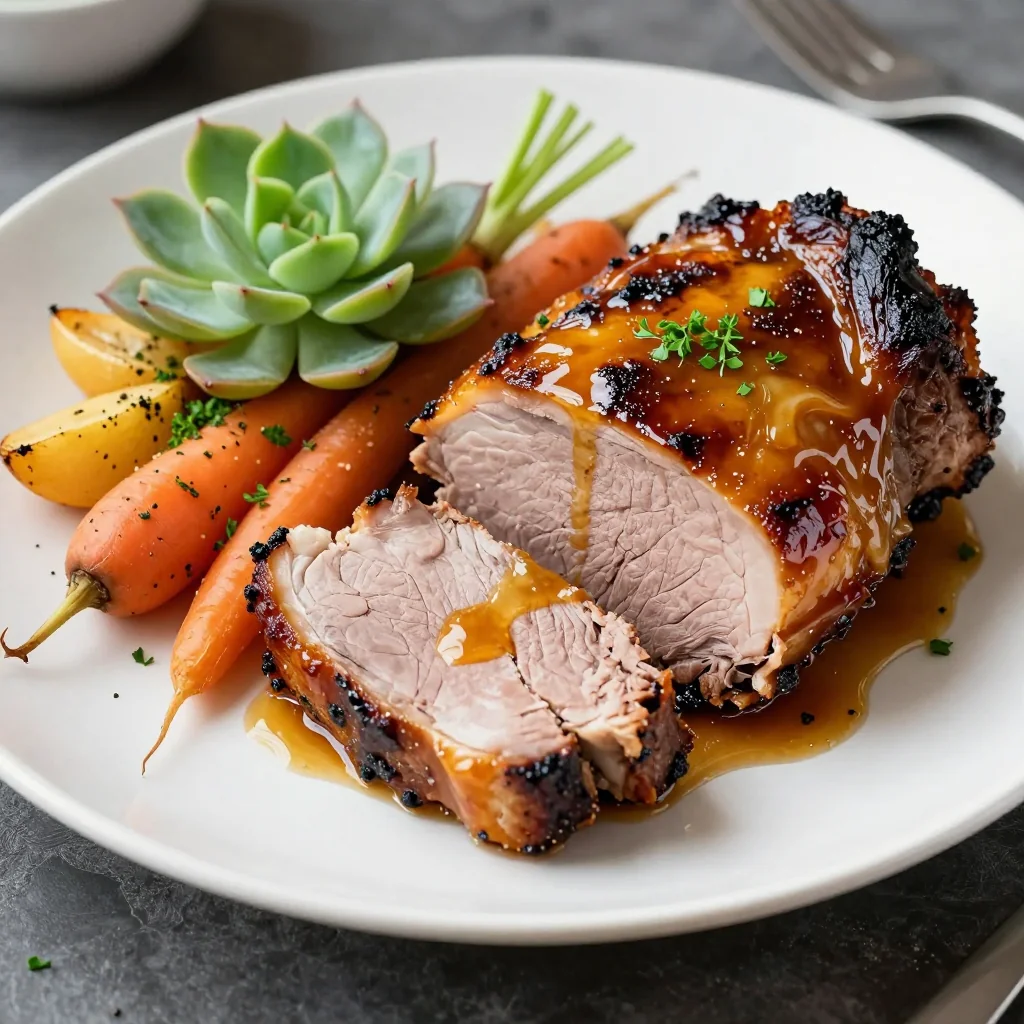
Slow-Roasted Pork Loin with Citrus Glaze & Root-Vegetable Feast
Ingredients
Instructions
- Dry-brine: Combine salt, paprika, pepper, and coriander; rub over pork. Refrigerate uncovered 8–24 hours.
- Prep vegetables: Toss potatoes, carrots, and parsnips with olive oil, 1 tsp salt, and pepper. Spread on parchment-lined sheet pan.
- Roast: Set pork fat-side up on vegetables. Insert probe thermometer. Roast at 275 °F until internal temp reaches 135 °F, about 2 hr 15 min.
- Make glaze: Simmer orange juice, honey, grapefruit zest, soy, ginger, and pepper flakes until reduced by one-third.
- Glaze & broil: Brush pork with glaze three times during final 45 minutes. Broil 1–2 minutes for caramelization. Rest 20 min.
- Finish vegetables: Broil vegetables 5 minutes while pork rests. Deglaze pan with orange juice, spoon juices over sliced pork, and serve.
Recipe Notes
Leftovers keep 4 days refrigerated or 3 months frozen. Reheat gently in a 250 °F oven with a splash of stock to restore moisture.