Love this? Pin it for later! 📌
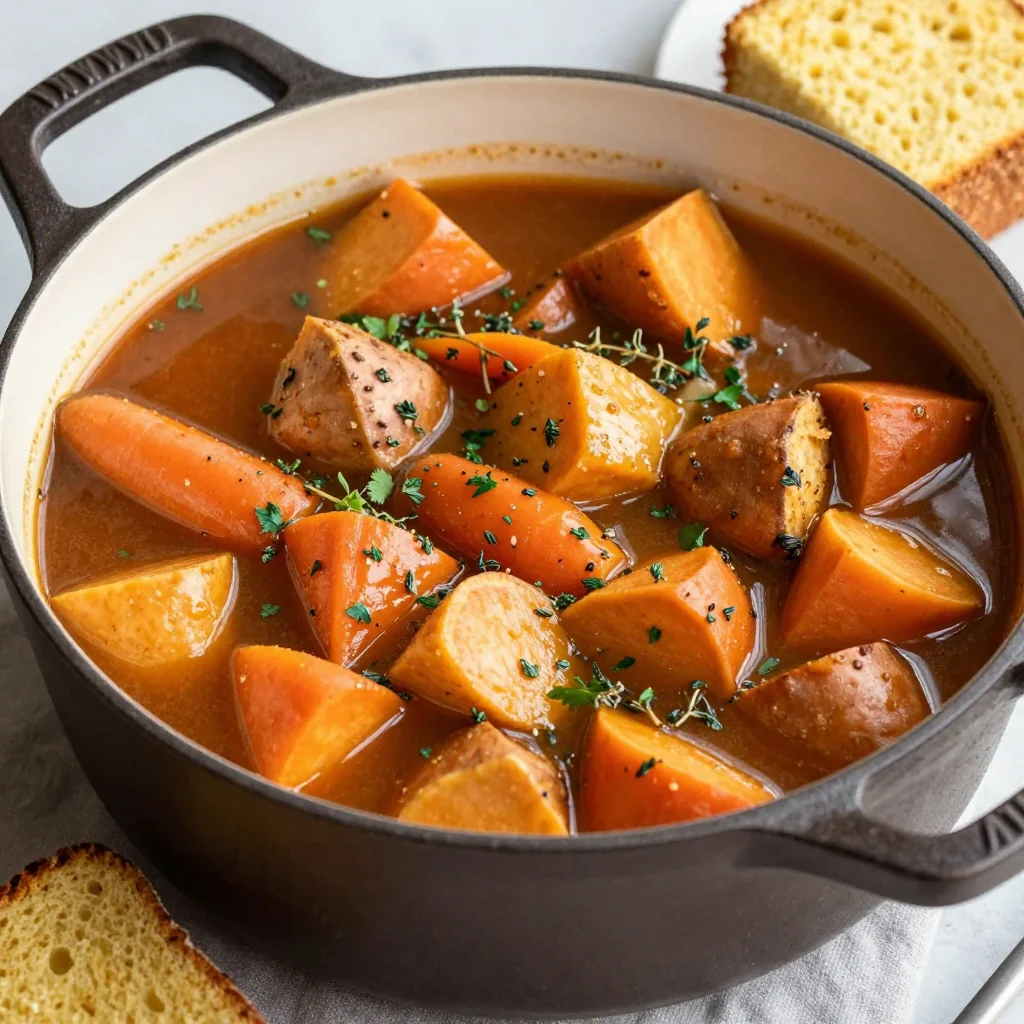
There’s something quietly powerful about a pot of root vegetables simmering on the stove while the January sky fades to charcoal outside the window. MLK Day lands at that hinge-moment of winter when the holiday sparkle is gone but spring still feels like a rumor; we’re hungry for warmth, for connection, for food that tastes like patience and perseverance. A few years ago I volunteered at our local community kitchen on Martin Luther King Jr. Day and, after a long morning of packing insulated totes for home-bound neighbors, the cook set a dented stock-pot of root-vegetable stew on the counter. The scent—sweet parsnips, earthy rutabaga, bright orange carrots, and resinous rosemary—wrapped around me like the quilt my grandmother used to drape across my shoulders during childhood snow days. I remember thinking: this is how we honor Dr. King’s legacy—by feeding one another with intention, by turning humble ingredients into something that can thaw even the coldest divides. Ever since, I simmer this same stew every third Monday in January. It’s meatless yet deeply satisfying, budget-friendly yet dinner-party worthy, and it makes the house smell like hope.
Why This Recipe Works
- Layered Flavor Base: A slow sauté of onions, fennel, and tomato paste creates natural sweetness and umami before the broth even hits the pot.
- Texture Contrast: Cubes of waxy Yukon Gold hold their shape while parsnips melt into silky ribbons, giving every spoonful variety.
- Smoked Paprika & Rosemary: The duo evokes the memory of a campfire without any actual smoking step—perfect for apartment cooks.
- Make-Ahead Magic: Flavors deepen overnight; reheat on the stovetop while you watch the MLK Day parade.
- One-Pot Nutrition: Fiber, beta-carotene, potassium, and plant protein in every ladle—no side dishes required.
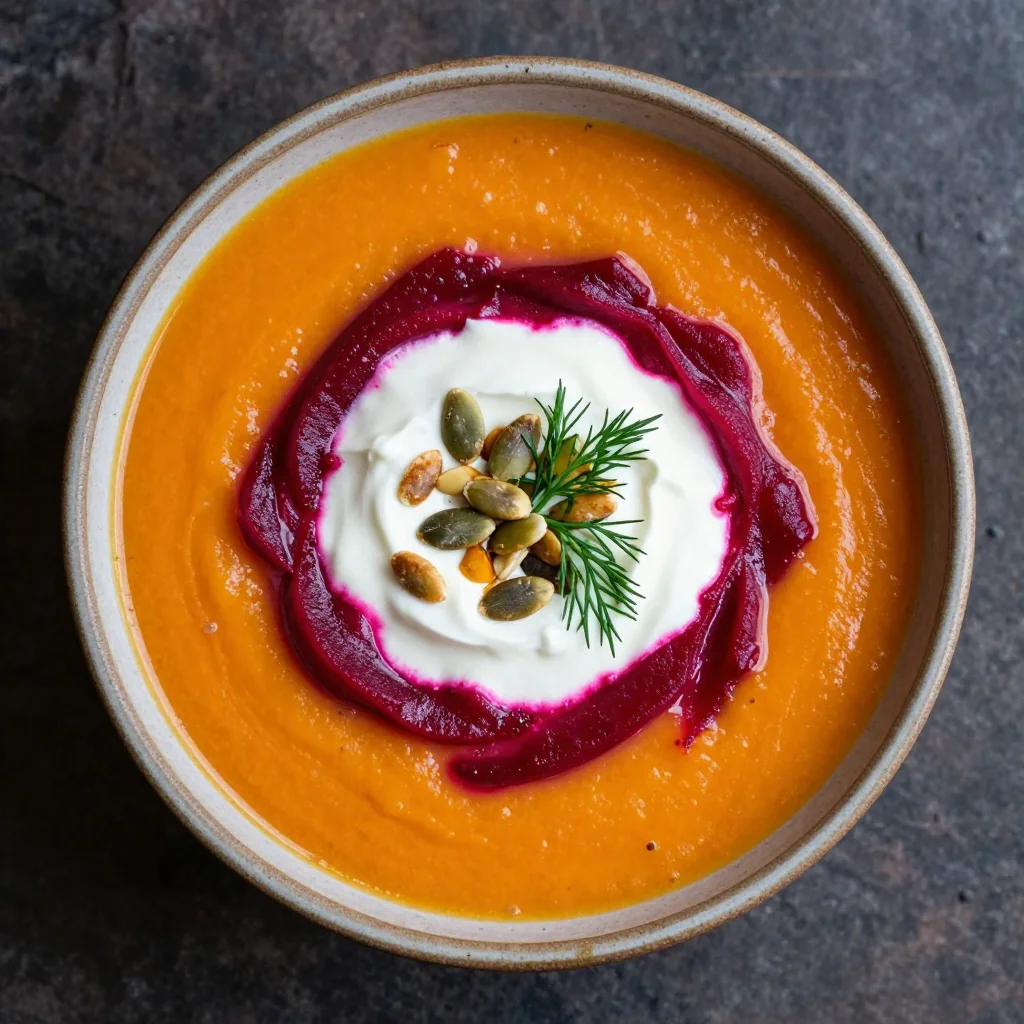
- Flexible Garnish Bar: Set out toasted pumpkin seeds, yogurt, and chili flakes so everyone customizes their bowl.
Ingredients You'll Need
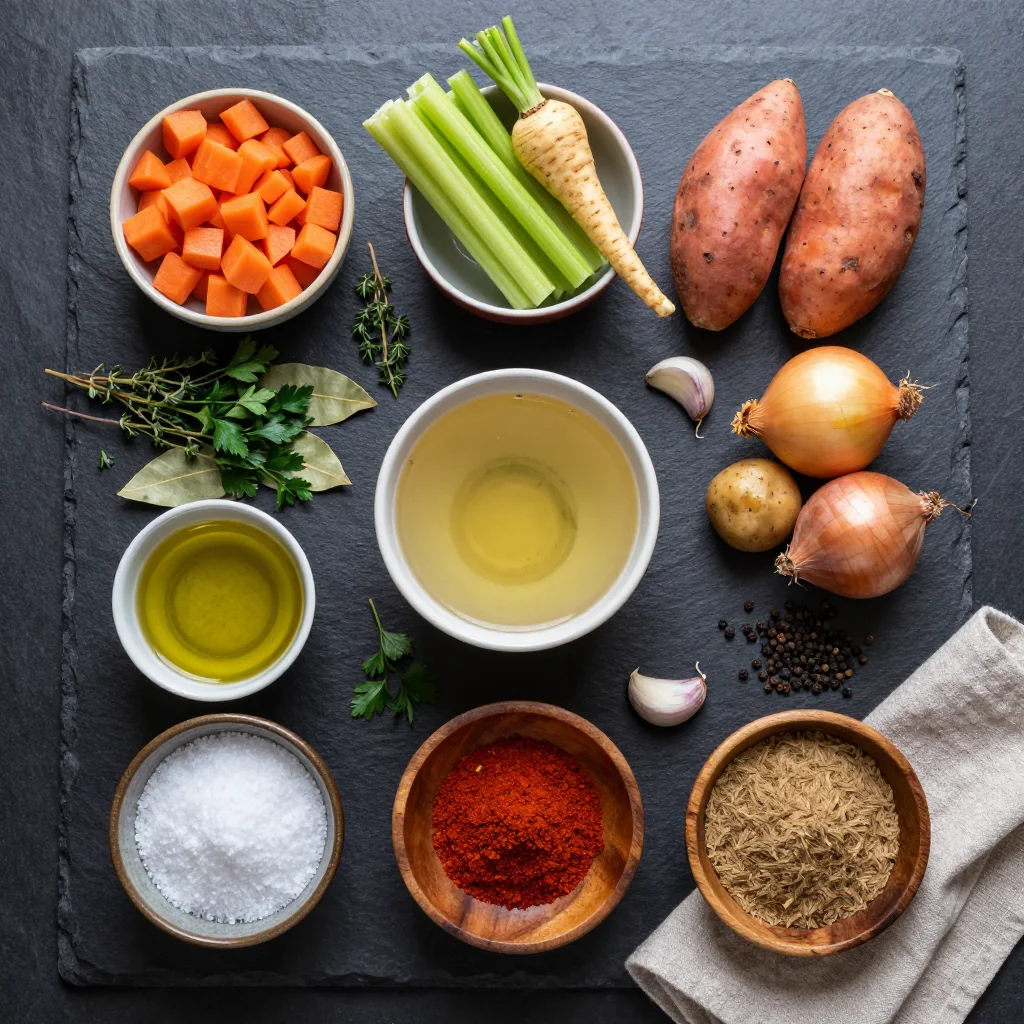
Choose vegetables that feel heavy for their size and show no wrinkles—winter is no time for flabby carrots. I like to buy a mix of jewel-toned produce so the final stew looks like stained glass in a bowl.
- Extra-Virgin Olive Oil – 3 Tbsp. A peppery, early-harvest oil adds grassy notes that balance the sweetness of roots. If you only have neutral oil, add 1 tsp of finishing oil at the end for perfume.
- Yellow Onion – 1 large, diced ¾-inch. Yellows turn silky; reds stay squeaky—save the latter for salsa.
- Fennel Bulb – 1 small, halved, cored, and sliced ¼-inch. Don’t discard the fronds; chop them for garnish.
- Tomato Paste – 2 Tbsp. Buy the tube kind so you can use exactly what you need and avoid the half-can conundrum.
- Garlic – 4 cloves, minced to a paste with ½ tsp kosher salt. The salt acts as grit to mash the garlic into a smooth purée.
- Smoked Paprika – 1½ tsp. Spanish pimentón dulce is ideal, but Hungarian sweet plus a pinch of chipotle works.
- Fresh Rosemary – 2 sprigs. Strip the leaves, then bruise them with the back of a knife to release piney oils.
- Vegetable Broth – 5 cups, low-sodium. If you’re DIY-inclined, simmer peelings from your carrots and parsnips with a kombu strip for 20 minutes—free broth, zero waste.
- Yukon Gold Potatoes – 1 lb, scrubbed, ¾-inch cubes. Their thin skin adds texture; leave it on.
- Parsnips – 3 medium, quartered lengthwise, woody core removed, then cut ½-inch thick. The core becomes fibrous in long cooking.
- Carrots – 4 medium, bias-cut ½-inch. Go rainbow if you can; purple carrots bleed the prettiest magenta into the broth.
- Rutabaga – ½ medium, peeled, ¾-inch cubes. Rutabaga adds a gentle peppery note; substitute turnip if you like more bite.
- Celeriac – 1 small, peeled with a knife (peelers can’t navigate the nooks), ½-inch cubes. Its celery flavor lightens the stew.
- Canned White Beans – 1 (15 oz) can, drained and rinsed. Creamy beans give body; chickpeas work but will be firmer.
- Chopped Kale – 2 packed cups, stems removed. Lacinato (dinosaur) kale wilts quickly; curly kale needs an extra 3 minutes.
- Lemon Zest & Juice – ½ lemon. Acid brightens the long-cooked sweetness.
- Maple Syrup – 1 tsp. Optional, but a whisper rounds out acidic tomatoes and bitter kale.
- Kosher Salt & Black Pepper – To taste. I start with 1 tsp salt and ½ tsp pepper, then adjust at the end.
How to Make Root Vegetable Stew for a Cozy MLK Day Dinner
Warm the Pot & Bloom the Oil
Place a heavy 5-quart Dutch oven over medium heat for 90 seconds—this prevents vegetables from sticking. Swirl in olive oil; when it shimmers and quickly coats the bottom, you’re ready to sauté. A hot start renders the onion’s moisture immediately, building fond (those caramelized brown bits) rather than steam.
Sauté Aromatics Until Edges Blush
Add onion and fennel with a pinch of salt. Cook 6 minutes, stirring every 60 seconds; you want translucent petals with the first flecks of gold. Reduce heat slightly if the bits threaten to burn—patience now prevents bitterness later.
Caramelize Tomato Paste
Clear a hot spot in the center; dollop tomato paste there. Let it sizzle undisturbed 90 seconds so the natural sugars darken, then fold it into the veg. The paste will turn from bright scarlet to brick red—this deep, cooked flavor lays a subtle smoky backbone without liquid smoke.
Add Garlic, Paprika & Rosemary
Clear another well; add garlic paste, smoked paprika, and minced rosemary. Stir 30 seconds until the pan smells like a campfire in an evergreen forest. This brief contact with fat blooms the spices and prevents paprika from turning acrid in the broth.
Deglaze with a Splash of Broth
Pour ½ cup broth into the pot; scrape vigorously with a wooden spoon to lift the fond. Those browned specks dissolve into liquid gold, giving the stew a restaurant-grade depth that vegetable stock alone can’t deliver.
Load in the Roots & Coat
Add potatoes, parsnips, carrots, rutabaga, and celeriac. Stir 2 minutes until every cube gleams with ruddy oil. Coating the vegetables now seals the exterior, so they stay fluffy inside yet won’t disintegrate during simmering.
Simmer Until a Skewer Glides
Pour in remaining broth; the vegetables should be just peeking above the surface. Bring to a gentle boil, reduce to low, cover, and simmer 18–20 minutes. Pierce a potato cube: if the skewer meets slight resistance and then glides, you’re ready for the greens.
Add Beans & Kale; Finish with Zest
Stir in beans and kale; simmer 3 minutes more until leaves wilt into deep emerald ribbons. Off heat, add lemon zest, juice, maple syrup, and final seasoning. Let the stew rest 5 minutes—starches will thicken the broth to a velvety sheen.
Expert Tips
Low & Slow Wins
A bare simmer (occasional bubble) keeps roots intact; a rolling boil turns them to mush. If your burner runs hot, slip a heat diffuser underneath.
Finish with Acid
Root vegetables are naturally sweet. A final squeeze of citrus or splash of cider vinegar lifts the whole profile from heavy to bright.
Prep the Night Before
Dice all vegetables and stash in zip bags with a paper towel to absorb moisture. Morning-of, dump and sauté—30-minute dinner, zero chaos.
Thicken Naturally
Smash a ladle of potatoes against the pot wall; their released starch thickens broth without flour, keeping the stew gluten-free.
Slow-Cooker Adaptation
Sauté aromatics on the stove, deglaze, then tumble everything except kale into a slow cooker. Cook LOW 6 hours; add kale 15 minutes before serving.
Gift a Jar
Ladle cooled stew into clean quart jars; tuck a rosemary sprig on top. Attach a tag: “Reheat with a splash of broth, share with someone hungry for hope.”
Variations to Try
- North-African Twist: Swap smoked paprika for 1 tsp each cumin & coriander, add a cinnamon stick, and finish with harissa drizzle and preserved-lemon chop.
- Coconut-Curry: Replace 1 cup broth with full-fat coconut milk; add 1 Tbsp red curry paste with the tomato paste; garnish with cilantro and lime.
- Bean Swap: Use chickpeas for nutty bite, or cannellini for extra creaminess; even lentils (½ cup dry) work—add them 15 minutes earlier so they cook through.
- Meat-Lovers Add-On: Brown 6 oz diced pancetta after the onions; drain excess fat, then continue recipe as written. Smoky, salty, indulgent.
Storage Tips
Cool the stew completely (hot food in the fridge = condensation = watery broth). Divide into shallow containers so it chills within 2 hours. Refrigerated, it keeps 4 days; flavors marry and the broth thickens—thin with water or broth when reheating.
For longer storage, freeze in pint jars or silicone muffin trays (perfect single-serve pucks). Once solid, pop out and store in zip bags; they stack like firewood and thaw in 5 minutes over low heat. Frozen stew is best within 3 months, though safe indefinitely.
Reheat gently: stove-top over medium-low, stirring often, or microwave at 70% power in 60-second bursts. Always finish with a squeeze of fresh citrus to wake up the flavors.
Frequently Asked Questions
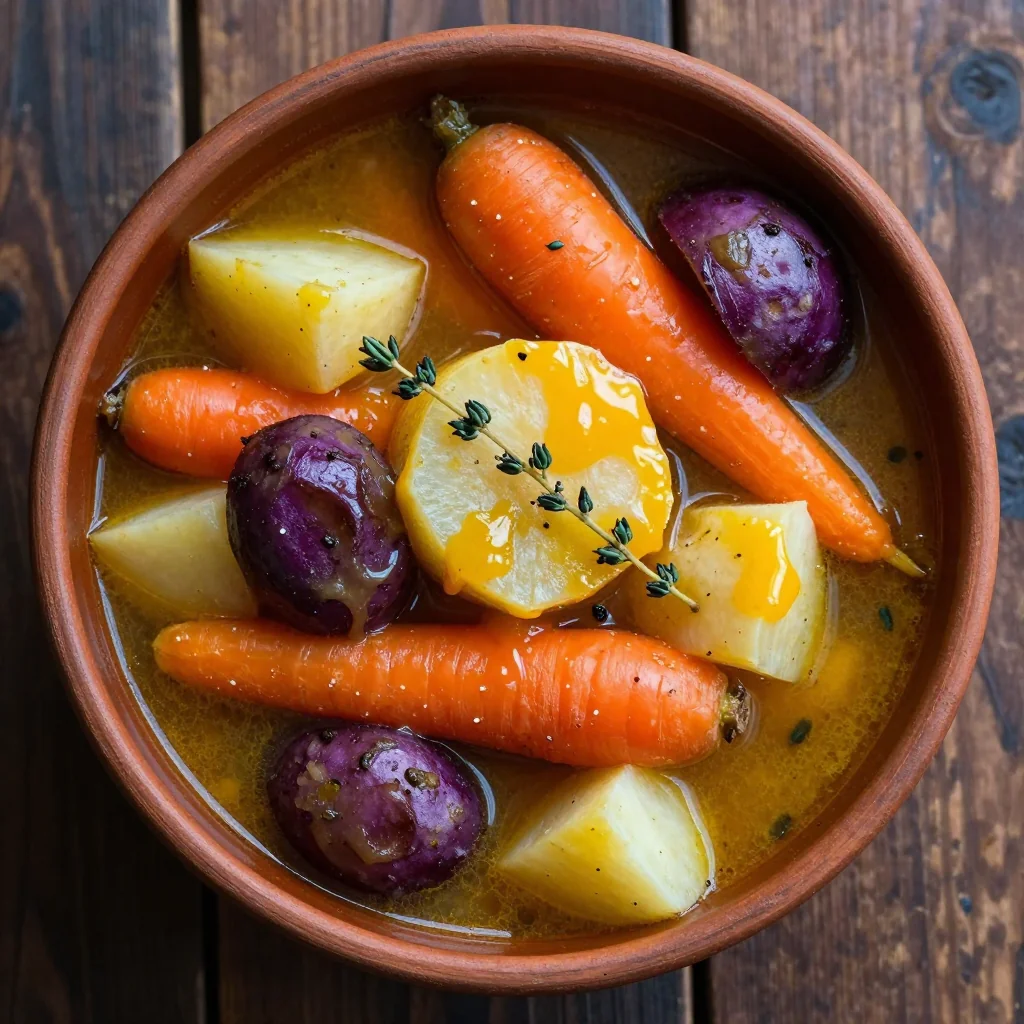
Root Vegetable Stew for a Cozy MLK Day Dinner
Ingredients
Instructions
- Heat pot: Warm Dutch oven 90 sec, add oil until shimmering.
- Sauté aromatics: Cook onion & fennel 6 min until translucent edges brown.
- Caramelize tomato paste: Add to center, cook 90 sec until brick red.
- Bloom spices: Stir in garlic, paprika, rosemary 30 sec.
- Deglaze: Splash ½ cup broth, scrape fond.
- Simmer vegetables: Add roots & remaining broth, simmer 18–20 min until tender.
- Finish: Stir in beans & kale 3 min, off heat add lemon, maple, salt, pepper. Rest 5 min and serve.
Recipe Notes
Stew thickens overnight; thin with water or broth when reheating. Freeze in single-serve pucks for up to 3 months.