The first time I tried to make coconut macaroons, I was chasing a sweet craving that had been gnawing at me since a late‑night snack raid. I had gathered my pantry staples, whisked a couple of egg whites, and tossed shredded coconut into a bowl, thinking I was following a recipe I’d seen on a food blog. The result was a hard, dry mess that sat on the counter like a brittle brick, and the only thing that survived the oven was a handful of crumbs. The kitchen smelled like burnt sugar and disappointment, and I was left with a lesson that would shape every batch I’d ever make.
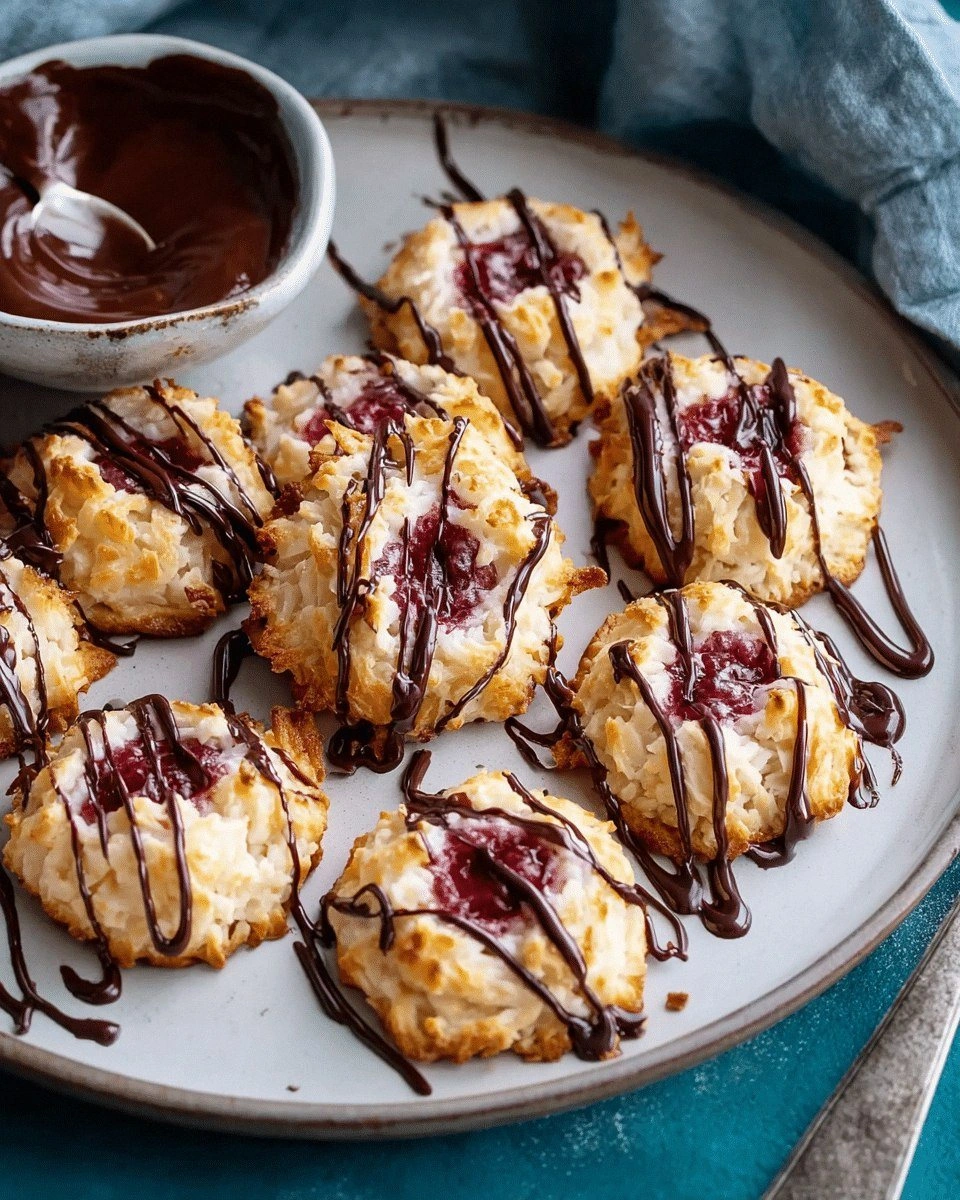
I was determined to turn that failure into a triumph, and I began experimenting with a handful of tweaks that seemed trivial at first but ended up being the difference between a mediocre treat and a showstopper. I added fresh raspberries, a splash of lemon zest, and a dash of vanilla to the coconut mixture, watching the batter transform from a dry paste into a glossy, fragrant batter that smelled like a tropical sunrise. The raspberries released a sweet, tart juice that seeped into the coconut, giving the macaroons a subtle burst of color and flavor that made each bite feel like a tiny, chewy explosion. The texture became light, airy, and slightly chewy, with a crisp edge that crackled when you bit into them, almost like biting into a piece of toasted coconut candy.
What set this version apart was the balance of sweetness and acidity, the use of fresh fruit rather than frozen or pureed, and a precise timing that allowed the macaroons to bake just until the edges were golden without drying out the center. I dared you to taste one and not go back for seconds—trust me, the first bite will leave you craving the next. I’ll be honest: I ate half the batch before anyone else could even reach for a cookie. The secret lies in the small details: the ratio of coconut to sugar, the exact temperature, and the way the raspberries are folded in.
Picture yourself pulling a tray of these golden, raspberry‑infused macaroons out of the oven, the kitchen filling with a sweet, citrusy aroma that makes the whole house feel like a bakery. The moment you lift the first one, the crust cracks with a satisfying snap, revealing a soft, chewy interior that melts in your mouth. This isn’t just a dessert; it’s an experience, a moment of pure joy that you’ll want to share with friends and family. Let me walk you through every single step—by the end, you’ll wonder how you ever made it any other way.
What Makes This Version Stand Out
- Flavor: The fresh raspberries and lemon zest give a bright, tangy contrast to the rich coconut sweetness.
- Texture: A perfectly airy interior with a crisp, caramelized edge that shatters like thin ice.
- Visual Appeal: The natural pink hue of raspberries creates a stunning color pop against the golden brown.
- Ingredient Quality: Using high‑grade coconut sugar and fresh fruit elevates the taste beyond pantry staples.
- Make‑Ahead: These macaroons keep their freshness for up to a week, making them ideal for parties.
- Time Efficiency: Prep takes only 15 minutes; the baking time is a quick 30 minutes, so you’re not stuck in the kitchen all day.
Inside the Ingredient List
The Flavor Base
Shredded coconut is the backbone of these macaroons, providing a chewy texture and a natural sweetness that pairs beautifully with the raspberry. Fresh raspberries add a burst of tartness that cuts through the coconut’s richness, creating a balanced flavor profile. Lemon zest gives a subtle citrus lift, preventing the dessert from feeling too heavy. If you’re craving a different fruit, try swapping raspberries for fresh blueberries or blackberries for a slightly deeper berry note.
The Sweetener
Coconut sugar is the sweetener of choice because it has a lower glycemic index and a caramel-like flavor that complements the coconut. It also helps to bind the batter together, giving the macaroons structure without the need for flour. If you can’t find coconut sugar, a 1:1 substitution of brown sugar works, but the flavor will shift toward molasses. The amount of sweetener can be adjusted to taste; a pinch less will give a more pronounced raspberry bite.
The Binding Agent
Egg whites are essential for the macaroons’ airy structure. They create tiny air pockets that expand during baking, giving the cookies a light, almost cloud‑like interior. Be sure to whisk the whites until they form stiff peaks; this ensures maximum volume and stability. If you’re vegan, you can use aquafaba—just 3 tablespoons per egg white—to achieve a similar effect.
The Final Flourish
Vanilla extract adds depth and warmth, tying all the flavors together. A teaspoon is enough to enhance the coconut and raspberry without overpowering them. A pinch of sea salt balances the sweetness, making every bite more complex. If you prefer a stronger vanilla flavor, double the amount and watch the aroma transform the kitchen into a fragrant haven.
Everything’s prepped? Good. Let’s get into the real action.
The Method — Step by Step
- Preheat your oven to 350°F (175°C) and line a rimmed baking sheet with parchment paper. This ensures even baking and easy cleanup. As the oven heats, the air inside will help the macaroons rise uniformly. Keep a close eye on the temperature; an overheated oven can burn the edges before the centers set.
- In a large mixing bowl, combine the shredded coconut and coconut sugar. Stir until the mixture is evenly coated; this prevents clumps that could cause uneven browning. The coconut should be dry, so if it feels damp, add a little more coconut sugar. This step is crucial for achieving that perfect golden crust.
- Whisk the egg whites in a separate bowl until they reach stiff peaks. The whites should hold their shape when you lift the whisk, indicating they’re ready to incorporate. Fold the whites into the coconut mixture gently, using a spatula to preserve the air bubbles. This will give the macaroons their signature airy interior.
- Add vanilla extract, lemon zest, and a pinch of sea salt to the batter. Stir until the mixture is uniform. These ingredients provide depth and balance, preventing the sweetness from becoming cloying. The lemon zest should be finely grated to release maximum aroma.
- Fold in the fresh raspberries, being careful not to crush them. The berries should be gently incorporated to retain their juice, which will seep into the coconut during baking. If you prefer a smoother texture, you can puree half the berries and fold them in; the remaining whole berries will add a burst of flavor.
- Using a tablespoon, scoop the batter onto the prepared baking sheet, spacing the cookies about 2 inches apart. The batter should be slightly flattened to ensure even baking. A watch out: if you leave the cookies too close together, they’ll merge into a single lump, ruining the individual shapes.
- Place the tray in the preheated oven and bake for 25–30 minutes. The edges should turn a golden brown, and a faint toasty scent should fill the kitchen. To check doneness, tap the top; it should sound hollow. Avoid opening the oven door too early, as the temperature drop can cause the macaroons to deflate.
- Remove the tray from the oven and let the macaroons cool on the sheet for 5 minutes before transferring them to a wire rack. This allows the edges to set fully and prevents sticking. The first few minutes of cooling are critical for the texture; rushing this step can leave the center gummy.
- Once completely cooled, you can garnish each macaron with a fresh raspberry or a dusting of powdered sugar if desired. The garnish adds a visual flourish and a hint of extra flavor. Store any leftovers in an airtight container to keep them fresh.
That’s it—you did it. But hold on, I’ve got a few more tricks that will take this to another level.
Insider Tricks for Flawless Results
The Temperature Rule Nobody Follows
Many bakers bake at 375°F, thinking higher heat equals faster cooking. However, 350°F allows the macaroons to rise evenly and develop a crisp edge without burning. The lower temperature also helps the raspberry juice to infuse the coconut more gently, preventing the berries from wilting. If you’re using a convection oven, reduce the temperature by 25°F to avoid over‑browning.
Why Your Nose Knows Best
The aroma of toasted coconut is a reliable indicator of doneness. When the smell hits a sweet, nutty fragrance, the cookies are ready to go. If you’re still uncertain, gently press the top; a slight give means they’re set, while a hard center indicates more time is needed. Trusting your nose saves you from over‑baking.
The 5-Minute Rest That Changes Everything
After removing the tray from the oven, let the cookies rest on the sheet for exactly five minutes. During this period, the heat continues to rise slightly, ensuring the edges are crisp and the center is perfectly set. Skipping this step often results in a chewy, under‑cooked center. The rest also makes them easier to transfer to a wire rack without breaking.
The Secret of the Perfect Crust
A light dusting of coconut sugar on the parchment before baking creates a slightly caramelized crust. The sugar melts and browns, giving a subtle crunch that contrasts with the chewy interior. This trick also prevents the macaroons from sticking to the paper. For an extra touch, sprinkle a pinch of sea salt on top before baking; the salt crystals pop when you bite in.
The Quick Chill Trick
If you’re in a hurry, place the cooled macaroons in the refrigerator for 10 minutes before serving. The chill firmed the texture, making each bite more satisfying. This is especially useful when serving at a gathering where you want the cookies to stay firm until the last moment. Just be sure to let them sit at room temperature for a few minutes before eating.
The Sweetest Surprise
For an unexpected twist, swirl a thin ribbon of dark chocolate over the top of each macaron after baking. The chocolate adds a rich, bittersweet layer that complements the coconut and raspberry. Melt the chocolate gently to avoid seizing. This final touch turns a simple cookie into a dessert that feels indulgent and sophisticated.
Creative Twists and Variations
This recipe is a playground. Here are some of my favorite ways to switch things up:
Tropical Twist
Replace the raspberries with diced fresh mango and add a splash of coconut milk to the batter. The mango’s natural sweetness pairs beautifully with the coconut, creating a dessert that feels like a beach vacation. The coconut milk also adds a silky texture that softens the crunch. This version is perfect for summer gatherings.
Chocolate‑Infused Delight
Swirl a drizzle of dark chocolate into the batter before baking. The chocolate melts into the coconut, creating pockets of rich flavor that contrast with the sweet, fruity base. After baking, dust the tops with powdered sugar for a classic look. This variation is a hit with chocolate lovers.
Nutty Variation
Add chopped toasted almonds or hazelnuts to the batter for an extra crunch. The nuts add a savory depth that balances the sweetness. Be sure to toast the nuts until golden for maximum flavor. This version works well for a holiday gift basket.
Low‑Sugar Option
Swap coconut sugar for a sugar substitute like monk fruit or erythritol. Use the same quantity but adjust the baking time slightly, as the sugar substitute may not brown as much. The cookies will still be airy and flavorful, but with fewer calories. This is ideal for a diet‑conscious crowd.
Vegan Version
Replace egg whites with aquafaba, the liquid from a can of chickpeas. Use 3 tablespoons per egg white and whip until stiff peaks form. The aquafaba provides the same structure and lightness as egg whites. This vegan version maintains the same taste and texture.
Spiced Edition
Add a pinch of cinnamon or nutmeg to the batter for a warm, aromatic twist. The spices complement the coconut’s natural sweetness and the raspberries’ tartness. Use sparingly; too much spice can overpower the delicate flavors. This version is great for a cozy fall dessert.
Storing and Bringing It Back to Life
Fridge Storage
Store the cooled macaroons in an airtight container at room temperature for up to a week. The airtight seal prevents moisture from making them soggy. If you notice the cookies becoming too soft, add a slice of bread to the container; the bread will absorb excess moisture. Keep them away from direct sunlight to maintain their color.
Freezer Friendly
For longer storage, place the macaroons in a freezer‑safe container or zip‑top bag. Freeze for up to three months. When you’re ready to enjoy, let them thaw at room temperature for 30 minutes. The cookies will retain their texture, but a quick reheat can revive the crispness.
Best Reheating Method
To reheat frozen or stale macaroons, preheat your oven to 300°F (150°C). Place the cookies on a parchment‑lined tray and heat for 5–7 minutes. The low temperature warms them without burning the edges. Add a tiny splash of water to the tray before reheating; the steam helps to restore moisture and softness.