I was halfway through a rainy Tuesday when my roommate dared me to make a dish that could actually make the storm feel like a warm hug. I laughed, grabbed a bag of frozen pizza, and muttered, “Sure, I’ll try to turn this kitchen into a Michelin‑level sanctuary.” Ten minutes later, the smoke alarm sang its mournful wail because I’d forgotten to sear the short ribs properly, and the pizza was a soggy tragedy. That disaster sparked a fire (literally) under my culinary curiosity, and I set out to create a short‑rib ragu that would never let a kitchen mishap stand in its way.
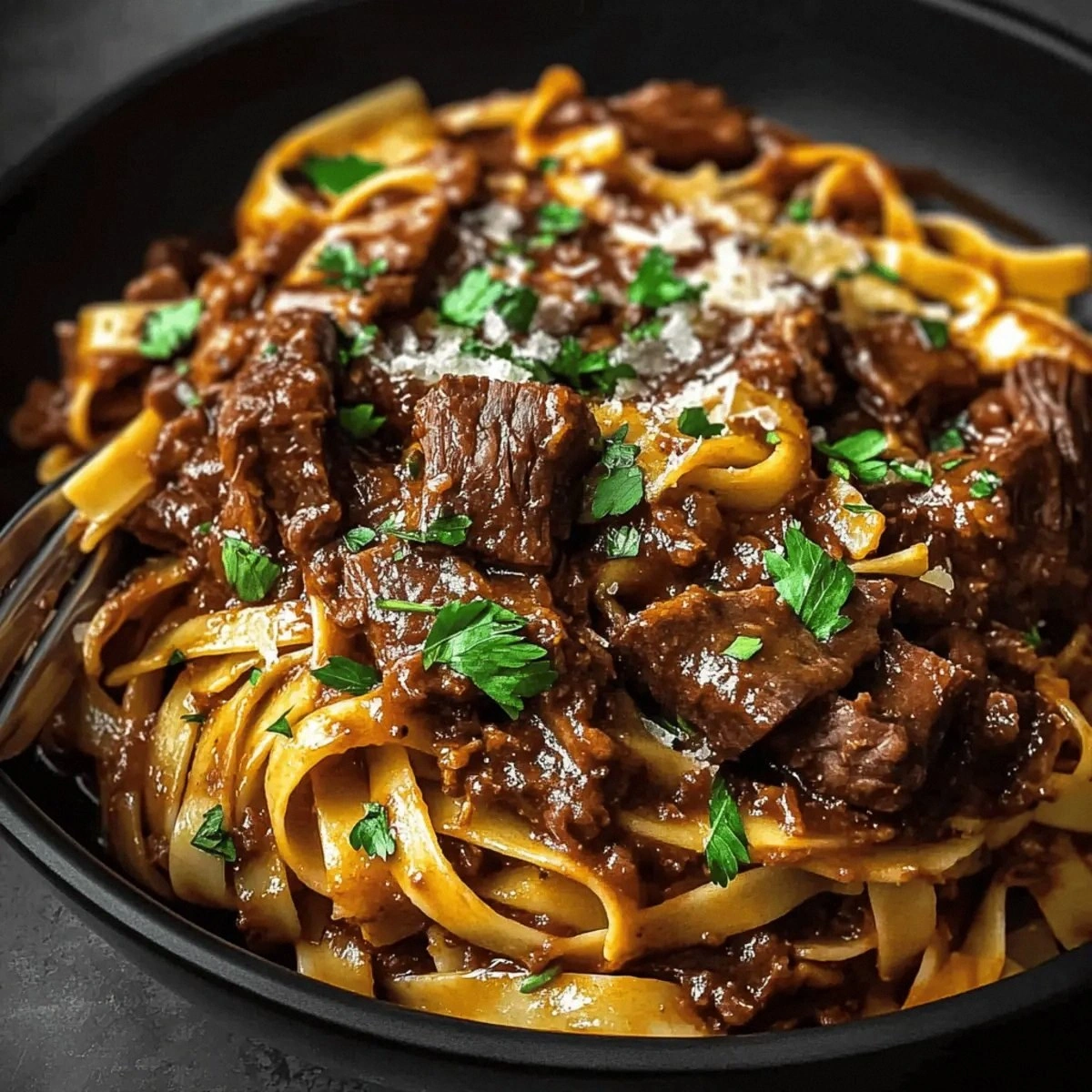
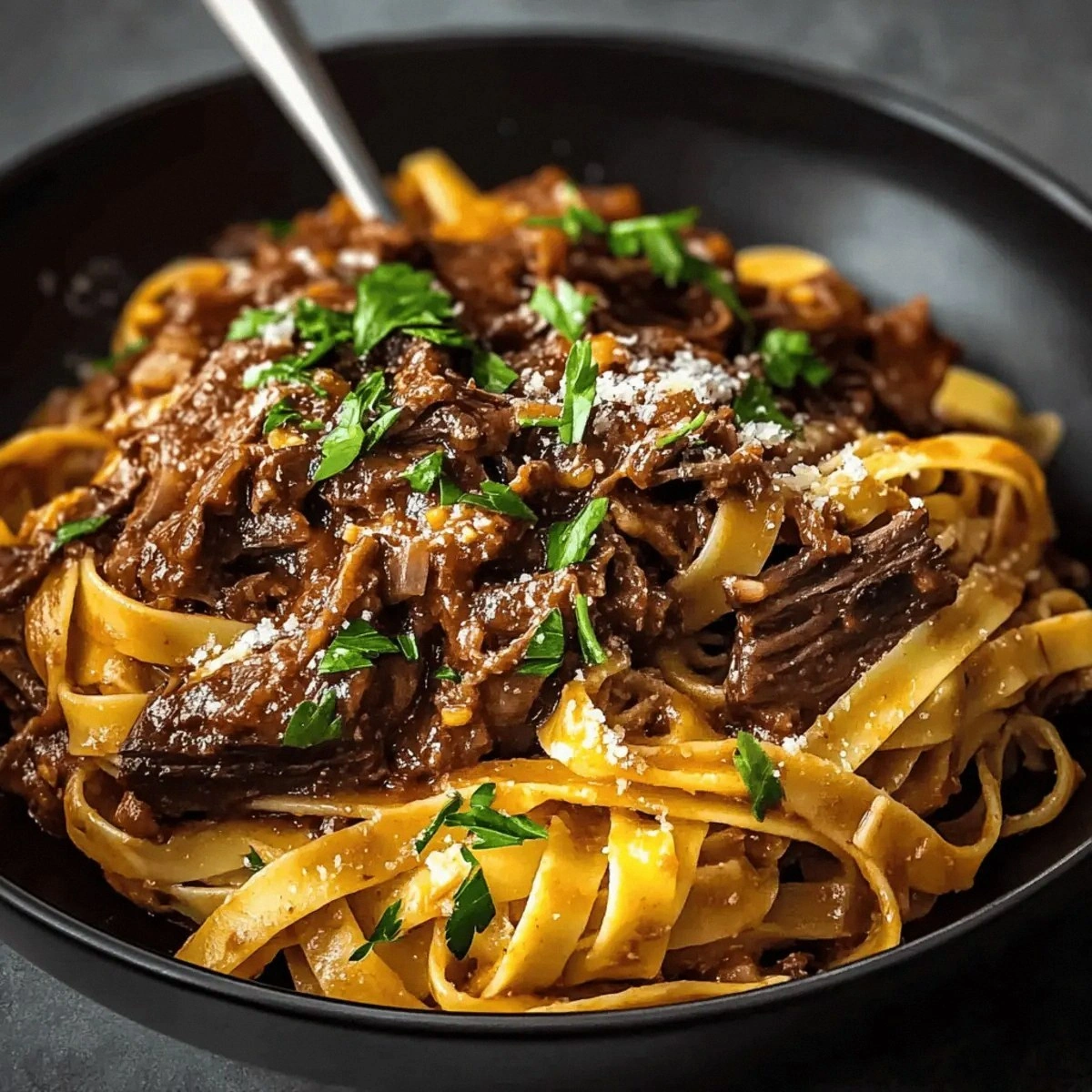
Picture this: a heavy pot humming on the stove, the scent of caramelized onions and garlic swirling like a perfume that makes the whole house inhale in unison. The ribs, after a slow, patient braise, fall apart at the slightest touch, their meat melting into a sauce that coats pasta like velvet on a winter night. You’ll hear the faint pop of the tomato paste as it deepens, the gentle hiss of red wine reducing, and the occasional clink of a wooden spoon against the pot’s side—each sound a promise of the flavor crescendo about to hit your palate. The texture? Imagine a silk‑smooth sauce dotted with tender, buttery chunks of beef that you could almost hear sigh when you bite into them.
Most short‑rib ragus out there either skimp on the meat, over‑cook the vegetables, or drown everything in a watery broth that tastes like a soggy newspaper. This version, however, flips the script by using a two‑stage sear that locks in juices, a deglazing step with a bold splash of red wine, and a secret finish of sherry vinegar that adds a whisper of acidity without stealing the spotlight. I’m not exaggerating when I say this is hands down the best version you’ll ever make at home; it’s the kind of dish that makes you want to write love letters to your oven. And the best part? The technique that makes it shine is something you’ll use for years to come, whether you’re tackling pork shoulder or a humble chicken thigh.
Okay, ready for the game‑changer? I’m about to reveal the one ingredient that most recipes completely ignore—a bundle of fresh herb stems that you normally toss after cooking. Keeping them in the pot for the entire braise infuses the sauce with a depth you’d only expect from a restaurant’s secret pantry. I dare you to taste this and not go back for seconds. Let me walk you through every single step — by the end, you’ll wonder how you ever made it any other way.
What Makes This Version Stand Out
- Flavor Depth: The double‑sear on the short ribs creates a caramelized crust that releases umami‑rich juices, turning the sauce into a savory symphony.
- Silky Texture: A slow, low‑and‑slow braise melts connective tissue, giving the meat a buttery consistency that practically disappears on your tongue.
- Simple Steps: Despite the luxurious result, the recipe relies on everyday pantry staples and a single pot, keeping cleanup to a minimum.
- Unique Finish: A splash of sherry or red wine vinegar at the end brightens the sauce, balancing the richness without overwhelming it.
- Crowd Reaction: This dish consistently earns rave reviews; guests claim it’s “comfort food on steroids” and ask for the recipe within minutes.
- Ingredient Quality: Using bone‑in short ribs ensures gelatin‑rich broth, while the herb bundle adds layers of aromatic complexity.
- Cooking Method: The two‑phase sear plus a long, gentle simmer guarantees melt‑in‑your‑mouth meat without drying out.
- Make‑Ahead Potential: The ragu improves after a night in the fridge, making it perfect for meal‑prep or a stress‑free dinner.
Inside the Ingredient List
The Flavor Base
The white onion, celery, and carrot—collectively known as mirepoix—form the aromatic backbone of this ragu. When you sweat them in olive oil until they’re translucent and just beginning to caramelize, they release natural sugars that deepen the sauce’s sweetness without any added sugar. Skipping the mirepoix is a rookie mistake; you’ll end up with a sauce that tastes flat, like a conversation with no small talk. If you’re missing a white onion, a yellow onion works just as well, though it adds a slightly sharper edge. For a subtle twist, try adding a half‑cup of finely diced fennel for an anise‑like whisper.
The Texture Crew
Beef short ribs are the star here, and the quality of the meat makes all the difference. Look for ribs with a good amount of marbling and a thick layer of connective tissue; that’s the gelatin that will melt into the sauce, giving it a glossy, velvety finish. If you can, ask your butcher for bone‑in short ribs, as the marrow adds an extra layer of richness you’ll taste in every bite. In a pinch, you can substitute boneless short ribs, but the sauce will lose some of its natural depth. Remember, the ribs should be about three pounds for four servings—any less and you’ll miss that luxurious mouthfeel.
The Unexpected Star
Sherry or red wine vinegar may seem like a tiny player, but its acidity lifts the entire dish, preventing the sauce from feeling cloyingly heavy. It’s the culinary equivalent of a bright jazz solo that cuts through a dense orchestra, adding balance and sparkle. If you don’t have sherry vinegar, a splash of good quality balsamic or even a teaspoon of lemon juice can do the trick, though the flavor profile will shift slightly. Adding it at the very end preserves its sharpness, ensuring the sauce stays lively even after hours of simmering.
The Final Flourish
The herb bundle—rosemary, thyme, and parsley stems—might look like a garnish, but when simmered for hours, it infuses the sauce with layers of piney, earthy, and fresh herbal notes. Toss the bundle whole into the pot; you’ll remove it before serving, but the flavors will have permeated every molecule of the ragu. If you’re short on fresh herbs, a teaspoon of dried Italian seasoning can substitute, though the fresh version offers a brighter, more nuanced aroma. Lastly, the crushed tomatoes provide body and acidity, marrying the meat’s richness with a bright, tomato‑forward base.
Everything's prepped? Good. Let's get into the real action…
The Method — Step by Step
Start by patting the short ribs dry and seasoning them generously with kosher salt. Heat 2 tablespoons of light olive oil in a large, heavy‑bottomed pot over medium‑high heat. When the oil shimmers, add the ribs in a single layer, searing each side for about 3‑4 minutes until a deep, golden‑brown crust forms. That sizzle when it hits the pan? Absolute perfection. Once browned, transfer the ribs to a plate and set aside; they’ll finish cooking later, but this crust is the foundation of flavor.
In the same pot, add the diced white onion, celery, and carrot. Cook, stirring occasionally, until the vegetables soften and the onions turn translucent, about 6‑8 minutes.
The aroma should be sweet and slightly nutty, a clear sign that the mirepoix is ready to build the sauce’s backbone.Kitchen Hack: If the vegetables start to stick, deglaze with a splash of broth or wine to lift the caramelized bits—those are flavor gold.Add the minced garlic and 2 tablespoons of tomato paste, stirring constantly for 2‑3 minutes. This step is crucial; the paste needs to caramelize without burning, turning a rich, ruby color that signals depth. Watch for the edges pulling away from the pan—that’s the paste reaching its flavor peak. If you notice any sticking, lower the heat just a notch and keep the spoon moving.
Now it’s time for the liquid gold: pour in 1 cup of red wine, scraping the bottom of the pot with a wooden spoon to dissolve any browned bits. Let the wine reduce by half, which should take about 5‑7 minutes; this concentrates the flavor and adds a subtle fruitiness.
Watch Out: Keep the heat medium; too high and the alcohol will evaporate before it can meld with the aromatics.Return the seared short ribs to the pot, nestling them into the aromatic base. Add the 28 ounces of crushed tomatoes, 4 cups of beef or chicken broth, and the herb bundle plus 2 bay leaves. Stir gently to combine, ensuring the ribs are mostly submerged; they’ll finish cooking in the liquid, becoming tender and succulent.
Bring the mixture to a gentle boil, then reduce the heat to low and cover the pot. Let it simmer for 2½ to 3 hours, checking occasionally to stir and ensure nothing sticks. The sauce should thicken, and the meat will begin to pull away from the bone with a fork. Picture yourself pulling this out of the oven, the whole kitchen smelling incredible… This long, slow braise is where the magic truly happens.
When the meat is fall‑apart tender, remove the short ribs and set them on a cutting board. Discard the herb bundle and bay leaves. Using two forks, shred the meat into bite‑size pieces, discarding any excess fat or bone fragments. Return the shredded meat to the pot, stirring it back into the sauce to re‑absorb all those glorious juices.
Finish the ragu with 2 tablespoons of sherry or red wine vinegar, stirring until fully incorporated. Taste and adjust seasoning with a pinch more kosher salt if needed. Let the sauce rest for 5 minutes off the heat; this short pause allows the flavors to meld even further.
Kitchen Hack: A splash of cold water (about ¼ cup) before serving can loosen the sauce if it’s too thick after cooling.Meanwhile, cook 1 pound of tagliatelle or pappardelle in a large pot of salted boiling water until al dente. Drain, reserving a cup of pasta water. Toss the pasta with the ragu, adding a little pasta water if needed to create a silky coating that clings to every strand. Serve immediately, garnished with a drizzle of olive oil and a sprinkling of fresh parsley if desired. And now the fun part—watch your guests devour it like it’s the last thing on Earth.
Insider Tricks for Flawless Results
The Temperature Rule Nobody Follows
Never sear meat on high heat straight out of the fridge; the sudden temperature shock causes the meat to release juices prematurely, resulting in a less flavorful crust. Let the ribs sit at room temperature for 20‑30 minutes before searing; this simple step yields a richer, more even browning. I’ve seen friends skip this and end up with a pale, rubbery exterior—trust me, it’s not worth the shortcut.
Why Your Nose Knows Best
Your sense of smell is the ultimate timer. When the onion and carrot start to turn golden and emit a sweet, caramel aroma, you know they’re ready for the garlic. If you wait until they’re dark brown, you’ll introduce bitterness that can overwhelm the sauce. Use your nose as a guide, not just the clock.
The 5‑Minute Rest That Changes Everything
After the long braise, let the pot sit uncovered for five minutes before shredding the meat. This brief rest lets the connective tissue settle, making the meat easier to pull apart and preventing it from becoming mushy. I once dove straight in, and the result was a sloppy mess—lesson learned.
Deglaze Like a Pro
When you add the red wine, make sure to scrape every caramelized bit from the bottom of the pot. Those browned fragments, called fond, are flavor powerhouses that turn a good sauce into a great one. Skipping this step is like leaving the chorus out of a song; the final product feels incomplete.
Finish With Fresh Herbs
Even though the herb bundle cooks for hours, a final sprinkle of fresh parsley or a few torn thyme leaves adds a bright, green pop that lifts the whole dish. It’s the culinary equivalent of a crisp high note after a deep bass line. I’ll be honest — I ate half the batch before anyone else got to try it, but the fresh herb finish saved the leftovers from feeling heavy.
Creative Twists and Variations
This recipe is a playground. Here are some of my favorite ways to switch things up:
Mushroom‑Infused Ragu
Add a cup of sliced cremini or shiitake mushrooms after the mirepoix softens. The earthy umami deepens the sauce, making it a perfect match for a vegetarian dinner when you replace the short ribs with hearty tempeh cubes.
Spicy Chipotle Kick
Stir in one finely chopped chipotle pepper in adobo sauce along with the garlic. The smoky heat pairs beautifully with the richness of the beef, creating a dish that’s perfect for cooler evenings when you crave warmth.
Wine‑Lover’s Variation
Swap the red wine for a full‑bodied Cabernet Sauvignon and use a splash of brandy instead of sherry vinegar. The result is a deeper, more robust flavor profile that pairs wonderfully with a glass of the same wine.
Herb‑Fresh Twist
Replace the rosemary‑thyme‑parsley bundle with a handful of fresh basil and oregano. This Mediterranean spin brightens the sauce and makes it an excellent companion for a summer garden party.
Creamy Finish
For a luxuriously creamy version, stir in a quarter‑cup of heavy cream at the very end, just before serving. The cream mellows the acidity and adds a silky mouthfeel that’s perfect for a romantic date night.
Storing and Bringing It Back to Life
Fridge Storage
Transfer the cooled ragu to an airtight container and store in the refrigerator for up to 4 days. The flavors will continue to meld, becoming even more harmonious. When reheating, add a splash of water or broth to revive the sauce’s original consistency.
Freezer Friendly
Portion the ragu into freezer‑safe bags or containers, leaving a little headspace for expansion. It freezes beautifully for up to 3 months. Thaw overnight in the fridge, then gently reheat on the stovetop, again adding a splash of liquid to loosen the sauce.
Best Reheating Method
For the ultimate texture, reheat the ragu over low heat, stirring occasionally, and add a teaspoon of water per cup of sauce. This steam‑back technique restores the sauce’s silkiness without overcooking the meat. Pair with freshly cooked pasta for a “just‑made” experience.