I was halfway through a marathon of take‑out orders, staring at the empty fridge like a detective at a crime scene. The only thing that could salvage the evening was a dish that felt both rebellious and comforting, a pasta that could be tossed in a pan and still taste like a gourmet kitchen. I pulled out the pantry, grabbed a lemon, a handful of Parmesan, and a bag of pasta that had been sitting in the back of the cupboard for weeks. That moment, that single decision to turn a mundane dinner into a culinary experiment, sparked the creation of the Lemony Parmesan Spring Pasta S.
Picture this: the air filled with the bright citrus scent of lemon zest mingling with the nutty aroma of freshly grated Parmesan. The pasta clinks against the skillet, the garlic sizzles, and a splash of olive oil turns everything into a glossy, silky coat that clings to every strand like a second skin. The sound of the sauce bubbling is a gentle promise that the dish is about to transform from ordinary to extraordinary. I could almost hear the sigh of relief as the last bite melts on the tongue, leaving a lingering citrus finish that feels like a breath of spring.
What sets this version apart is not just the combination of flavors, but the way each component is elevated to its best. The pasta is cooked to al dente perfection, giving it a bite that holds up against the bold lemon sauce. The Parmesan isn’t just grated; it’s freshly shaved from a block, ensuring that the cheese’s peppery notes shine through. The lemon zest is grated directly into the sauce, releasing its essential oils, while the juice provides a sharp, bright contrast that cuts through the richness. The result is a dish that feels light yet satisfying, a perfect balance that most recipes miss.
And here’s a little secret: a splash of heavy cream tucked into the sauce creates a velvety texture that makes the dish feel indulgent without overpowering the citrus. It’s a trick I discovered after a failed attempt at a plain lemon pasta that left me with a dry, unbalanced sauce. The cream tames the acidity, adds depth, and gives the sauce a luxurious mouthfeel that makes every bite feel like a reward. If you’re skeptical, I dare you to taste this and not go back for seconds.
What Makes This Version Stand Out
- Taste: The bright citrus of lemon pairs with the savory depth of Parmesan, creating a flavor profile that feels fresh yet indulgent. The sauce coats the pasta like velvet, leaving a lingering zest that wakes up the palate.
- Texture: The al dente pasta provides a satisfying bite, while the creamy sauce offers a silky finish that doesn’t weigh you down. The toasted breadcrumbs add a delightful crunch that breaks up the richness.
- Simplicity: With fewer than a dozen ingredients, this dish can be whipped up in under 45 minutes. It’s a one-pan wonder that saves both time and cleanup.
- Uniqueness: The unexpected splash of heavy cream in a lemon pasta is a game‑changer. It elevates the sauce to a level that feels both comforting and sophisticated.
- Crowd Reaction: Friends who have tried the classic lemon pasta say this version is “hands down the best” because the flavors are balanced and the texture is flawless.
- Ingredient Quality: Using fresh lemons, high‑grade Parmesan, and a good olive oil makes the difference between a good dish and a great one. The quality of each component shines through.
- Cooking Method: The skillet technique allows the flavors to meld instantly, creating a sauce that’s rich, aromatic, and easy to assemble.
- Make‑Ahead Potential: The dish can be prepared ahead of time and reheated without losing its freshness, making it ideal for dinner parties or busy weeknights.
Alright, let's break down exactly what goes into this masterpiece…
Inside the Ingredient List
The Flavor Base
Lemon zest is the star that brings a bright, fragrant punch to the dish. Grating the zest directly into the sauce releases essential oils that give the sauce a vibrant citrus kick. If you skip this step, the sauce will taste flat and the dish will lose its signature zing. Swap in orange zest for a sweeter, subtler citrus note, or use a combination of lemon and lime zest for a more complex profile.
Freshly grated Parmesan provides a nutty, salty backbone that balances the acidity of the lemon. The sharpness of the cheese cuts through the cream’s richness, creating a harmonious contrast. If you can’t find Parmesan, try Pecorino Romano for a sharper flavor or a high‑quality Grana Padano for a milder, buttery taste. The key is to use a cheese that melts smoothly and doesn’t overpower the lemon.
The Texture Crew
Pasta is the canvas of this dish, and using the right type can elevate the experience. Fettuccine or linguine work best because their flat surfaces allow the sauce to cling beautifully. If you prefer a lighter option, try spaghetti or angel hair, but be careful not to overcook them or they’ll become mushy.
Toasted breadcrumbs add a delightful crunch that contrasts with the creamy sauce. They’re a simple way to introduce texture without adding extra calories. If you’re on a low‑carb diet, replace breadcrumbs with crushed almonds or walnuts for a nutty crunch. The breadcrumbs should be toasted until golden brown to bring out their nutty flavor.
The Unexpected Star
Heavy cream is the secret weapon that turns this dish from good to unforgettable. It smooths out the acidity of the lemon and creates a silky, velvety sauce that coats each strand of pasta. Without the cream, the sauce would be thin and the flavors would feel disjointed. If you’re lactose intolerant, substitute coconut milk or a non‑dairy cream for a similar richness.
The Final Flourish
Fresh herbs like parsley add a burst of color and a subtle herbal note that brightens the dish. They also bring a fresh, green contrast that keeps the palate from feeling overwhelmed by the richness of the sauce. If you’re out of parsley, try basil or cilantro for a different herbal profile. A pinch of red pepper flakes can introduce a gentle heat that plays off the lemon’s brightness.
Everything's prepped? Good. Let's get into the real action…
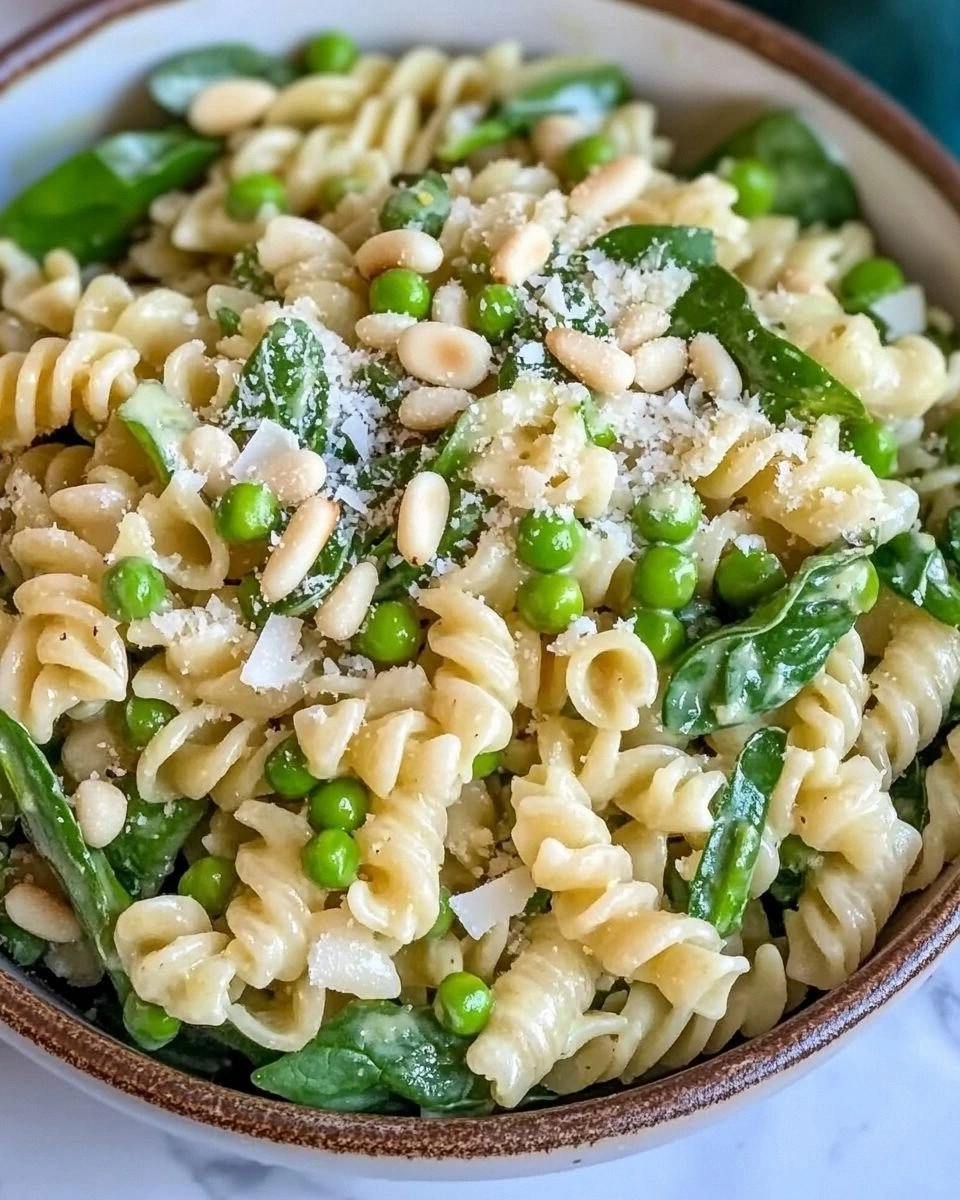
The Method — Step by Step
- Bring a large pot of salted water to a rolling boil. Toss the pasta in and cook for 8–10 minutes, or until al dente. Reserve a cup of pasta water before draining. The pasta water will be key for adjusting the sauce’s consistency later.
- While the pasta cooks, heat the olive oil in a large skillet over medium heat. Add the minced garlic and sauté for 30–45 seconds until fragrant, being careful not to burn it. The garlic should release its aroma without turning brown.
- Stir in the lemon zest, lemon juice, and a pinch of salt. Let the mixture simmer for 2 minutes, allowing the flavors to marry. You’ll notice the aroma becoming citrusy and slightly sharp.
- Pour in the heavy cream and bring the mixture to a gentle simmer. Stir frequently to prevent scorching. The sauce should thicken slightly and develop a glossy sheen.
- Add the grated Parmesan, stirring until it melts and integrates into the sauce. The cheese should create a smooth, velvety texture that clings to the pasta.
- Toss the cooked pasta into the skillet, using tongs to coat each strand evenly. If the sauce seems too thick, add a splash of the reserved pasta water to reach your desired consistency. The sauce should cling to the pasta like a second skin.
- Fold in the cherry tomatoes, spinach, and toasted breadcrumbs. Stir gently until the spinach wilts and the tomatoes soften slightly. The final sauce should be glossy, aromatic, and tinged with a subtle heat from the pepper flakes.
- Plate the pasta, garnish with fresh parsley, and serve immediately. The dish should look vibrant, with a bright citrus hue and a glossy sheen.
That's it — you did it. But hold on, I've got a few more tricks that'll take this to another level…
Insider Tricks for Flawless Results
The Temperature Rule Nobody Follows
Many cooks overcook the pasta, making it mushy and unappetizing. The trick is to cook the pasta just until it’s al dente, then finish it in the sauce. The residual heat will finish the cooking, and the pasta will hold its shape beautifully.
Why Your Nose Knows Best
If the sauce smells too sharp, add a splash of milk or cream to mellow the acidity. The aroma will shift from sharp citrus to a balanced, mellow flavor that’s easier on the palate.
The 5-Minute Rest That Changes Everything
After cooking, let the pasta sit in the sauce for five minutes before serving. This allows the strands to absorb the flavors fully, resulting in a richer, more cohesive taste. The sauce also thickens slightly, giving it that silky finish.
Keep the Garlic Crisp
If you prefer a crunchier bite, reserve a few garlic cloves and add them back in at the very end, just before serving. They’ll add a delightful texture that contrasts with the creamy sauce.
The Secret to Evenly Toasted Breadcrumbs
Toast the breadcrumbs in a dry skillet over medium heat, stirring constantly, until they’re golden brown. If you add oil, you’ll get a greasy texture. The dry method keeps them crisp and enhances their nutty flavor.
Creative Twists and Variations
This recipe is a playground. Here are some of my favorite ways to switch things up:
Mediterranean Spin
Swap the spinach for arugula and add Kalamata olives. The peppery bite of the greens and the briny olives elevate the dish to a Mediterranean vibe that’s perfect for summer.
Protein Power
Add grilled chicken or shrimp to the pasta. The protein will make the dish heartier, while the lemon sauce still keeps it fresh and bright.
Vegan Vibes
Replace the Parmesan with nutritional yeast and use a plant‑based cream. The dish stays creamy and flavorful while being fully plant‑based.
Spicy Sunset
Introduce a generous pinch of red pepper flakes or a dash of hot sauce. The heat will contrast beautifully with the citrus, creating a layered flavor profile.
Rustic Root
Stir in roasted root vegetables like carrots or parsnips. Their natural sweetness pairs with the lemon’s brightness, adding depth and color.
Storing and Bringing It Back to Life
Fridge Storage
Store leftovers in an airtight container in the refrigerator for up to 3 days. Keep the pasta and sauce separate if possible, and combine them only just before reheating to preserve texture.
Freezer Friendly
Freeze the pasta and sauce separately in freezer‑safe containers. Reheat the sauce first, then add the pasta, stirring in a splash of water to loosen it. This keeps the sauce from separating.
Best Reheating Method
Reheat on the stovetop over low heat, adding a splash of water or milk to keep the sauce silky. Avoid microwaving, as it can make the sauce rubbery and the pasta mushy.