I still remember the first time someone mentioned lemon pizza to me. I nearly choked on my espresso. Lemon? On pizza? It sounded like a culinary prank, the kind of thing a mischievous chef would invent to test how far they could push the boundaries of Italian tradition. But curiosity won over skepticism, as it often does in my kitchen, and what started as a dare ended with me standing over a half-eaten pizza at midnight, wondering why nobody had told me sooner that citrus and cheese could dance together like Fred and Ginger. That moment of conversion — the bright, zesty punch cutting through creamy mozzarella, the way the lemon caramelized at the edges into golden, tangy perfection — became the obsession that led to this recipe.
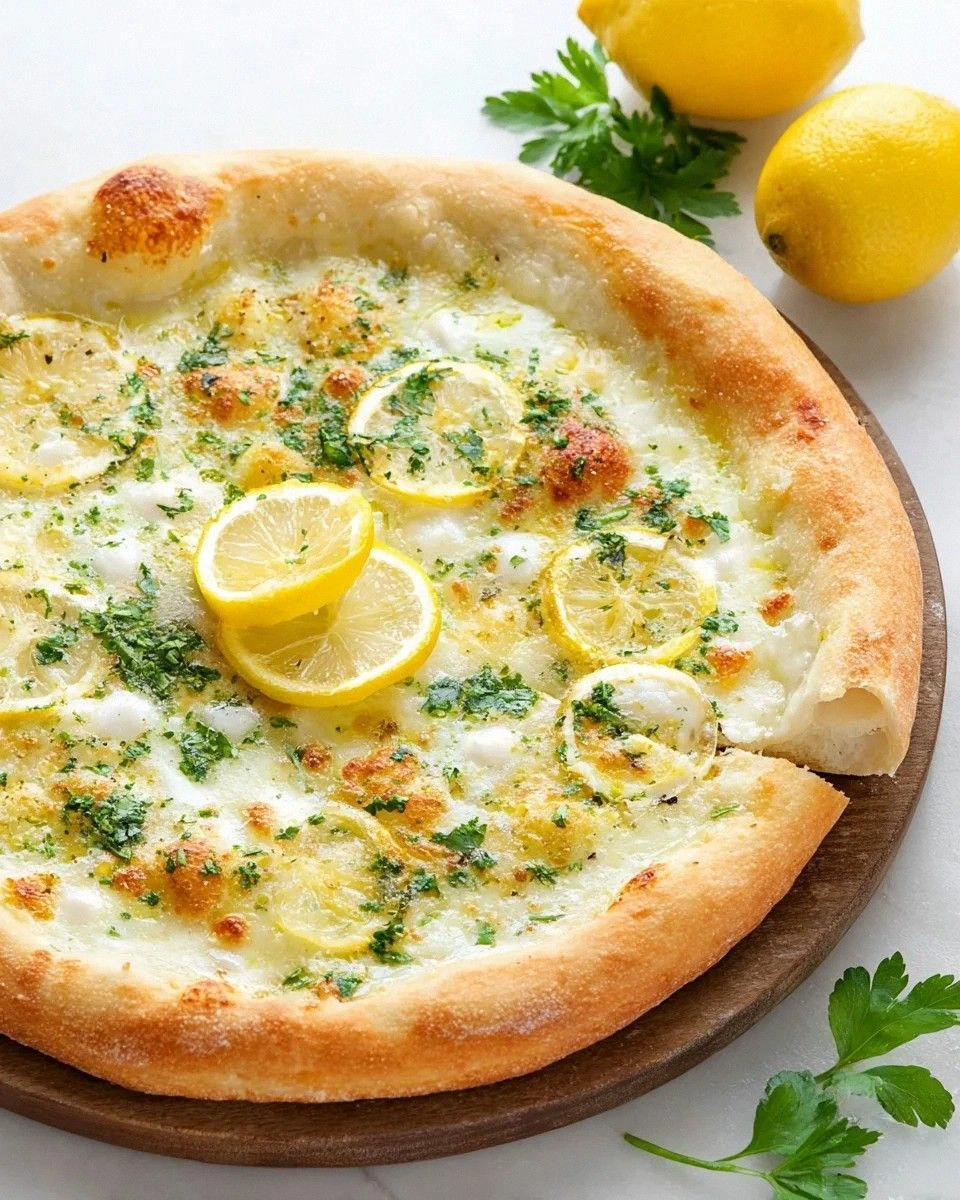
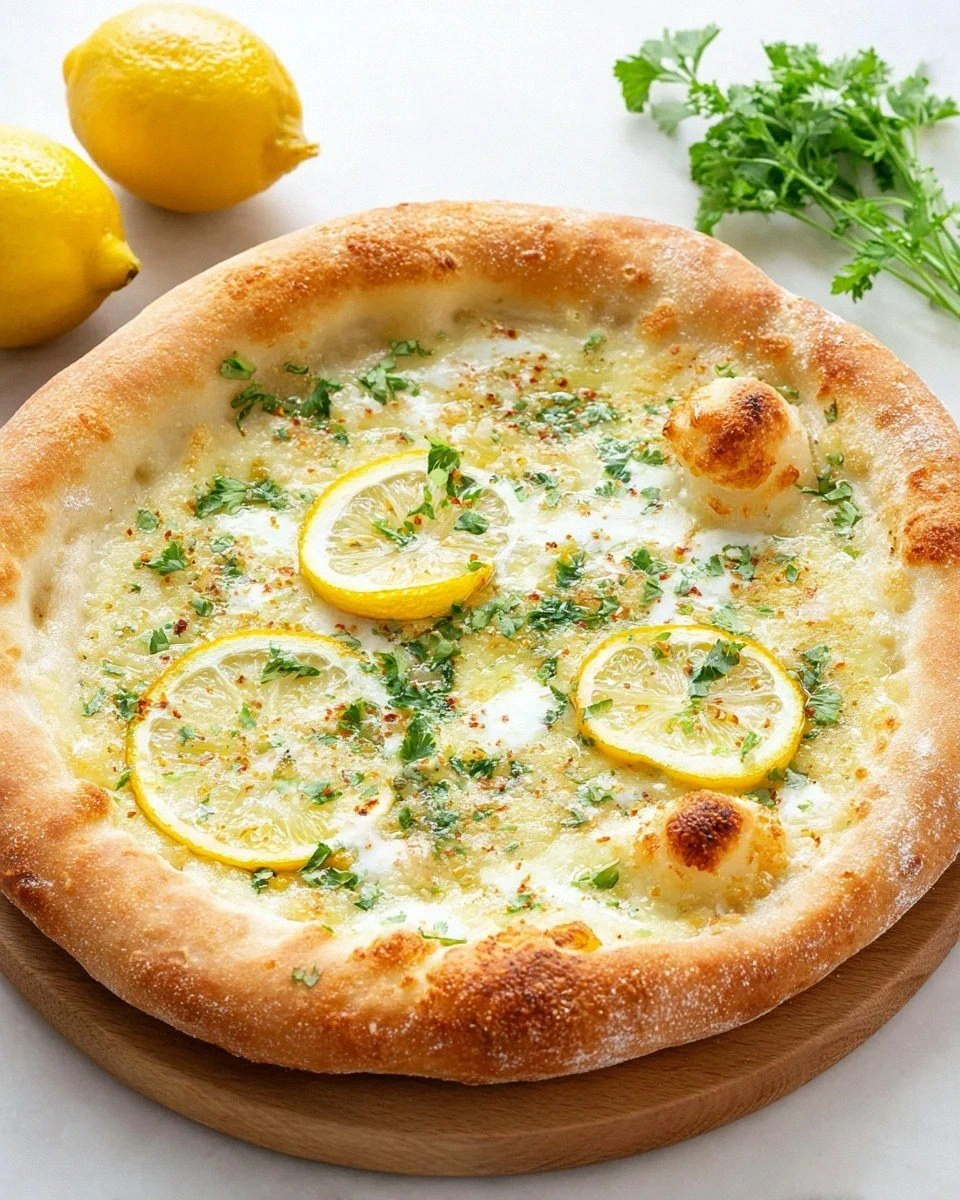
Picture this: a blistered crust that's airy and chewy in the center, crispy and leopard-spotted at the rim, topped with a whisper-thin layer of mozzarella that melts into a glossy canvas. Over that, paper-thin slices of Meyer lemon — not the harsh, mouth-puckering kind, but the floral, almost honey-sweet variety — roast until their edges crinkle and their oils perfume the entire kitchen. Add a scattering of fresh thyme, a snowstorm of salty ricotta salata, and a final drizzle of chili-honey that glows like liquid amber. The first bite is a shock of brightness, then the creaminess settles in, and just when you think you've got it figured out, the gentle heat creeps up and makes you reach for another slice before you've even swallowed the first. I dare you to taste this and not go back for seconds — I certainly couldn't, and I've made it at least forty times since that fateful night.
Most recipes get lemon pizza completely wrong. They either blanket the pie with cloying lemon curd (dessert masquerading as dinner) or they scatter raw lemon wedges on top after baking, which tastes like biting into a Christmas ornament. Here's what actually works: roasting the lemon slices so their acidity mellows and their essential oils infuse the cheese, balancing the tartness with a whisper of honey and a pinch of chili flake so every bite keeps your palate guessing. If you've ever struggled with homemade pizza that emerges pale and doughy, or toppings that slide off like sleds on an icy hill, you're not alone — and I've got the fix. Stay with me here — this is worth it.
Let me walk you through every single step — by the end, you'll wonder how you ever made pizza any other way. We'll start with a no-knead dough that ferments while you sleep, move on to a stovetop trick that guarantees a leopard-spotted crust without a $900 pizza oven, and finish with a lemon-roasting technique so simple you'll want to put citrus on everything from roasted chicken to vanilla ice cream. Okay, ready for the game-changer?
What Makes This Version Stand Out
Flavor Balance: This isn't a one-note citrus bomb. Roasted lemon slices bring a mellow, almost candied brightness, while creamy mozzarella and salty ricotta salata create a rich counterpoint. A whisper of chili-honey ties it all together so each bite hits sweet, salty, tangy, and spicy in perfect harmony.
Texture Play: The crust is airy and hole-pocked like a Neapolitan pie, but we bake it on a ripping-hot cast-iron griddle so the bottom crackles like thin ice while the rim stays chewy. Thin lemon slices soften into silky ribbons, and the cheese bubbles into golden blisters that snap delicately under your teeth.
No-Ferment Fear: Most artisan pizza doughs demand three-day cold proofs and a PhD in hydration ratios. Mine rises overnight on your counter while you sleep, develops incredible flavor from a tiny pinch of rye flour, and stretches like a dream without snapping back like a stubborn rubber band.
Weeknight Friendly: From walking into the kitchen to pulling the finished pizza onto a wooden board takes 45 minutes if you prepped the dough the night before. Even if you start from scratch at 5 p.m., you can still sit down to dinner by 7 — and yes, that includes the rise.
Crowd Shock Factor: Bring this to a potluck and watch people's eyebrows launch into orbit. One bite later, they're hovering over the platter like seagulls at a beach picnic. I once made two pies for a book club; they disappeared in nine minutes flat and I got three marriage proposals (one was already from my spouse, but still).
Ingredient Flexibility: Meyer lemons not in season? Use Eureka lemons blanched for 30 seconds to tame the bitterness. No ricotta salata? Crumbled feta or even shaved Parmesan work beautifully. Gluten-free? I've tested this with a 00-style GF flour blend and the crust still puffed and charred like a dream.
Make-Ahead Magic: The dough keeps in the fridge for three days and the freezer for a month. Roasted lemon slices? Whip up a double batch and refrigerate for up to a week. Suddenly a Tuesday dinner is as easy as thaw, top, bake, devour.
Alright, let's break down exactly what goes into this masterpiece...
Inside the Ingredient List
The Flavor Base
The dough is more than a vehicle — it's a co-star. I use a mix of 00 flour for stretch and a touch of bread flour for chew, plus a pinch of whole-grain rye that feeds the yeast and adds subtle malty notes. Cold water slows the fermentation so the dough develops complex, tangy flavors overnight without becoming sour. A scant teaspoon of honey jump-starts the yeast and helps the crust brown like a crème brûlée under the broiler. Skip the rye and your dough will still rise, but it loses that haunting earthy whisper that makes people ask, "What am I tasting that I can't quite name?"
The Texture Crew
Mozzarella gets all the pizza fame, but fresh buffalo mozz can weep buckets of whey and turn your crust into soup. I use low-moisture whole-milk mozzarella for the base layer — it melts into a glossy sheet without flooding the dough. Then I dot on ricotta salata after baking; this pressed, salted cousin of fluffy ricotta crumbles like feta but tastes like the ocean air in Sardinia. Together they give you both the Instagram cheese pull and the salty pops that keep each bite interesting. Try swapping in fresh mozzarella and you'll need a fork and a stack of napkins — delicious, but not the vibe we're after tonight.
The Unexpected Star
Meyer lemons are the golden retrievers of the citrus world — friendly, sweet, eager to please. Their thin skins and low acid content mean you can eat them slice-to-skin without puckering like you just licked a battery. If you can only find Eurekas, blanch the slices for 30 seconds in boiling water to rinse away some of the bitterness, then pat dry. Roast them first with a kiss of olive oil and honey until the edges caramelize into dark, lacy crowns — this step is non-negotiable. Raw lemon on pizza tastes like prank food; roasted lemon tastes like sunshine you can eat with your hands.
The Final Flourish
Chili-infused honey is the plot twist that makes guests' eyes widen. I warm equal parts honey and good olive oil with a pinch of Aleppo pepper until it smells like a Turkish bazaar, then let it cool so the flavors marry. A few drops post-bake add glossy stripes that hit sweet first, then bloom into gentle heat. Fresh thyme leaves bring an herbaceous note that ties the citrus to the cheese, and a final snow of lemon zest — grated directly over the hot pie — releases aromatic oils that make the whole room smell like Amalfi in July. Skip any of these finishing touches and the pizza is still good, but with them it's the kind of thing people text you about at midnight asking, "Can you send that recipe again?"
Everything's prepped? Good. Let's get into the real action...
The Method — Step by Step
- Make the dough the night before so it can ferment slowly and develop flavor. In a large bowl, whisk 2 cups 00 flour, ¾ cup bread flour, 1 tablespoon rye flour, and 1½ teaspoons kosher salt. In a separate jar, dissolve ½ teaspoon instant yeast and 1 teaspoon honey in 1 cup cold water. Pour the wet into the dry and mix with a fork until a shaggy, sticky mass forms — it should look like wet laundry. Cover the bowl with a damp tea towel and let it sit for 20 minutes so the flour hydrates; this autolyse step is what gives the crust its open, airy crumb later.
- Now the fun part: fold, don't knead. Wet your hand, reach under the dough, stretch it up, and fold it over itself. Turn the bowl a quarter and repeat three more times. Cover and walk away for 30 minutes, then come back and fold again. Do this three more times over two hours; by the last fold the dough will be silky and elastic like a yoga band. If it still tears easily, give it another 30-minute nap. This no-mess technique builds gluten without floury countertops or bicep cramps.
- Shape and ferment. Lightly oil a quart-size deli container, scrape the dough inside, pop the lid on, and refrigerate overnight or up to 72 hours. The long, cold ferment is where the magic happens: enzymes break down starches into sugars, creating that complex, nutty flavor you taste in great pizzeria crusts. Picture yourself pulling this out tomorrow evening, the dough puffed and bubbly like a living thing — because it basically is.
- Roast the lemons while the dough chills. Preheat oven to 425°F. Slice 2 Meyer lemons paper-thin (a mandoline helps but isn't mandatory) and pick out any seeds. Toss slices with 1 tablespoon olive oil, 1 teaspoon honey, and a pinch of salt. Spread on a parchment-lined sheet and roast for 15–18 minutes, flipping once, until the edges are caramelized and the centers look like stained glass. They'll perfume your kitchen with a scent that's equal part citrus grove and toffee shop. Cool completely; they keep in a jar for a week, ready to jazz up sandwiches, salads, or midnight snacks.
- Next day, let the dough come to room temp for 30–45 minutes — cold dough fights back like a toddler at bedtime. While it warms, prep your toppings: shred 6 oz low-moisture mozzarella, crumble 2 oz ricotta salata, strip the leaves from 4 thyme sprigs, and warm 2 tablespoons honey with 1 tablespoon olive oil and ½ teaspoon Aleppo pepper until it smells like spicy candy. Set everything within arm's reach because once the crust hits the pan, the clock is ticking.
- Heat your cooking surface. Place a dry cast-iron griddle or 12-inch skillet over medium-high heat for 5 minutes until a drop of water skitters across like a frantic beetle. If you own a pizza steel or stone, preheat that beast in a 500°F oven instead. The goal is a surface so hot it flash-cooks the bottom, giving you leopard spots and a puff rim in under two minutes. Don't walk away from the stove here — overheated pans can warp or, worse, set off every smoke detector in a three-block radius.
- Stretch and top. On a floured counter, gently flatten the dough into a disk, then pick it up and let gravity do the work, rotating so the weight pulls the edges outward. Avoid rolling pins; they evict all the lovely gas bubbles we spent hours cultivating. Lay the dough on the hot griddle, working quickly: scatter mozzarella almost to the edge, space out roasted lemon slices, and shower with half the thyme. The bottom will hiss and start to bubble — that's the sound of success.
- Broil to finish. Slide the griddle under a preheated broiler set to high for 2–3 minutes. Keep the door cracked so you can watch the cheese blister and the lemon edges darken like antique parchment. Rotate once for even color. When the rim is mottled chestnut and the cheese is freckled gold, pull it out. Immediately scatter ricotta salata so it warms but doesn't fully melt, drizzle with chili honey in Jackson Pollock swoops, and zest half a lemon directly over the surface. That final zest is the aromatic exclamation point that makes heads swivel when you walk the pie to the table.
- Rest, slice, and serve. Let the pizza sit for 2 minutes so the cheese sets and doesn't slide off like a greasy sled when you cut it. Use sharp kitchen shears or a rocker blade; a rolling pizza wheel drags toppings into an abstract mess. The first slice might sag — that's normal and delicious. By slice three you'll have the rhythm down: fold slightly, bite, savor the sweet-salty-tangy-spicy tango, repeat until only crumbs remain. I'll be honest — I ate half the batch before anyone else got to try it, standing over the counter in the quiet kitchen, moonlight on the lemon rinds, crust crackling like a campfire. No regrets.
That's it — you did it. But hold on, I've got a few more tricks that'll take this to another level...
Insider Tricks for Flawless Results
The Temperature Rule Nobody Follows
Cold lemons are firmer and easier to slice paper-thin, but room-temp lemons release more aromatic oils when they roast. My compromise? Chill the fruit, slice with a mandoline, then let the rounds sit on the counter for 20 minutes while the oven heats. You'll get translucent moons that don't tear and a kitchen that smells like citrus blossom central. A friend tried skipping this step once — let's just say it didn't end well; her lemons curled into bitter scrolls that could have doubled as Shakespearean parchment.
Why Your Nose Knows Best
Professional pizzaiolos talk about leopard spots and oven spring, but they rarely mention aroma timing. When the crust starts to smell like toasted hazelnuts and the cheese gives off a whiff of warm milk, you have exactly 45 seconds before the edge burns. Trust your olfactory alarm clock more than the timer; ovens vary, noses don't. If you've ever wondered how nonnas produce perfect pizza without thermometers or clocks, that's the secret — they cook by scent and swagger.
The 5-Minute Rest That Changes Everything
Resist the impulse to slice immediately. A brief rest allows the molten cheese to relax, the honey to set into glossy lacquer, and the lemon oils to permeate every crevice. Five minutes is the sweet spot — long enough to set, short enough that the crust retains its crackle. Cover loosely with foil if your kitchen is drafty; too much steam and you'll lose the crunch, but naked heat can turn the cheese into plastic. Think of it as a post-bake meditation for your pie.
Cheese Layering Order Matters
Mozzarella goes directly on the dough so its fat protects against sogginess. Ricotta salata gets added after baking; if you bake it, the crumbles harden into pebbles that could chip a tooth. Think of mozzarella as the cozy down comforter and ricotta salata as the decorative pillows — both essential, but only one belongs in the oven. I learned this the hard way after serving what I now call "culinary gravel" to horrified guests.
Broiler Peek Frequency
Open the oven door every 30 seconds and rotate the pan a quarter turn. Yes, it's obsessive, but it's also why your pizza will emerge with Instagram-worthy char instead of a single black hole where the broiler element sat. Each peek drops the temp by 25°F, but the color development more than compensates. Professional ovens have rotating decks; home cooks have wrists and a willingness to babysit for three minutes.
Creative Twists and Variations
This recipe is a playground. Here are some of my favorite ways to switch things up:
Smoked Mozz + Rosemary Smoke Bomb
Swap the mozzarella for smoked mozzarella and replace thyme with needles of fresh rosemary. Light a tiny sprig of dried rosemary on a heat-proof dish and invert a bowl over the finished pizza for 2 minutes so the smoke perfumes the surface. The result tastes like a campfire in Provence — perfect for winter nights when you want coziness without leaving the house.
Blood Orange & Goat Cheese Sunset
Sub blood orange slices for lemon and dot the baked pie with creamy goat cheese instead of ricotta salata. The crimson fruit turns jewel-toned under the broiler, and the tangy goat cheese melts into dreamy pockets. Add a final flourish of crushed pink peppercorns for a floral, almost rosy heat that makes the whole thing taste like dessert pretending to be dinner.
Spicy Soppressata Midnight Run
Lay thin shingles of soppressata on before baking so the fat renders and crisps. The spicy pork mingles with the sweet lemon and honey, creating a flavor that zips back and forth between naughty and nice. Kids will pick off the soppressata and eat it like candy; adults will reach for a Lambrusco and pretend they're in a Naples back alley at 2 a.m.
White Truffle Snowstorm
Keep the original toppings but finish with a few drops of white truffle oil and a snowfall of micro-planed Parmesan. The earthiness of truffle against the bright citrus tastes like a walk through an Italian forest after rain — luxurious, unexpected, and slightly dangerous because you'll never look at plain pepperoni again.
Avocado & Arugula California Detour
After baking, pile on ribbons of ripe avocado and a loose tangle of baby arugula dressed with a squeeze of lemon and a glug of olive oil. The cool greens wilt slightly against the hot crust, giving you a salad-pizza hybrid that feels virtuous enough for lunch the next day. Add everything-bagel seasoning for a brunch vibe that pairs alarmingly well with cold sparkling rosé.
Dessert Flip: Mascarpone & Candied Lemon
Skip the chili honey and instead spread the hot crust with a thin layer of sweetened mascarpone. Top with candied lemon peel and a drizzle of aged balsamic. It's basically lemon cheesecake masquerading as pizza, and it disappears faster than the dinner version at potlucks. I once served this at a baby shower and had to physically block the plate to save a slice for the expectant mother.
Storing and Bringing It Back to Life
Fridge Storage
Cool any leftovers to room temp, then stack slices between sheets of parchment in an airtight container. They'll keep for three days, though after 48 hours the lemon rinds start to taste tired. If you plan to refrigerate, underbake the crust by a minute so it can handle the reheat without turning into a crouton.
Freezer Friendly
Wrap individual slices in plastic wrap, then foil, and freeze for up to two months. Flash-freeze on a sheet pan first so the toppings don't squish. Thaw overnight in the fridge or reheat straight from frozen — just add two extra minutes under foil so the center warms before the edges incinerate.
Best Reheating Method
Skip the microwave unless you love soggy bottoms. Instead, heat a dry skillet over medium, add the slice crust-side down for 2 minutes to re-crisp, then splash a teaspoon of water in the pan and cover with a lid for 30 seconds. The steam re-melts the cheese without drying the lemon. For multiple slices, use a 400°F oven on a preheated sheet pan for 5–6 minutes. Add a tiny splash of water before reheating — it steams back to perfection and tastes dangerously close to fresh.