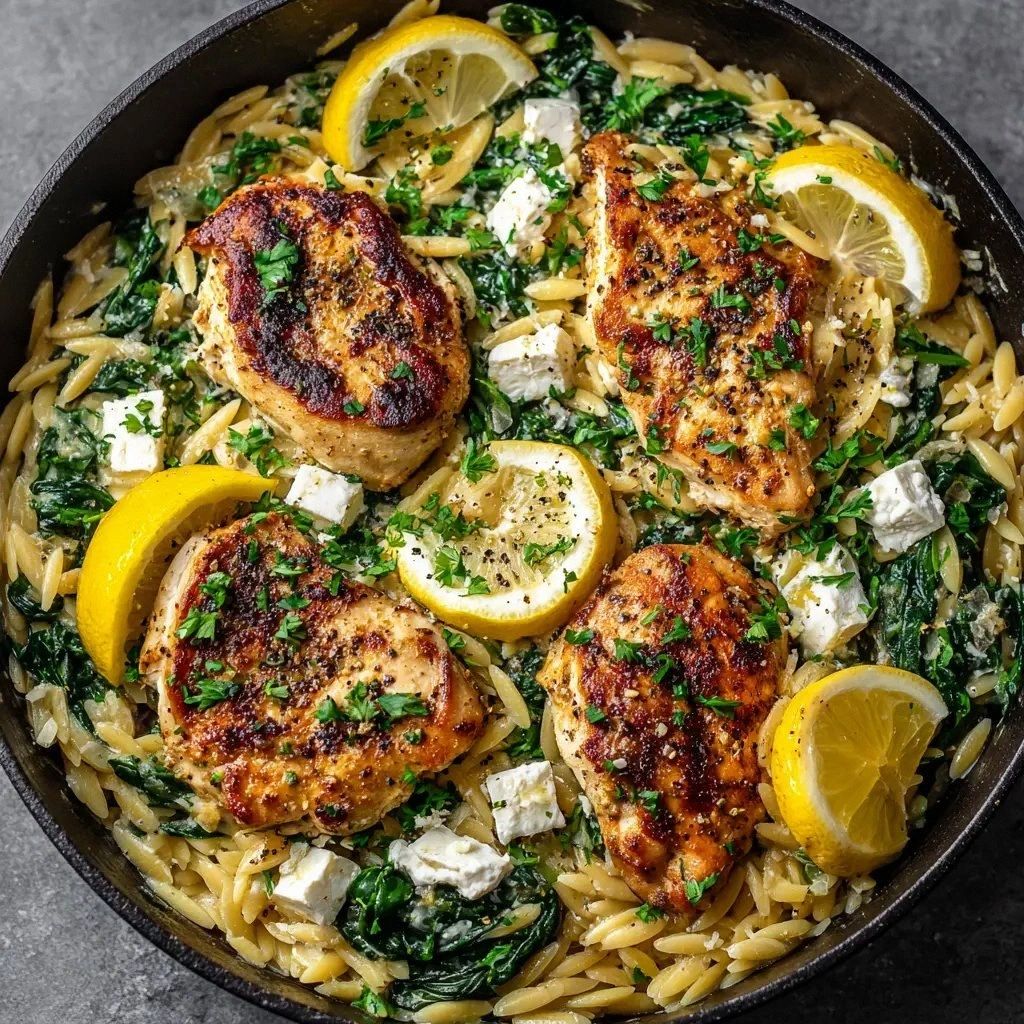
Picture this: you’re in the middle of a hectic week, the fridge is a sad gray of leftovers, and the kitchen is a battlefield of half‑cooked pasta and a stubborn chicken that won’t stay in one place. I was staring at the same bland chicken and orzo on my screen, feeling the familiar dread that comes with a recipe that promises comfort but delivers disappointment. That night I decided to throw caution to the wind, to turn a simple dinner into a culinary fireworks display, and I discovered a version of Lemon Feta Chicken Orzo that will change how you think about one‑pot meals forever. The aroma that hit me first was that bright citrus zing that cut through the heaviness of the butter, the subtle saltiness of feta, and the earthy sweetness of fresh spinach – a scent that felt like a promise of a meal that would linger in your memory long after the last bite.
I’ve spent years hunting for that one‑pot wonder that feels like a hug, yet is quick enough for a weekday night. This recipe is that hug, wrapped in a citrus‑laden sauce that coats the orzo like velvet, with chicken that’s tender and juicy, and a feta crumble that adds a salty counterpoint. I dare you to taste this and not go back for seconds – because once you experience this combination of flavors, the ordinary will never be the same again. The texture is a dance between the al dente bite of the pasta and the silky sauce that glides over every grain. It’s hands down the best version you’ll ever make at home, and I’m going to walk you through every single step so you can replicate that magic in your own kitchen.
What sets this dish apart is not just the ingredients, but the way they interact. The chicken is seared to a golden crust that locks in juices, the lemon juice brightens the broth, and the feta is crumbled just before serving so it melts into the sauce, creating a creamy, tangy finish that’s impossible to resist. The orzo is cooked directly in the sauce, absorbing all the flavors, while the spinach adds a pop of color and a gentle earthiness that balances the citrus. I’ve experimented with dozens of variations, but this particular combination of flavors, textures, and techniques is a revelation that I can’t keep to myself. If you’re ready to elevate your weeknight cooking, let’s dive in.
Alright, let’s break down exactly what goes into this masterpiece. Below you’ll find the key elements that make this dish sing, and the secrets that keep it from becoming just another “chicken and pasta” meal. Each bullet point starts with a bold opener and explains why it matters, so you know exactly why every component is essential. And because I love to share tricks that save time and enhance flavor, I’ve tucked a little Kitchen Hack in the next box for you to try right away.
What Makes This Version Stand Out
- Flavor Fusion: The bright lemon cuts through the richness of butter and feta, creating a balanced, citrusy finish that lifts the entire dish.
- Texture Contrast: The chicken’s golden sear provides a satisfying bite, while the orzo remains al dente, offering a pleasant chew that keeps the dish engaging.
- One‑Pot Simplicity: All the cooking happens in a single skillet, minimizing cleanup and allowing you to focus on the flavors.
- Freshness Factor: The spinach is added at the end, preserving its vibrant green color and subtle bitterness that counterbalances the lemon.
- Protein Punch: The chicken breasts deliver lean protein, making this a hearty yet healthy dinner that satisfies without weighing you down.
- Audience Appeal: Whether you’re cooking for a crowd or a cozy family dinner, the generous portion size and bold flavors impress everyone.
- Ingredient Quality: Using high‑quality feta and fresh lemons ensures the dish shines; the feta’s crumbly texture is a game‑changer.
- Make‑Ahead Potential: The flavors develop when reheated, making this dish perfect for meal prep or a quick weeknight dinner.
Inside the Ingredient List
The Flavor Base
The foundation of this dish is the combination of olive oil, butter, and lemon juice. Olive oil brings a subtle fruity note and helps the chicken brown without scorching. Butter adds richness and depth, creating a sauce that clings to the orzo. Lemon juice provides acidity that balances the buttery heaviness and brightens the entire plate. If you skip any of these, the sauce will feel flat or too heavy.
The Texture Crew
Orzo is the star of the texture department. Its small, rice‑shaped pasta holds the sauce beautifully, giving each bite a burst of flavor. The spinach, added at the end, offers a tender crunch and a pop of color that contrasts nicely with the creamy sauce. The feta, crumbled just before serving, adds a creamy, salty counterpoint that melts into the dish, giving it a velvety finish.
The Unexpected Star
The 0.5 cup block feta cheese might seem like a minor detail, but it’s the secret sauce that makes this dish unforgettable. Feta’s briny profile cuts through the lemony brightness and balances the richness of the butter. If you’re vegan or lactose intolerant, try a plant‑based crumbled cheese or a sprinkle of nutritional yeast for a similar umami kick.
The Final Flourish
Fresh parsley and cracked black pepper flakes finish the dish with a burst of herbal brightness and a subtle heat. The parsley adds a green, herbaceous note that ties all the flavors together, while the pepper flakes provide a gentle spice that lingers on the palate. If you prefer a milder version, reduce the pepper to a pinch.
Everything’s prepped? Good. Let’s get into the real action, where the magic begins.
The Method — Step by Step
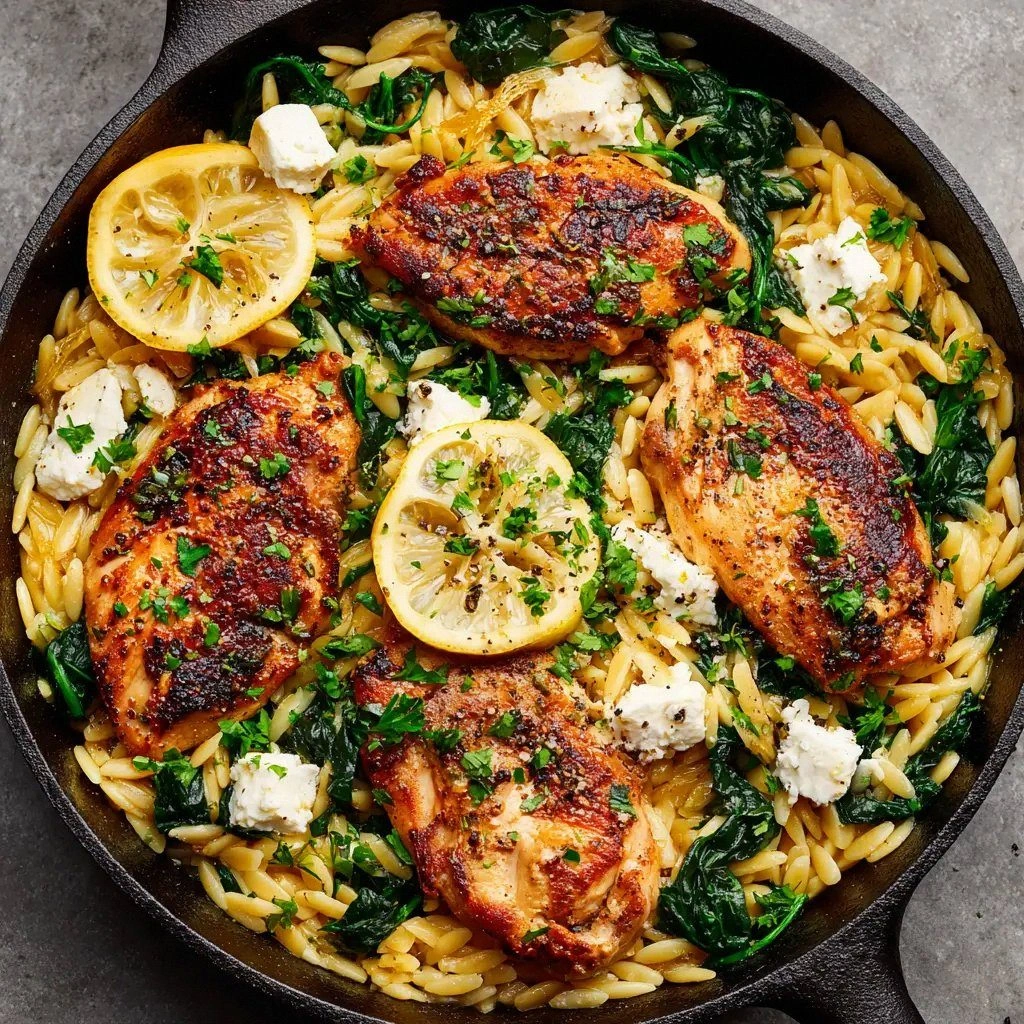
- First, season the chicken breasts generously with kosher salt and cracked pepper. Heat the olive oil in a large, heavy skillet over medium‑high heat until shimmering. Place the chicken in the pan and sear for about 3–4 minutes per side until golden brown and the internal temperature reaches 165°F. This step locks in juices and creates a flavorful crust that will contrast beautifully with the tender interior.
- Remove the chicken and set it aside on a plate. In the same skillet, add the unsalted butter, letting it melt and foam without browning. Once the butter is bubbling, stir in the fresh lemon juice, letting the acidity sing against the butter’s richness. The mixture should smell toasty and bright, a clear sign you’re on the right track.
- Add the dry orzo to the pan, stirring constantly so the grains coat the buttery lemon base. Cook for 2 minutes, allowing the pasta to toast slightly, which brings out a nutty undertone. This is the moment of truth – the orzo should start to turn translucent at the edges.
- Pour in the chicken broth, stirring to deglaze the pan and lift the browned bits from the bottom. Bring the mixture to a gentle simmer, then reduce the heat to low. Cover the skillet and let the orzo cook for 10–12 minutes, or until it’s al dente and the liquid has mostly absorbed.
- While the orzo cooks, slice the lemon into thin rounds and set aside for garnish. This will add a bright visual cue and a fresh burst of citrus with each bite.
- When the orzo is nearly done, fold in the fresh spinach leaves. They’ll wilt quickly, giving the dish a pop of color and a subtle earthy note. Keep stirring until the spinach is just tender, then return the skillet to the stove.
- Slice the cooked chicken breasts into strips and return them to the skillet, letting them reheat for 2 minutes. This step ensures the chicken stays moist and the flavors meld together. The orzo should now be creamy, with the sauce coating every grain.
- Crumble the feta cheese over the top, allowing it to melt into the warm sauce. Sprinkle the chopped parsley and a final squeeze of lemon juice to brighten the dish. The feta will create a silky, tangy coating that makes each bite a revelation.
- Serve immediately, garnishing with the lemon slices and a final dusting of cracked pepper. The dish should look bright and inviting, with the golden crust of the chicken and the vibrant green spinach. The aroma will be a citrus‑buttery symphony that will draw everyone to the table.
- That’s it — you did it. But hold on, I’ve got a few more tricks that will take this to another level: keep reading to discover how to make this dish even more unforgettable.
Insider Tricks for Flawless Results
The Temperature Rule Nobody Follows
Many people cook the orzo at a high simmer, which can cause the pasta to become mushy and the sauce to separate. I always reduce the heat to low once the liquid is added, allowing the pasta to absorb the flavors slowly. This keeps the orzo al dente and the sauce silky. If you’re in a hurry, a quick flip to high heat for the last minute can still work, but the texture may be slightly different.
Why Your Nose Knows Best
Before you add the spinach, give the pan a sniff. A faint, buttery aroma indicates that the sauce is ready for the greens. If it smells too oily, let the pan cool a minute or add a touch more broth. Your nose is a reliable guide to the dish’s readiness, and it saves you from overcooking the spinach.
The 5‑Minute Rest That Changes Everything
After removing the skillet from heat, let the dish rest for five minutes. This allows the flavors to meld and the sauce to thicken slightly, creating a more cohesive bite. The rest also lets the chicken juices redistribute, ensuring each bite is moist. I’ve found that this simple pause elevates the overall experience.
Keep the Lemon Juice Fresh
The lemon juice should be freshly squeezed, not bottled. Fresh juice carries a brighter, cleaner acidity that lifts the dish. If you’re short on time, a squeeze of bottled lemon is acceptable, but the flavor will be a bit muted. Use a citrus reamer for the best extraction.
Don’t Over‑Season the Chicken
The feta and lemon already add a lot of flavor, so keep the chicken’s seasoning minimal. Too much salt can make the dish taste flat, especially when the feta is crumbled on top. I recommend a light dusting of kosher salt and cracked pepper, letting the other ingredients shine.
Finish with Fresh Herbs
Adding fresh parsley at the very end preserves its bright color and herbal flavor. The parsley’s subtle bitterness balances the sweetness of the lemon and the creaminess of the feta. A small handful of chopped herbs is all you need to elevate the dish.
Creative Twists and Variations
This recipe is a playground. Here are some of my favorite ways to switch things up:
Greek Yogurt Swirl
Stir in a dollop of Greek yogurt before serving to create a creamy, tangy swirl that pairs beautifully with the feta. The yogurt adds protein and a subtle tartness that complements the lemon.
Roasted Red Pepper Kick
Add roasted red peppers to the skillet after the orzo is cooked. They bring a sweet, smoky flavor that adds depth and a splash of color. This variation is perfect for a Mediterranean vibe.
Smoked Paprika Boost
Sprinkle smoked paprika over the chicken before searing. The smoky aroma will linger on the plate, giving the dish a new dimension. This works especially well if you’re craving a slightly bolder flavor profile.
Vegetarian Upgrade
Swap the chicken for grilled halloumi or tofu cubes. The cheese will hold its shape and provide a salty bite, while the tofu will soak up the citrusy sauce. This version is still hearty and satisfying.
Quinoa Alternative
Use quinoa instead of orzo for a gluten‑free, protein‑rich twist. Cook the quinoa in the same broth, and it will absorb the flavors just as well. The texture will be slightly chewier, adding variety.
Spicy Sriracha Finish
Drizzle a teaspoon of Sriracha over the finished dish for a spicy finish. The heat will contrast the lemon’s brightness, creating a balanced, exciting flavor. This is great for those who love a little kick.
Storing and Bringing It Back to Life
Fridge Storage
Cool the dish completely before transferring it to an airtight container. Store in the refrigerator for up to 3 days. The flavors will deepen, and the feta will still melt nicely when reheated.
Freezer Friendly
For longer storage, portion the dish into freezer‑safe containers and freeze for up to 2 months. Thaw overnight in the refrigerator before reheating. The orzo may soften slightly, but the sauce will remain delicious.
Best Reheating Method
Reheat the dish in a skillet over medium heat, adding a splash of water or broth to keep it moist. Stir occasionally until heated through. This method preserves the sauce’s silkiness and keeps the chicken juicy.