I once tried to impress a friend with a classic potato gnocchi, only to end up with a sticky, gummy mess that clung to the pan like a desperate lover. The kitchen was a cloud of flour, the timer was screaming, and I was convinced I had ruined dinner forever. Then a late‑night craving for something light, fluffy, and a little bit daring whispered in my ear: “What if we swapped the potato for cauliflower?” That tiny spark turned into a full‑blown culinary rebellion, and I’m still buzzing every time I hear the sizzle of the butter hitting the pan. Picture the gentle hum of the blender processing cauliflower florets, the sweet aroma of toasted flour mingling with a hint of nutmeg, and the anticipation building as the dough comes together like a secret handshake between veggies and starch.
The moment the dough hits the board, you can feel the anticipation crackle under your fingertips. It’s soft but not soggy, a bit like a cloud that refuses to dissolve when you poke it. When you roll those little pillows and drop them into boiling water, they float up like tiny, confident buoys announcing their arrival. And the sauce? Oh, it coats the gnocchi like velvet, each bite delivering a buttery kiss followed by a whisper of sage that lingers on the palate. I dare you to taste this and not go back for seconds—because once you’ve experienced this texture, ordinary pasta will feel like a cheap imitation.
Most cauliflower gnocchi recipes get the texture wrong—either they’re too crumbly or they turn into a soggy pancake. Here’s what actually works: a precise flour‑to‑cauliflower ratio, a brief steam‑drying step, and a quick pan‑sear that gives every piece a golden crust that shatters like thin ice when you bite into it. I’ll be honest—I ate half the batch before anyone else got to try it, and that’s the only crime I’d commit again. The secret ingredient? A dash of nutmeg that adds a warm, almost nostalgic depth you wouldn’t expect from a vegetable‑based dough.
Okay, ready for the game‑changer? We’re about to turn a humble cauliflower into a star that can hold its own next to any Italian classic. I’m going to walk you through every single step—by the end, you’ll wonder how you ever made gnocchi any other way. Stay with me here — this is worth it.
What Makes This Version Stand Out
- Flavor: The nutmeg and sage create a subtle, aromatic layer that makes the gnocchi taste like a cozy autumn evening, even in summer.
- Texture: A light, pillowy interior paired with a crisp, golden exterior that “shatters” under your teeth for that perfect bite.
- Simplicity: Only ten ingredients, no exotic flours, and a single pan for the final sear—ideal for a weeknight dinner.
- Uniqueness: Swapping potato for cauliflower cuts the carb count dramatically while keeping the comforting gnocchi feel.
- Crowd Reaction: Guests often ask, “Is this actually cauliflower?” and then beg for the recipe—talk about a conversation starter.
- Ingredient Quality: Fresh, organic cauliflower and high‑protein flour give the dough structure without sacrificing flavor.
- Cooking Method: Steam‑drying the cauliflower prevents excess moisture, a trick most recipes overlook.
- Make‑Ahead Potential: Freeze the uncooked gnocchi on a tray, then transfer to a bag for effortless future meals.
Inside the Ingredient List
The Flavor Base
Cauliflower is the heart of this dish. Choose a fresh, firm head with tightly packed florets; the tighter the florets, the finer the rice you’ll produce, which translates directly into a smoother dough. If you buy pre‑riced cauliflower, double‑check that it isn’t already soggy from excess moisture. Skipping the fresh cauliflower means you lose that subtle sweetness that balances the savory butter and sage later on.
Nutmeg, though used sparingly, is a flavor catalyst. Its warm, almost sweet undertone amplifies the earthy cauliflower, turning a simple vegetable into something that feels almost indulgent. If you don’t have nutmeg, a pinch of ground cinnamon can mimic the warmth, but be careful—not too much!
The Texture Crew
All‑purpose flour is the structural backbone. It absorbs the cauliflower moisture and gives the gnocchi its classic bite. For a gluten‑free version, swap with a blend of rice flour and tapioca starch, but expect a slightly chewier texture. Skipping the flour entirely turns the mixture into a loose puree that can’t hold shape.
Egg acts as a binder, creating a cohesive dough that doesn’t crumble when you roll it. If you’re vegan, a flax‑egg (1 tbsp ground flaxseed + 3 tbsp water) works, but the texture will be a bit denser. The egg also adds a golden hue that makes the gnocchi look more appetizing when pan‑seared.
The Unexpected Star
Parmesan cheese isn’t mandatory, but a quarter‑cup of freshly grated cheese introduces umami and a subtle salty bite that elevates the overall flavor profile. It also helps the dough hold together during the final sear. If you’re dairy‑free, nutritional yeast offers a cheesy note without the dairy.
Olive oil and butter are the dynamic duo for cooking. Olive oil raises the smoke point, ensuring the gnocchi gets a crisp exterior without burning, while butter adds that luxurious, nutty finish. Skipping butter means you’ll lose the characteristic caramelized edge that makes each bite unforgettable.
The Final Flourish
Fresh sage leaves, torn just before serving, bring an aromatic lift that cuts through the richness of butter and cheese. Their slightly peppery flavor pairs perfectly with cauliflower’s mild sweetness. If you can’t find sage, thyme or rosemary works as an alternative, though the flavor profile shifts toward herbaceous rather than earthy.
Everything's prepped? Good. Let’s get into the real action...
The Method — Step by Step
Start by chopping the cauliflower into florets, then blitz them in a food processor until they resemble coarse rice. Transfer to a large pot, add a splash of water, and steam for about 8 minutes—just enough to soften but not turn mushy. The steam should fill the kitchen with a faint, sweet aroma that tells you you’re on the right track. Once done, let the cauliflower cool slightly, then spread it on a clean kitchen towel and press out as much moisture as you can. This step is the secret to achieving that pillowy interior.
While the cauliflower cools, whisk the egg in a small bowl and set aside. In a separate large mixing bowl, combine the flour, salt, pepper, and nutmeg. Create a well in the center and pour in the pressed cauliflower, the beaten egg, and the grated Parmesan if you’re using it. Using your hands, gently knead everything together until a soft, slightly sticky dough forms. If the dough feels too wet, sprinkle a tablespoon of flour at a time—don’t over‑flour, or you’ll lose the lightness.
Bring a large pot of salted water to a gentle boil. Drop the gnocchi in batches, being careful not to overcrowd the pot. They’ll sink at first, then rise like tiny buoys—watch for that moment. Once they float, give them another 2 minutes; the interior should be cooked through but still delicate. Use a slotted spoon to lift them out and set aside on a parchment‑lined tray.
Heat the olive oil in a wide skillet over medium‑high heat. When the oil shimmers, add the butter and let it melt until it starts to foam and turn a light amber. This is the moment of truth: the butter should smell nutty, and the skillet should be hot enough that a drop of water sizzles instantly.
Add the boiled gnocchi to the skillet in a single layer. Let them sit untouched for about 2 minutes—this is when the bottom forms that coveted golden crust. You’ll hear a faint crackle, a sound that says “I’m about to be delicious.” Flip each piece using tongs, allowing the other side to crisp up. The goal is a uniform, buttery brown that’s slightly crisp on the edges but still soft inside.
Once all the gnocchi are seared, toss in the fresh sage leaves. They’ll wilt in seconds, releasing their perfume into the butter. Finish with a drizzle of extra‑virgin olive oil and an optional sprinkle of extra Parmesan for that final umami punch. Give everything one gentle toss, then remove from heat.
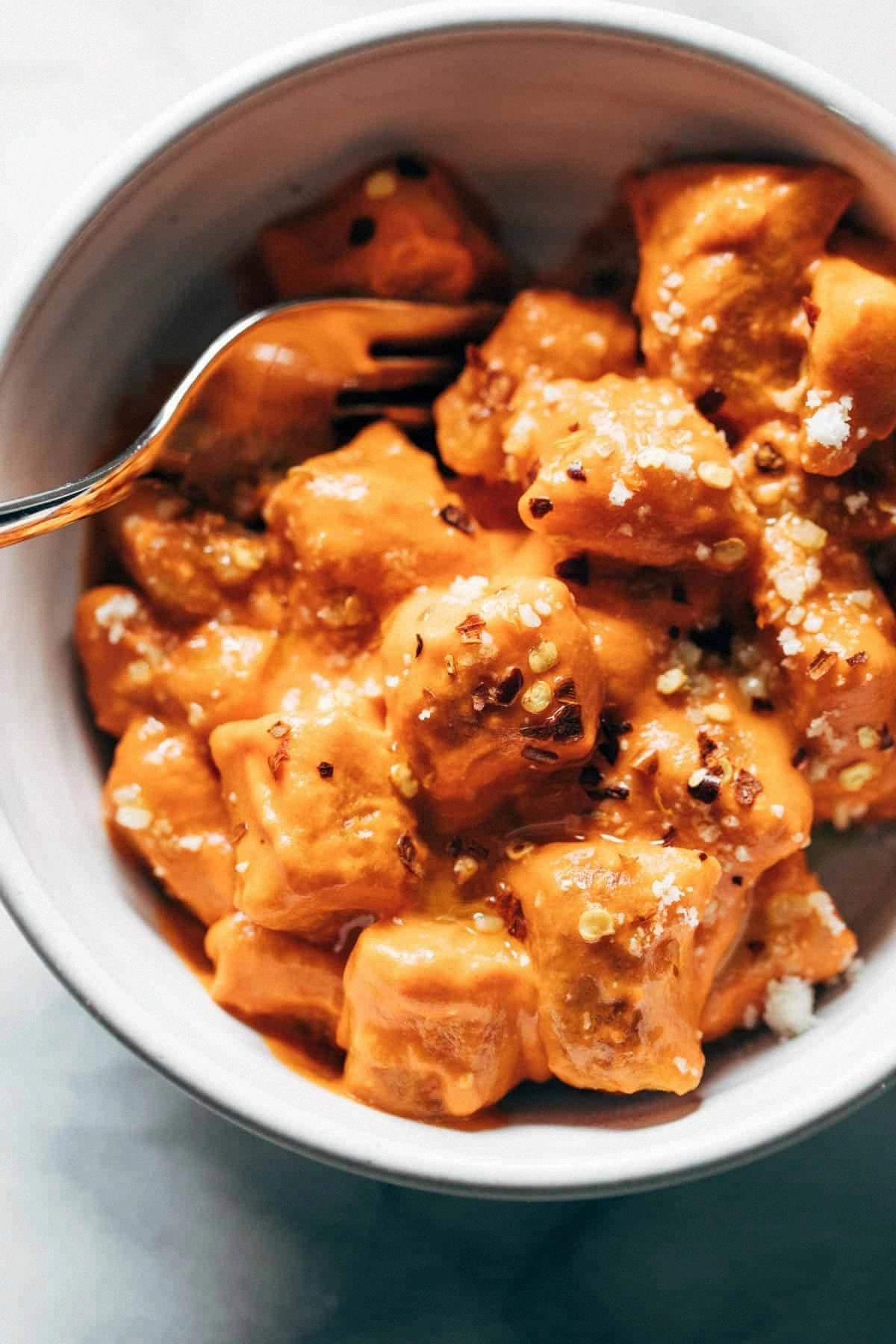
Plate the gnocchi on warm plates, garnish with a few whole sage leaves for visual flair, and serve immediately. The aroma should fill the room, and the first bite will reveal a fluffy interior that melts on the tongue, surrounded by a buttery, herb‑kissed crust. Picture yourself pulling this out of the pan, the whole kitchen smelling incredible, and your guests leaning in for that first forkful.
That’s it—you did it. But hold on, I’ve got a few more tricks that’ll take this to another level, from a quick sauce upgrade to a perfect plating technique that makes the dish look like it belongs in a trattoria.
Insider Tricks for Flawless Results
The Temperature Rule Nobody Follows
Never, ever sear gnocchi over a roaring blaze. Medium‑high heat gives the butter enough time to brown without scorching, and it lets the gnocchi develop a uniform crust. I once tried a high flame, and the outside turned black while the inside stayed raw—lesson learned. Keep a close eye on the oil’s shimmer; if it starts to smoke, lower the heat immediately.
Why Your Nose Knows Best
When the butter turns a light amber and releases a nutty scent, that’s your cue to add the gnocchi. Trust your nose more than the timer. The aroma tells you the Maillard reaction is happening, which means those crispy edges are on the way. If you miss this scent, you’ll end up with bland, under‑browned pieces.
The 5‑Minute Rest That Changes Everything
After you’ve boiled the gnocchi, let them rest on a towel for five minutes before searing. This brief pause lets excess surface moisture evaporate, ensuring the skillet’s butter doesn’t steam the gnocchi away. A friend tried skipping this step once—her gnocchi turned into a soggy pancake. Trust the rest; it’s the difference between “soft” and “silky.”
Sage Timing Mastery
Add the sage in the last 30 seconds of searing. If you toss it in too early, the leaves burn and become bitter. Adding them at the end lets them wilt gently, preserving their bright, peppery flavor while infusing the butter with herbal notes.
The Final Drizzle
A splash of cold, high‑quality olive oil right before serving adds a glossy finish and a fresh, fruity contrast to the rich butter. It’s a tiny step that lifts the dish from good to unforgettable, giving each bite a bright finish that makes the palate sing.
Creative Twists and Variations
This recipe is a playground. Here are some of my favorite ways to switch things up:
Cheesy Spinach Swirl
Fold in 1 cup of wilted spinach and ½ cup of shredded mozzarella into the dough before shaping. The green specks add color, and the cheese gives an extra gooey pull when you bite.
Spicy Chili‑Infused
Add ½ teaspoon of red pepper flakes to the flour mixture and finish the dish with a drizzle of chili‑infused olive oil. The heat balances the sweet cauliflower beautifully.
Lemon‑Zest Brightness
Stir in the zest of one lemon and a splash of lemon juice into the dough. The citrus lifts the entire flavor profile, making it perfect for a spring dinner.
Pumpkin‑Patch Autumn
Replace half of the cauliflower with pumpkin puree, add a pinch of cinnamon, and finish with toasted pumpkin seeds. This version screams cozy evenings by the fire.
Vegan Dream
Swap the egg for a flax‑egg, use nutritional yeast instead of Parmesan, and fry in coconut oil. The texture stays tender, and the flavor remains robust.
Storing and Bringing It Back to Life
Fridge Storage
Place cooked gnocchi in an airtight container, drizzle a thin layer of olive oil to prevent sticking, and store for up to 3 days. Reheat in a skillet over medium heat, adding a splash of water to steam them back to fluffiness.
Freezer Friendly
Arrange raw gnocchi on a parchment sheet, freeze until solid (about 2 hours), then transfer to a zip‑top bag. They’ll keep for up to 2 months. Cook from frozen—just add an extra minute to the boiling time.
Best Reheating Method
To revive leftovers, heat a skillet with a teaspoon of butter, add the gnocchi, and splash a tiny bit of water (about a tablespoon). Cover for 2 minutes; the steam will bring back that pillowy interior while the butter restores the crisp edges.