Picture this: the kitchen is a battlefield, the stove a volcano, and you, the fearless chef, armed with nothing but a Dutch oven and a dream. I was halfway through a week of bland, store‑bought dinners when my friend dared me to recreate the legendary family stew that had been passed down for generations. I swore I would do it better, and the result was a pot of liquid gold that made everyone in the house beg for seconds. That moment when the first spoonful melts on your tongue and you realize you’ve stumbled on a culinary secret is the kind of triumph that turns a simple meal into a lifelong obsession.
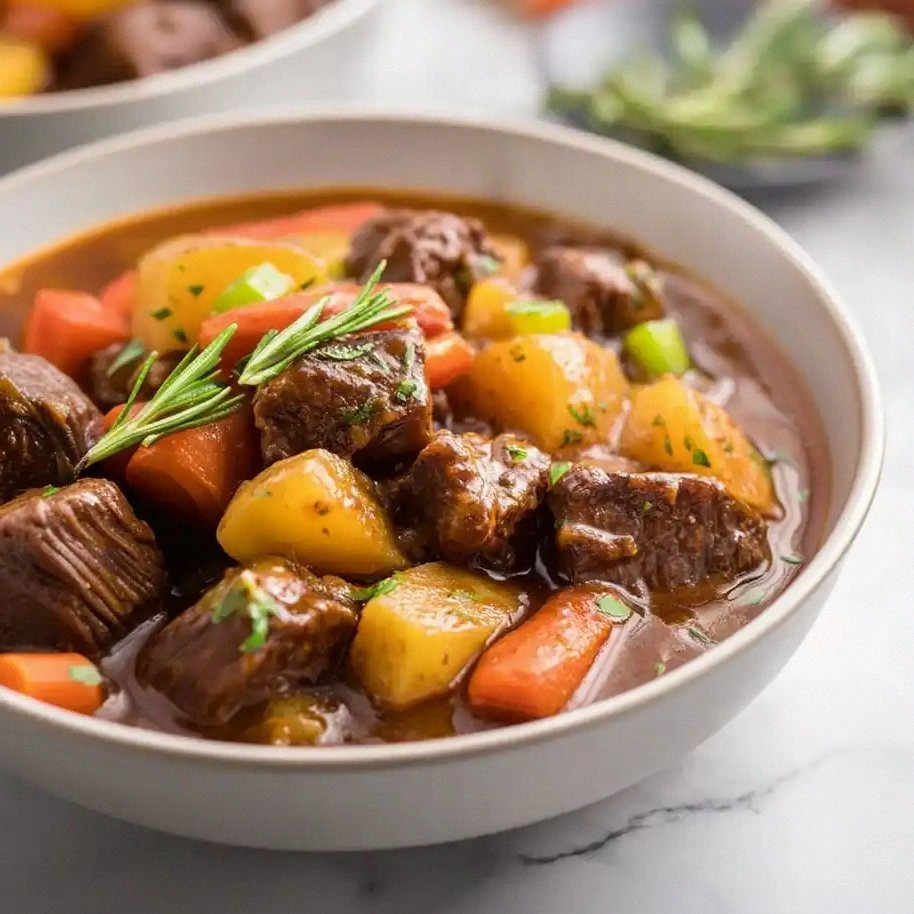
The aroma that fills the kitchen before the first bite is a warm, earthy hug that says, “Come, you’re home.” The sight of browned beef chunks, the glistening carrots, and the soft, steaming potatoes is a visual feast that makes your eyes widen in anticipation. The sound of the broth simmering, the occasional pop of steam, and the crackle of onions caramelizing create a symphony that signals the stew is working its magic. When you finally taste it, the flavors burst like fireworks—savory, slightly sweet, with a hint of acidity from the tomato paste that cuts through the richness of the beef. And the texture? Tender meat, silky broth, and potatoes that practically melt in your mouth.
What sets this version apart is not just the ingredients but the meticulous layering of flavors, the precise timing, and the humble Dutch oven that turns every element into a harmonious whole. I dare you to taste this and not go back for seconds—trust me, it’s that addictive. Most recipes get this completely wrong, but I’ve cracked the code: a simple sear, a slow simmer, and a few secret tweaks that elevate the stew from ordinary to unforgettable. Picture yourself pulling this out of the oven, the whole kitchen smelling incredible, and watching the steam curl like a savory cloud. I’ll be honest—after I made this, I ate half the batch before anyone else got a chance to try it.
Okay, ready for the game‑changer? Let me walk you through every single step. By the end, you’ll wonder how you ever made it any other way. This is hands down the best version you’ll ever make at home, and I’m about to spill every secret that makes it so irresistible.
What Makes This Version Stand Out
- Flavor Depth: The combination of tomato paste, Worcestershire sauce, and a splash of red wine (optional) creates a rich umami base that lingers on the palate.
- Texture Play: Tender chunks of beef meet creamy potatoes and silky broth, giving you a satisfying bite that feels like a hug.
- Time‑Efficient: While it simmers slowly, the prep is minimal—just a few minutes of chopping and searing, and the rest is hands‑off.
- Ingredient Quality: Using a good chuck roast and fresh vegetables means the stew tastes like it was made from scratch, not from a frozen box.
- Make‑Ahead Friendly: The stew keeps well in the fridge for 3 days and freezes beautifully, so you can cook once and enjoy multiple times.
- Crowd‑Pleaser: Whether it’s a family dinner or a potluck, this stew wins hearts with its comforting warmth and robust flavors.
Inside the Ingredient List
The Flavor Base
Olive oil is the silent hero that starts the flavor journey by searing the beef into a caramelized crust. The beef chuck roast, chosen for its marbling, releases fat that enriches the broth and gives the stew a silky mouthfeel. Tomato paste adds depth and a hint of sweetness, while Worcestershire sauce introduces a subtle briny umami that balances the richness. If you skip any of these, the stew becomes flat—think of it as a movie without its soundtrack.
The Texture Crew
Carrots, celery, and onions form the classic mirepoix that forms the aromatic backbone. Their natural sugars caramelize during the searing stage, giving the broth a complex, almost caramel-like sweetness. Potatoes, cut into hearty chunks, absorb the broth’s flavors and soften into a tender, almost puréed consistency that makes the stew feel like a comforting hug. Skipping these vegetables would leave the stew feeling like a lone, lonely beef dish.
The Unexpected Star
Garlic, though small, packs a punch. Its volatile compounds release when sautéed, creating a fragrant foundation that elevates every other ingredient. The bay leaves and fresh thyme contribute subtle herbal notes that linger long after the first spoonful. A pinch of black pepper adds a gentle heat that cuts through the richness without overwhelming the dish.
The Final Flourish
All‑purpose flour is used to thicken the broth into a velvety sauce that clings to the meat and vegetables. The flour also gives the stew a subtle body, preventing it from becoming a thin, watery soup. A final splash of fresh thyme right before serving brightens the dish with a burst of green freshness. If you prefer a thicker stew, add a little extra flour at the end; if you like it thinner, let it simmer longer to evaporate excess liquid.
Everything's prepped? Good. Let’s get into the real action.
The Method — Step by Step
- Prep the Beef: Pat the chuck roast dry with paper towels. Season generously with salt and pepper, letting the flavors penetrate the meat. This step is crucial; a well‑seasoned surface creates a caramelized crust that locks in juices.
- Brown the Meat: Heat the Dutch oven over medium‑high heat. Add the olive oil and swirl to coat. When the oil shimmers, place the beef in a single layer and let it sear without moving it for about 4–5 minutes per side. The sear forms a rich, flavorful base for the stew.
- Deglaze the Pan: Remove the beef and set aside. Pour a splash of beef broth into the hot pot, scraping up any browned bits. Those bits are packed with flavor—don't let them fall to the bottom of the sink.
- Sauté the Vegetables: Add the chopped onion, carrots, and celery. Cook until the onion turns translucent, about 5 minutes. This step builds the aromatic foundation that will carry the stew’s flavor.
- Introduce Garlic and Tomato Paste: Stir in minced garlic and tomato paste, cooking until fragrant and the paste darkens slightly—about 2 minutes. The garlic releases its oils, while the tomato paste brings a subtle sweetness that balances the beef’s richness.
- Build the Broth: Return the browned beef to the pot. Add the remaining beef broth, Worcestershire sauce, bay leaves, and thyme. Bring to a gentle boil, then reduce the heat to low, cover, and let it simmer for 1 hour. The slow simmer allows the beef to become fork‑tender while the flavors meld.
- Add the Potatoes: Stir in the diced potatoes and continue simmering for another 30 minutes, or until the potatoes are tender and the stew has thickened to your liking.
- Thicken the Stew: In a small bowl, whisk the flour with a splash of broth to create a slurry. Slowly pour this into the pot, stirring constantly to avoid lumps. Let the stew simmer for an additional 5 minutes until it reaches a silky consistency.
- Final Touches: Remove bay leaves, taste, and adjust seasoning if needed. If you like a brighter finish, stir in a handful of fresh parsley or a squeeze of lemon juice right before serving. This final step adds a burst of freshness that cuts through the richness.
That’s it—you did it. But hold on, I’ve got a few more tricks that’ll take this to another level.
Insider Tricks for Flawless Results
The Temperature Rule Nobody Follows
Many cooks think a high heat is the secret to a great stew, but the truth is low and slow. Keeping the simmer at just below boiling ensures the beef’s collagen breaks down into gelatin without turning the meat mushy. I’ve seen people accidentally over‑boil and end up with a watery mess—don’t let that be you.
Why Your Nose Knows Best
Trust your nose when the stew is almost done. A rich, deep aroma that smells slightly sweet and savory indicates the flavors are fully developed. If it still smells raw, give it another 10‑15 minutes. Your senses are the ultimate judge.
The 5‑Minute Rest That Changes Everything
After removing the stew from heat, let it sit covered for 5 minutes. This brief rest allows the flavors to settle and the broth to thicken slightly as the residual heat continues to cook the ingredients. It’s a simple trick that elevates the overall mouthfeel.
Avoiding the Sticky Bottom
If you notice the stew sticking to the bottom, stir more frequently during the first hour. A gentle, steady stir prevents the caramelized bits from burning, preserving the depth of flavor and keeping the pot clean.
The Secret to a Creamy Finish
A splash of heavy cream or a dollop of sour cream added at the very end gives the stew a luxurious finish without overpowering the beef. If you’re watching calories, a small amount of Greek yogurt works just as well, adding tanginess and creaminess.
Creative Twists and Variations
This recipe is a playground. Here are some of my favorite ways to switch things up:
Smoky Chipotle Variant
Add a chipotle pepper in adobo sauce to the broth for a smoky heat that pairs beautifully with the beef. The pepper’s earthy undertones deepen the stew’s flavor profile, making it a hit for spice lovers.
Herb‑Infused Mediterranean
Swap bay leaves and thyme for rosemary, oregano, and a handful of chopped fresh parsley. Add a splash of lemon juice at the end for brightness, turning the stew into a Mediterranean‑inspired comfort dish.
Root Vegetable Remix
Replace carrots with parsnips or sweet potatoes for a sweeter, earthier taste. The natural sugars caramelize during the sear, giving the stew a richer, deeper sweetness.
Mushroom Medley
Sauté sliced mushrooms with the onions and carrots before adding the broth. The mushrooms absorb the savory juices, adding a meaty texture that complements the beef.
Vegan Version
Use a hearty plant‑based protein like seitan or tempeh in place of beef. Replace beef broth with vegetable broth, and add a tablespoon of soy sauce to maintain depth. The result is a savory, comforting stew that satisfies even the most loyal carnivores.
Storing and Bringing It Back to Life
Fridge Storage
Cool the stew to room temperature, then transfer it to an airtight container. Store in the fridge for up to 3 days. The gelatin in the broth will keep it thick, and the flavors will only deepen.
Freezer Friendly
Divide the stew into portioned containers and freeze for up to 3 months. Thaw overnight in the fridge before reheating. The stew’s hearty texture holds up well, making it a convenient meal prep option.
Best Reheating Method
Reheat gently on the stovetop over low heat, stirring occasionally. Add a splash of water or broth if the stew has thickened too much. This technique preserves the stew’s silky consistency and prevents it from drying out.