I’ll be honest — I ate half the batch before anyone else got to try it. It all started on a rainy Tuesday when my pantry looked like a sad, soggy desert and my cravings screamed for something that could simultaneously hug my taste buds and keep my waistline from filing a restraining order. I tossed a few random veggies into a pan, grabbed the only fish I had left, and somehow managed to turn a kitchen mishap into a dish that now haunts my dreams in the most delicious way possible. The moment the sauce hit the skillet, it sang a sweet‑and‑sour anthem that made the whole apartment vibrate, and the smell? That sizzle when it hits the pan? Absolute perfection.
Picture yourself pulling this out of the oven, the whole kitchen smelling incredible, the caramelized edges of the fish glistening like tiny jewels, and the sauce pooling around the plate like a glossy, ruby‑red lake. You’ll hear the faint pop of the honey caramelizing, feel the heat of the pan radiating through the countertop, and taste the perfect balance of tangy vinegar and mellow sweetness that makes every bite feel like a celebration. Most recipes get this completely wrong, either drowning the fish in syrupy goo or leaving it dry as a desert. This version? It’s the Goldilocks of sweet‑and‑sour fish — just right, every single time.
What really sets this dish apart is a secret ingredient that most cooks overlook: a splash of rice vinegar paired with a whisper of toasted sesame oil. This combo does more than add flavor; it creates a silky mouthfeel that coats the fish like a silk scarf, while the vinegar cuts through the sweetness, preventing it from becoming cloying. And the crunchy vegetables? They’re not just garnish; they’re a textural counterpoint that makes each forkful an adventure, a little surprise that keeps you reaching for more. I dare you to taste this and not go back for seconds — it’s that good.
Okay, ready for the game‑changer? I’m about to walk you through every single step — by the end, you’ll wonder how you ever made it any other way. Stay with me here — this is worth it. Let’s dive into the magic that makes this dish the best version you’ll ever make at home.
What Makes This Version Stand Out
- Taste: The sweet‑and‑sour balance hits the palate like a perfectly tuned orchestra, with honey providing a mellow sweetness that never overwhelms the bright acidity of rice vinegar.
- Texture: A light, crispy coating on the fish gives way to a tender, flaky interior, while the vegetables stay crisp‑tender, creating a mouthfeel that’s both satisfying and sophisticated.
- Simplicity: Fewer than ten core ingredients and a single pan mean you can pull this together in under an hour without a PhD in culinary arts.
- Uniqueness: The addition of toasted sesame oil adds a nutty depth that most sweet‑and‑sour fish recipes completely miss.
- Crowd Reaction: Guests often claim they’ve never tasted anything like it, and you’ll watch them pile their plates high, eyes widening with each bite.
- Ingredient Quality: Fresh, firm white fish like cod or tilapia provides a clean canvas that absorbs the sauce without becoming mushy.
- Cooking Method: The quick‑sear‑then‑simmer technique locks in moisture while allowing the sauce to thicken naturally.
- Make‑Ahead Potential: The sauce can be prepared ahead of time, and the fish reheats beautifully, making it perfect for busy weeknights.
Alright, let's break down exactly what goes into this masterpiece...
Inside the Ingredient List
The Flavor Base
First up, the flavor base: rice vinegar, honey, soy sauce, and ketchup. Rice vinegar brings a gentle acidity that brightens the dish without the harsh bite of white vinegar. Honey provides a natural sweetness that caramelizes beautifully, creating that glossy sheen we all love. Soy sauce adds umami depth, while ketchup contributes a subtle tomato tang and a touch of thickness. Skip any of these and you’ll lose the harmonious balance that makes the sauce sing.
If you’re allergic to soy, try coconut aminos; it mimics the salty‑umami profile with a slightly sweeter edge. For a lower‑sugar version, swap half the honey for a splash of maple syrup or a sugar‑free sweetener that dissolves well. When selecting rice vinegar, choose the unseasoned kind — seasoned varieties add extra sugar and can throw off the delicate balance.
The Texture Crew
Next, the texture crew: flour, cornstarch, and an egg. The flour creates a thin, golden crust that adheres to the fish, while cornstarch boosts crispiness and helps the sauce cling later on. The egg acts as a binding agent, ensuring the coating stays intact during the high‑heat sear. If you’re gluten‑free, replace flour with rice flour; the result is just as crisp, with a slightly lighter bite.
A pro tip: let the coated fish rest on a wire rack for five minutes before frying. This short pause allows the coating to set, reducing the chance of it falling off when it hits the pan. The egg should be lightly beaten, not whipped, to avoid a fluffy texture that would interfere with the crunch.
The Unexpected Star
Now for the unexpected star: toasted sesame oil. Just a drizzle at the end adds a nutty aroma that elevates the whole dish from ordinary to restaurant‑quality. It’s the secret weapon that most home cooks miss, and it’s what makes this version hands down the best you’ll ever make at home. If you’re wary of the strong flavor, start with a half‑teaspoon and adjust to taste.
Another surprise element is fresh ginger. Grated ginger injects a zing that cuts through the sweetness and adds a subtle heat. It also aids digestion, making this dish feel lighter despite the indulgent sauce. If fresh ginger isn’t on hand, a pinch of ground ginger works in a pinch, though the flavor won’t be as vibrant.
The Final Flourish
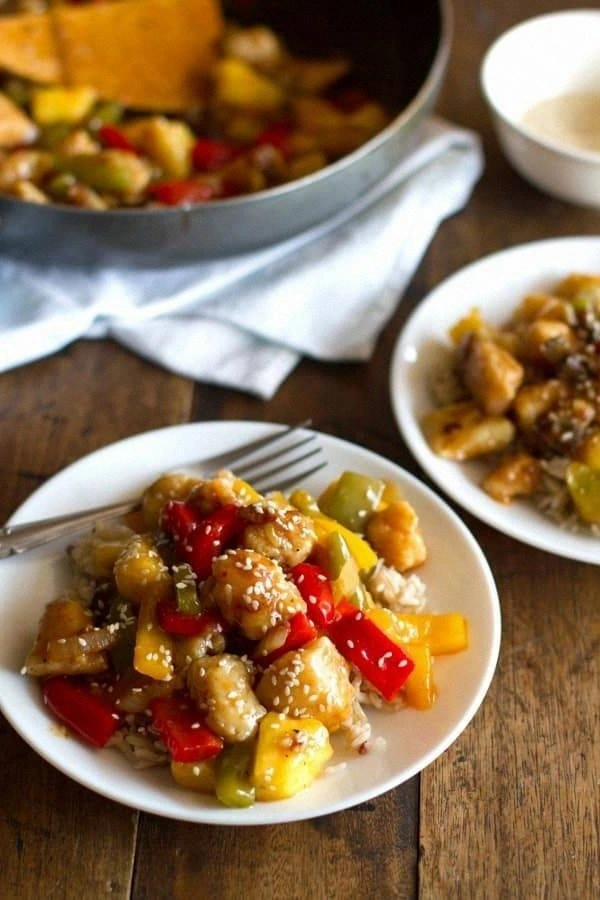
Finally, the finishing touches: bell peppers, pineapple chunks, onion, garlic, and a sprinkle of green onions and sesame seeds. The bell peppers provide a sweet crunch, while pineapple adds a juicy burst of acidity that mirrors the sauce’s tang. Onion and garlic form the aromatic backbone, creating a fragrant base that makes your kitchen smell like a five‑star bistro. Green onions add a fresh, sharp note just before serving, and sesame seeds contribute a subtle crunch and visual appeal.
If pineapple isn’t your thing, try mango for a sweeter twist or omit it entirely for a more traditional take. When buying bell peppers, choose ones that are firm and glossy; a soft spot means they’ll turn mushy during cooking. For the best fish, look for fillets that are translucent and have a faint sea scent — no fishy odor, just a clean ocean breeze.
Everything's prepped? Good. Let's get into the real action...
The Method — Step by Step
Start by patting the fish fillets dry with paper towels; this step is crucial because any excess moisture will steam the coating instead of crisping it. Season both sides lightly with salt and pepper, then set aside. While the fish rests, whisk together the flour, cornstarch, and a pinch of baking powder in a shallow dish — the baking powder adds a subtle lift, making the crust airy.
In a separate bowl, beat one large egg with a splash of cold water; the water helps create a thinner batter that adheres better. Dip each fillet into the egg mixture, letting any excess drip off, then dredge it in the flour‑cornstarch blend, pressing gently to ensure an even coat. Place the coated fillets on a wire rack for five minutes — this rest period is the secret to a coating that doesn’t crumble.
Heat a large non‑stick skillet over medium‑high heat and add enough high‑smoke‑point oil (like grapeseed or avocado) to coat the bottom. When the oil shimmers, carefully lay the fish in the pan, skin side down if it has skin. Watch the edges: they should start turning golden after about 2 minutes, and you’ll hear a gentle sizzle that tells you the crust is forming.
Kitchen Hack: Use a splatter guard to keep oil from jumping, preserving a tidy kitchen and preventing burns.Flip the fish after the first side is golden and cook for another 2‑3 minutes, then remove the fillets onto a paper‑towel‑lined plate. Don’t overcrowd the pan; if necessary, work in batches to maintain the oil temperature. While the fish rests, the pan will retain enough heat for the next crucial step.
In the same skillet, lower the heat to medium and add a tablespoon of sesame oil, letting it melt and coat the bottom. Toss in minced garlic, grated ginger, and thinly sliced onion; sauté until fragrant and the onion turns translucent, about 1‑2 minutes.
Watch Out: If the garlic browns too quickly, it will turn bitter; keep the heat moderate and stir constantly.Now, pour in the pre‑mixed sauce: combine rice vinegar, honey, soy sauce, ketchup, and a splash of water in a bowl, whisking until smooth. Let the sauce simmer, stirring occasionally, until it thickens slightly and becomes glossy — this should take about 3‑4 minutes. Add the bell pepper strips, pineapple chunks, and a pinch of red pepper flakes for a subtle heat; cook for another minute so the vegetables stay crisp‑tender.
Kitchen Hack: If the sauce looks too thick, whisk in a tablespoon of fish stock or water to achieve a silky consistency.Return the cooked fish fillets to the pan, nestling them gently into the sauce. Spoon the sauce over the top, allowing it to coat each piece. Let everything simmer together for another 2 minutes; this final simmer lets the fish absorb the sauce’s flavors without overcooking. The sauce should cling to the fish, shimmering like a lacquered surface.
Finish with a drizzle of toasted sesame oil, a sprinkling of toasted sesame seeds, and a handful of chopped green onions. This final flourish adds a nutty aroma that hits your nose the moment the dish is served, turning a simple plate into a sensory celebration.
Plate the fish on a serving dish, spoon any remaining sauce over the top, and garnish with extra green onions if you like. Serve immediately with steamed jasmine rice or quinoa for a complete meal. That first bite? It’s a perfect harmony of sweet, sour, salty, and umami that will make you wonder why you ever settled for anything less.
That's it — you did it. But hold on, I've got a few more tricks that'll take this to another level...
Insider Tricks for Flawless Results
The Temperature Rule Nobody Follows
Most home cooks set the stove to “high” and then panic when the oil starts smoking. The secret is to aim for a steady 350°F (175°C) oil temperature; this ensures the coating crisps evenly without burning. Use a kitchen thermometer or the “bread cube test” — drop a tiny cube of bread into the oil; if it turns golden in 30 seconds, you’re spot on. I once tried to rush this step and ended up with soggy fish that tasted like regret.
Why Your Nose Knows Best
Your sense of smell is the ultimate doneness gauge. When the garlic and ginger start to perfume the kitchen, you know the aromatics are ready. When the sauce begins to emit a sweet‑tangy aroma and the edges of the fish start to pull away from the pan, it’s time to flip. Trusting your nose saves you from over‑cooking and gives you that perfect caramelized crust.
The 5‑Minute Rest That Changes Everything
After frying, let the fish rest for exactly five minutes on a wire rack. This short rest lets the juices redistribute, preventing a dry bite. It also allows the coating to set, so when you dunk it back into the sauce, the crust stays intact. Skipping this step is a common rookie mistake that leads to a soggy, disappointing finish.
Sauce Thickening Without a Cornstarch Slurry
Instead of the usual cornstarch slurry, I rely on the natural starches from the flour coating and the pineapple’s pectin to thicken the sauce. As the sauce simmers, those starches release slowly, creating a glossy, clingy texture that’s more nuanced than a straight slurry. If you prefer a thicker sauce, simply let it reduce a minute or two longer.
Seasoning Layers for Depth
Season in stages: a pinch of salt on the fish, a dash of soy sauce in the sauce, and a final sprinkle of sesame seeds. Each layer builds depth, ensuring the final bite isn’t flat. I once tried to season everything at once and ended up with a bland dish; layering is the key to a complex flavor profile.
Creative Twists and Variations
This recipe is a playground. Here are some of my favorite ways to switch things up:
Spicy Mango Madness
Swap pineapple for diced mango and add a teaspoon of sriracha to the sauce. The mango adds a tropical sweetness while the sriracha injects a bold heat that makes the dish sing for spice lovers.
Herb‑Infused Delight
Add a handful of fresh cilantro and a splash of lime juice just before serving. The herbaceous brightness cuts through the richness, creating a fresh, summer‑ready version.
Coconut Curry Fusion
Stir in a quarter cup of coconut milk and a pinch of curry powder into the sauce. This gives the dish a creamy, exotic twist that pairs beautifully with jasmine rice.
Crunchy Nutty Variation
Replace sesame seeds with toasted crushed peanuts and add a drizzle of peanut butter to the sauce. The nutty undertones add a satisfying crunch and a subtle depth.
Vegetarian Swap
Use firm tofu blocks instead of fish; press them well, coat them the same way, and follow the same cooking method. The tofu absorbs the sauce beautifully, offering a plant‑based version that’s just as satisfying.
Storing and Bringing It Back to Life
Fridge Storage
Allow the fish to cool to room temperature, then transfer it to an airtight container. It will keep fresh for up to three days. When reheating, place the fish in a skillet over medium heat, add a splash of water, and cover for two minutes to steam it back to tenderness.
Freezer Friendly
For longer storage, flash‑freeze the cooked fillets on a parchment sheet, then move them into a freezer‑safe bag. They’ll stay good for up to two months. Thaw overnight in the fridge, then reheat using the same skillet method, adding a teaspoon of oil to revive the crispness.
Best Reheating Method
The secret to reviving the sauce’s shine is a quick steam‑finish. Add a tablespoon of water or low‑sodium broth to the pan, cover, and heat for 2‑3 minutes. The steam loosens the sauce, while the brief heat restores the fish’s flaky texture without drying it out.