I remember the night the kitchen turned into a smoky battlefield. I was trying to impress my friends with a “simple” steak, but the grill was a beast, and the meat came out as dry as the desert. I stared at the charred surface, feeling the sting of disappointment. That moment was the spark that turned a culinary mishap into the ultimate Grilled Tuscan Steak recipe. From that night, I vowed to never let a steak fall flat again.
Picture the scene: the grill’s flames licking the air, the scent of rosemary and garlic sizzling, the sound of a steak searing that crackles like a campfire. Your eyes lock onto the meat’s glossy surface, the marbling hinting at a melt‑in‑your‑mouth promise. The first bite sends a rush of smoky char, a burst of herbaceous aroma, and the tender, buttery texture that feels like velvet against your palate. It’s an orchestra of senses, each note building toward pure satisfaction.
What sets this version apart is that it’s not just another grilled steak recipe. It’s a carefully orchestrated dance of flavor and technique that turns a simple cut of meat into a culinary masterpiece. I’ve distilled years of grilling experience into a single, foolproof method that guarantees juicy, flavorful results every time. I dare you to taste this and not go back for seconds.
I’ve added a twist you won’t see in most Tuscan steak guides: a red‑wine reduction that coats the steak like a silky blanket, adding depth and a touch of elegance. This sauce isn’t just a garnish; it’s a companion that elevates the entire dish. Imagine the aroma of simmering wine, butter, and fresh herbs filling your kitchen—your senses will be in a trance. By the end, you’ll wonder how you ever made steak any other way.
What Makes This Version Stand Out
The recipe’s brilliance lies in a few key choices that elevate it from ordinary to unforgettable. Each element is carefully selected for maximum impact.
- Ingredient Quality: Using prime sirloin or ribeye ensures a buttery texture that melts in your mouth. The meat’s natural fat content provides a rich, savory base that supports the sauce.
- Herb Synergy: A blend of fresh rosemary, thyme, and garlic creates an aromatic profile that’s unmistakably Tuscan. The herbs are added at the right time to release their flavors without burning.
- Red‑Wine Reduction: The sauce reduces to a glossy, velvety glaze that clings to the steak, balancing the richness with acidity and depth.
- Seared Perfection: The grill technique locks in juices while creating a caramelized crust that adds texture and visual appeal.
- Make‑Ahead Friendly: The steak can be marinated up to 24 hours, and the sauce can be prepared in advance, making it ideal for busy evenings.
- Crowd‑Pleaser: The dish’s robust flavor profile and elegant presentation make it a hit at dinner parties and casual gatherings alike.
- Balanced Nutrition: Despite its indulgent feel, the steak provides a solid protein source and the sauce adds a modest amount of healthy fats.
- Simple Prep: No complicated steps—just season, grill, and sauce. The recipe keeps the focus on the steak’s natural flavor.
Alright, let’s break down exactly what goes into this masterpiece…
Inside the Ingredient List
Let’s dissect the components that make this dish sing. Each ingredient has a purpose, and skipping one changes the whole experience.
The Flavor Base
The steak itself is the star. A 6‑ounce sirloin or ribeye offers a balance of fat and lean that melts in your mouth. The meat’s marbling acts as a natural butter, creating a silky mouthfeel. If you choose a leaner cut, the sauce will need to compensate for the lack of fat, or you’ll risk a dry outcome.
The Herb Ensemble
Fresh rosemary, thyme, and minced garlic form the aromatic backbone. Rosemary’s piney note cuts through the richness, while thyme adds earthiness. Garlic brings a punch of savory depth. Together they create an herbal bouquet that’s unmistakably Tuscan. If you’re out of fresh herbs, dried ones can work, but use half the amount to avoid overpowering the dish.
The Sauce Star
A reduction of red wine, butter, and a touch of lemon zest forms the sauce. The wine’s acidity balances the steak’s fat, while butter gives the glaze a luxurious sheen. Lemon zest adds brightness, preventing the sauce from feeling heavy. If you can’t find red wine, a splash of balsamic vinegar plus a dash of sugar can mimic the same sweet‑tart profile.
The Final Flourish
A drizzle of high‑quality olive oil at the finish adds a silky finish and helps the sauce adhere to the steak. A pinch of sea salt brightens flavors, and freshly cracked black pepper provides a subtle heat. These finishing touches elevate the dish from good to unforgettable. Don’t skip them; they’re the finishing brushstroke.
Everything's prepped? Good. Let's get into the real action…
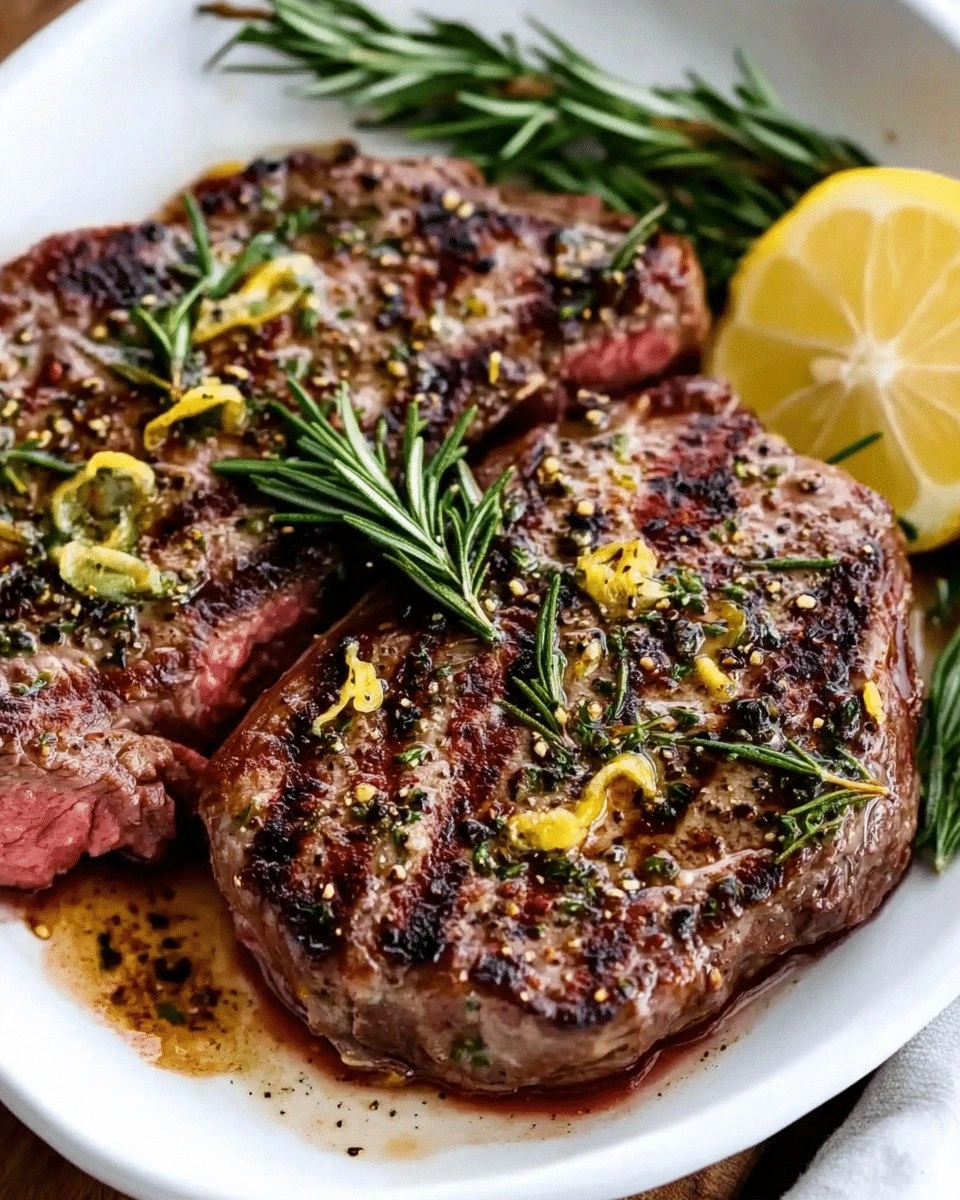
The Method — Step by Step
- Prep the Steak: Pat the steaks dry with paper towels. This step is critical; moisture on the surface prevents a proper sear. Season both sides generously with salt and black pepper. Let the steaks sit at room temperature for 20 minutes to ensure even cooking.
- Heat the Grill: Preheat your grill to high heat, aiming for a surface temperature of 450°F (232°C). Clean the grates and oil them lightly to prevent sticking. A hot grill is the secret to a beautiful crust; a cooler grill will steam the steak instead.
- Seal the Steak: Place the steaks on the grill. Let them sear without moving for 2–3 minutes. You’ll hear a satisfying sizzle that signals the Maillard reaction is underway. Flip once the first side has a deep, caramelized crust.
- Finish the Sear: Grill the second side for 2–3 minutes. If you prefer medium‑rare, aim for an internal temperature of 130°F (54°C). Use a meat thermometer to avoid guessing; it’s the most reliable way to get the exact doneness.
- Rest the Meat: Remove the steaks from the grill and tent loosely with foil. Let them rest for 5 minutes. Resting allows juices to redistribute, ensuring every bite stays moist and flavorful.
- Create the Red‑Wine Reduction: In a small saucepan, pour 1 cup of red wine and bring it to a gentle simmer. Let it reduce by half, which takes about 10 minutes. The reduction should thicken to a syrupy consistency. Add a tablespoon of butter and whisk until the sauce is glossy.
- Plate and Serve: Slice the steak against the grain into 1/2‑inch thick slices. Drizzle the red‑wine reduction over the slices and sprinkle with fresh herbs. Serve immediately while the steak is still warm, and enjoy the burst of smoky, herbal, and buttery flavors.
That’s it — you did it. But hold on, I’ve got a few more tricks that’ll take this to another level…
Insider Tricks for Flawless Results
The Temperature Rule Nobody Follows
Many chefs assume that a higher grill temperature always yields a better crust, but it can also scorch the exterior while leaving the interior undercooked. The sweet spot is a steady 450°F (232°C). Use a grill thermometer to maintain this heat. If you’re using a charcoal grill, allow the coals to settle into a hot, even bed before placing the steak.
Why Your Nose Knows Best
Before you flip the steak, listen for the sound of the crust releasing. A gentle, steady crackle indicates the Maillard reaction is complete. If the steak sounds like it's still searing, give it a bit more time. Trusting your senses will save you from over‑cooking.
The 5‑Minute Rest That Changes Everything
Resting the steak isn’t just a courtesy; it’s a science. During the rest period, the juices redistribute, preventing them from spilling out when you cut. If you cut immediately, the meat will exude liquid, leaving you with a dry steak. Keep the steak tented loosely with foil to retain heat while resting.
The Sauce’s Secret Ingredient
Adding a teaspoon of butter at the end of the reduction creates a silky sheen and a richer mouthfeel. Butter’s emulsifying properties bind the sauce, making it cling to the steak. Skip it, and you’ll end up with a thin, watery glaze.
The Herb Timing Trick
Add the fresh herbs to the steak during the final minute of grilling. This timing releases their oils without burning them. Burning herbs produce a bitter flavor that ruins the dish’s delicate balance. Keep the herbs on the grill just long enough to toast lightly.
Creative Twists and Variations
This recipe is a playground. Here are some of my favorite ways to switch things up:
Mediterranean Marinade
Swap olive oil for a blend of olive oil and lemon juice, and add capers to the sauce. The citrus brightens the flavor, while capers introduce a briny pop that pairs beautifully with the steak’s richness.
Spicy Sriracha Glaze
Incorporate a tablespoon of sriracha into the wine reduction for a fiery kick. The heat balances the buttery sauce, creating a complex flavor profile that’s both bold and elegant.
Herb‑Infused Butter
Melt butter with minced garlic, rosemary, and thyme. Brush this herb butter over the steak while it rests. The infused butter adds a fragrant finish that elevates the dish.
Wine‑Cured Steak
Marinate the steak overnight in a mixture of red wine, garlic, rosemary, and a splash of balsamic vinegar. The wine tenderizes the meat and imparts a deep, savory flavor that’s perfect for a Sunday dinner.
Grilled Steak Salad
Slice the steak thin and serve over a bed of arugula, cherry tomatoes, and shaved Parmesan. Drizzle with the red‑wine reduction and finish with a sprinkle of pine nuts. It’s a lighter, yet equally satisfying, take on the classic.
Storing and Bringing It Back to Life
Fridge Storage
Store cooked steak in an airtight container for up to 3 days. Keep the sauce separate in a small container to prevent the meat from becoming soggy. When reheating, gently warm the steak in a skillet over low heat, adding a splash of water to keep it moist.
Freezer Friendly
Wrap the steak tightly in plastic wrap and place it in a freezer bag. Freeze for up to 2 months. Thaw overnight in the refrigerator before reheating. Reheat in a skillet, adding a tablespoon of butter to revive the sauce’s silky texture.
Best Reheating Method
The key to reheating is gentle heat. Place the steak on a hot skillet and sear each side for 30 seconds. Finish with a splash of the original sauce to restore moisture and flavor. The result will taste as fresh as the first time.