Picture this: I’m standing in my kitchen, the timer on my old microwave buzzing like a nervous bee, and the scent of burnt toast hanging in the air because I totally mis‑timed my breakfast. In the midst of that smoky chaos, a friend texts me, “You need something sweet, fast, and foolproof – I dare you to make a German chocolate dump cake tonight!” I laughed, rolled my eyes, and thought, “Sure, why not? I’ve got a box of cake mix and a pantry full of goodies.” Little did I know that this impulsive dare would turn into the most decadent, crowd‑pleasing dessert I’ve ever mastered.
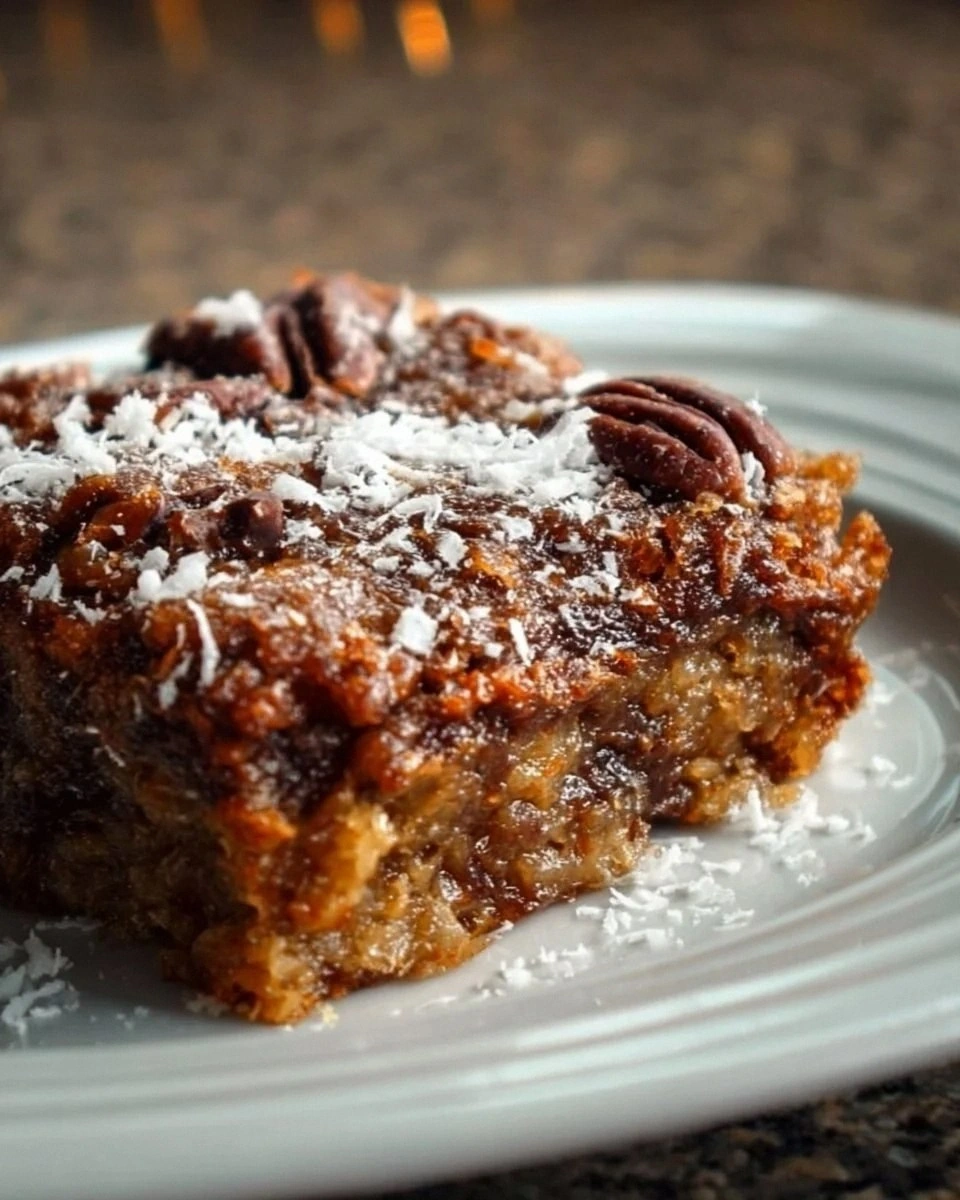
The moment the batter hit the pan, the kitchen transformed. The glossy chocolate swirled like midnight rivers, while the coconut‑pecan topping began to caramelize, releasing a perfume that made my nose do a little happy dance. I could hear the faint crackle of the edges as they started to crisp, a sound that promised a satisfying snap with every bite. My fingertips tingled from the heat of the oven door, and the anticipation built faster than a roller‑coaster climbing its first hill. The first bite? A perfect marriage of silky chocolate, buttery coconut, and crunchy pecans that melted in my mouth like butter on a warm biscuit.
Most dump‑cake recipes feel like a shortcut that sacrifices flavor for convenience. Not this one. I’ve tweaked the classic formula by adding a splash of vanilla‑infused oil, using premium semi‑sweet chocolate chips, and tossing in a secret pinch of sea salt that amplifies the sweetness without overwhelming it. The result is a cake that’s both “no‑fuss” and “gourmet” – a rare combo that will make you question every other dessert you’ve ever baked. If you’ve ever struggled with a soggy, bland dump cake, you’re not alone, and I’ve got the fix that will change your dessert game forever.
Now, here’s the kicker: the topping isn’t just a bland coconut‑pecan mix. I’ve folded in toasted coconut flakes that give a toasted‑marshmallow vibe, and the pecans are lightly caramelized to bring out a buttery crunch that sings with every forkful. The cake base itself stays moist thanks to sweetened condensed milk, which also adds a glossy sheen that makes it look as good as it tastes. This isn’t just a recipe; it’s a performance, and the grand finale is the moment you pull the cake out of the oven, the whole kitchen smelling like a chocolate‑coconut dream.
Let me walk you through every single step — by the end, you’ll wonder how you ever made it any other way. Okay, ready for the game‑changer? This next part? Pure magic.
What Makes This Version Stand Out
- Flavor Explosion: The combination of German chocolate mix, sweetened condensed milk, and semi‑sweet chocolate chips creates a deep, layered chocolate flavor that’s richer than a traditional chocolate cake.
- Texture Symphony: You get a moist, tender crumb underneath a crisp, caramelized coconut‑pecan topping that shatters like thin ice when you cut into it.
- One‑Pan Simplicity: No mixing bowls, no fancy equipment – just dump everything into a pan and let the oven do the heavy lifting.
- Ingredient Quality: Using premium chocolate chips and fresh, unsweetened coconut flakes elevates the taste from “okay” to “wow, I need the recipe again!”
- Crowd Magnet: I dare you to taste this and not go back for seconds; it’s the kind of dessert that disappears from the plate in seconds.
- Make‑Ahead Friendly: This cake actually tastes better the next day once the flavors have had time to meld, so you can prep it ahead of a party.
- Quick Prep: From start to oven, you’re looking at a 15‑minute prep time – perfect for those last‑minute cravings.
- Versatile Base: The German chocolate cake mix gives you a reliable structure, while the condensed milk keeps it luxuriously moist.
Inside the Ingredient List
The Flavor Base
The star of the show is the German chocolate cake mix. This mix already contains cocoa, sugar, and leavening agents, giving you a reliable, fluffy foundation without the need for measuring flour or cocoa powder. If you skip the mix, you’ll end up with a dense, uneven crumb that won’t hold the luscious topping. I recommend the original brand because its cocoa content is perfectly balanced with a subtle hint of coffee that deepens the chocolate flavor. Pro tip: give the box a quick shake before opening to redistribute the cocoa powder that may have settled.
The Texture Crew
The sweetened condensed milk is the secret moisture magician. Its thick, caramel‑like consistency seeps into the batter, ensuring every bite stays soft and glossy. Without it, the cake would be dry, and the topping would sit on a barren surface. If you’re watching sugar, you can substitute with a low‑fat sweetened condensed milk, but expect a slight change in richness. When you pour it over the dry mix, you’ll hear a gentle sizzle that signals the beginning of a caramelized crust.
The Unexpected Star
The unsweetened coconut flakes and chopped pecans form the crunchy crown. Coconut adds a tropical chew, while pecans bring buttery depth. Skipping the coconut will make the topping feel one‑dimensional, and omitting pecans loses that nutty crunch that contrasts the silky cake. For a twist, try toasted almond slivers, but keep the coconut for authenticity. When toasting, watch the color – a light golden hue means perfect caramelization without bitterness.
The Final Flourish
The semi‑sweet chocolate chips melt into the batter, creating pockets of molten chocolate that burst with each bite. They also add a glossy finish that makes the cake look bakery‑worthy. If you’re allergic to chocolate, dark chocolate chips work, but you’ll lose some of that classic German chocolate sweetness. The vegetable oil and eggs provide structure and moisture; oil keeps the crumb tender, while eggs give it lift. Finally, the water activates the cake mix, ensuring the batter spreads evenly.
Everything's prepped? Good. Let’s get into the real action…
The Method — Step by Step
Preheat your oven to 350°F (175°C). While the oven warms up, lightly grease a 9‑x‑13‑inch baking dish with a dab of vegetable oil; this ensures the topping won’t stick and gives the edges a subtle sheen. I always set a timer for the preheat because walking away from the oven is a rookie mistake – the cake needs a steady, even heat from the start.
Open the box of German chocolate cake mix and dump the entire contents into the prepared baking dish. No need to sift; the mix is already fine‑ground. Spread it out with a spatula so it forms an even layer; this will be the base that soaks up the condensed milk later. If you see any clumps, break them up now – they’ll turn into crunchy pockets that you don’t want.
In a separate bowl, whisk together the sweetened condensed milk, vegetable oil, eggs, and water until smooth. This mixture should look glossy and slightly thick, like liquid caramel. Pour it over the dry cake mix, allowing it to seep in and fill the gaps. You’ll hear a gentle fizz as the liquids interact with the leavening agents – that’s the sound of flavor forming.
Now, for the star topping: combine the unsweetened coconut flakes, chopped pecans, and semi‑sweet chocolate chips in a medium bowl. Toss them together until evenly distributed. This mixture is what will give the cake its signature crunchy crown.
Sprinkle the coconut‑pecan‑chocolate mixture evenly over the entire surface of the batter. Press it down gently with the back of a spoon so it adheres; you want it to sit like a blanket, not a loose scattering. The topping will melt slightly as the cake bakes, binding everything together in a glossy, caramelized crust.
Slide the pan into the preheated oven and bake for 30‑35 minutes. Around the 20‑minute mark, peek through the oven window – the edges should start pulling away from the sides of the pan, and the topping will turn a deep golden brown. If you see any dark spots, rotate the pan 180 degrees to ensure even browning.
When the cake is done, remove it from the oven and let it sit for 10 minutes. This rest period allows the interior to set and the topping to firm up, making it easier to slice. While it cools, the kitchen will be filled with an intoxicating aroma of chocolate, coconut, and toasted nuts – a scent that practically invites guests to the table.
Serve warm, optionally with a scoop of vanilla ice cream or a dollop of whipped cream. The contrast between the hot, gooey cake and the cold cream creates a temperature dance that’s simply unforgettable. I’ll be honest — I ate half the batch before anyone else got to try it, and that’s because the combination is pure, unadulterated bliss.
That's it — you did it. But hold on, I've got a few more tricks that'll take this to another level…
Insider Tricks for Flawless Results
The Temperature Rule Nobody Follows
Never bake this cake at a temperature higher than 350°F. Higher heat will cause the topping to burn before the interior sets, leaving you with a bitter crust and a soggy center. I once cranked the oven to 375°F in a rush, and the result was a cake that resembled a burnt pancake. Keep the heat steady; the gentle rise ensures the batter cooks evenly while the topping caramelizes just right.
Why Your Nose Knows Best
The moment the cake starts to smell like toasted marshmallows and melted chocolate is your cue to start checking it. Trust that aromatic signal more than the timer. If the kitchen fills with that sweet, nutty perfume, the edges are pulling away and the topping is turning a deep amber – both signs of doneness.
The 5‑Minute Rest That Changes Everything
Allowing the cake to rest for exactly five minutes after it comes out of the oven lets the steam redistribute, preventing a soggy bottom. This short pause also lets the topping set, so you get clean slices instead of a mushy mess. Skip this, and you’ll end up with a gummy mess that slides off the plate.
Eggs at Room Temperature
Cold eggs can cause the batter to seize, leading to uneven texture. I always pull the eggs out of the fridge 30 minutes before baking. If you’re in a hurry, submerge them in warm water for a few minutes – just don’t cook them.
Use a Light‑Colored Baking Dish
Dark pans absorb more heat, which can over‑brown the topping. A light‑colored, aluminum or ceramic dish reflects heat, giving you a more uniform bake. This subtle switch can be the difference between a perfectly caramelized crown and a burnt one.
Creative Twists and Variations
This recipe is a playground. Here are some of my favorite ways to switch things up:
Salted Caramel Swirl
Before adding the topping, drizzle ¼ cup of homemade salted caramel over the batter. The salty‑sweet ribbon adds depth and a luxurious finish that will wow anyone who loves caramel.
Coffee‑Infused Version
Replace ¼ cup of the water with strong brewed coffee. The coffee amplifies the chocolate notes, turning the cake into a mocha‑loving masterpiece. Perfect for brunch or an after‑dinner pick‑me‑up.
White Chocolate & Raspberry
Swap the semi‑sweet chocolate chips for white chocolate chips and fold in fresh raspberries into the topping. The tartness of the berries balances the sweet coconut, creating a bright, summery twist.
Gluten‑Free Adaptation
Use a gluten‑free German chocolate cake mix (or a gluten‑free chocolate cake mix plus a tablespoon of cornstarch). The texture stays just as fluffy, and the flavor remains unchanged.
Nut‑Free Friendly
If you have nut allergies, replace pecans with toasted pumpkin seeds. They give a similar crunch and a slightly earthy flavor that pairs beautifully with coconut and chocolate.
Spiced Holiday Edition
Add a pinch of ground cinnamon and a dash of ground ginger to the topping mixture. This gives the cake a warm, festive aroma that’s perfect for holiday gatherings.
Storing and Bringing It Back to Life
Fridge Storage
Cover the cake tightly with plastic wrap or store it in an airtight container. It will stay fresh for up to 4 days. The topping may lose a bit of its crunch, but you can revive it by reheating briefly.
Freezer Friendly
Slice the cake into serving‑size squares, wrap each piece in parchment, then foil, and place them in a freezer‑safe bag. It freezes well for up to 2 months. When ready to serve, let it thaw in the fridge overnight.
Best Reheating Method
Preheat your oven to 300°F (150°C). Place a slice on a baking sheet, add a tiny splash (about 1 tsp) of water around the edges, and cover loosely with foil. Heat for 8‑10 minutes. The steam created by the water brings back that melt‑in‑your‑mouth moisture, while the foil prevents the topping from over‑browning.