I was halfway through a disastrous attempt to resurrect a soggy, overcooked steak dinner when a sudden craving hit me like a lightning bolt: I needed something that could turn a kitchen mess into a Michelin‑level masterpiece in under an hour. The room smelled of burnt onions and burnt butter, and the stove was a hotbed of chaos. I stared at the ruined skillet, the steak cubes browned to a sad brown, and thought, “I could have done better.” That moment sparked the creation of this dish—Garlic Butter Steak Rigatoni – the kind of recipe that turns a culinary flop into a crowd‑pleasing triumph.
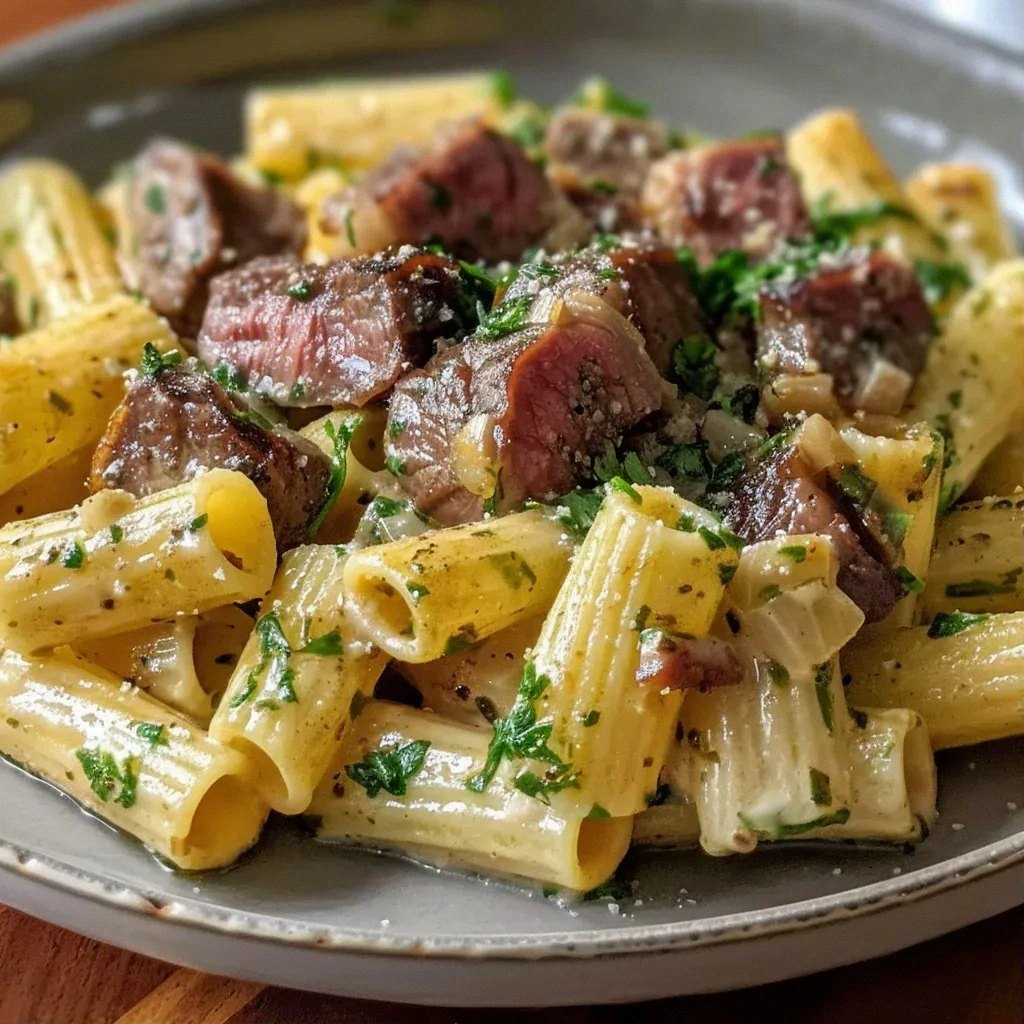
Picture the sizzle as the steak hits the pan, the sound of the meat searing like a drumbeat in a jazz club. The air fills with the sharp, garlicky aroma that makes you feel like you’re standing in a rustic Italian kitchen. The texture of the rigatoni is a perfect canvas, its ridges catching the buttery sauce like a sponge. Each bite is a symphony of creamy, garlicky, savory flavors that coat your tongue in a velvety hug. The heat of the pan, the warmth of the butter, and the subtle crunch of the steak edges create a sensory experience that’s almost cinematic.
What makes this version stand out from every other recipe you’ve tried? It’s the combination of simplicity and depth that feels like a secret family recipe passed down through generations. The use of heavy cream and Parmesan creates a silky sauce that clings to the rigatoni without overpowering the steak’s natural flavor. The careful searing technique locks in juices, giving the meat a caramelized crust that shatters like thin ice when you bite into it. The final touch of fresh parsley adds a pop of color and a bright, herbaceous finish that cuts through the richness. It’s a dish that feels indulgent yet approachable, and it’s hands down the best version you’ll ever make at home.
I dare you to taste this and not go back for seconds, because the first bite will have you shouting, “This is amazing!” The secret? A simple technique that most recipes get wrong. Picture yourself pulling this out of the pan, the whole kitchen smelling incredible, and your guests lining up for the next plate. Let me walk you through every single step — by the end, you’ll wonder how you ever made it any other way.
What Makes This Version Stand Out
- Flavor: The blend of garlic, butter, and heavy cream creates a sauce that coats the pasta like velvet, delivering a rich, savory depth that’s hard to resist.
- Texture: The steak’s caramelized edges provide a satisfying crunch, while the rigatoni’s ridges trap the sauce for a burst of flavor in every bite.
- Speed: You can have a restaurant‑quality dinner ready in just 45 minutes, making it perfect for busy weeknights.
- Versatility: Swap the steak for chicken or pork, or use whole‑wheat rigatoni for a healthier twist without compromising taste.
- Crowd‑pleaser: Even the pickiest eaters will love the buttery, garlicky sauce and succulent steak.
- Ingredient Quality: Using high‑quality steak and freshly grated Parmesan elevates the dish beyond the ordinary.
- Make‑Ahead Potential: The dish can be prepared ahead of time and reheated without losing its creamy texture.
- Presentation: The golden-brown steak cubes and glossy sauce make for a dish that looks as good as it tastes.
Alright, let's break down exactly what goes into this masterpiece…
Inside the Ingredient List
The Flavor Base
Garlic is the unsung hero here. The 4 minced cloves infuse the butter with a punch of aromatics that permeate every bite. If you skip garlic, the dish loses its signature kick and feels flat. For a milder flavor, try roasting the cloves first; they’ll bring a subtle sweetness instead of sharpness. When selecting garlic, choose bulbs with firm cloves and no green shoots—they’re fresher and less bitter.
The Texture Crew
Rigatoni’s tubular shape is a game changer. The ridges capture the sauce, while the hollow center holds the steak cubes. If you use a different pasta, like penne or fusilli, the sauce will spread differently, altering the bite experience. The steak’s 1‑lb cubes should be cut to a uniform size to ensure even cooking. A good rule of thumb: aim for 1‑inch cubes; they cook quickly and stay juicy.
The Unexpected Star
Heavy cream is the secret sauce that turns this dish into a creamy, indulgent delight. It balances the richness of the butter and the saltiness of the Parmesan. If you’re watching calories, substitute half‑fat or coconut milk; the flavor profile will shift slightly but still be delicious. The key is to add the cream after the steak is browned, allowing it to reduce into a silky coating.
The Final Flourish
Fresh parsley isn’t just a garnish; it adds a burst of green that cuts through the richness. A pinch of freshly cracked black pepper brightens the dish without overpowering the buttery sauce. Salt should be added to taste, but remember that Parmesan contributes a lot of saltiness. If you’re using pre‑grated cheese, check the sodium content; it can affect the final flavor.
Everything's prepped? Good. Let's get into the real action…
The Method — Step by Step
- Prep the steak. Pat the steak cubes dry with paper towels to ensure a crisp sear. Season each cube with salt and pepper, letting the seasoning sit for a minute. This step locks in flavor and prevents a soggy exterior. I always let the cubes rest for 10 minutes; it makes a noticeable difference in texture.
- Heat the skillet. Place a cast‑iron skillet over medium‑high heat and let it get hot—about 2 minutes. Add the olive oil, swirling to coat the bottom. When the oil shimmers, it’s time to introduce the steak. Watch the sizzle; that sound is the promise of a caramelized crust.
- Sear the steak. Add the steak cubes in a single layer, not overcrowding the pan. Let them sear without moving for 2 minutes, then flip them. This creates a golden‑brown exterior while keeping the inside juicy. If you hear a crackle, you’re on the right track.
- Remove the steak. Once seared, transfer the steak to a plate and tent with foil. This prevents it from drying out while you make the sauce. The steak will continue to cook in the residual heat, so don’t overcook it here.
- Cook the garlic. In the same pan, reduce heat to medium and add the butter. As it melts, toss in the minced garlic. Sauté for 30 seconds until fragrant, but be careful not to burn it—garlic burns fast and turns bitter. This step creates a fragrant base for the sauce.
- Add the cream. Pour in the heavy cream, stirring to combine with the butter and garlic. Bring to a gentle simmer; the sauce should thicken slightly. Let it cook for 3–4 minutes, allowing the flavors to meld. The aroma will fill the kitchen, making your mouth water in anticipation.
- Return the steak. Toss the seared steak back into the pan, letting it soak in the sauce for 1 minute. This step rehydrates the steak and infuses it with the buttery, garlicky goodness. If you want extra tenderness, add a splash of beef broth at this point.
- Cook the rigatoni. Meanwhile, bring a large pot of salted water to a rolling boil. Add the rigatoni and cook until al dente, about 9–11 minutes. Reserve a cup of pasta water before draining; it’s the key to adjusting sauce consistency later.
- Combine pasta and sauce. Add the drained rigatoni to the skillet with the steak and sauce. Toss gently, adding reserved pasta water a splash at a time until the pasta is glossy and coated. Sprinkle in the Parmesan and stir until it melts into the sauce, creating a silky coating on every noodle.
- Finish and serve. Sprinkle chopped parsley over the top for a fresh burst of color. Taste and adjust seasoning if needed. Plate immediately while hot, and watch the steam rise like a fragrant cloud. Serve with a side of crusty bread to mop up the sauce—trust me, it’s a game‑changer.
That’s it — you did it. But hold on, I've got a few more tricks that'll take this to another level.
Insider Tricks for Flawless Results
The Temperature Rule Nobody Follows
The secret to a perfect sear is to let the pan reach the right temperature before adding the steak. A quick test is to flick a few drops of water into the pan; if they dance and evaporate instantly, the heat is ideal. If the pan is too hot, the steak will char; too cool, and it will steam. This simple check saves you from a soggy mess and ensures a caramelized crust every time.
Why Your Nose Knows Best
Trust your nose when you’re cooking. If the butter starts to brown, it’s time to lower the heat. The aroma of browned butter is the hallmark of depth. When you add the garlic, watch for that sweet, nutty scent; if it turns to a sharp, burnt smell, pull the pan off the heat immediately. Your sense of smell is your best ally in achieving the perfect sauce.
The 5‑Minute Rest That Changes Everything
After searing, let the steak rest on a plate for 5 minutes before adding it back to the pan. This brief rest allows the juices to redistribute, resulting in a moist, tender bite. I once rushed the steak back into the sauce, and it came out dry. Resting is a small step that makes a huge difference.
Keep the Pasta Al Dente
Rigatoni should be cooked al dente so it can absorb the sauce without becoming mushy. Overcooked pasta will absorb too much liquid and lose its bite. Use a timer and test the pasta a minute before the package instructions finish. A firm bite is essential for the dish’s texture balance.
Reserve Pasta Water for a Smooth Finish
The starchy pasta water is your secret weapon for adjusting sauce consistency. Add it gradually while tossing the pasta, and you’ll achieve a silky, clingy coating. If the sauce is too thick, a splash of water will loosen it without diluting flavor. Keep a ladle handy; you’ll be tempted to add more.
Creative Twists and Variations
This recipe is a playground. Here are some of my favorite ways to switch things up:
Spinach & Mushroom Fusion
Add a handful of fresh spinach and sliced mushrooms to the pan after the steak. The earthy flavors complement the garlicky sauce, and the spinach’s moisture adds a subtle green note. This version is perfect for a lighter, veggie‑rich dinner.
Pesto‑Infused Surprise
Stir in a couple of tablespoons of basil pesto when you add the cream. The pesto’s bright herbal flavor adds a new dimension, while the Parmesan still provides depth. This twist is ideal for guests who love a burst of fresh flavor.
Red Pepper Heat
Include a pinch of red pepper flakes with the garlic. The heat will contrast nicely with the creamy sauce and give the dish an extra kick. It’s a great way to spice up a classic dinner for adventurous palates.
Lemon‑Zest Finish
Finish the dish with a squeeze of fresh lemon juice and a sprinkle of zest. The citrus brightens the richness and adds a bright, tangy finish that cuts through the buttery sauce. It’s a simple addition that transforms the flavor profile.
Smoked Salmon Upgrade
Replace the steak with smoked salmon for a pescatarian version. The salmon’s smoky depth pairs beautifully with the creamy sauce, and the rigatoni absorbs the flavors. This variation is great for a sophisticated, quick dinner.
Vegetarian Version
Swap the steak for seared tofu cubes or tempeh. Marinate the tofu in soy sauce, garlic, and a dash of maple syrup before searing. The tofu will absorb the sauce, giving you a hearty, plant‑based alternative that still feels indulgent.
Storing and Bringing It Back to Life
Fridge Storage
Cool the dish completely before transferring it to an airtight container. Store in the refrigerator for up to 2 days. When reheating, add a splash of milk or water to re‑emulsify the sauce. Gently warm on the stove over low heat, stirring frequently to avoid scorching.
Freezer Friendly
For longer storage, freeze the dish in a freezer‑safe container for up to 3 months. Thaw overnight in the refrigerator before reheating. Use the same milk or water trick to revive the sauce’s silky texture. The rigatoni will remain tender, and the steak will stay juicy.
Best Reheating Method
The optimal way to reheat is on the stovetop at medium heat, adding a splash of water or milk to loosen the sauce. Stir continuously to keep the sauce from separating. If you’re in a hurry, microwave on medium for 1‑2 minutes, then stir and heat for another minute. The dish will taste almost as fresh as when it was first cooked.