Picture this: I’m standing in my tiny kitchen, the timer on my oven screaming “10 minutes left” while I’m frantically trying to rescue a lobster that’s been boiling for far too long. The steam is rising like a mischievous fog, the garlic is clinging to the air, and I swear I heard my neighbor’s cat meow in sympathy. I was on the brink of a full‑blown seafood disaster, but then a sudden burst of inspiration hit me—what if I could turn that chaos into a buttery, garlicky masterpiece that would make even the most seasoned chef weep with joy?
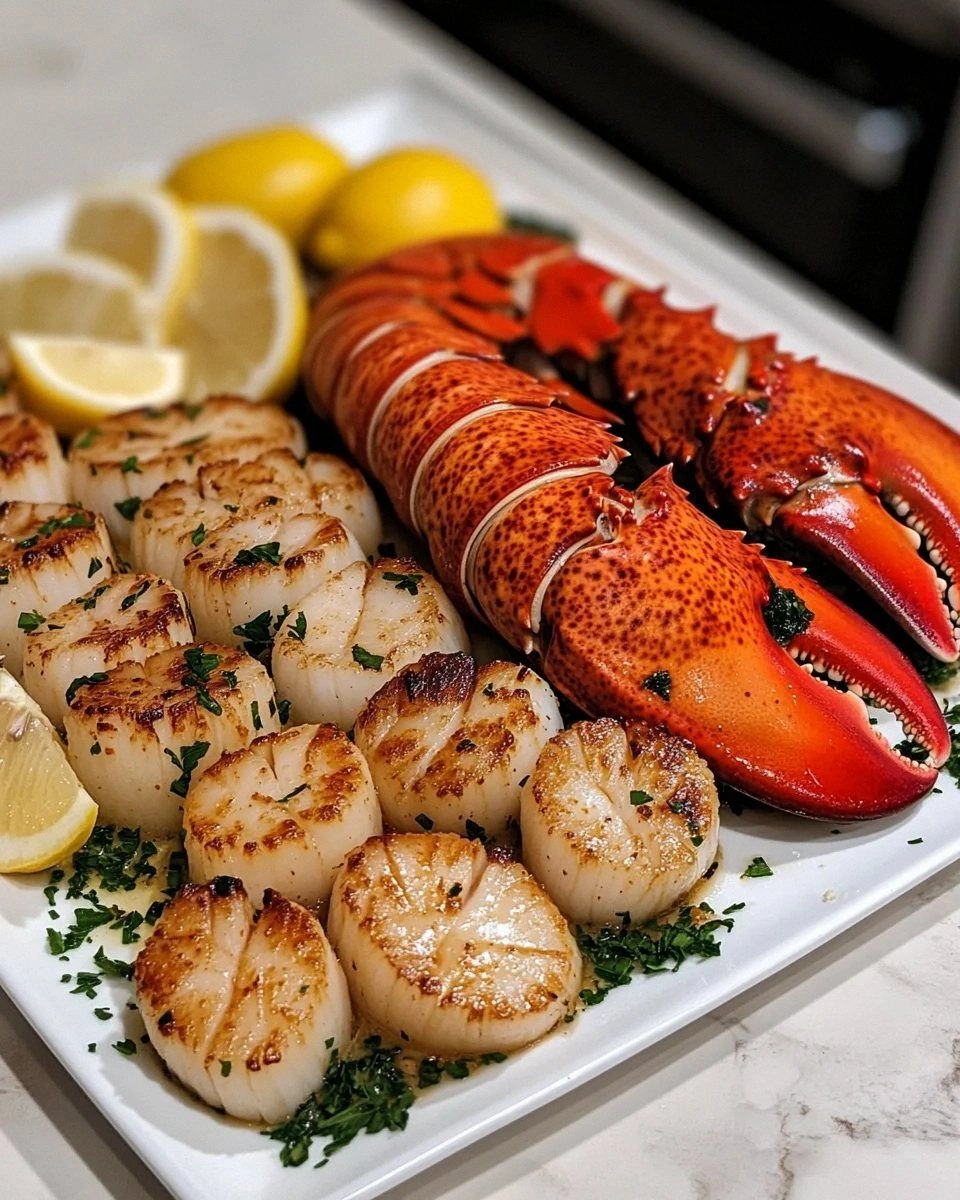
Fast forward to the present, and here we are. The moment the butter hits the pan, it sizzles like a tiny fireworks show, sending fragrant ribbons of garlic spiraling upward. The lobster meat, still tender from its brief boil, dives into the golden pool, while the scallops, those little sea jewels, crackle and develop that coveted caramelized crust that makes you want to shout “yes!” from the stovetop. The kitchen smells like a seaside bistro, the sound of the butter bubbling is a comforting percussion, and the texture under my fork is a perfect marriage of buttery silk and a whisper of crunch.
Why does this version stand out? Because most recipes treat lobster and scallops as separate stars, never letting them mingle in the same buttery embrace. Most get the timing wrong—overcooking the delicate scallops or under‑seasoning the lobster. I’ve cracked the code: a precise sear, a splash of white wine that deglazes the pan, and a finish of lemon and parsley that brightens everything like a sunrise over the Atlantic. And the secret ingredient? A pinch of smoked paprika that adds a subtle, smoky depth without stealing the spotlight.
Okay, ready for the game‑changer? I’m about to walk you through every single step—by the end, you’ll wonder how you ever made this dish any other way. I dare you to taste this and not go back for seconds. Let’s dive in.
What Makes This Version Stand Out
- Flavor Fusion: The garlic‑butter base marries the sweet brininess of lobster with the buttery richness of scallops, creating a harmonious palate that feels like a seaside symphony.
- Texture Contrast: You get a tender, buttery lobster bite, a caramelized scallop crust, and a silky sauce that coats everything like velvet.
- Simplicity Meets Luxury: Only a handful of pantry staples and premium seafood are needed, making this dish feel extravagant yet approachable.
- Unique Ingredient Twist: A dash of smoked paprika adds a subtle smokiness that most recipes completely miss.
- Crowd Reaction: Served at a dinner party, this medley consistently earns rave reviews and the inevitable request for the recipe.
- Ingredient Quality: Fresh, wild‑caught scallops and live lobster guarantee a depth of flavor you simply cannot fake.
- Cooking Method Mastery: The high‑heat sear locks in juices, while the quick deglaze preserves the delicate flavors.
- Make‑Ahead Potential: The sauce can be prepared ahead of time; just reheat and finish with fresh seafood for a quick, impressive meal.
Inside the Ingredient List
The Flavor Base
Unsalted Butter (4 tbsp): This is the golden river that carries every flavor downstream. It melts into a glossy sheen that clings to the lobster and scallops, ensuring each bite is rich and luscious. If you skip the butter, you’ll end up with a dry, flavor‑less result, so don’t be shy about it.
Garlic (3 cloves, minced): Garlic is the aromatic backbone, releasing a sweet, caramelized perfume once it hits the hot pan. It infuses the butter with that unmistakable garlicky kiss that makes the sauce unforgettable. If you’re allergic, substitute with roasted shallots, but you’ll lose some of that punch.
Olive Oil (2 tbsp): The oil raises the smoke point, allowing the butter to brown without burning. It also adds a subtle fruitiness that balances the richness. Use extra‑virgin for extra flavor, but a neutral oil works too.
The Texture Crew
Live Lobster Tails (4, split lengthwise): Fresh lobster provides that sweet, briny flesh that’s the heart of the dish. Choose live or freshly thawed lobster for maximum flavor; frozen can be watery and less sweet. If you can’t find live lobster, opt for high‑quality frozen tails, but pat them dry thoroughly.
Sea Scallops (12 large, dry‑packed): The scallops are the buttery, tender gems that develop a caramelized crust when seared. Dry‑packed means no excess water, which is crucial for that perfect sear. If you get “wet” scallops, you’ll end up steaming them—hardly the texture we’re after.
The Unexpected Star
Smoked Paprika (½ tsp): This is the secret weapon that adds a whisper of smokiness without overwhelming the delicate seafood. It also gives the sauce a gorgeous amber hue. You can swap it for regular paprika, but you’ll miss the depth.
Dry White Wine (¼ cup): The wine deglazes the pan, lifting the caramelized bits (fond) and adding a bright acidity that balances the butter. Choose a crisp, unoaked wine; avoid sweet varieties.
The Final Flourish
Lemon Juice (1 tbsp): A splash of lemon brightens the whole dish, cutting through the richness with a citrusy snap. Freshly squeezed is a must—bottled juice tastes flat.
Fresh Parsley (1 tbsp, chopped): The parsley adds a fresh, herbaceous finish and a pop of color. It’s the visual cue that says “we’re done.” If you’re out of parsley, flat‑leaf cilantro works in a pinch.
Salt and Pepper (to taste): Simple but essential; they amplify all the flavors. Season in layers—first the seafood, then the sauce.
Everything's prepped? Good. Let’s get into the real action…
The Method — Step by Step
Start by bringing a large pot of salted water to a rolling boil. Toss the lobster tails in and cook for exactly 4 minutes—just enough to set the meat but not fully cook it. Remove them with tongs, let them cool for a minute, then split each tail lengthwise, pulling out the meat while keeping the shells intact for presentation. This quick blanch preserves the sweet flavor and makes the meat easier to sear later. Watch the clock—overcooking here will ruin the texture.
Pat the scallops dry with paper towels—this is non‑negotiable. Moisture is the enemy of a good sear. Season each scallop lightly with salt and pepper. Heat a large skillet over medium‑high heat, add the olive oil, and let it shimmer. When the oil is hot enough that a drop of water sizzles instantly, you’re ready.
Kitchen Hack: Sprinkle a tiny pinch of baking soda on the dry scallops; it raises the pH and helps develop a deeper caramelization.Place the scallops in the pan, giving them enough space to breathe—no overcrowding. Let them sear undisturbed for 2 minutes; you’ll hear a gentle sizzle that tells you the crust is forming. Flip each scallop and sear the other side for another 1‑2 minutes until they’re golden‑brown and just opaque in the center. Remove them to a plate and set aside, keeping the pan hot.
Reduce the heat to medium and add the butter. As it melts, toss in the minced garlic and smoked paprika. Stir constantly for about 30 seconds—this is the moment of truth, when the garlic releases its perfume and the paprika blooms, turning the butter a gorgeous amber.
Now, pour in the white wine, letting it bubble and deglaze the pan. Use a wooden spoon to scrape up every caramelized bit stuck to the bottom; those are flavor gold. Let the wine reduce by half, about 2 minutes, until the sauce thickens slightly and the alcohol scent mellows.
Return the lobster meat to the pan, arranging it skin‑side down. Sear for 2 minutes, allowing the butter to soak into the flesh, then flip and sear the other side for another minute. The meat should turn an opaque pink and be glossy with the buttery sauce.
Slide the seared scallops back into the pan, nestling them among the lobster pieces. Drizzle the lemon juice over everything, then sprinkle the chopped parsley. Toss gently just to coat—this final toss should be quick, preserving the delicate crust on the scallops.
Give the whole medley a final taste, adjusting salt, pepper, and perhaps a splash more lemon if you like brightness. Serve immediately on a warm platter, letting the shells act as natural bowls. That sizzle when it hits the pan? Absolute perfection. And there you have it—an elegant, restaurant‑quality dish you made from scratch.
That's it — you did it. But hold on, I've got a few more tricks that'll take this to another level...
Insider Tricks for Flawless Results
The Temperature Rule Nobody Follows
Never start with a cold pan. Pre‑heat your skillet until it’s shimmering; this ensures an instant sear that locks in juices. I once tried a “gentle start” with a lukewarm pan, and the scallops turned out soggy, like tiny sea sponges. The rule of thumb: high heat, short time.
Why Your Nose Knows Best
When the garlic turns from white to a light golden hue and gives off a nutty aroma, you’ve hit the flavor peak. Trust your nose more than the clock; if the scent is right, the taste will follow. I’ve timed sauces by scent alone and never been disappointed.
The 5‑Minute Rest That Changes Everything
After searing, let the lobster and scallops rest for exactly five minutes off the heat. This short pause lets the fibers relax, making each bite buttery and tender. Skipping this rest is a common rookie mistake that leads to a dry mouthfeel.
Wine Choice Matters
Use a dry, unoaked Sauvignon Blanc or Pinot Grigio. The acidity cuts through the butter, while the subtle fruit notes complement the seafood. A sweet Riesling will make the sauce cloying and mask the delicate flavors.
Butter Butter
Finish the sauce with a final knob of cold butter right before serving. This technique, called “monter au beurre,” creates an ultra‑silky mouthfeel that glides over the palate. It’s the secret behind many Michelin‑starred sauces.
Creative Twists and Variations
This recipe is a playground. Here are some of my favorite ways to switch things up:
Spicy Cajun Kick
Swap the smoked paprika for a blend of Cajun seasoning and add a pinch of cayenne. The heat pairs beautifully with the sweet seafood, turning the dish into a bold, Southern‑coast experience.
Coconut Curry Fusion
Replace the butter with coconut oil, add a teaspoon of red curry paste, and finish with a splash of coconut milk. The result is a tropical, aromatic twist that feels like a beach vacation in a bite.
Herbaceous Green
Swap parsley for fresh basil and add a handful of baby spinach at the end. The herbaceous notes brighten the sauce and add a pop of color, perfect for springtime dining.
Umami Boost
Stir in a teaspoon of miso paste during the deglazing step. The deep umami adds a savory depth that makes the butter sauce taste richer without extra fat.
Rustic Mediterranean
Add diced sun‑dried tomatoes and a sprinkle of crumbled feta after the final toss. The salty cheese and tangy tomatoes create a Mediterranean vibe that’s both comforting and sophisticated.
Storing and Bringing It Back to Life
Fridge Storage
Transfer any leftovers to an airtight container and refrigerate within two hours. It will keep nicely for up to 2 days. When reheating, add a splash of water or broth and gently warm over low heat to revive the sauce’s silkiness.
Freezer Friendly
Separate the sauce from the seafood before freezing. Place the sauce in a freezer‑safe jar and the lobster and scallops on a parchment‑lined tray. Freeze for up to 1 month. To serve, thaw the sauce in the fridge overnight, then gently reheat and combine with freshly seared seafood.
Best Reheating Method
Use a skillet over low‑medium heat, add a teaspoon of butter, and stir in the sauce until it bubbles gently. Add the seafood just long enough to warm through—about 2 minutes—so you don’t overcook the delicate scallops again.