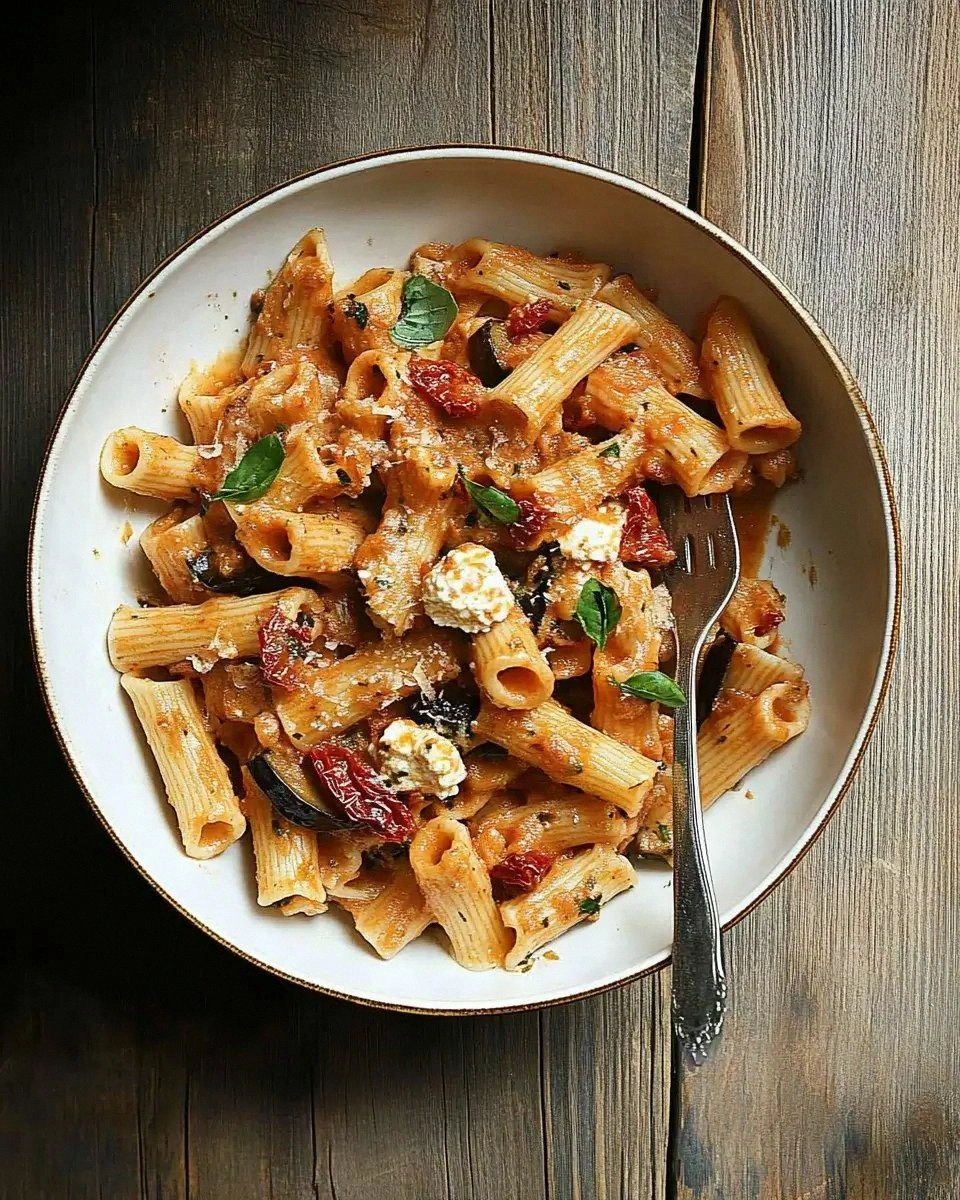
I was standing in my kitchen, staring down a wilted eggplant that looked like it had survived a war, when my roommate dared me to turn that disaster into something unforgettable. I thought, “Challenge accepted,” and the whole apartment filled with the sound of a frantic rummage through the pantry, the clatter of pots, and my own nervous laughter. The scent of fresh basil wafted in from the balcony, mingling with the faint, sweet perfume of sun‑dried tomatoes that I had rescued from a forgotten jar, and I felt an electric buzz of possibility. The moment I tossed the first slice of eggplant into a hot pan, the sizzle sang a note of triumph that made me swear this would be the best version you’ll ever make at home.
Picture this: the glossy, deep‑purple flesh of the eggplant turning a caramel‑gold as the edges crisp, the sun‑dried tomatoes rehydrating and releasing a concentrated tang that cuts through the richness like a bright spotlight. The pasta, cooked al dente, waits in a colander, steam curling up like ghostly ribbons, while a cloud of ricotta sits waiting to be swirled in, buttery and airy, promising a silk‑like finish. The kitchen feels alive – the oven humming, the stovetop ticking, the occasional pop of a tomato skin bursting, and my heart beating a little faster as I watch the sauce come together. I’m not just cooking; I’m orchestrating a symphony of flavors that will slap your taste buds awake.
Most recipes I’ve seen either drown the eggplant in a sea of oil or treat the sun‑dried tomatoes as an afterthought, leaving the dish flat and forgettable. This version, however, treats every component like a lead actor, giving each its moment to shine, then brings them together in a crescendo of flavor that coats the pasta like velvet. I’m going to spill a secret that most chefs keep under their aprons: a splash of pasta water at the right moment is the game‑changer that turns a good sauce into a glossy masterpiece that clings to every strand. Trust me, this trick will have you questioning every other pasta dish you’ve ever made.
I dare you to taste this and not go back for seconds. I’ll be honest — I ate half the batch before anyone else got a chance to try it, and that’s because the combination of smoky eggplant, tangy sun‑dried tomatoes, and fluffy ricotta is pure, unapologetic indulgence. Okay, ready for the game‑changer? Let me walk you through every single step — by the end, you’ll wonder how you ever made it any other way.
What Makes This Version Stand Out
- Depth: The caramelized eggplant adds a smoky, earthy backbone that you simply can’t get from canned or frozen alternatives.
- Brightness: Sun‑dried tomatoes, rehydrated just enough to stay chewy, inject a burst of concentrated umami that lifts the whole dish.
- Creaminess: Ricotta folded in at the end creates a cloud‑like texture that balances the acidity without overwhelming the palate.
- Texture: A quick sear on the eggplant gives it a crisp edge that shatters like thin ice, while the pasta stays perfectly al dente.
- Simplicity: Fewer than ten steps, no fancy equipment, just a skillet, a pot, and a spoonful of confidence.
- Make‑Ahead: The sauce improves after a short rest, making it ideal for busy weeknights or elegant dinner parties.
- Crowd Reaction: Guests will swear you spent hours in the kitchen, yet you’ll have it on the table in under an hour.
- Ingredient Quality: Fresh, firm eggplant and high‑quality sun‑dried tomatoes are the unsung heroes that elevate the dish from ordinary to unforgettable.
Inside the Ingredient List
The Flavor Base
The foundation of this dish is a trio of aromatics: minced garlic, a splash of extra‑virgin olive oil, and a pinch of red pepper flakes. Garlic brings that familiar, comforting warmth that makes your mouth water before the first bite, while the olive oil provides a silky mouthfeel that carries the flavors downstream. If you skip the red pepper flakes, you’ll lose the subtle heat that keeps the palate from getting bored; a tiny pinch is all you need to awaken the senses without overpowering the delicate ricotta.
The Texture Crew
Eggplant and pasta are the dynamic duo of texture here. The eggplant, when properly seared, develops a crispy edge that shatters like thin ice, offering a contrast to the soft, pillowy pasta strands. Choosing a sturdy pasta shape—like rigatoni or penne—ensures the sauce clings in every nook and cranny. If you opt for a delicate spaghetti, you may find the sauce sliding off, leaving you with a dry bite.
The Unexpected Star
Sun‑dried tomatoes are the secret weapon that most home cooks overlook. Their concentrated sweetness and tangy acidity act like a bright spotlight, cutting through the richness of the ricotta and the earthiness of the eggplant. If you can’t find sun‑dried tomatoes in oil, the dry‑packed version works just as well—just rehydrate them in warm water for 10 minutes, then pat dry. Skipping this step will leave the dish flat, like a song missing its chorus.
The Final Flourish
A generous dollop of ricotta, freshly cracked black pepper, and a handful of chopped fresh basil finish the dish with a burst of freshness. Ricotta adds a cloud‑like lightness that makes each forkful feel like a pillow of comfort, while basil injects a fragrant green note that ties everything together. If you’re dairy‑free, a silky cashew cream can stand in, but you’ll lose that signature tang that ricotta brings.
Everything's prepped? Good. Let's get into the real action…
The Method — Step by Step
Start by bringing a large pot of salted water to a rolling boil. Once it’s bubbling like a lively conversation, add the 9 ounces of pasta and stir gently. Cook until al dente—usually 8‑9 minutes—then reserve one cup of the starchy water before draining. That water is liquid gold; it will later help the sauce cling to every noodle like a second skin. While the pasta cooks, wipe a clean towel over the pot; the steam will fog the kitchen, adding a cozy ambiance.
While the pasta is doing its thing, slice the eggplant into ½‑inch rounds, sprinkle with a pinch of salt, and let it sit for 15 minutes. This “sweat” step draws out any bitterness and reduces the cooking time. After the wait, pat the slices dry with paper towels—no soggy mess here. Heat a large skillet over medium‑high heat, drizzle in two tablespoons of olive oil, and let it shimmer. That sizzle when it hits the pan? Absolute perfection.
Kitchen Hack: Press the salted eggplant slices between two plates with a heavy skillet to flatten them slightly; this ensures even browning.Add the eggplant slices to the hot skillet in a single layer, giving them room to breathe. Let them sear without moving for about 3 minutes, until the edges turn a deep, caramel‑brown and start pulling away from the pan. Flip and repeat on the other side. The aroma at this point is intoxicating—smoky, earthy, with a hint of olive oil that makes you want to lick the spoon.
While the eggplant finishes, mince two garlic cloves and measure out a teaspoon of red pepper flakes. Toss the garlic into the skillet once the eggplant is near done, letting it perfume the oil for 30 seconds. Be careful—garlic burns faster than you think, and burnt garlic brings a bitter note that can ruin the entire dish.
Watch Out: If the garlic starts to turn amber, lower the heat immediately; you want golden, not burnt.Now, crumble the sun‑dried tomatoes into the skillet, letting them rehydrate in the residual oil for a minute. Their bright, tangy flavor will start to mingle with the garlic, creating a sauce base that smells like a Mediterranean garden after rain. Add a splash (about ¼ cup) of the reserved pasta water, stirring vigorously to deglaze the pan and lift any caramelized bits—those are flavor fireworks.
Drain the pasta and add it straight into the skillet, tossing to coat every strand. At this point, the sauce should be glossy, clinging to the noodles like a satin sheet. If it looks a bit dry, drizzle in a little more pasta water, one tablespoon at a time, until you achieve that perfect silkiness. This is the moment of truth: the pasta should feel coated but not swimming.
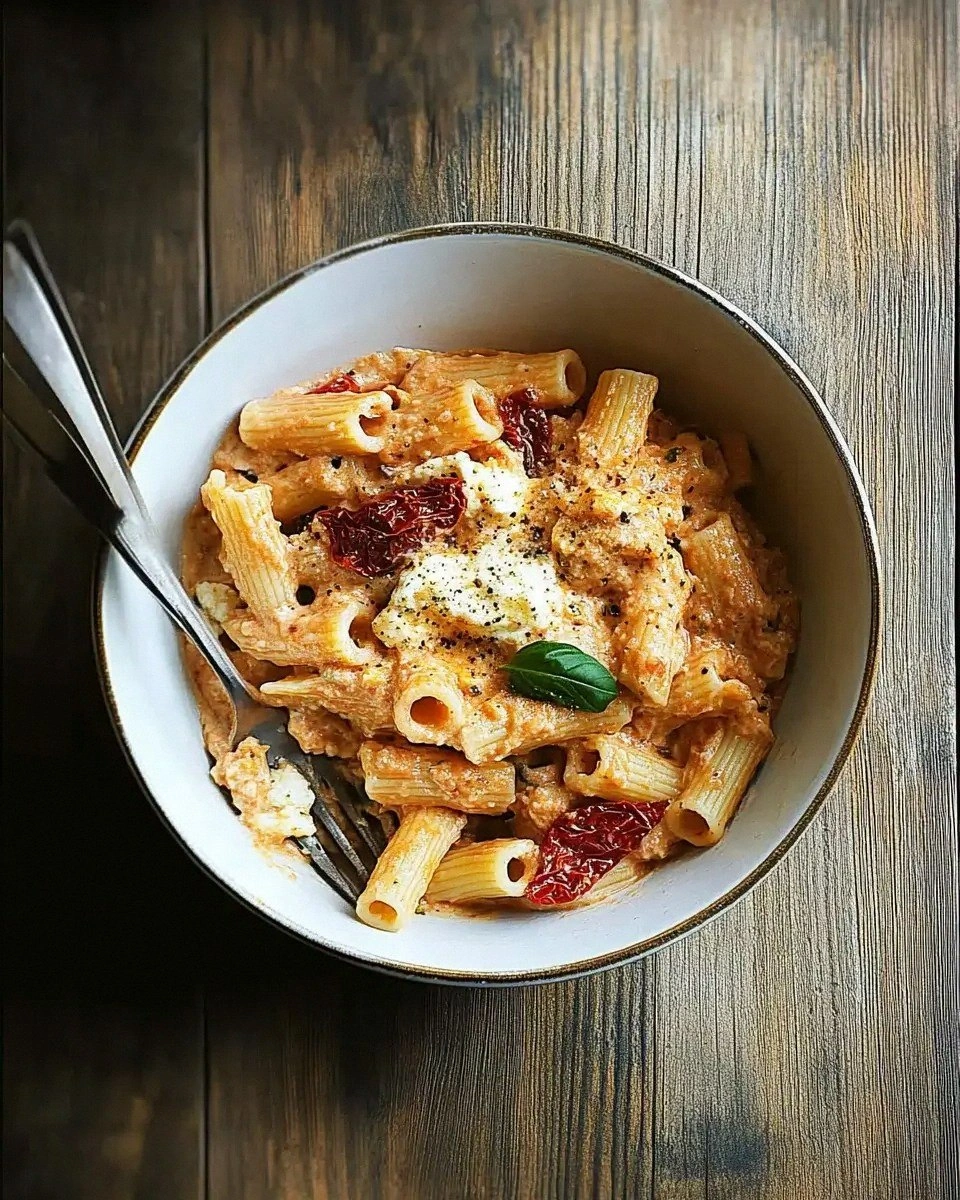
Turn off the heat and fold in the ricotta—about one cup, or more if you crave extra creaminess. The residual heat will melt the ricotta just enough to create a velvety ribbon through the dish. Sprinkle freshly cracked black pepper and a generous handful of chopped basil, giving the dish a fresh, herbaceous lift.
Let the pasta rest in the pan for two minutes; this allows the flavors to marry and the sauce to thicken ever so slightly. While you wait, admire the glossy sheen and the speckles of green basil that look like tiny fireworks. Then, plate the pasta in shallow bowls, drizzle a whisper of extra‑virgin olive oil, and finish with a final crack of pepper.
Serve immediately, and watch your guests’ eyes widen as they take that first forkful. Picture yourself pulling this out of the oven, the whole kitchen smelling incredible, and hearing that collective “Mmm” that tells you you’ve nailed it. And now the fun part: you can pair this with a crisp white wine or a light red, and let the conversation flow as smoothly as the sauce on the plate.
Insider Tricks for Flawless Results
The Temperature Rule Nobody Follows
Keep your skillet hot enough that the eggplant sizzles the instant it touches the surface, but not so hot that the oil smokes. A medium‑high setting (around 375°F) is ideal; use a kitchen thermometer if you’re unsure. When the oil is just right, the eggplant will develop those coveted crispy edges that shatter like thin ice. I once tried cooking on low heat, and the result was soggy, mushy eggplant that made me question my life choices. Trust the heat, and the dish will reward you with texture heaven.
Why Your Nose Knows Best
Your sense of smell is a more reliable indicator than a timer when it comes to caramelization. When the eggplant edges start to turn deep brown and you catch that nutty, roasted aroma, you know it’s time to flip. If you rely solely on minutes, you risk under‑ or over‑cooking. I’ve watched friends obsess over a timer and end up with bland, pale pieces. Let your nose be the guide; it’s the secret weapon of seasoned chefs.
The 5‑Minute Rest That Changes Everything
After you combine the pasta with the sauce, let it sit off the heat for exactly five minutes. This short rest lets the starches in the pasta absorb the sauce, creating a cohesive bite rather than a slippery mess. During this time, the ricotta continues to melt subtly, binding the flavors together. Skipping this step is like serving a song without a bridge—something crucial is missing. Set a timer, and trust the process.
Salt Timing Is an Art
Season the pasta water heavily—like the sea—because this is the first layer of flavor. Then, add a pinch of salt to the sauce only after the sun‑dried tomatoes have softened; this prevents the tomatoes from becoming overly salty. I once added salt too early, and the whole dish turned briny, ruining the delicate balance. Adjust as you go, tasting after each addition.
The Basil Burst
Add fresh basil at the very end, right before serving. The heat from the pasta wilts the leaves just enough to release their essential oils without turning them bitter. If you add basil too early, it wilts completely and loses its bright, peppery kick. A quick tear of the leaves between your fingers before sprinkling them in maximizes the aromatic impact.
Creative Twists and Variations
This recipe is a playground. Here are some of my favorite ways to switch things up:
Spicy Sriracha Swirl
Add a tablespoon of sriracha to the sauce after deglazing. The heat pairs beautifully with the sweet sun‑dried tomatoes, creating a sweet‑spicy dance that will make heat‑seekers swoon.
Mushroom Medley
Swap half the eggplant for a mix of cremini and shiitake mushrooms. Their umami depth adds a woodland note that complements the tomato’s acidity, perfect for autumn evenings.
Vegan Velvet
Replace ricotta with a silky cashew cream (soaked cashews blended with lemon juice and nutritional yeast). The result is dairy‑free but still luxuriously creamy.
Citrus Zest Kick
Finely grate the zest of a lemon over the finished dish. The bright citrus lifts the richness and adds a surprising pop that brightens the whole plate.
Nutty Crunch
Toast a handful of pine nuts and sprinkle them on top just before serving. The nutty crunch adds texture contrast and a buttery flavor that echoes the olive oil.
Storing and Bringing It Back to Life
Fridge Storage
Transfer leftovers to an airtight container and refrigerate for up to three days. The sauce will thicken; simply stir in a splash of water or broth before reheating to restore its silky texture.
Freezer Friendly
Portion the pasta into freezer‑safe bags, removing as much air as possible. It freezes beautifully for up to two months. When you’re ready to eat, thaw overnight in the fridge, then reheat in a skillet with a drizzle of olive oil and a splash of water.
Best Reheating Method
For the best results, reheat on the stovetop over low heat, adding a teaspoon of water per serving. Stir continuously until the sauce regains its glossy sheen. Microwaving works in a pinch, but you’ll lose some of the delicate texture that makes this dish special.