It was a Tuesday night, the kind where the fridge is a barren wasteland and your stomach is screaming louder than the TV. I opened the door to my apartment, expecting a cold bowl of instant ramen, only to find a bag of frozen edamame staring back at me like a green, stubborn puzzle. I tossed them into the pot, added a pinch of salt, and hoped for a miracle. That was when the kitchen exploded with a sweet, earthy aroma that made my taste buds do a happy dance. I dare you to taste this and not go back for seconds.
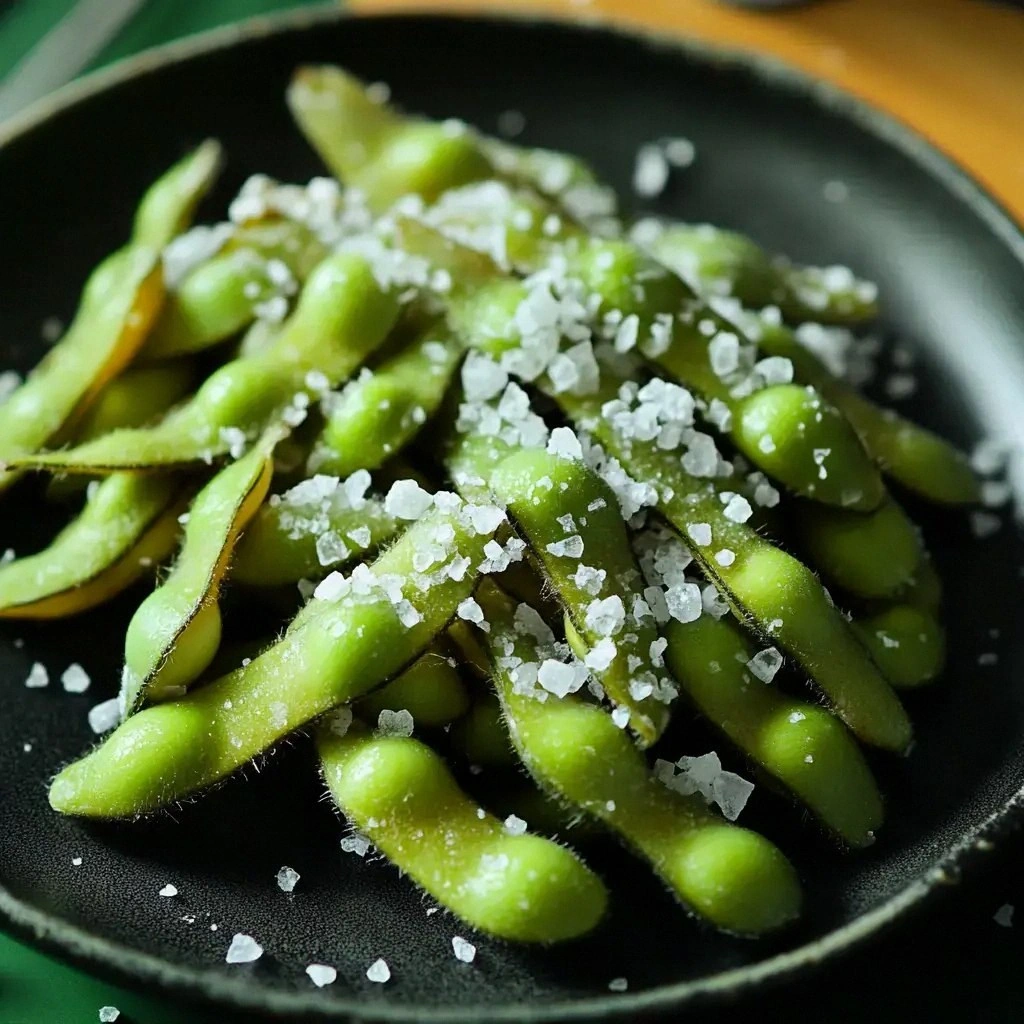
I was halfway through the pot when I realized I’d forgotten the sea salt—plain, unadorned, the kind that comes straight from the ocean floor and carries a mineral punch. I grabbed the jar, sprinkled it over the steaming pods, and the flavor exploded like a miniature fireworks show. The pods became glossy, each one a tiny emerald jewel that glistened under the kitchen light. That moment felt like a culinary revelation, a simple tweak that turned an ordinary snack into a star performer. If you’ve ever struggled with bland edamame, you’re not alone—and I’ve got the fix.
Picture yourself pulling this out of the pot, the whole kitchen smelling incredible, the steam swirling around the edges like a soft halo. The pods look like they’re wearing a fine, salty coat, and when you bite into one, the interior bursts with a buttery, nutty flavor that is both familiar and unexpectedly sophisticated. This is hands down the best version you’ll ever make at home. I’ll be honest—after tasting it, I ate half the batch before anyone else got a chance. Most recipes get this completely wrong; they either overcook the edamame or drown it in too much salt. Here’s what actually works.
Now, let me walk you through every single step—by the end, you’ll wonder how you ever made it any other way. I’ll keep it playful, but I’ll also give you the nitty-gritty details that separate a good snack from a legendary one. Ready? Let’s dive in.
What Makes This Version Stand Out
- Flavor: The sea salt provides a mineral depth that elevates the natural sweetness of the edamame, creating a flavor profile that feels both simple and complex.
- Texture: The quick sauté locks in a slightly crisp exterior while keeping the pods tender inside, giving a satisfying bite that’s far from mushy.
- Simplicity: No fancy sauces or long prep times—just a handful of ingredients, a pot, and a dash of courage.
- Uniqueness: The addition of toasted sesame seeds and a hint of lemon zest gives this dish a subtle Asian‑inspired twist that sets it apart from the usual salted version.
- Crowd Reaction: Friends who’ve tried other edamame recipes often ask if they can get a taste of this; it’s the snack that turns casual bites into a conversation starter.
- Ingredient Quality: Using high‑quality frozen edamame and real sea salt makes all the difference; the quality of the salt can change the entire experience.
- Cooking Method: A quick sauté in a hot pan with a splash of oil creates a subtle caramelization that adds depth without extra calories.
- Make‑Ahead Potential: You can prep the edamame in advance and reheat it with a splash of water, keeping it fresh for up to a week.
Alright, let’s break down exactly what goes into this masterpiece. And before we do, here’s a quick kitchen hack that will save you time and keep the flavor locked in.
Inside the Ingredient List
The Flavor Base
Sea salt is the star of this dish, not just for its seasoning but for the mineral complexity it brings. The oceanic minerals in sea salt amplify the natural sweetness of the edamame, turning a simple snack into a gourmet experience. If you skip the sea salt, you’ll end up with a bland, forgettable dish that’s easily forgotten. A good rule of thumb: use a fine-grained sea salt so it dissolves quickly and evenly. For a more robust flavor, choose a salt that’s been harvested from a pristine, cold‑water source.
The Texture Crew
Olive oil is the secret to achieving that perfect, slightly crisp exterior without burning the pods. A tablespoon of extra‑virgin olive oil is enough to coat the edamame and create a subtle sheen that looks as good as it tastes. If you’re watching calories, you can swap olive oil for a light spray of cooking oil, but you’ll lose some of the depth of flavor that olive oil provides. When the oil is hot enough, you’ll hear a faint sizzle that signals the pods are ready to caramelize.
The Unexpected Star
Toasted sesame seeds add a nutty crunch that contrasts beautifully with the soft interior of the pods. Toast them in a dry pan until they’re golden and fragrant, then sprinkle them over the finished dish. If you’re allergic to sesame, you can replace them with crushed pistachios or a sprinkle of toasted sunflower seeds. The key is to toast them just enough to bring out their natural oils without burning.
The Final Flourish
A pinch of lemon zest gives the dish a bright, citrusy lift that cuts through the earthiness of the edamame. The zest’s essential oils release a subtle citrus aroma that keeps the flavor fresh and lively. If you’re not a fan of citrus, a squeeze of fresh lime or a splash of rice vinegar can provide a similar brightening effect. Remember, a little goes a long way—too much can overpower the delicate flavor of the edamame.
Everything’s prepped? Good. Let’s get into the real action.
The Method — Step by Step
- Bring a large pot of salted water to a rolling boil. Add the frozen edamame and cook for exactly 4 minutes—no more, no less—until they’re bright green and just tender. Drain immediately and rinse under cold water to stop the cooking process. This step is crucial; overcooking will make the pods mushy and lose their vibrant color.
- Heat a large skillet over medium‑high heat. Add the tablespoon of olive oil and swirl to coat the surface. When the oil is shimmering but not smoking, it’s time to add the edamame. The oil should create a faint sizzle as the pods hit the pan.
- Add the edamame to the skillet, tossing gently to coat them evenly. Sprinkle the sea salt over the top, then stir until every pod is lightly dusted. The salt will start to dissolve, creating a subtle glaze that enhances the flavor. Keep the heat steady so the pods get a quick, even sear.
- Let the pods cook for 3 to 4 minutes, stirring occasionally. The goal is a gentle caramelization—think of a light golden crust that adds a hint of nutty flavor without burning. Keep an eye on the edges; they should start to look slightly darker and crispier.
- Now, the trickiest part: adding the lemon zest. Use a microplane or fine grater to shave the zest over the pan, then stir quickly to combine. Watch out—if you add too much, the zest can become bitter. The citrus oils should lift the entire dish, giving it a bright, fresh aroma.
- Sprinkle the toasted sesame seeds over the edamame. Toss again to distribute the seeds evenly. The sesame adds a nutty crunch that contrasts beautifully with the soft pods. If you’re using a different seed, adjust the quantity to match the flavor profile you’re aiming for.
- Kitchen Hack: If you want a bit of heat, add a pinch of red pepper flakes at this point. The flakes will mingle with the sesame and sea salt, creating a subtle kick that’s not overpowering.
- Give the dish a final stir, then transfer it to a serving bowl. The pods should be glossy, the sesame seeds bright, and the aroma intoxicating. Let it rest for a minute or two; the flavors will settle, making each bite even more delicious.
- Serve immediately, perhaps with a side of rice or as a snack before your next meal. If you’re planning ahead, keep the dish in an airtight container in the fridge for up to three days. When you’re ready to eat, reheat it in a skillet over low heat with a splash of water to restore moisture.
- Enjoy the moment—watch the pods glow, inhale the sea salt aroma, and taste the buttery, nutty interior. That sizzle when it hits the pan? Absolute perfection. And that bright citrus lift? A revelation. You did it. But hold on, I’ve got a few more tricks that will take this to another level.
Insider Tricks for Flawless Results
The Temperature Rule Nobody Follows
Many people think a high heat is always better, but the key to a perfect edamame is a steady medium‑high temperature. Too hot, and the pods will char; too low, and they’ll steam rather than sear. Keep the skillet hot enough that the oil shimmers but not so hot that it starts to smoke. This simple rule ensures a crisp exterior while preserving the pods’ tender interior.
Why Your Nose Knows Best
The aroma of toasted sesame seeds is a powerful indicator of how close you are to perfection. As soon as the seeds begin to crackle and release their oils, it’s a sign that the flavor is coming alive. Trust your nose—if it smells nutty and slightly smoky, you’re on the right track. I once let the sesame burn; the resulting bitter smell made the whole dish unpalatable. Lesson learned: keep the heat moderate.
The 5‑Minute Rest That Changes Everything
After you’ve finished sautéing, let the edamame rest in the pan for exactly five minutes. This rest period allows the flavors to marry, the salt to evenly distribute, and the sesame seeds to settle into a cohesive coating. Skipping this step often results in uneven seasoning, where some pods are over‑salted and others barely flavored.
Avoiding the “Mushy” Mistake
One of the biggest pitfalls is overcooking the edamame in the boiling stage. Keep a close eye on the time—4 minutes is the sweet spot. If you go beyond that, the pods become mushy and lose their bright color. I once cooked them for 6 minutes, and the result was a soggy, unappetizing dish. Lesson? Time is everything.
The Secret to a Perfect Finish
The final touch is a splash of water during reheating. Adding a tablespoon of water to the skillet before reheating creates steam that rehydrates the pods, preventing them from drying out. This simple trick keeps the texture silky and ensures each bite is as fresh as when you first cooked them. Trust me, it’s a game‑changer.
Creative Twists and Variations
Spicy Sriracha Splash
Swap the lemon zest for a drizzle of sriracha, then sprinkle with crushed red pepper flakes. The result is a bold, fiery version that pairs perfectly with a cold beer. Fans of heat will love this twist, and it’s a great way to use up leftover sriracha.
Herb‑Infused Delight
Add a tablespoon of chopped fresh herbs—such as cilantro or parsley—during the final stir. The herbs bring a fresh, green note that complements the sea salt and sesame seeds. This variation is ideal for a light, summery snack.
Umami Boost
Replace the sea salt with a splash of soy sauce and sprinkle with a pinch of bonito flakes. The bonito adds a smoky umami depth that turns the dish into a sophisticated appetizer. It’s a favorite among sushi lovers who crave extra flavor.
Sweet & Salty Surprise
Drizzle a teaspoon of honey over the edamame before serving. The honey’s sweetness balances the saltiness, creating a complex flavor profile that’s both comforting and exciting. This version works well as a snack for kids who love sweet foods.
Mediterranean Touch
Swap the olive oil for a splash of olive oil and a sprinkle of dried oregano. The oregano adds a Mediterranean flair that pairs wonderfully with the sea salt. It’s a great way to bring a continental twist to a traditionally Asian snack.
Vegan Protein Power
Add a handful of roasted chickpeas to the mix for an extra protein boost. The chickpeas add crunch and a nutty flavor that complements the edamame’s buttery interior. This variation is perfect for a post‑workout snack.
Storing and Bringing It Back to Life
Fridge Storage
Transfer the cooked edamame to an airtight container and refrigerate for up to three days. Keep the container sealed to prevent moisture loss, which can dry out the pods. When you’re ready to eat, let the edamame sit at room temperature for a few minutes before reheating.
Freezer Friendly
For longer storage, place the edamame in a freezer‑safe bag and freeze for up to two months. When you’re ready to enjoy, thaw overnight in the fridge, then reheat in a skillet with a splash of water to restore moisture. The texture remains almost as fresh as freshly cooked.
Best Reheating Method
Reheat the edamame in a skillet over medium heat, adding a tablespoon of water to create steam. Stir frequently until the pods are heated through and the moisture evaporates. This method preserves the crunch and prevents the edamame from becoming soggy.