Picture this: I’m in a cramped apartment kitchen, the clock ticking like a metronome, and I’ve got a half‑filled pot of rice, a bag of broccoli, and a block of tempeh that looks like it’s been through a war. I’ve tried every tempeh recipe out there—some are dry, some are too sweet, and a few make my eyes water from the heat. Then, a friend dared me to whip up something that could convince even the most skeptical vegans that plant‑based can be a flavor explosion. I stared at the ingredients, felt the heat of the stove, and decided to create a dish that would make my taste buds sing and my friends ask for seconds.
As I sliced the tempeh into bite‑sized cubes, the aroma of fresh ginger hit me like a gentle wave. The air smelled of soy and sesame, tinged with a hint of citrus from the vinegar. I could hear the sizzling sound as the pan heated, a rhythmic drum that promised something delicious. The first few seconds of oil on hot pan gave a faint crackle that made my heart race. The moment the tempeh hit the pan, the scent of caramelized soy enveloped the room, turning the kitchen into a fragrant theater.
Why does this version feel like a revelation? Because it’s not just about the sauce; it’s about the harmony of textures and the dance of flavors that unfold with every bite. The tempeh gets a crispy edge that shatters like thin ice, while the broccoli stays tender yet retains a satisfying snap. The teriyaki glaze coats everything like velvet, creating a glossy, sticky coating that clings to the rice like a second skin. It’s a dish that feels both comforting and daring, a quick fix that never compromises on depth.
And here’s the kicker: I discovered a secret ingredient that most recipes overlook—fresh ginger. When grated, it releases a bright, zesty punch that cuts through the sweetness of the teriyaki and adds a subtle heat that lingers. This isn’t just a garnish; it’s a flavor engine that powers the entire dish. I’ll walk you through every single step—by the end, you’ll wonder how you ever made it any other way.
What Makes This Version Stand Out
- Flavor Depth: The teriyaki sauce is balanced with rice vinegar, agave, and a splash of sriracha, creating layers that evolve with each bite. It’s not just sweet; it’s savory, tangy, and spicy all at once.
- Texture Contrast: Crispy tempeh edges meet the soft, steaming broccoli, while the rice acts as a neutral canvas that absorbs the sauce. The result is a mouthfeel that keeps you coming back.
- Speed: Every element is prepped in under 15 minutes, and the cooking time is a mere 30 minutes. Ideal for a weekday dinner or a quick weekend treat.
- Ingredient Quality: Using high‑grade teriyaki and fresh ginger makes the difference between a good dish and a great one. The quality of each component shines through.
- Make‑Ahead Friendly: The sauce can be prepared a day ahead, the tempeh can be marinated overnight, and the dish reheats beautifully. It’s a meal that works around your schedule.
- All‑Day Appeal: Whether you’re a vegan, vegetarian, or just a fan of bold flavors, this recipe satisfies. It’s a crowd‑pleaser at potlucks, family dinners, or solo nights.
- Nutritious: Packed with protein from tempeh and fiber from broccoli, it’s a balanced plate that fuels the body without compromising flavor.
Inside the Ingredient List
The Flavor Base
The teriyaki sauce is the heart of this dish, providing a sweet, umami-rich foundation that lingers on the palate. The soy sauce or tamari adds saltiness and depth, while the rice vinegar or white wine vinegar introduces a bright, acidic note that cuts through the richness. Agave nectar, though often overlooked, brings a subtle sweetness that balances the acidity without overpowering the other flavors. Together, these liquids create a glaze that clings to tempeh, broccoli, and rice like a glossy, savory film.
The Texture Crew
Tempeh is the protein powerhouse, offering a firm, nutty bite that stands up to the sauce. Broccoli crowns are chosen for their sturdy stems and tender florets, which hold up under the stir‑fry heat and absorb the glaze. Hot cooked rice acts as the neutral base, soaking up the sauce and providing a comforting carbohydrate component. Sesame oil or dark sesame oil lends a nutty aroma that elevates the dish to gourmet status.
The Unexpected Star
Fresh ginger is the secret weapon that adds a zesty, slightly peppery kick. When grated finely, it releases essential oils that permeate the dish, creating a subtle warmth that complements the heat from sriracha or gochujang. Skipping ginger would leave the dish feeling flat and overly sweet. If you’re in a pinch, bottled ginger works, but fresh is always preferable for that bright punch.
The Final Flourish
Sesame seeds provide a crunchy contrast and a nutty finish, while sriracha or gochujang offers a customizable level of heat. Pepper to taste allows the dish to adapt to individual preferences, ensuring that every bite can be tailored. Each of these final touches transforms the dish from simple to spectacular, inviting diners to savor every element.
Everything’s prepped? Good. Let’s get into the real action.
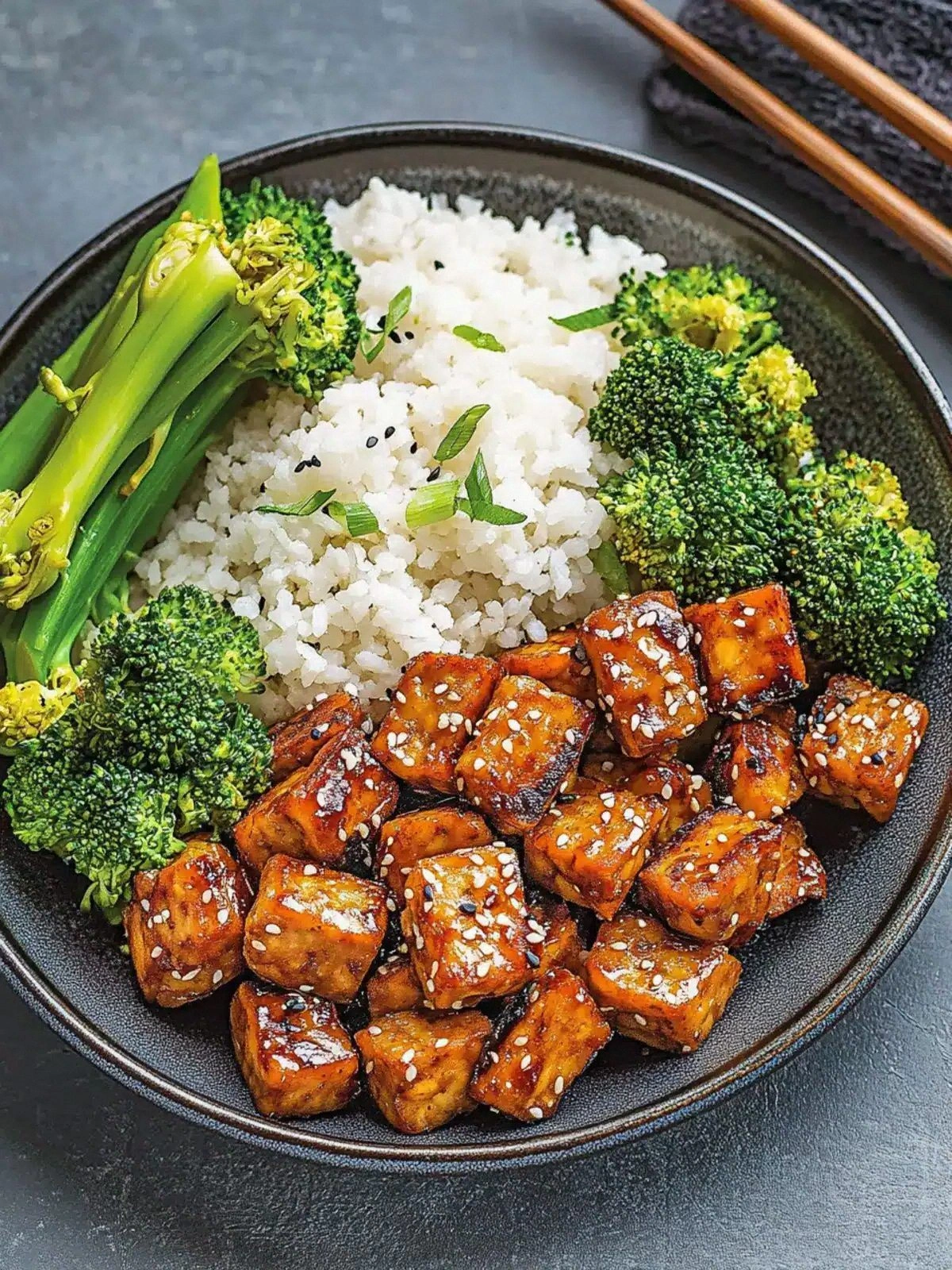
The Method — Step by Step
-
Start by heating a large non‑stick skillet over medium heat, adding one tablespoon of dark sesame oil. The oil should shimmer but not smoke; a slight sheen indicates the right temperature. This step is crucial because the oil’s flavor will permeate the tempeh and broccoli. Let the pan warm for about 30 seconds before adding the tempeh.
-
Place the cubed tempeh in the pan in a single layer, making sure not to overcrowd the surface. This allows each piece to develop a golden crust. Let them sear for 3–4 minutes on the first side, watching for a deep caramel color. Flip them gently; the second side should take 2–3 minutes to brown.
-
While the tempeh cooks, steam the broccoli crowns in a steamer basket for 3 minutes until they’re bright green and just tender. This pre‑cooking step keeps the florets crisp and prevents them from becoming mushy in the sauce. Once steamed, transfer them to a bowl and set aside.
-
In a small bowl, whisk together 1/2 cup teriyaki sauce, 2 tablespoons soy sauce, 1 tablespoon agave nectar, 1 tablespoon rice vinegar, 1 tablespoon grated ginger, and a dash of pepper. This mixture will form the glaze that coats the tempeh and broccoli. The acidity from the vinegar balances the sweetness, while the ginger adds a bright kick.
-
Pour the glaze over the tempeh, stirring to coat each cube. Let the mixture simmer for 2 minutes so the sauce thickens slightly and the tempeh absorbs the flavors. The pan should emit a fragrant steam that fills the kitchen.
-
Now, add the steamed broccoli to the pan, tossing everything together. The broccoli will soak up the glaze, turning a deep amber hue. Cook for an additional 2 minutes, allowing the flavors to meld.
-
Reduce the heat to low, drizzle a splash of sesame oil, and sprinkle 2 tablespoons of sesame seeds over the stir‑fry. Let the seeds toast for a minute, releasing their nutty aroma. This final touch adds a crunchy texture that contrasts with the soft tempeh and broccoli.
-
Serve the tempeh and broccoli over a bed of hot cooked rice, drizzle with a little sriracha or gochujang if you like heat, and sprinkle freshly ground pepper. The combination of rice, protein, and vegetables makes for a balanced, satisfying meal. Enjoy while it’s still warm, and watch the sauce cling to every bite.
That’s it — you did it. But hold on, I've got a few more tricks that'll take this to another level.
Insider Tricks for Flawless Results
The Temperature Rule Nobody Follows
Many cooks think any pan will do, but the secret lies in a well‑heated skillet. A pan that’s too hot will burn the sauce; a pan that’s too cool will leave the tempeh soggy. Aim for medium heat, and test with a drop of water—if it dances and evaporates instantly, you’re golden. This small adjustment ensures a caramelized crust and a silky glaze.
Why Your Nose Knows Best
The aroma of the sizzling tempeh is a reliable indicator of doneness. When the scent turns from raw to caramelized, it’s time to flip. This sensory cue saves you from overcooking and guarantees that each bite is packed with flavor.
The 5‑Minute Rest That Changes Everything
After you finish cooking, let the dish rest for five minutes before serving. This pause allows the sauce to redistribute, making every bite uniformly coated. It also lets the rice settle, preventing a watery texture.
Keep It Moist, Not Dry
Tempeh can dry out if you over‑simmer it in the sauce. To keep it moist, add a splash of water or broth during the last minute of cooking. This trick keeps the protein tender while still allowing the glaze to cling.
Finish with a Fresh Herb
Just before serving, sprinkle chopped green onions or fresh cilantro. The bright, herbal note cuts through the richness, adding a refreshing finish that elevates the dish.
Creative Twists and Variations
This recipe is a playground. Here are some of my favorite ways to switch things up:
Sweet and Spicy Fusion
Swap the sriracha for a drizzle of honey and a pinch of cayenne pepper. The result is a sweet heat that pairs beautifully with the teriyaki.
Herb‑Infused Delight
Add fresh basil or mint to the glaze during the final simmer. The herbal aroma gives the dish an unexpected freshness that brightens every bite.
Nutty Crunch
Replace sesame seeds with chopped almonds or cashews. The added crunch and nutty flavor complement the tempeh’s texture.
Vegan Protein Swap
Use tofu cubes instead of tempeh for a lighter protein. Press the tofu to remove excess moisture, then follow the same steps for a different mouthfeel.
Low‑Carb Version
Omit the rice and serve the stir‑fry over cauliflower rice. This keeps the dish low in carbs while maintaining the same delicious sauce.
Gluten‑Free Variation
Choose a gluten‑free teriyaki sauce and tamari to keep the dish safe for gluten‑sensitive diners.
Storing and Bringing It Back to Life
Fridge Storage
Cool the dish completely before transferring it to an airtight container. Store in the fridge for up to 3 days. The flavors meld, and the tempeh remains firm.
Freezer Friendly
Pack the stir‑fry in a freezer‑safe bag, removing as much air as possible. Freeze for up to 2 weeks. Thaw in the fridge overnight before reheating.
Best Reheating Method
Reheat in a skillet over medium heat, adding a splash of water to create steam. This method keeps the tempeh moist and the sauce glossy. A quick 3‑minute stir‑fry will bring the dish back to life.