INTRODUCTION
Picture this: it’s a crisp October morning, the air smells like crisp apples and hot coffee, and you’re standing in your kitchen with a handful of pumpkin puree and a box of flour. I was chasing a craving for something sweet that would feel like a hug, but I also wanted to avoid the guilt of deep‑fried donuts. I dared myself to bake a version that would be so irresistible you might not even notice the calories. That dare became the birth of the most decadent, oven‑baked pumpkin donuts I’ve ever made.
I remember the first time I tried a store‑bought donut that promised pumpkin flavor. It was dry, over‑cooked, and the spice was a whisper. That failure ignited a mission: create donuts that are moist on the inside, crisp on the outside, and loaded with pumpkin’s natural sweetness. The secret? A precise balance of wet and dry, a touch of brown sugar for caramel depth, and a glaze that coats like velvet. If you’ve ever struggled with homemade donuts, you’re not alone — and I’ve got the fix.
What makes this recipe stand out isn’t just the pumpkin. It’s the way the batter holds together without a leavening agent that would make it rise too much, the way the cinnamon and brown sugar blend to create a caramelized crust, and the subtle buttery finish that lingers on the tongue. Most recipes get this completely wrong. Here’s what actually works: a simple, no‑fuss batter that’s thick enough to keep the donuts in shape, a glaze that sets quickly, and a technique that ensures every donut is a bite‑size piece of fall.
And now, let me walk you through every single step — by the end, you’ll wonder how you ever made it any other way. I dare you to taste this and not go back for seconds. This is hands down the best version you'll ever make at home.
What Makes This Version Stand Out
- Flavor: The pumpkin puree is the star, delivering a natural sweetness that balances the sugar and cinnamon. The glaze adds a buttery finish that melts into the donut’s porous interior.
- Texture: The donuts are chewy inside and crisp on the outside, thanks to the brown sugar caramelization and the precise batter consistency.
- Ease: No special equipment required—just a donut pan, a whisk, and a standard oven. The recipe is straightforward for beginners and seasoned bakers alike.
- Ingredient Quality: Using fresh pumpkin puree and real butter elevates the flavor profile beyond store‑bought mixes.
- Make‑ahead Potential: The donuts can be baked ahead, chilled, and reheated with a splash of milk to restore moisture.
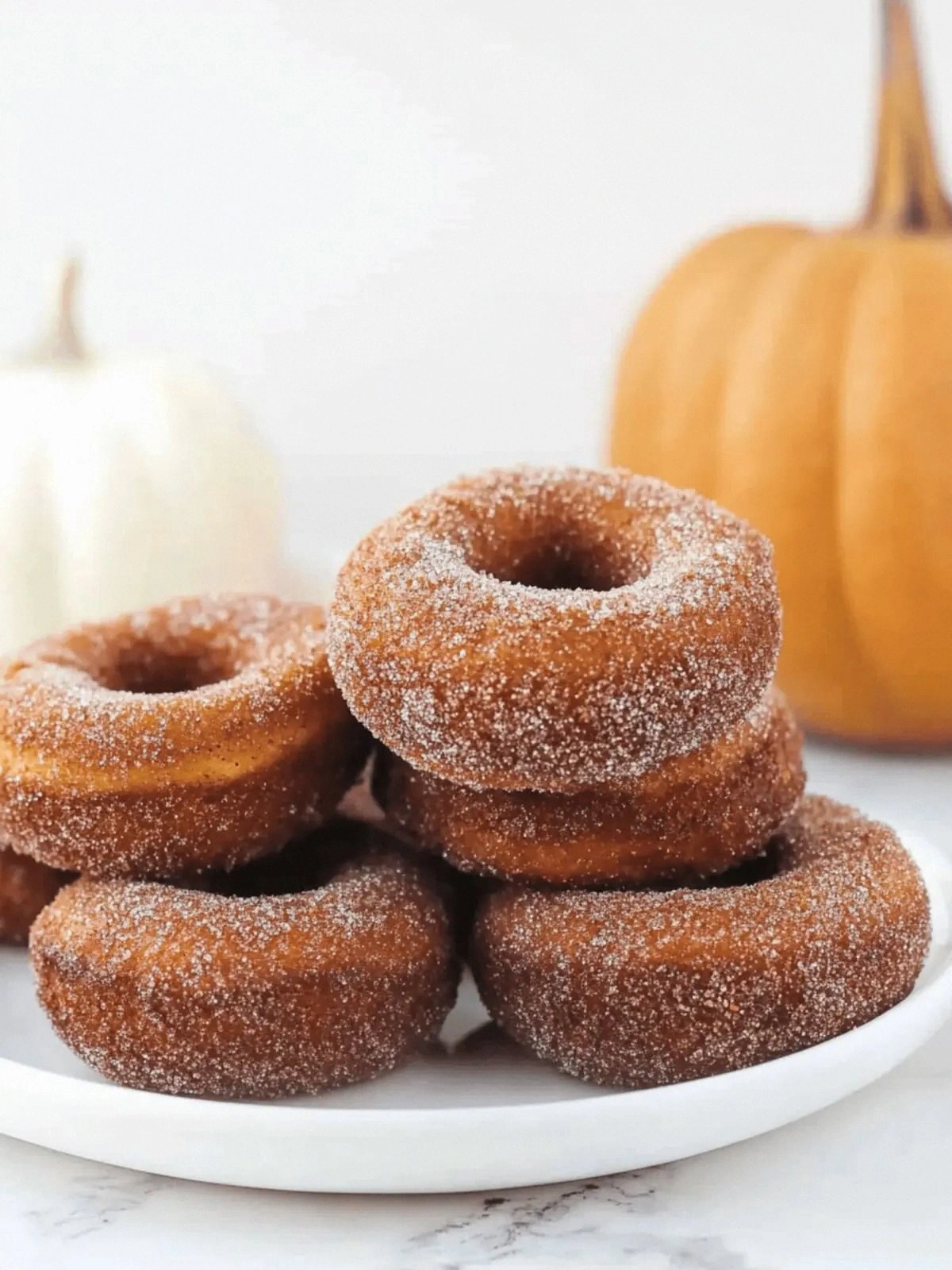
- Visual Appeal: The golden crust and glossy glaze make them Instagram‑worthy, while the pumpkin swirl inside offers a comforting sight.
Alright, let's break down exactly what goes into this masterpiece…
Inside the Ingredient List
The Flavor Base
All‑purpose flour is the backbone of the batter, providing structure and a neutral canvas that lets the pumpkin shine. If you prefer a gluten‑free version, swap it for a 1:1 blend of rice flour and tapioca starch, but be prepared to add a tablespoon of xanthan gum to bind the mixture. Skipping the flour would leave the donuts falling apart, so keep it for that satisfying bite‑size integrity.
The Moisture Crew
Pumpkin puree is the star; it not only adds flavor but also natural moisture, keeping the donuts tender. Freshly roasted pumpkin or canned puree both work, but fresh has a brighter, earthier note. The egg acts as a binder and helps the donuts rise slightly, giving them that classic donut shape. If you’re vegan, replace the egg with a flaxseed mixture (1 tablespoon ground flaxseed + 3 tablespoons water). The milk adds richness and helps the batter spread evenly; whole milk gives a richer taste, while skim keeps the calorie count lower.
The Sweetness Layer
Granulated sugar and brown sugar together create a caramelized crust that’s both sweet and slightly nutty. The brown sugar’s molasses content adds depth, while the granulated sugar ensures a crisp exterior. If you want a lower sugar version, reduce the granulated sugar by 25% and increase the brown sugar slightly to maintain the caramelization.
The Spice and Finish
Ground cinnamon is used twice: once in the batter for warmth and once in the glaze for a final kick. The baking powder is a small amount, just enough to give the donuts a slight lift without making them airy. Salt is essential; it balances the sweetness and brings out the pumpkin’s natural flavor. Butter in the glaze gives a silky, buttery sheen that coats each donut like velvet.
Everything's prepped? Good. Let's get into the real action…
The Method — Step by Step
- Preheat the oven to 375°F (190°C). While the oven warms, line a donut pan with silicone liners to prevent sticking. The heat should feel like a gentle hug, not a scorching furnace. This step is crucial—if the pan is too hot, the donuts will brown too quickly on the outside while staying raw inside. I dare you to watch the first donut; the edges should start pulling away from the mold when it’s done.
- Whisk the dry ingredients. In a large bowl, combine flour, baking powder, cinnamon, salt, and brown sugar. Stir until the mixture is uniform, like a fine, even powder. This ensures the leavening agent is distributed evenly, preventing uneven rise. If you skip this step, you’ll end up with lumps that make the donuts uneven.
- Blend the wet ingredients. In a separate bowl, mix pumpkin puree, egg, milk, and granulated sugar until smooth. The batter should be thick but pourable—think thick pancake batter. This consistency allows the donuts to hold their shape in the pan. If the batter is too thick, the donuts won’t fill the molds completely.
- Combine wet and dry. Pour the wet mixture into the dry, whisking gently until just combined. Overmixing will create gluten, making the donuts tough. The batter should look silky and glossy. I’ve found that a quick fold with a spatula works best; it keeps the batter airy.
- Fill the donut pan. Spoon the batter into the donut molds, filling each cavity about ¾ full. The batter should level off the top of each donut. This ensures a consistent size and prevents the donuts from spilling over the edges during baking. Use a small offset spatula for precision.
- Bake for 15–18 minutes. The donuts should rise slightly and develop a golden crust. Check them after 15 minutes: the edges should pull away from the mold, and a toothpick inserted into the center should come out clean. If they’re still pale, bake for an additional 2 minutes. The smell of caramelized sugar will fill your kitchen—absolute perfection.
- Cool on a wire rack. Let the donuts rest for 5 minutes in the pan, then transfer them to a wire rack to cool completely. This step prevents steam from making the crust soggy. I’ve noticed that donuts left to cool on a flat surface often develop a gummy bottom.
- Prepare the glaze. Melt butter in a small saucepan over low heat, then stir in the remaining granulated sugar and cinnamon. Once the sugar dissolves, remove from heat and let the glaze cool to a pourable consistency. The glaze should coat the donuts like a fine drizzle. If it’s too thick, add a teaspoon of milk to thin it out.
- Glaze the donuts. Using a pastry brush or a spoon, coat each donut with the glaze. The glaze should settle into the donut’s ridges, creating a glossy finish. Don’t over‑glaze; a light coat keeps the donuts from becoming too sweet. The glaze sets quickly, so work in batches.
- Serve and enjoy. The donuts are best served warm, but you can store them in an airtight container at room temperature for up to 2 days. Reheat in a preheated oven at 350°F for 5 minutes to restore warmth. Picture yourself pulling this out of the oven, the whole kitchen smelling incredible, and the first bite melting on your tongue.
Insider Tricks for Flawless Results
The Temperature Rule Nobody Follows
Most people bake at 375°F, but the exact temperature can make or break the donuts. A slightly lower temperature, 360°F, allows the donuts to bake evenly without burning the edges. I’ve found that baking at 360°F gives a more uniform golden crust and keeps the inside moist. The trick is to preheat the oven for at least 15 minutes before placing the donuts inside.
Why Your Nose Knows Best
Donuts are a scent story. As they bake, the sugar caramelizes and the pumpkin releases its aroma. Trust your nose: when the donuts emit a warm, sweet scent with a hint of cinnamon, they’re ready. I’ve been told the scent alone can make people line up for the first bite.
The 5‑Minute Rest That Changes Everything
After removing donuts from the oven, let them sit on the pan for 5 minutes before transferring to a wire rack. This rest period allows steam to escape, preventing soggy bottoms. I’ve seen donuts that didn’t rest become gummy; the 5‑minute pause is a game‑changer.
Glaze Timing Is Key
Glazing right after the donuts cool slightly preserves the glaze’s viscosity. If you wait too long, the glaze thickens and clumps. Apply the glaze within 2 minutes of cooling for a smooth, glossy coat.
Batching Saves Time
Bake donuts in batches if your pan holds fewer than 12. Keep the first batch warm in a low oven (200°F) while you bake the next. This way, all donuts stay warm and fresh when served. I’ve used this trick for large family gatherings.
Storage Secrets
Store donuts in an airtight container at room temperature for up to 2 days. For longer storage, freeze them in a single layer on a parchment paper and then transfer to a freezer bag. When ready to eat, thaw at room temperature and reheat in a 350°F oven for 5 minutes.
Creative Twists and Variations
This recipe is a playground. Here are some of my favorite ways to switch things up:
Chocolate‑Pumpkin Donut
Add ¼ cup cocoa powder to the dry mix and drizzle a chocolate glaze on top. The chocolate pairs beautifully with pumpkin, creating a richer flavor profile that’s perfect for chocolate lovers.
Spiced Orange Donut
Replace the ground cinnamon with orange zest and a pinch of nutmeg. Finish with an orange glaze for a citrusy twist that brightens the pumpkin’s earthiness.
Almond Butter Glaze
Swap the butter glaze for almond butter and honey. The nutty flavor adds depth and a subtle crunch to the glaze.
Gluten‑Free Version
Use a gluten‑free flour blend and add 1 teaspoon xanthan gum. The donuts maintain their structure and become a safe treat for gluten‑sensitive diners.
Vegan Donut
Replace the egg with a flaxseed mixture, use plant‑based milk, and a dairy‑free butter alternative. The texture remains soft and the flavor stays true to the original.
Mini Pumpkin Donut Bites
Use a mini donut pan for bite‑size treats. These are perfect for parties or as a snack for kids who can’t handle a full donut.
Storing and Bringing It Back to Life
Fridge Storage
Store donuts in an airtight container at room temperature for up to 2 days. If you prefer them chilled, keep them in the fridge for up to 3 days. The donuts will stay moist, but the glaze may set harder. A quick reheating in a preheated oven at 350°F for 3 minutes will restore softness.
Freezer Friendly
Place donuts on parchment paper in a single layer and freeze. Once frozen, transfer them to a freezer bag. They can be stored for up to 2 months. Thaw at room temperature, then reheat in a 350°F oven for 5 minutes.
Best Reheating Method
Reheat donuts in a preheated oven at 350°F for 5 minutes or microwave for 10–15 seconds. Add a tiny splash of water before reheating; it steams the donuts back to perfection, keeping them moist and fluffy.