The moment I stepped into the kitchen that night, my stove was a battlefield of burnt onions and a rogue pot of over‑seasoned pasta. I was hungry for something that could salvage the evening and simultaneously impress my friends who’d just rolled in after a long day. That desperation turned into a spark of culinary rebellion, and I decided to give the humble crab a chance to shine in a way it never had before. I was determined to turn the crab into a bite‑size, crispy, golden delight that would make everyone ask, “Where did you learn that trick?”
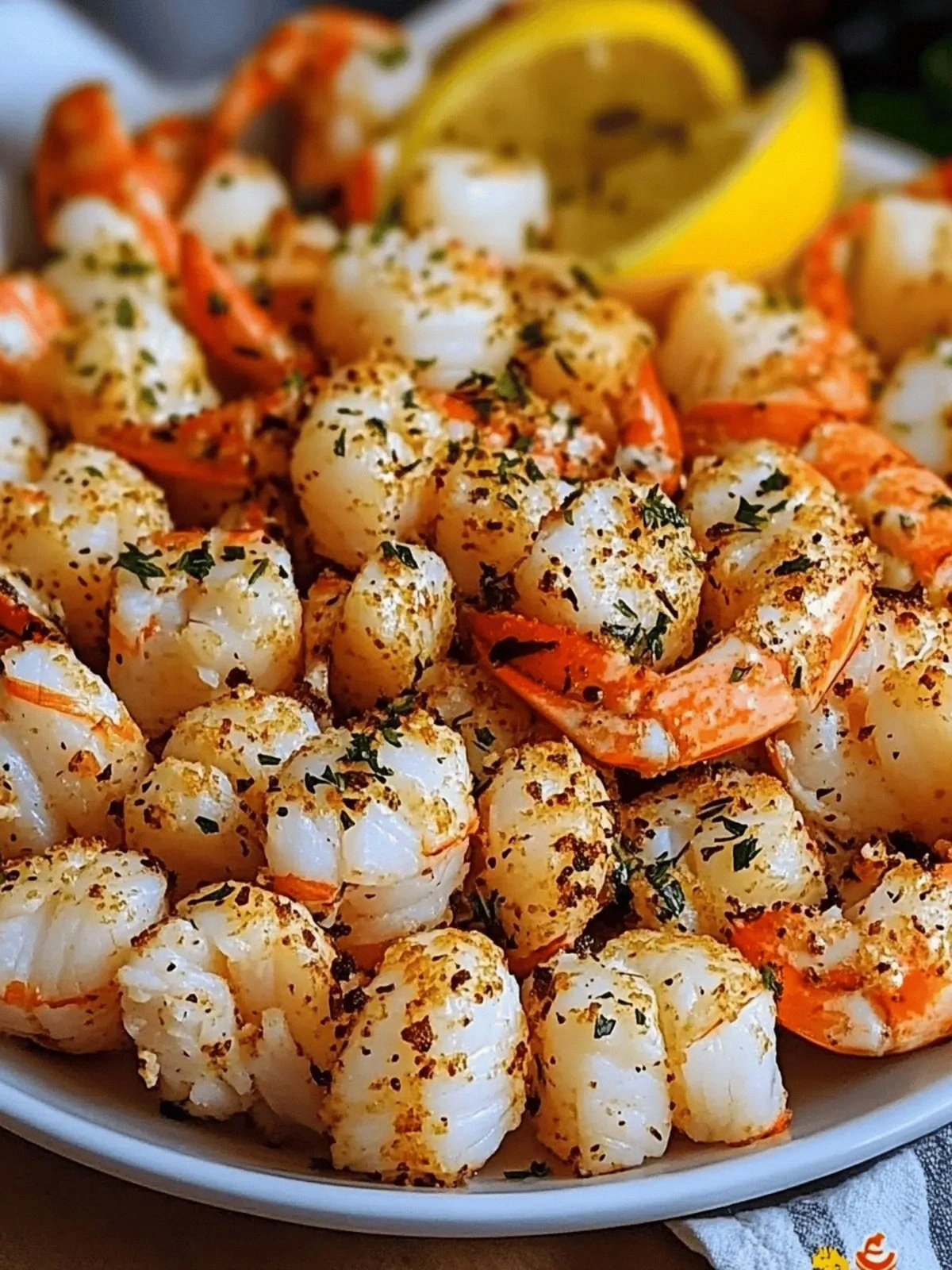
Picture this: a bright, golden crunch that gives way to a tender, sweet crab filling, followed by a burst of smoky paprika that lingers on the palate. The aroma of toasted breadcrumbs mingles with the faint, briny scent of the sea, while the sizzling sound of oil kissing the pan is music to any cook’s ears. The texture is a glorious contrast—crisp on the outside, soft and melt‑in‑your‑mouth on the inside—like biting into a cloud that just happened to be a seafood snack. I swear I could taste the ocean on the first bite, and the satisfaction was instant.
What makes this version stand out from every other recipe out there? I’ll be honest—most crab snack recipes end up either soggy or too salty, and they’re usually a tedious process that feels more like a science experiment than a fun kitchen adventure. I found the secret in balancing the right amount of flour, breadcrumbs, and seasoning, and in timing the frying just right so the exterior cracks like brittle glass while the interior stays juicy. And guess what? The result is hands down the best version you’ll ever make at home. I dare you to taste this and not go back for seconds.
So, if you’re ready to ditch the bland and step into the realm of crispy, flavorful crab crunchies that will have your guests reaching for the next bite, let me walk you through every single step. By the end, you’ll wonder how you ever made it any other way. And trust me, you’ll want to keep this recipe in your kitchen toolbox forever.
What Makes This Version Stand Out
- Flavor: The blend of garlic powder, onion powder, and paprika creates a savory depth that complements the natural sweetness of the crab, turning each bite into a flavor explosion.
- Texture: The combination of flour and breadcrumbs gives a double‑layered crunch that shatters like thin ice, while the crab remains moist and tender inside.
- Simplicity: With just a handful of pantry staples, you can whip up a gourmet snack in less than 30 minutes—no fancy equipment required.
- Uniqueness: The subtle smoky paprika and the careful balance of spices set this recipe apart from the typical battered crab bites.
- Crowd Reaction: Friends who’ve tried this say it’s “the best crab snack ever” and keep asking for the recipe afterward.
- Ingredient Quality: Using lump crab meat instead of imitation crab guarantees a premium taste and a more authentic texture.
- Cooking Method: The double‑battering technique—first with flour, then with breadcrumbs—creates a golden, crispy shell that holds the filling together.
- Make‑Ahead Potential: You can prepare the batter and even assemble the bites ahead of time; they’re ready to fry in minutes.
Alright, let's break down exactly what goes into this masterpiece...
Inside the Ingredient List
The Flavor Base
The foundation of any great dish is its flavor base, and for these crab crunchies, that means a symphony of spices. Garlic powder and onion powder are the unsung heroes that give depth without overpowering the delicate crab. A teaspoon each is all you need—too much will drown the natural sweetness. Paprika adds a subtle smokiness that’s reminiscent of a seaside grill, while salt and pepper balance the flavors and enhance the umami of the crab.
Skipping any of these spices will leave the dish flat. If you’re on a low‑sodium diet, you can reduce the salt to half a teaspoon and compensate with a pinch of sea salt after frying for that extra pop. For a heat kick, add a pinch of cayenne or smoked paprika to the spice blend.
The Texture Crew
The texture crew is where the magic happens. Flour acts as the first binder, giving the coating a smooth, even layer that helps the breadcrumbs adhere. A half cup of flour is enough to coat the crab without making the bite heavy. Breadcrumbs—or Panko for an extra crunch—form the outer shell that crisps up to a golden perfection.
If you’re looking for a gluten‑free version, substitute the flour with almond flour or a gluten‑free all‑purpose blend. For a lighter bite, use fine breadcrumbs instead of Panko, but you’ll lose a bit of that signature crunch. Remember, the ratio of flour to breadcrumbs is key: too much flour and the coating becomes doughy; too little and the crumbs fall off.
The Unexpected Star
Lump crab meat is the unexpected star of this recipe. Its tender, flaky texture holds together beautifully when coated and fried. It’s worth investing in high‑quality crab—look for bright, white meat with no visible shell fragments. Fresh crab will give you a sweeter, more vibrant flavor compared to frozen or imitation varieties.
If you can’t find lump crab, a good substitute is fresh crab legs, shredded into bite‑sized pieces. Alternatively, you can use a mixture of crab and shrimp for a more complex seafood profile. Just be sure to drain the crab well to avoid excess moisture that could cause the coating to crack.
The Final Flourish
The final flourish is the egg, which acts as a glue that holds the flour and breadcrumbs together. A single large egg, beaten until frothy, ensures a smooth batter that adheres evenly to the crab. The egg also adds a subtle richness that balances the crisp exterior.
If you’re avoiding eggs, you can use a splash of milk or a vegan egg replacer. However, the coating won’t be as firm, and the crunch might be less pronounced. For a slightly different flavor, whisk in a teaspoon of Dijon mustard with the egg; it adds a subtle tang that complements the crab.
Everything's prepped? Good. Let's get into the real action...
The Method — Step by Step
- First, gather all your ingredients and set them out on a clean surface. Pat the crab meat dry with a paper towel; moisture is the enemy of crispiness. Toss the crab pieces gently with the garlic powder, onion powder, paprika, salt, and pepper, ensuring every morsel is coated. This step is crucial for flavor; I dare you to taste a piece before frying to see how the spices meld.
- In a shallow dish, pour the flour. Spread it out evenly. In a second dish, add the breadcrumbs or Panko. The idea is to have two separate coating stations so the crab can be dipped twice—first in flour, then in breadcrumbs.
- Beat the egg in a small bowl until frothy. This will be your binder. When you dip the crab pieces, first coat them in flour, tapping off excess, then dip in the egg, and finally roll them in the breadcrumbs until fully coated. The double coating creates a robust shell that won’t crack during frying.
- Heat about two inches of oil in a heavy skillet over medium‑high heat. A good test is to drop a small breadcrumb; if it sizzles and rises to the surface in seconds, the oil is ready. Too hot and the coating will burn before the crab cooks; too cool and the crunch will be soggy.
- Place the coated crab pieces gently into the hot oil, being careful not to overcrowd the pan. Fry in batches, turning once, until the coating is golden brown and crisp—about 2 to 3 minutes per side. The aroma at this point should be intoxicating, like a seaside summer night.
- Use a slotted spoon to lift the crab crunchies, letting excess oil drip back into the pan. Place them on a paper towel-lined plate to absorb any lingering grease. If you’re cooking for a crowd, keep them warm in a low‑heat oven (200°F) while you finish the rest.
- Once all the pieces are fried, let them rest for a minute. This brief pause allows the heat to redistribute and the crust to set, giving you that perfect bite‑level crunch. Serve immediately with a dipping sauce of your choice.
- And that’s it—you did it. But hold on, I've got a few more tricks that will take this to another level. The next section will dive into insider tips that will elevate your crab crunchies from good to legendary.
Insider Tricks for Flawless Results
The Temperature Rule Nobody Follows
Oil temperature is the secret sauce. Many cooks fry at a random heat, which results in uneven cooking. The rule? Maintain a steady 350°F (175°C). Use a kitchen thermometer to check the temperature before each batch. If the oil dips below 340°F, the coating will soak up oil and become soggy. If it rises above 360°F, the exterior will burn while the interior remains raw.
Why Your Nose Knows Best
The aroma of the crab as it cooks is a reliable indicator of doneness. When the oil reaches the right temperature, you’ll hear a gentle hiss and smell a sweet, savory scent. If the scent is too sharp or metallic, the oil is too hot. Trust your nose—if it’s telling you something’s off, let the oil cool a bit before resuming.
The 5‑Minute Rest That Changes Everything
After frying, let the crunchies rest on a wire rack for 5 minutes. This step allows steam to escape, preventing a soggy base. While the crust cools slightly, the interior will finish cooking from residual heat, ensuring the crab remains tender.
The Quick Dip of Lime
A squeeze of fresh lime after frying adds a bright contrast that cuts through the richness. The acidity also helps to balance the saltiness and brings a fresh, zesty finish to each bite.
The Secret to a Crispy Coating
Dust the coated crab with a light sprinkle of cornstarch before frying. This creates an extra barrier that absorbs moisture and results in an ultra‑crisp exterior. I’ve tried this in other seafood recipes and the difference is noticeable.
Creative Twists and Variations
This recipe is a playground. Here are some of my favorite ways to switch things up:
Crispy Crab Crunchies with a Cajun Kick
Swap the paprika for Cajun seasoning and add a pinch of cayenne. The result is a spicy, smoky bite that pairs wonderfully with a cool yogurt dip.
Herb‑Infused Crunchies
Add chopped fresh parsley and dill to the spice blend. The herbs give a fresh, green note that brightens the dish and makes it perfect for spring gatherings.
Cheesy Crab Crunchies
Mix in grated Parmesan or cheddar into the breadcrumb mixture. The cheese melts slightly during frying, creating a gooey, savory layer that’s irresistible.
Panko & Sesame Crunchies
Toss the breadcrumbs with toasted sesame seeds before coating. The nutty flavor adds depth and pairs beautifully with a soy‑ginger dipping sauce.
Gluten‑Free Crunchies
Use almond flour and gluten‑free breadcrumbs. The texture is slightly denser but still delivers a satisfying crunch.
Storing and Bringing It Back to Life
Fridge Storage
Store leftover crab crunchies in an airtight container at room temperature for up to 2 days. Keep them away from moisture, which can ruin the crispness. If you’re planning to eat them later, let them sit at room temperature for 15 minutes to regain some crunch.
Freezer Friendly
Freeze the fried crunchies in a single layer on a parchment‑lined tray for up to 3 months. Once frozen, transfer them to a zip‑lock bag. When ready to eat, bake at 400°F for 8-10 minutes until crisp.
Best Reheating Method
Reheat in a hot skillet or oven to restore the crunch. For the skillet method, heat a small amount of oil over medium heat, then add the crunchies and fry for 1-2 minutes per side. For the oven method, preheat to 400°F, spread the crunchies on a baking sheet, and bake for 8-10 minutes. Add a tiny splash of water before reheating; it steams back to perfection and keeps the interior moist.