Love this? Pin it for later! 📌
Why This Recipe Works
- One-pan wonder: Everything roasts together on a single sheet pan for minimal cleanup
- Protein-packed: Creamy white beans add 15g of plant-based protein per serving
- Budget-friendly: Uses affordable staples that feed a family for under $10
- Meal-prep hero: Tastes even better the next day, making lunches a breeze
- Customizable: Swap in seasonal vegetables or add your favorite protein
- Vitamin powerhouse: Packed with vitamins A, C, K, and folate for immune support
Ingredients You'll Need
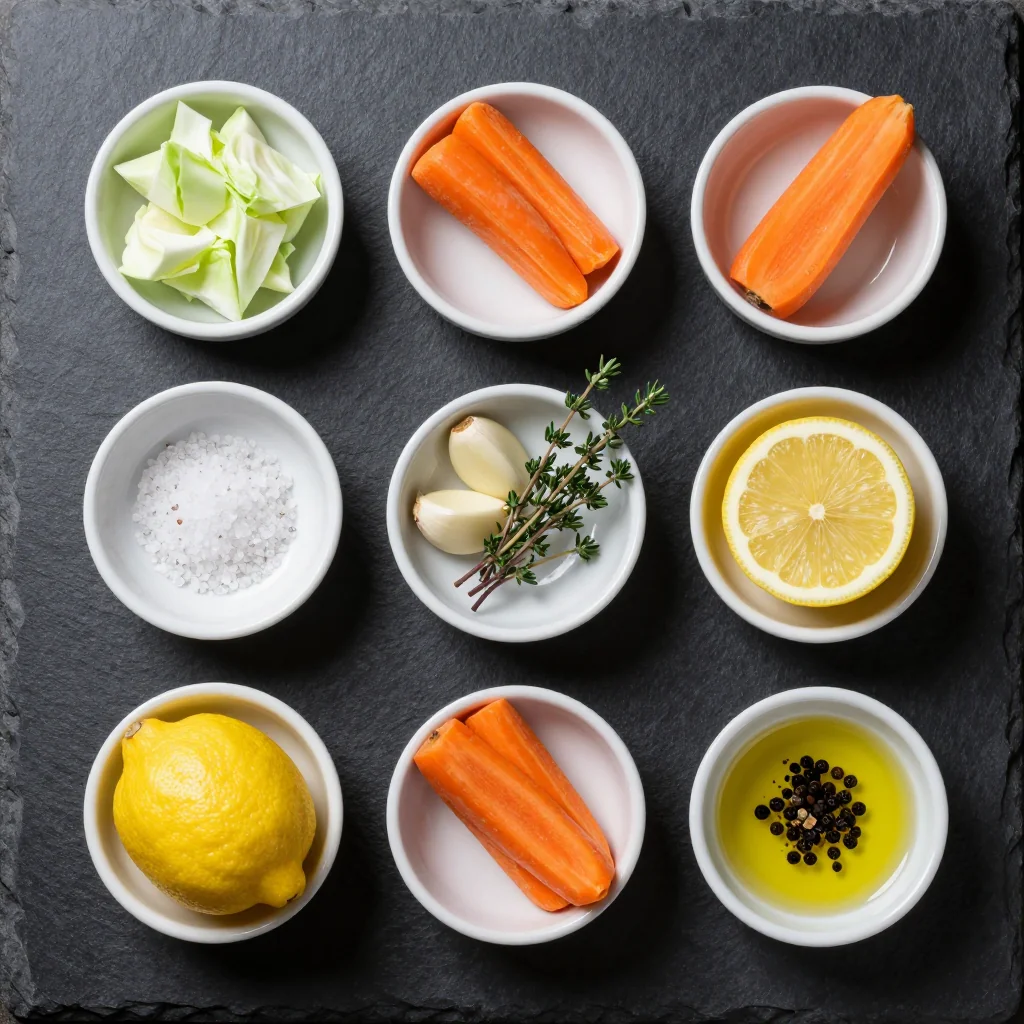
Let’s talk about each star ingredient and why they matter in this dish. Quality ingredients make all the difference, but I’ll also share my favorite budget-friendly swaps.
The Vegetables
Green cabbage (1 medium head, about 2 lbs) forms the hearty base. Look for heads that feel heavy for their size with tightly packed, crisp leaves. Purple cabbage works beautifully too and adds gorgeous color, though it will turn your sauce slightly pink. When selecting, avoid any with yellowing leaves or black spots.
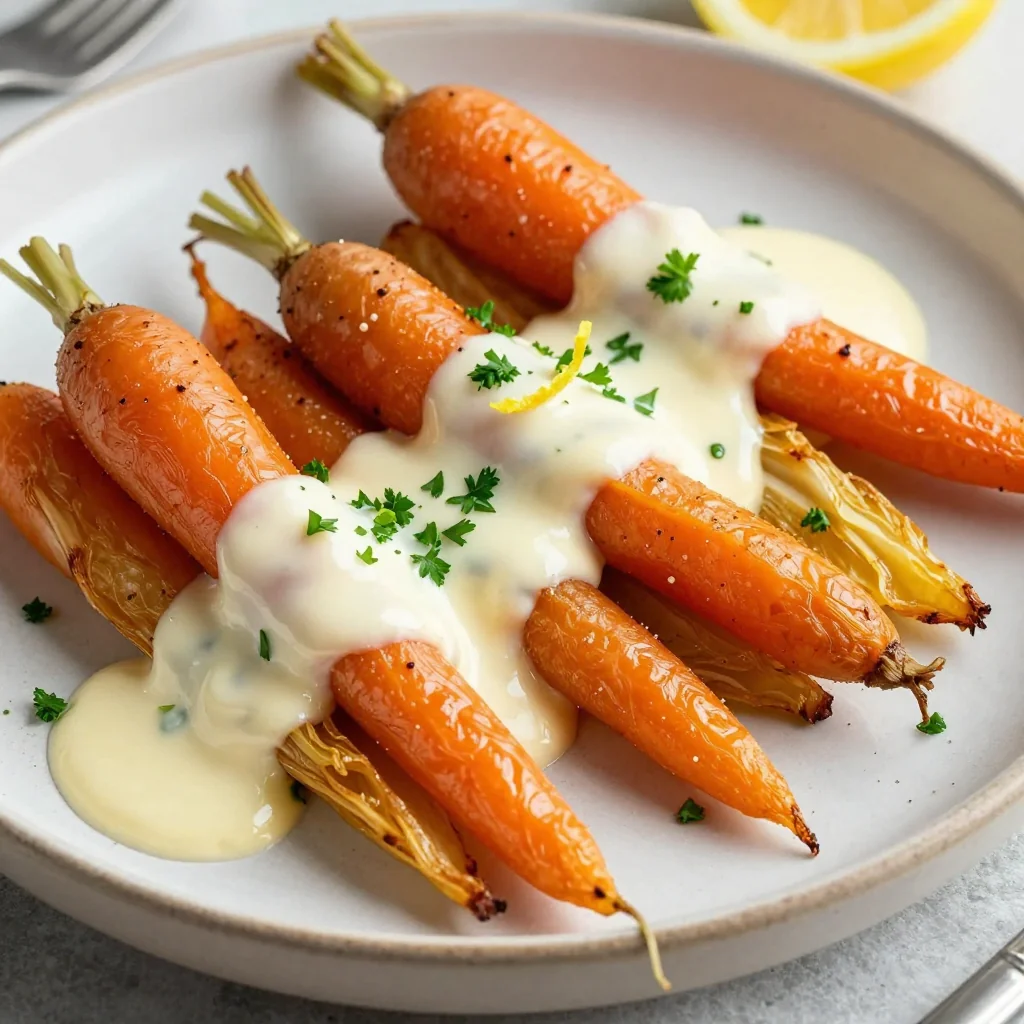
Carrots (1 lb) provide natural sweetness that balances the tangy lemon. I prefer rainbow carrots for visual appeal, but regular orange carrots are perfect. Choose firm, smooth carrots without cracks. If your carrots come with tops, remove them before storing as they draw moisture from the roots.
The Creamy Elements
Full-fat coconut milk (1 can) creates luxurious creaminess without dairy. Don’t shake the can—you want the thick cream that rises to the top. For a lighter version, use light coconut milk, though the sauce will be less rich. Not a coconut fan? Cashew cream works beautifully here.
White beans (2 cans, drained) add protein and make this a complete meal. Cannellini beans are my favorite for their creamy texture, but great northern or navy beans work well too. For the best texture, rinse and drain thoroughly, then pat dry so they roast instead of steam.
Flavor Makers
Fresh garlic (6 cloves) is non-negotiable here. The slow roasting transforms sharp raw garlic into sweet, caramelized flavor bombs. In a pinch, garlic powder works, but use only 2 teaspoons total.
Lemon (2 large) provides bright acidity. You’ll need both zest and juice for maximum impact. Organic lemons are worth the splurge since you’re using the zest. Roll lemons on the counter before juicing to get every last drop.
Tahini (¼ cup) adds nutty depth and helps thicken the sauce. Make sure to stir well before measuring as it separates. If you don’t have tahini, almond butter or sunflower seed butter work, though they’ll change the flavor profile slightly.
How to Make Creamy Lemon Garlic Roasted Cabbage and Carrots for Healthy Meals
Prep Your Pan and Preheat
Position your oven rack in the center and preheat to 425°F (220°C). This high temperature is crucial for proper caramelization. Line a large rimmed baking sheet with parchment paper for easy cleanup. If you don’t have parchment, lightly oil the pan. While the oven heats, you can start prepping vegetables.
Prepare the Cabbage Wedges
Remove any tough outer leaves from your cabbage, then cut into 8 wedges, keeping the core intact. The core helps hold wedges together during roasting. Don’t worry if some outer leaves fall off—roast those too for crispy cabbage chips! Pat wedges dry with paper towels to remove excess moisture, which helps with browning.
Slice Carrots for Maximum Caramelization
Peel carrots and cut on the diagonal into ½-inch thick slices. This increases surface area for better browning. If your carrots are thick, cut them in half lengthwise first. Uniform size ensures even cooking. For extra fancy presentation, try a roll cut: rotate the carrot 90 degrees between each cut.
Make the Magical Marinade
In a large bowl, whisk together coconut cream, tahini, lemon juice and zest, minced garlic, olive oil, maple syrup, and all spices until smooth. The mixture should be pourable but thick enough to coat vegetables. Taste and adjust—add more lemon for brightness, maple for sweetness, or salt for depth. This marinade does double duty as both coating and sauce.
Coat Everything Generously
Add cabbage wedges and carrots to the bowl with marinade. Using clean hands, toss until every surface is well-coated. Don’t be shy here—really massage the sauce into all the nooks and crannies. Add white beans and toss gently to avoid breaking them. Let everything marinate for 10 minutes while the oven finishes heating.
Arrange for Success
Spread everything on your prepared sheet pan in a single layer. Don’t crowd the pan—use two pans if necessary. Place cabbage wedges cut-side down for maximum caramelization. Nestle beans between vegetables so they absorb flavors. Drizzle any remaining marinade over everything.
Roast to Perfection
Roast for 25-30 minutes, flipping vegetables halfway through. You’re looking for deeply caramelized edges and tender centers. The cabbage should be golden-brown with crispy tips. If things aren’t browning after 20 minutes, move the pan closer to the heating element or switch to broil for 2-3 minutes—watch carefully to prevent burning!
Finish and Serve
Remove from oven and let rest 5 minutes—this allows flavors to meld. Sprinkle with fresh herbs, extra lemon zest, and toasted seeds for crunch. Serve hot, spooning the pan juices over everything. This dish is fabulous on its own or served over quinoa, brown rice, or crusty bread to soak up the incredible sauce.
Expert Tips
Don't Skip the Drying Step
Patting vegetables dry seems fussy but it’s the secret to restaurant-quality roasting. Moisture is the enemy of browning, and those caramelized edges are where the magic happens.
Make Extra Marinade
Double the sauce ingredients and save half for drizzling. It keeps for a week refrigerated and transforms grain bowls, roasted vegetables, or even grilled chicken.
Low and Slow for Meal Prep
For meal prep, roast at 375°F for 40 minutes instead. The vegetables stay more tender and reheat beautifully without becoming mushy.
Transform Leftovers
Leftover vegetables become incredible soup: blend with vegetable broth and a splash of coconut milk for instant creamy soup. Add a handful of spinach for extra nutrition.
Toast Your Seeds
Don’t skip toasting pumpkin or sunflower seeds for garnish. The nutty crunch provides perfect textural contrast. Toast in a dry pan for 3-4 minutes until fragrant.
Make it a Complete Meal
Add a drained can of chickpeas or cubed tofu during the last 10 minutes of roasting for extra protein. They’ll absorb the delicious sauce while staying tender.
Variations to Try
Mediterranean Version
Swap lemon for lime, add 2 teaspoons oregano and 1 cup cherry tomatoes. Top with crumbled feta and fresh dill. Serve with warm pita bread.
30 minAsian-Inspired Twist
Replace tahini with almond butter, add 2 tablespoons tamari and 1 tablespoon grated ginger. Garnish with sesame seeds and scallions.
30 minSpicy Harissa
Stir 2 tablespoons harissa paste into the marinade. Add roasted red peppers and top with cooling yogurt sauce. Perfect for spice lovers!
35 minAutumn Harvest
Swap carrots for butternut squash and add Brussels sprouts. Add fresh thyme and rosemary. Finish with toasted pecans for holiday vibes.
40 minStorage Tips
This dish stores beautifully, making it perfect for meal prep. Here’s everything you need to know about keeping your leftovers fresh and delicious:
Refrigeration
Store cooled vegetables in an airtight container for up to 5 days. Keep any extra sauce separate in a jar—it will thicken when cold but loosens when reheated. For best texture, store cabbage wedges whole rather than chopped, as they’ll stay more tender.
Freezing
While you can freeze this dish, the texture of cabbage and carrots will change upon thawing—they become softer. If you don’t mind, freeze in portions for up to 3 months. Thaw overnight in the refrigerator and reheat in a 350°F oven for 15 minutes or until warmed through.
Reheating
The microwave works in a pinch, but for best results, reheat in a 375°F oven for 10-12 minutes. Add a splash of vegetable broth or coconut milk to prevent drying out. A skillet works too—heat with a bit of oil over medium heat, stirring occasionally until warmed.
Make-Ahead Strategy
Prep everything up to 24 hours ahead: cut vegetables and store in zip-top bags with paper towels to absorb moisture. Make the marinade and refrigerate separately. When ready to cook, simply toss everything together and roast as directed. Perfect for entertaining!
Frequently Asked Questions
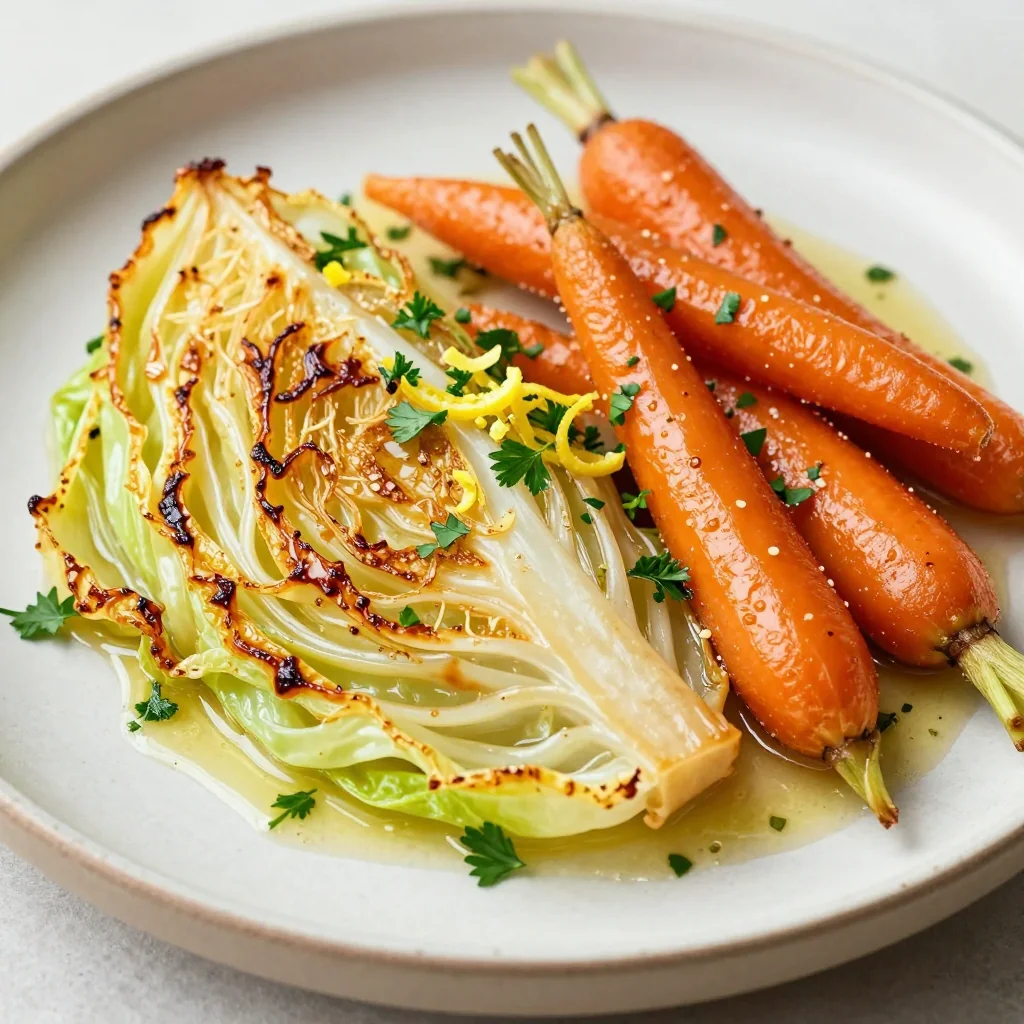
Creamy Lemon Garlic Roasted Cabbage and Carrots for Healthy Meals
Ingredients
Instructions
- Preheat and prep: Heat oven to 425°F. Line a large rimmed sheet pan with parchment.
- Make marinade: Whisk coconut cream, tahini, lemon juice/zest, garlic, oil, maple syrup, and spices until smooth.
- Coat vegetables: Add cabbage, carrots, and beans to bowl with marinade. Toss until well coated.
- Arrange on pan: Spread in single layer, cabbage cut-side down. Roast 25-30 minutes, flipping halfway.
- Finish and serve: Rest 5 minutes, then top with parsley, lemon zest, and pumpkin seeds. Serve hot.
Recipe Notes
For extra crispy edges, broil for 2-3 minutes at the end. Don't skip resting time—it allows flavors to meld. Leftovers keep 5 days refrigerated and make excellent grain bowl toppers.