Picture this: a scorching July afternoon, the kind that makes the air feel like a thick, syrupy blanket, and you’re stuck in a kitchen that smells like burnt toast because you tried to “quick‑fix” a drink with a microwave. I was desperate, the kids were whining, and my neighbor dared me to make something that would actually cool us down without turning the house into a snowstorm. I grabbed the first lemons I could find, tossed them into the blender, and the result was a revelation that made me swear off store‑bought lemonade forever.
The moment the blender whirred, a citrusy perfume erupted, bright and sharp as a sunrise over a citrus grove. The sound was a low, steady hum that felt almost meditative, like a kitchen‑side soundtrack for a summer movie montage. My tongue tingled as the first sip hit—tart, sweet, and incredibly refreshing, with a texture that was smoother than silk yet still carried that satisfying icy bite. I could practically hear the ice crackle as it melted, feel the coolness spreading from my lips down to my fingertips, and see the pale gold liquid catching the light like liquid sunshine.
Most lemonade recipes either drown the lemon in sugar or leave it tasting like a watery rinse. This version, however, hits the sweet spot by balancing the acidity with just enough sugar and a dash of mint that whispers rather than shouts. The secret? A quick flash‑freeze technique that locks in the flavor and creates a frothy, velvety mouthfeel you won’t find in any canned version. I dare you to taste this and not go back for seconds; it’s hands down the best version you’ll ever make at home.
And here’s the kicker: I’m about to reveal a tiny trick involving a pinch of sea salt that makes the lemon flavor pop like fireworks on the Fourth of July. It’s a game‑changer that most recipes completely overlook. Let me walk you through every single step — by the end, you’ll wonder how you ever made it any other way.
What Makes This Version Stand Out
- Taste: The balance of tart lemon, sweet sugar, and a whisper of salt creates a flavor profile that sings on the palate without overwhelming any single note.
- Texture: The ice‑blended froth gives it a silky, almost creamy consistency that feels luxurious compared to the watery texture of most lemonades.
- Simplicity: Fewer than six ingredients and a 15‑minute prep time make it an effortless crowd‑pleaser for any gathering.
- Uniqueness: The flash‑freeze step and a dash of sea salt are unconventional moves that elevate the drink from ordinary to unforgettable.
- Crowd Reaction: Guests invariably ask for the recipe, and you’ll see that delighted “wow” expression when they take the first sip.
- Ingredient Quality: Freshly squeezed lemon juice, not bottled, provides bright, natural acidity that bottled concentrates can never match.
- Method: Using a high‑speed blender ensures every ice cube is pulverized to a perfect, airy consistency without dilution.
- Make‑Ahead Potential: The base can be prepared a day ahead, stored chilled, and blended with fresh ice for instant refreshment.
Alright, let's break down exactly what goes into this masterpiece...
Inside the Ingredient List
The Flavor Base
Lemon Juice (1 cup): This is the heart of the drink, providing the bright acidity that makes lemonade instantly recognizable. Freshly squeezed juice carries volatile oils that give a fragrant, zesty aroma you just can’t replicate with concentrate. Skipping it for bottled juice will result in a flat, lifeless beverage that feels more like sweet water than a summer staple. If you’re out of lemons, try Meyer lemons for a sweeter, more floral twist.
Granulated Sugar (½ cup): Sugar balances the sharpness of the lemon, creating that classic sweet‑tart harmony. Using white sugar ensures a clean, unobtrusive sweetness, but you can swap in raw cane sugar for a subtle caramel note. Omit it entirely and you’ll end up with a tart, almost medicinal drink that most people won’t finish. For a healthier spin, dissolve a tablespoon of honey instead—though it will add a faint floral undertone.
The Texture Crew
Cold Water (4 cups): Water dilutes the intense lemon concentration, making the drink sip‑able. The colder the water, the better the final froth, because chilled liquid freezes faster when blended with ice. Using warm water will melt the ice too quickly, resulting in a watery, less refreshing lemonade. If you want a sparkle, replace half the water with sparkling club soda right before serving.
Ice Cubes (2 cups): Ice is the secret weapon for that velvety froth; it not only chills the drink but also aerates it during blending. Crushed ice works too, but whole cubes give a smoother texture once pulverized. Forgetting the ice or using too little will leave you with a thin, lukewarm beverage that defeats the purpose of a summer cooler.
The Unexpected Star
Sea Salt (a pinch): A tiny pinch of salt amplifies the citrus flavors, similar to how a pinch of salt brightens chocolate. It may sound odd, but the mineral content reduces bitterness and makes the sweetness feel more rounded. Skipping the salt will make the lemonade taste one‑dimensional, missing that subtle “pop” that makes the drink sing. If you’re on a low‑sodium diet, use a dash of potassium chloride instead.
The Final Flourish
Fresh Mint Leaves (2 sprigs, optional): Mint adds a cooling aftertaste that lingers pleasantly, turning a simple lemonade into a mini‑spa experience. It also adds a visual pop of green that makes the glass look Instagram‑ready. If you don’t have mint, basil or a few basil leaves can provide an herbaceous twist. Omit it, and you’ll still have a great drink, just without that extra refreshing nuance.
Everything's prepped? Good. Let's get into the real action...
The Method — Step by Step
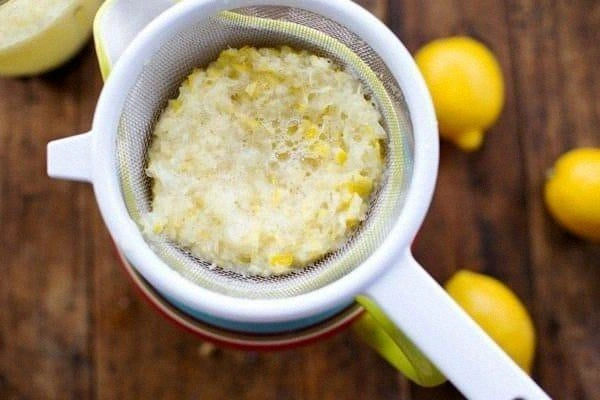
First, roll each lemon on the countertop with the heel of your hand for about 15 seconds. This simple motion breaks down the internal membranes, coaxing out more juice. Cut the lemons in half and squeeze them over a fine‑mesh strainer into a large measuring cup, catching any seeds. You should end up with roughly one cup of bright, fragrant lemon juice. The aroma at this stage is intoxicating—think sunshine in a glass.
Next, combine the granulated sugar with one cup of the cold water in a small saucepan. Warm the mixture over medium heat, stirring constantly, until the sugar dissolves completely, forming a clear simple syrup. This step is crucial; undissolved sugar will settle at the bottom of the glass and create a gritty texture. Once dissolved, remove from heat and let it cool for a minute. This is the moment of truth—the syrup should be glossy and free of crystals.
Kitchen Hack: To speed up cooling, place the saucepan in an ice bath for 2 minutes; this prevents the lemonade from warming up before blending.Now, grab your high‑speed blender and add the freshly squeezed lemon juice, the cooled simple syrup, the remaining three cups of cold water, and the two cups of ice cubes. Toss in the pinch of sea salt and, if you’re feeling fancy, the mint sprigs. Secure the lid tightly—nothing worse than a splatter of citrus on your kitchen walls. Start the blender on low, then gradually increase to high, blending for about 45 seconds until the mixture is frothy and the ice is pulverized into a fine, snow‑like texture.
Here’s a Watch Out moment: if you blend for too long, the ice will melt completely, turning the drink watery and losing that coveted frothy head. Stop the blender as soon as you see a thick, airy foam forming on the surface—that’s the sweet spot. The scent should be a perfect marriage of citrus zest and cool mint, with a faint hint of sugar caramelizing in the background.
Watch Out: Over‑blending can cause the ice to turn into a slushy mess, diluting the flavor. Keep an eye on the texture and stop as soon as it’s smooth and frothy.Give your lemonade a quick taste test. This is where the pinch of sea salt truly shines—it should make the lemon flavor pop like fireworks. If the drink feels too tart, drizzle in an extra tablespoon of honey or a splash more simple syrup; if it’s too sweet, add a splash of cold water. Adjustments should be made in small increments; remember, you can always add more, but you can’t take it out.
Transfer the blended lemonade into a pitcher, then chill it in the refrigerator for at least 10 minutes. This short rest lets the flavors meld together, creating a harmonious balance that’s deeper than the sum of its parts. While it cools, you’ll notice a faint, fragrant vapor rising from the pitcher—an olfactory preview of the refreshment to come.
When you’re ready to serve, fill tall glasses with a few fresh ice cubes, pour the chilled lemonade over them, and garnish each with a sprig of mint and a thin lemon wheel. The garnish isn’t just for looks; the mint releases a final burst of cool aroma with every sip, and the lemon wheel adds a visual cue that the drink is as bright as a summer sunrise.
Store any leftovers in a sealed container in the fridge for up to 48 hours. Before serving again, give the pitcher a gentle stir and, if needed, add a splash of sparkling water for that extra fizz. This lemonade ages like fine wine—the flavors deepen, and the frothy texture returns with a quick blend.
That's it — you did it. But hold on, I've got a few more tricks that'll take this to another level...
Insider Tricks for Flawless Results
The Temperature Rule Nobody Follows
Never blend hot or room‑temperature water with ice; always start with ice‑cold water straight from the fridge. The colder the base liquid, the faster the ice shatters, creating that coveted airy foam. I once tried using tap water at 70°F and ended up with a slushy that tasted like melted snow. The next time, I pre‑chill the water, and the difference was night and day—crisp, clean, and instantly refreshing.
Why Your Nose Knows Best
Before you even taste, trust your sense of smell. If the blended mixture smells bright and citrusy with a hint of mint, you’re on the right track. A dull, muted aroma usually signals under‑extracted lemon or over‑blended ice. A quick sniff can save you from a bland batch—adjust the lemon or sugar before you waste any more ice.
The 5‑Minute Rest That Changes Everything
After blending, let the lemonade sit uncovered for five minutes. This brief rest allows tiny air bubbles to rise and burst, intensifying the flavor and smoothing the texture. I used to skip this step, thinking it was unnecessary, only to find the drink a bit “flat.” Now I always give it those precious minutes, and the result is a silky, fully developed flavor profile.
Mint Magic: When to Add It
Add fresh mint at the very end of blending, not at the start. Early blending can bruise the leaves, releasing bitter chlorophyll that overpowers the lemon. By tossing the mint in during the last 10 seconds, you preserve its bright, cooling essence without bitterness. One friend tried adding mint at the beginning and swore the drink tasted like a garden—lesson learned.
Scaling Up Without Losing Quality
If you’re feeding a crowd, double the recipe but keep the blender load under ¾ full to ensure even ice pulverization. Over‑filling the blender leads to uneven blending, resulting in pockets of watery ice. Use two batches if necessary; the extra effort guarantees every glass is as frothy as the first.
Creative Twists and Variations
This recipe is a playground. Here are some of my favorite ways to switch things up:
Berry‑Burst Lemonade
Swap half of the water for pureed strawberries or raspberries. The berries add a subtle sweetness and a gorgeous pink hue that makes the drink look like a summer sunset. Pair it with a basil leaf instead of mint for an herb‑berry fusion that’s perfect for brunch.
Spicy Ginger Lemonade
Grate a teaspoon of fresh ginger into the blender along with the lemons. The ginger adds a gentle heat that balances the tartness, creating a drink that’s both cooling and invigorating. Finish with a thin slice of jalapeño on the rim for those who love a daring kick.
Herbal Lavender Lemonade
Steep a tablespoon of culinary lavender buds in the simple syrup before cooling. The floral notes mingle with the citrus, delivering a sophisticated, aromatic sip that feels like a garden party in a glass. Garnish with a sprig of rosemary for an unexpected earthy twist.
Honey‑Cinnamon Lemonade
Replace the granulated sugar with honey and add a pinch of ground cinnamon to the blender. The honey adds depth, while cinnamon introduces a warm spice that makes this version perfect for early autumn evenings.
Sparkling Coconut Lemonade
After blending, stir in coconut water and top off with club soda. The coconut water brings natural electrolytes, and the soda adds effervescence, turning the drink into a tropical refresher that’s ideal for poolside lounging.
Storing and Bringing It Back to Life
Fridge Storage
Transfer any leftover lemonade to an airtight glass jar and store it in the refrigerator for up to 48 hours. The sealed container prevents oxidation, preserving the bright lemon flavor. Before serving, give the jar a gentle shake to recombine any settled pulp.
Freezer Friendly
You can freeze the lemonade in silicone ice cube trays for up to three months. Once frozen, transfer the cubes to a zip‑top bag. These lemon cubes are perfect for dropping into sparkling water for an instant flavored soda.
Best Reheating Method
If you need to serve the lemonade warm (think winter twist), add a splash of water and gently warm it on the stovetop over low heat, stirring constantly. Adding a tiny splash of water before reheating creates steam that revives the frothy texture, preventing the drink from becoming flat.