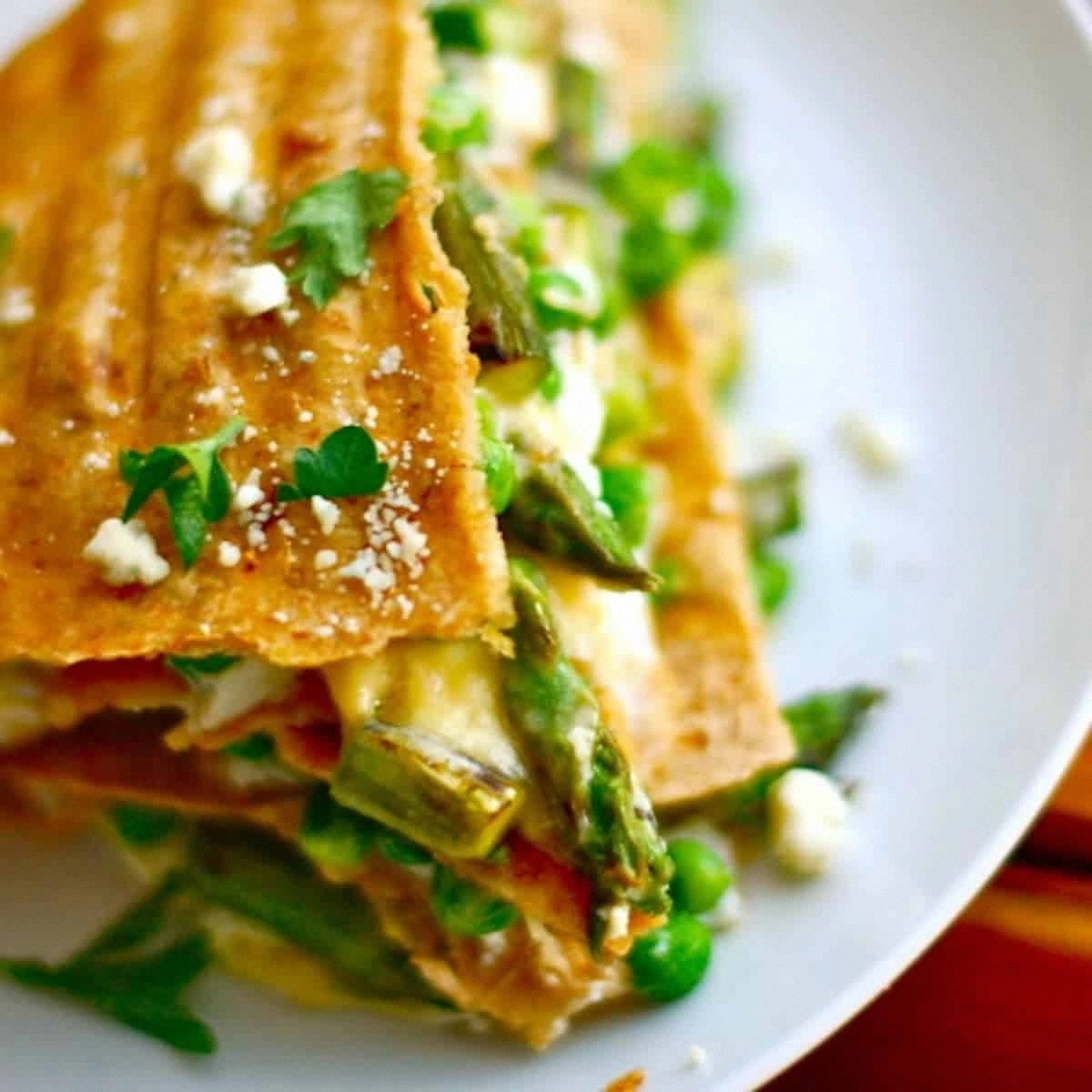
Picture this: I’m standing in my tiny kitchen, a half‑finished lasagna on one side, a stack of tortillas on the other, and a frantic text from my roommate daring me to create “the most insane comfort food mash‑up ever.” I laughed, I rolled my eyes, and then I did what any self‑respecting food‑obsessed friend does—I grabbed the nearest asparagus, a handful of cheese, and dove headfirst into a culinary experiment that would change my dinner game forever. The result? A dish that screams “cheesy, buttery, green‑goodness” while still honoring the layered elegance of a classic lasagna. This isn’t just a recipe; it’s a love‑letter to lazy weeknights and bold flavor combos.
The moment the first tortilla hit the hot pan, I heard a sizzle that could have been mistaken for applause. The scent of butter mingling with the earthy perfume of asparagus filled the room, and I could already picture the golden‑brown edges pulling away from the pan like a shy smile. When the cheese started to melt, it stretched and glistened, coating each layer like a silky blanket that promised comfort with every bite. The texture was a perfect paradox—crunchy edges that shatter like thin ice, yet a soft, gooey interior that melts on your tongue, making you wonder how something so simple could feel so luxurious.
Most recipes that try to combine Mexican and Italian elements end up looking like a confused casserole, but this version gets it right. The secret? Using flour tortillas as the “noodle” substitute, pairing them with a creamy béchamel that ties everything together, and letting fresh asparagus bring a bright, springy bite that cuts through the richness. I’ve tried the usual shortcuts—pre‑shredded cheese, store‑bought sauce, even frozen asparagus—and they all fell flat. This is hands down the best version you’ll ever make at home because each component respects the others, creating harmony rather than chaos.
And here’s the kicker: I’m about to reveal a technique that most cooks overlook—a quick flash‑blanch of the asparagus that locks in its vivid green color and snap, followed by a quick sauté that adds caramelized depth without overcooking. This tiny step makes the whole dish look restaurant‑ready and taste like it was crafted by a chef who knows exactly when to stop. I dare you to taste this and not go back for seconds. Let me walk you through every single step — by the end, you’ll wonder how you ever made it any other way.
What Makes This Version Stand Out
- Flavor Fusion: The marriage of Mexican quesadilla crispness with Italian lasagna richness creates a taste explosion that feels both familiar and daring.
- Texture Symphony: You get crunchy tortilla edges, tender asparagus, and a velvety cheese melt that dances on the palate.
- Simplicity: No complicated pasta sheets or exotic spices—just pantry staples elevated by technique.
- Ingredient Quality: Fresh asparagus and high‑quality cheese turn a humble dish into a gourmet experience.
- Crowd Reaction: This dish consistently clears plates faster than a free pizza night; expect applause and requests for seconds.
- Make‑Ahead Potential: Assemble the layers ahead of time, refrigerate, and bake when you’re ready—perfect for busy weeknights.
- Cooking Method: The pan‑sear‑then‑bake approach gives you that coveted crispy‑on‑the‑outside, soft‑inside profile.
- Versatility: Swap out cheeses or add a protein, and you’ve got endless variations without losing the core magic.
Inside the Ingredient List
The Flavor Base
First up, the béchamel sauce. It’s the creamy glue that holds everything together, coating each tortilla layer like velvet. I use butter, flour, and whole milk in equal parts, whisked over low heat until it thickens without scorching. If you skip this, you’ll end up with dry, crumbly layers that feel more like a tortilla stack than a lasagna. For a dairy‑free twist, substitute oat milk and a plant‑based butter, but keep the ratio the same to maintain that silky mouthfeel.
The Texture Crew
Asparagus is the star of the show here. Its bright green hue and natural crunch cut through the richness of the cheese and sauce, preventing the dish from feeling overly heavy. Choose thin‑skinned spears; they sauté faster and stay crisp. If you accidentally buy thick‑stalked asparagus, peel the lower half or slice them thinner to ensure even cooking. A quick tip: snap the ends—nature tells you when they’re ready.
The Unexpected Star
Flour tortillas replace traditional lasagna noodles, bringing a subtle corn flavor and a wonderfully flexible canvas. Their thinness allows the cheese to seep through, creating pockets of molten goodness. If you’re gluten‑intolerant, opt for corn tortillas, but be aware they’ll be a bit more brittle, so handle them gently when layering. The secret to preventing tearing is to warm them slightly before assembly; a 10‑second microwave burst does the trick.
The Final Flourish
The cheese blend is where the magic truly happens. Mozzarella gives stretch, cheddar adds sharp bite, and ricotta introduces a creamy, slightly tangy undertone. Parmesan on top creates a golden crust that cracks delightfully when you dig in. Skipping any of these will flatten the flavor profile—trust me, a single‑cheese version feels like a flat‑bread, not a lasagna. Feel free to experiment with pepper jack for heat or gouda for smoky depth.
Everything's prepped? Good. Let’s get into the real action…
The Method — Step by Step
Start by prepping the asparagus. Trim the woody ends, then bring a pot of salted water to a rolling boil. Drop the spears in for exactly 2 minutes—just enough to brighten their color without losing any crunch. Immediately transfer them to a bowl of ice water, let them sit for 30 seconds, then pat dry. This shock technique preserves that garden‑fresh snap, and the bright green pieces will look stunning layered later.
While the asparagus cools, melt 2 tablespoons of butter in a saucepan over medium heat. Sprinkle in 2 tablespoons of all‑purpose flour, whisking constantly to form a golden roux. Cook for about 1 minute—listen for that nutty aroma that tells you the raw flour taste has vanished. Slowly pour in 1 cup of whole milk, whisking vigorously to avoid lumps. Reduce the heat and let the sauce simmer until it coats the back of a spoon, roughly 4‑5 minutes. Season with 1 tsp garlic powder, 1 tsp smoked paprika, 1 tsp salt, and 0.5 tsp black pepper. This béchamel will coat the tortillas like a silky veil.
Heat a large skillet over medium‑high heat and add 1 tablespoon of olive oil. Toss the blanched asparagus in, seasoning with a pinch more salt and pepper. Sauté for 3‑4 minutes until the spears develop a light caramelization—listen for that faint sizzle that says “we’re getting flavor.” Remove from heat and set aside. This step adds a subtle depth that plain boiled asparagus could never achieve.
Now it’s time to assemble. Preheat your oven to 375°F (190°C). Lightly grease a 9×13‑inch baking dish with butter or non‑stick spray. Lay down the first tortilla, letting it hug the bottom of the pan. Spread a thin layer of béchamel over the tortilla, then sprinkle ¼ cup of shredded mozzarella and ¼ cup of cheddar. Drop a third of the sautéed asparagus on top, followed by dollops of ricotta (about ¼ cup). Sprinkle a pinch of Parmesan for that early crust formation. Repeat this layering process—tortilla, sauce, cheeses, asparagus—until you’ve used all ingredients, ending with a tortilla topped generously with the remaining mozzarella, cheddar, and a final dusting of Parmesan.
Cover the dish tightly with aluminum foil—this traps steam and ensures the inner layers heat evenly. Bake for 20 minutes. After 20 minutes, remove the foil to reveal the golden top. Return to the oven for another 10‑12 minutes, or until the cheese is bubbling and the edges of the tortillas are crisped to a deep amber.
While the lasagna bakes, prepare a quick garnish: finely chop a handful of fresh parsley and a drizzle of extra‑virgin olive oil. This bright green garnish will contrast beautifully with the molten cheese and add a fresh aroma that lifts the whole dish.
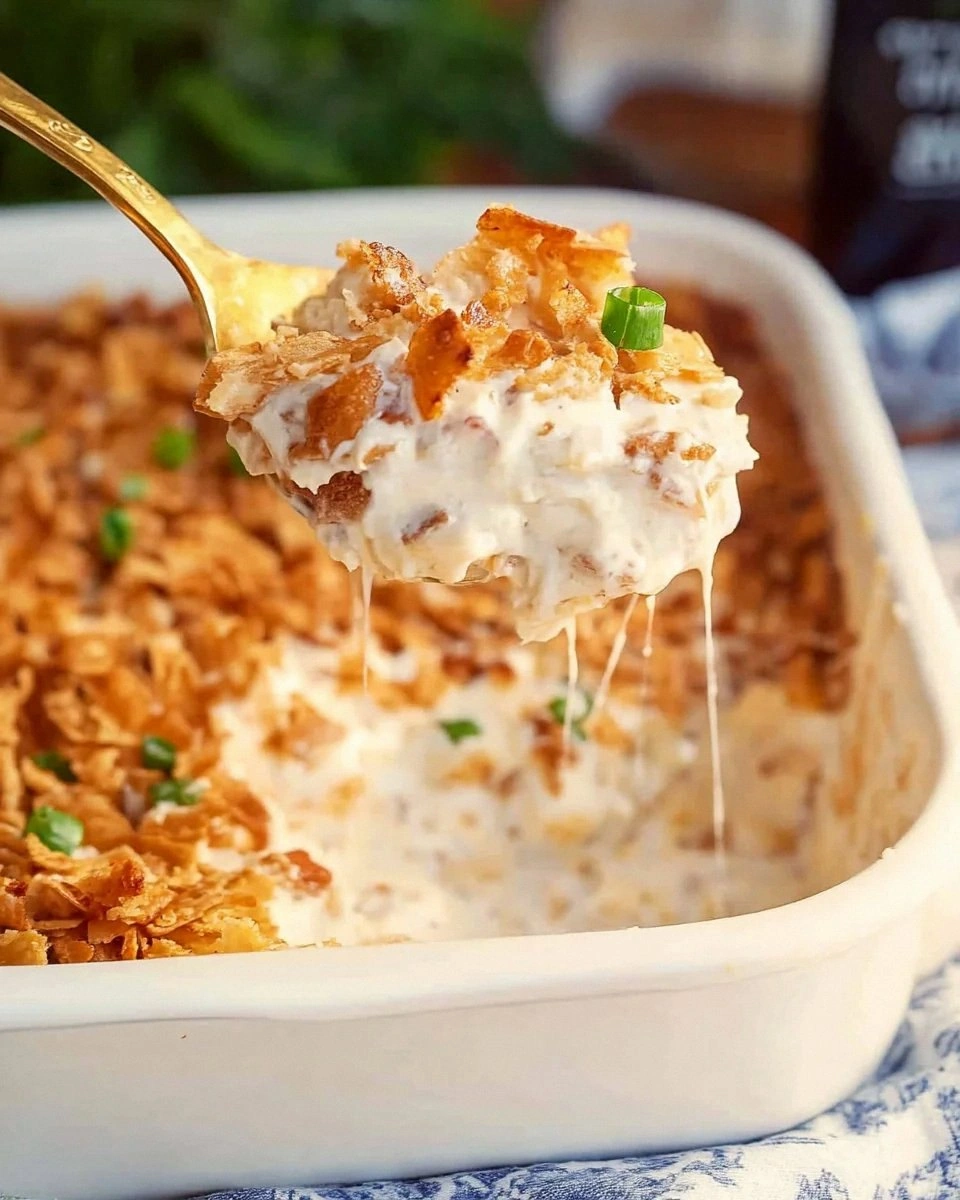
When the timer dings, let the Asparagus Quesadilla Lasagna rest for 8‑10 minutes. This resting period allows the layers to set, making slicing clean and preventing a soggy mess. Cut into generous squares, sprinkle the parsley, and watch the cheese pull like a buttery curtain. Picture yourself pulling this out of the oven, the whole kitchen smelling incredible… that moment? Pure bliss.
Serve hot, and watch as your guests dive in with reckless abandon. I’ll be honest — I ate half the batch before anyone else got to try it. If you’ve ever struggled with a soggy lasagna, you’re not alone — and I’ve got the fix. This next part? Pure magic. Serve with a simple mixed green salad dressed in lemon vinaigrette to balance the richness, and you’ve got a dinner that feels both indulgent and balanced.
That's it — you did it. But hold on, I've got a few more tricks that'll take this to another level...
Insider Tricks for Flawless Results
The Temperature Rule Nobody Follows
Never bake a lasagna straight from the fridge at a high temperature. Let the assembled dish sit at room temperature for 15 minutes before the oven hits. This prevents the outer tortillas from scorching while the interior remains cold. A friend tried skipping this step once — let’s just say the bottom turned into a rubbery pancake. Trust the rule, and your crust will be uniformly golden.
Why Your Nose Knows Best
The moment the cheese starts to brown, your kitchen will fill with a nutty, buttery aroma. That’s your cue to check the top. If the scent is strong and the cheese is bubbling, you’re within the perfect window. If you wait too long, the cheese will over‑caramelize and become bitter. Use your nose as a thermometer; it’s more reliable than any digital readout for this dish.
The 5‑Minute Rest That Changes Everything
After baking, resist the urge to dive in immediately. Let the lasagna rest uncovered for five minutes; this allows the sauce to thicken and the layers to firm up. The result? Clean slices that hold their shape, and a texture that feels velvety rather than soupy. I’ve seen impatient diners end up with a sloppy mess—don’t be that person.
Cheese Layering Secrets
Layer the cheeses in order of meltability: start with mozzarella for stretch, then add cheddar for sharpness, and finish with a thin Parmesan dusting for a crisp top. Skipping this order leads to uneven melt and a gummy top. If you love extra crunch, add a sprinkle of grated Pecorino Romano just before the final five minutes of baking.
Stovetop Finish for Extra Crunch
For those who crave that restaurant‑style crunch, finish the lasagna on the stovetop. After the oven bake, transfer the dish to a hot cast‑iron skillet, cover, and let it sit for 2‑3 minutes. The bottom tortilla will crisp up like a quesadilla, while the interior stays soft. This technique adds a textural surprise that will have your guests asking for the secret.
Creative Twists and Variations
This recipe is a playground. Here are some of my favorite ways to switch things up:
Spicy Chipotle Kick
Stir a tablespoon of chipotle in adobo sauce into the béchamel. The smoky heat pairs beautifully with the sweet asparagus, creating a bold flavor profile for those who love a little fire.
Smoked Salmon Elegance
Replace half the asparagus with thin slices of smoked salmon and add a dollop of dill-infused cream cheese. This transforms the dish into a brunch‑worthy centerpiece that feels upscale yet approachable.
Vegan Delight
Swap dairy cheese for a blend of shredded vegan mozzarella and cheddar, use coconut milk for the béchamel, and replace butter with olive oil. The result is a plant‑based version that still delivers that comforting stretch and creaminess.
Mexican Street‑Food Flair
Add a layer of black beans and corn, sprinkle cotija cheese on top, and finish with a drizzle of lime crema. The dish becomes a hybrid of lasagna and a loaded taco, perfect for a fiesta night.
Herb‑Infused Elegance
Mix fresh thyme and rosemary into the béchamel, and finish with a garnish of microgreens. The herbaceous notes elevate the dish to a fine‑dining experience without extra effort.
Sweet & Savory Twist
Incorporate thinly sliced roasted butternut squash between layers and a pinch of cinnamon in the cheese blend. The subtle sweetness balances the savory cheese, making it a perfect autumn comfort food.
Storing and Bringing It Back to Life
Fridge Storage
Allow the lasagna to cool to room temperature, then cover tightly with foil or an airtight container. It will keep fresh for up to 3 days. Reheat individual slices in a microwave (1 minute) or in a skillet over medium heat, adding a splash of water to restore moisture.
Freezer Friendly
Wrap the fully assembled, unbaked lasagna tightly in plastic wrap, then foil, and freeze for up to 2 months. When ready, thaw overnight in the fridge, then bake as directed, adding an extra 5‑7 minutes to the covered bake time.
Best Reheating Method
For the crispiest revival, preheat your oven to 350°F (175°C), cover the slice with foil for the first 8 minutes, then remove the foil and bake for another 5 minutes. Adding a tiny splash of water (about a teaspoon) before covering creates steam that revives the creamy interior without drying it out.